Notice the beautiful yellow throat, and the yellow patches on the sides and on top of the head.
Ruby-crowned Kinglet
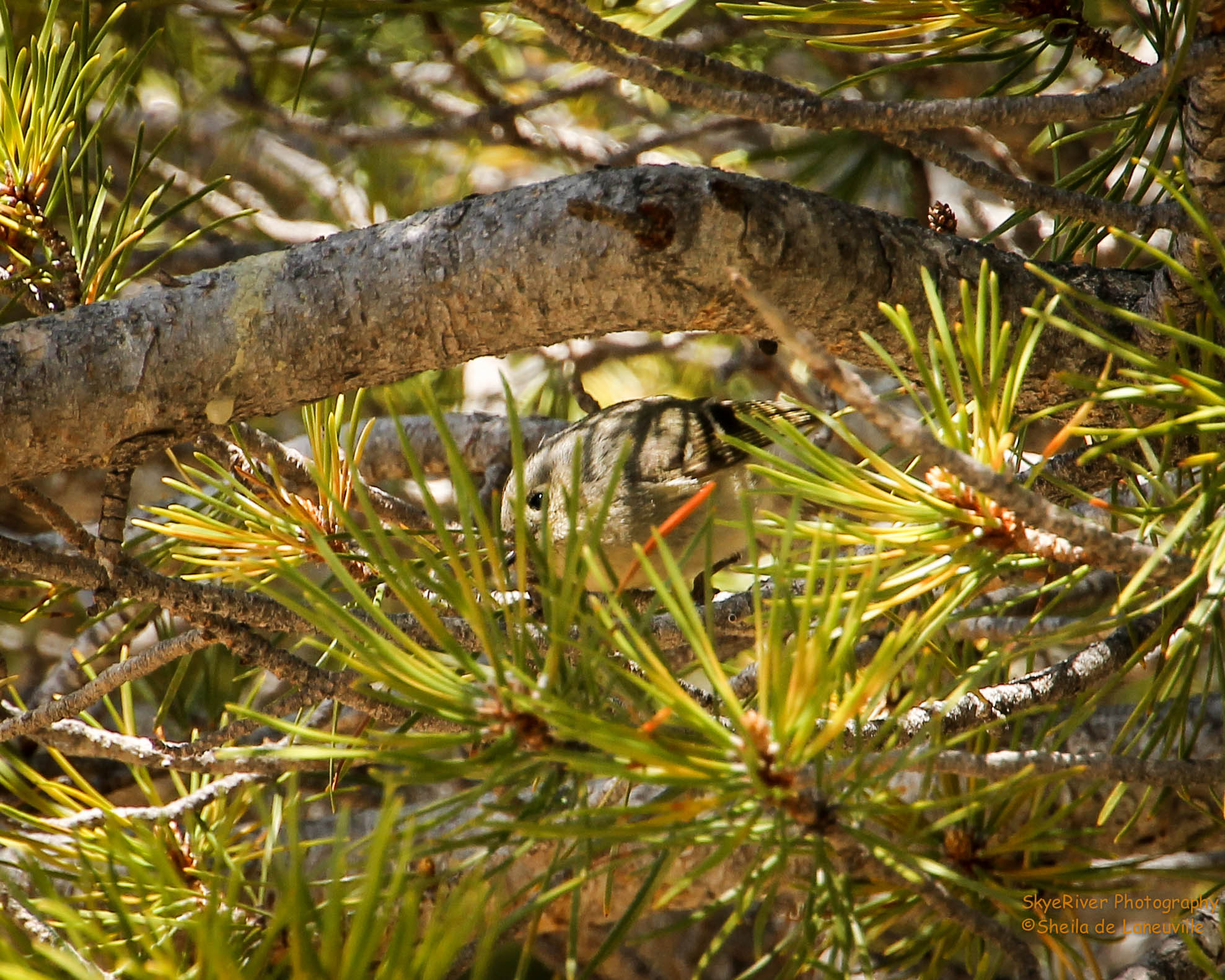
Ruby-crowned Kinglet looking for food in the pines.
This little guy was flitting around from branch to branch and tree to tree, so this is the best photo I could capture of his ruby crowned head.
The header photo is a Pink-sided Junco, which was busy hunting for food in and around patches of snow. I was lucky it decided to get a better view of its surrounding by hopping up on this boulder.
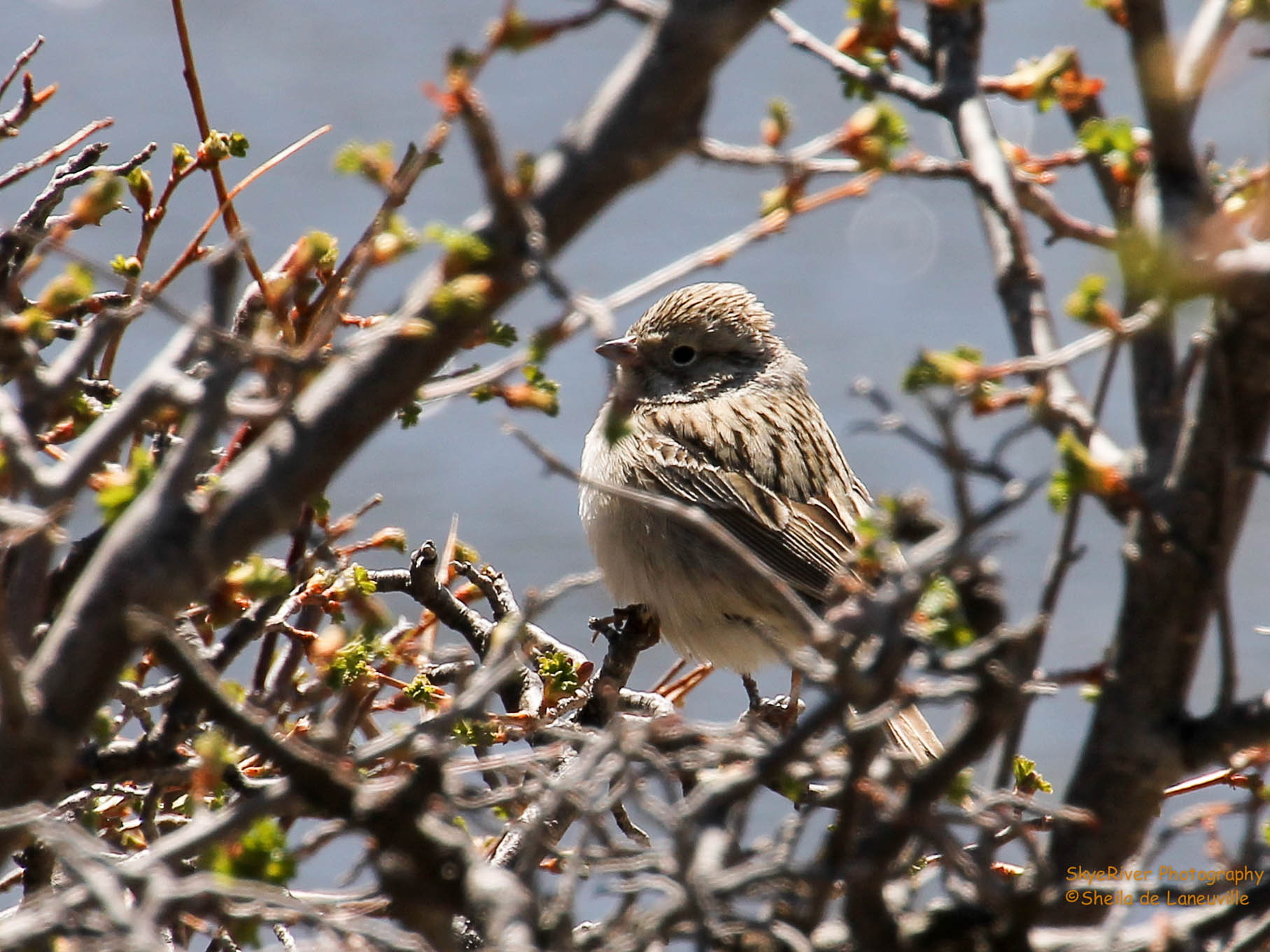
On Monday, while visiting Rocky Mountain National Park, I observed two small sparrow like birds in a bush near the water. Turns out they are Brewer’s Sparrows. I was grateful to get these photos; they sure didn’t want to be seen.
I haven’t seen this bird before so it becomes number 386 on my Birding Life List!
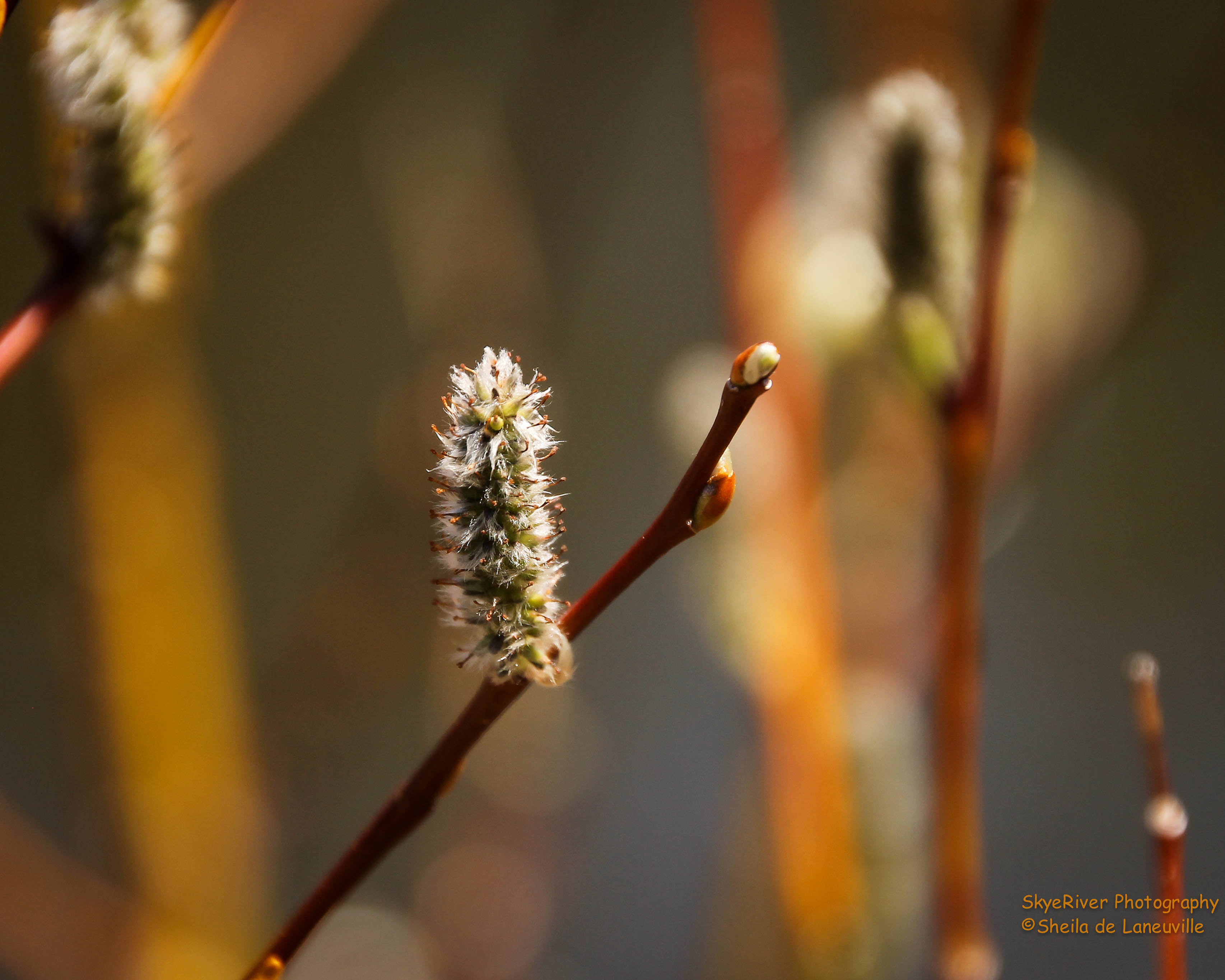
Brewer’s Sparrow. Note the complete and conspicuous white eye-ring.Brown crown with fine black streaks. Upper parts buffy-brown and streaked.Hiding! Number 386.Close-up of a Willow Bush, just starting to bloom.
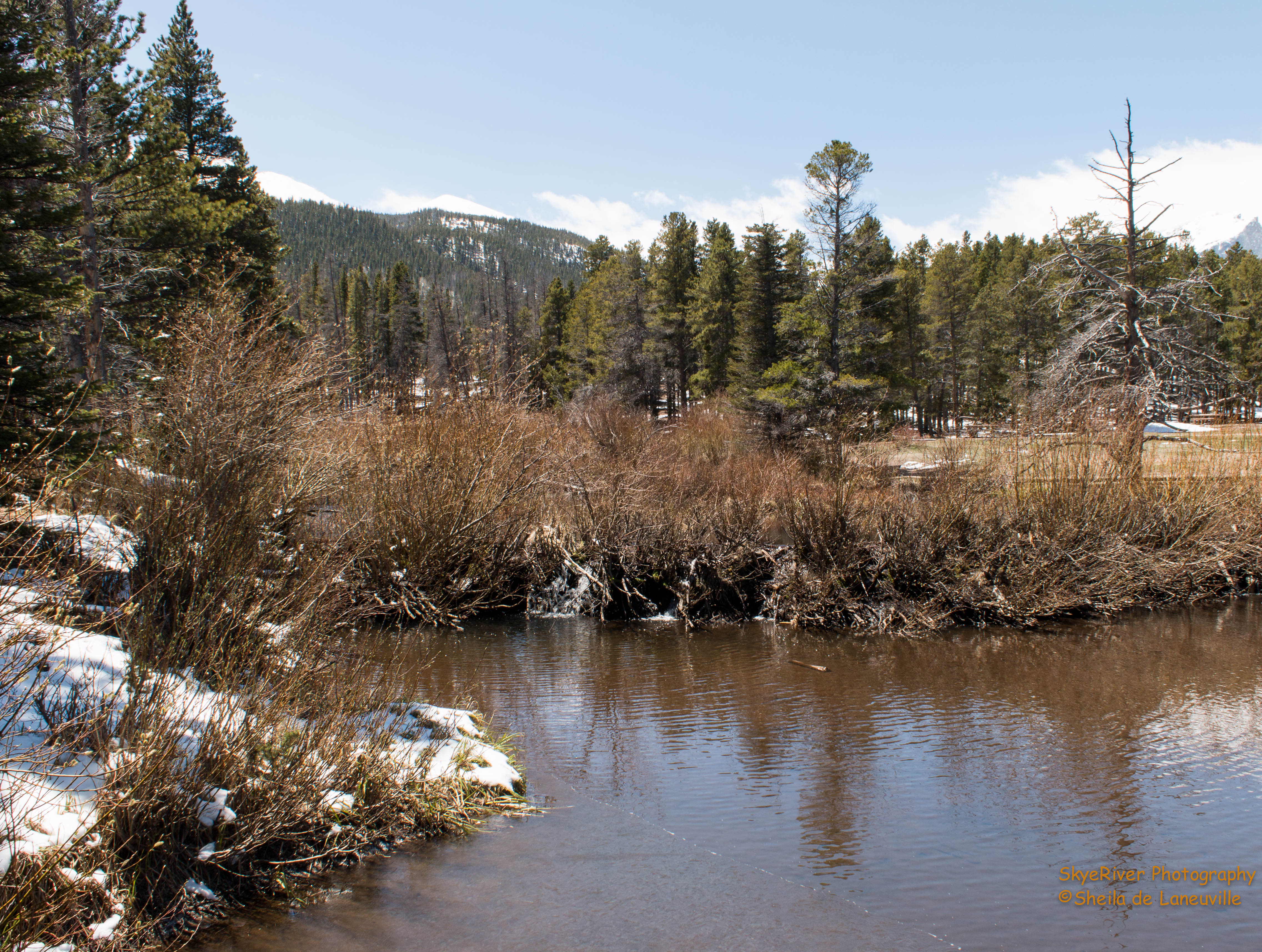
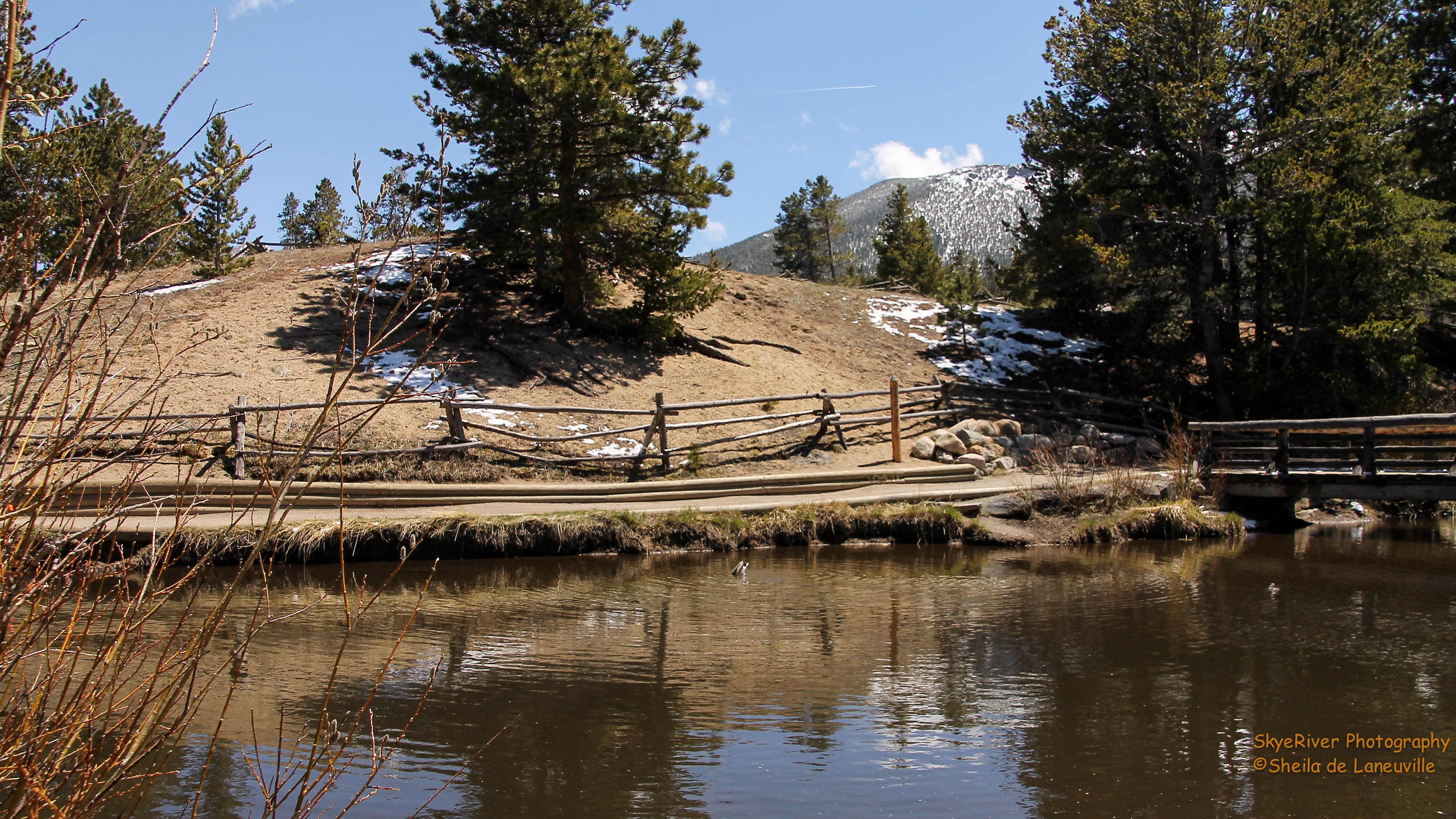
Willows are the dominant woody shrub on almost all wet meadow or riparian areas in the park. They establish on point bars, abandoned beaver ponds, and abandoned channels or ox-bows.
Fun Facts:
Willows can establish from seeds or from willow roots or stems that implant into the ground. Shoots from the roots are important because they allow existing willow plants and root systems to maintain themselves for long periods of time.
They provide shade to streams and critical habitat for a large number of terrestrial and aquatic species.
They slow water flow and allow the ground to absorb water and nutrients.
They stabilize stream banks.
They provide food and construction material for beavers and their dams which benefit ecosystem processes.
Willow growth and height in the park is determined by large ungulate and beaver browsing. Willows have evolved defenses against browsing. They can grow tall very rapidly beyond the height of browsing or they can produce defense compounds that make them less palatable to large ungulates like moose and elk.
Willow have declined in Rocky Mountain National Park meadows because there are fewer beaver and elk overbrowse their leaves and stems.
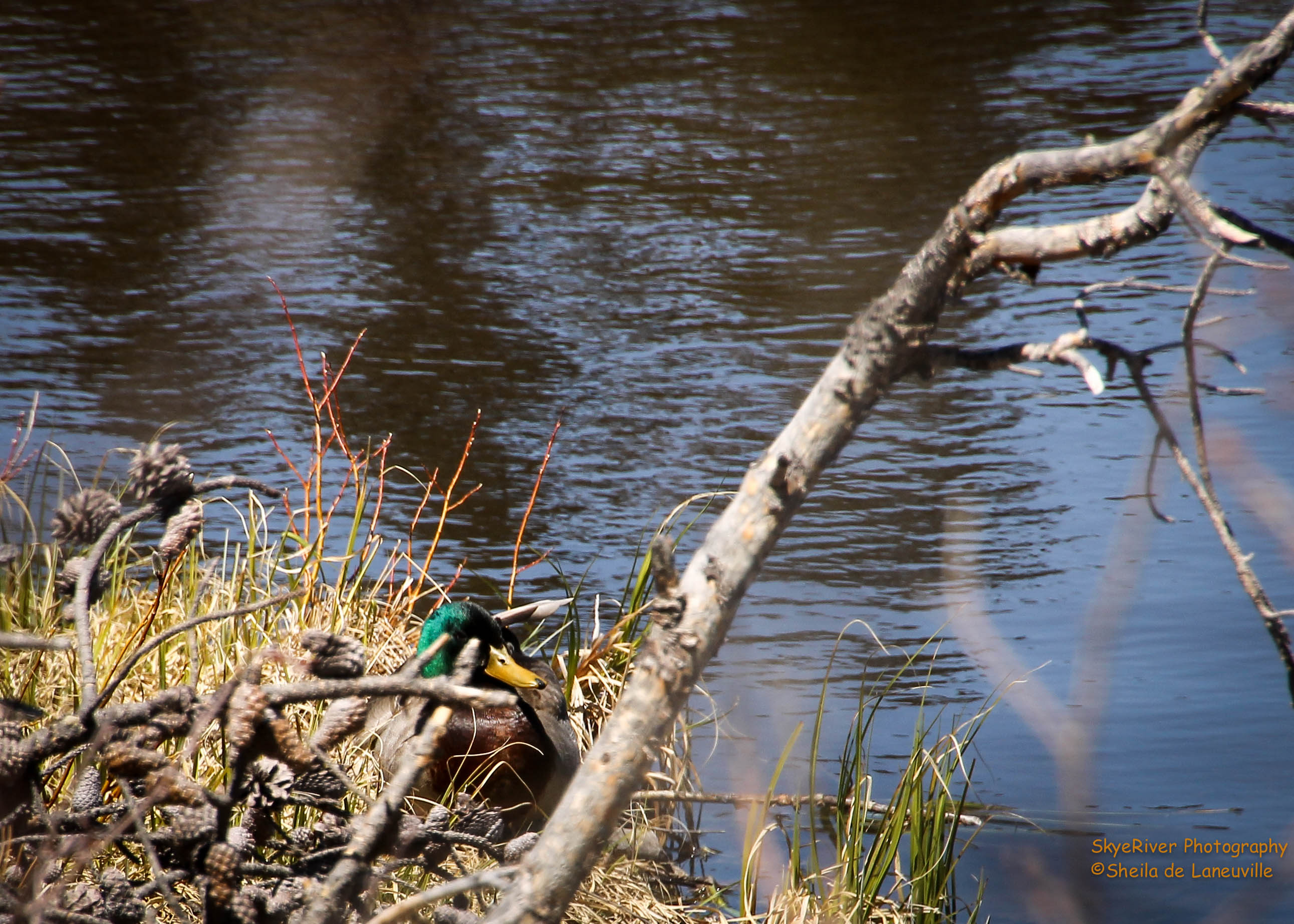
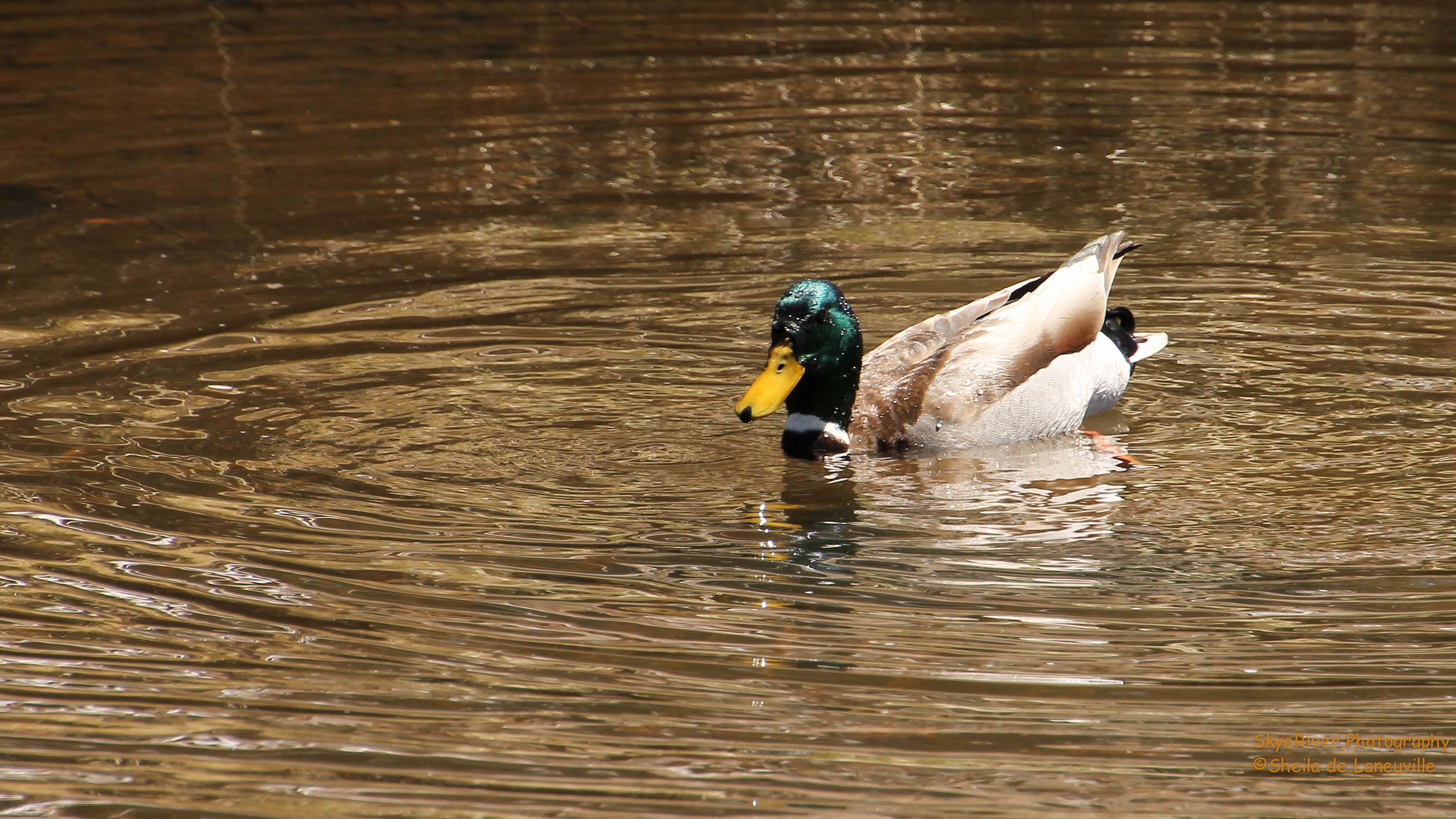
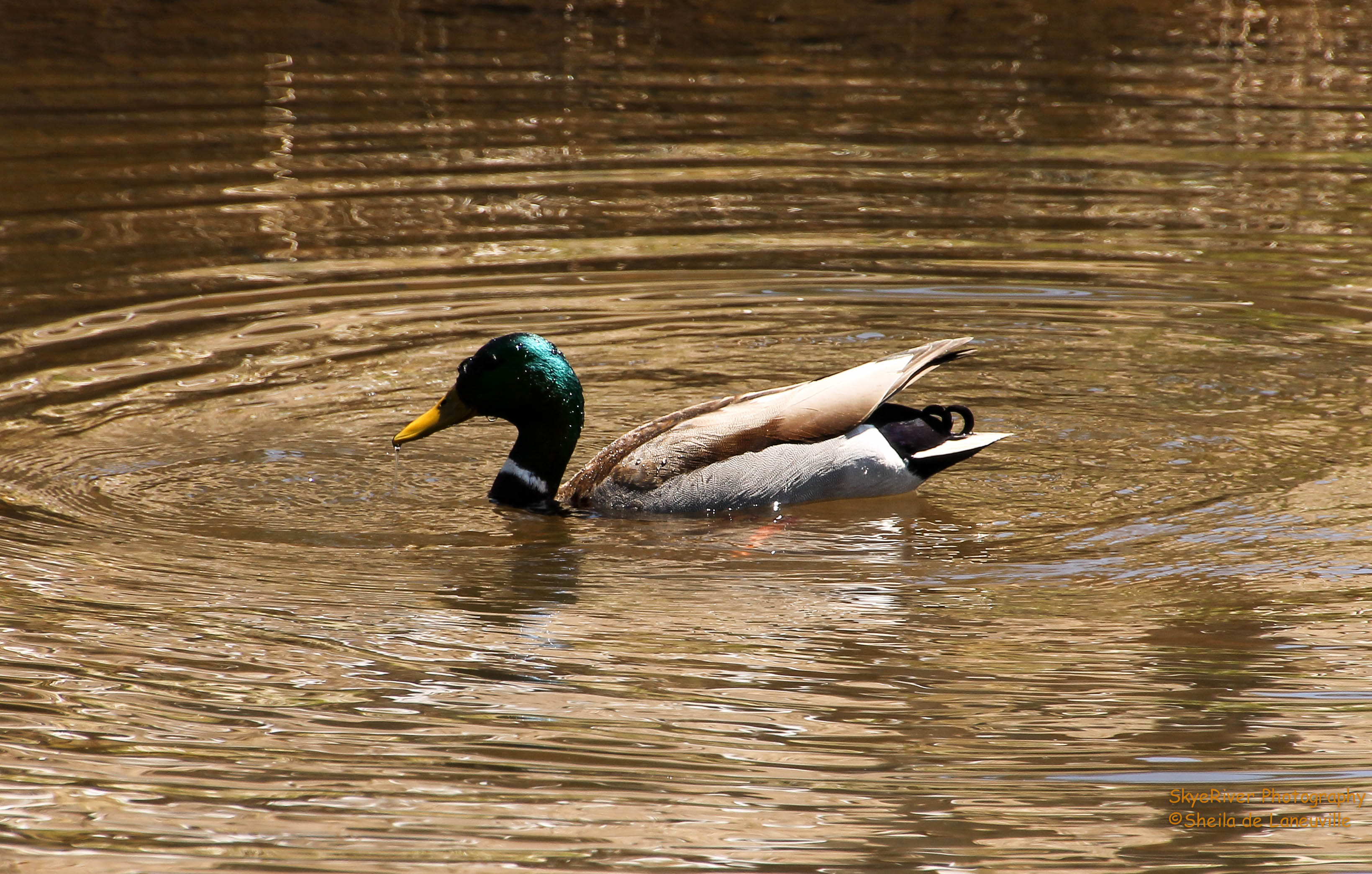
This male Mallard made us giggle. We watched him tipping head first into the pond and using his feet to paddle around searching for seeds, plants and snails.
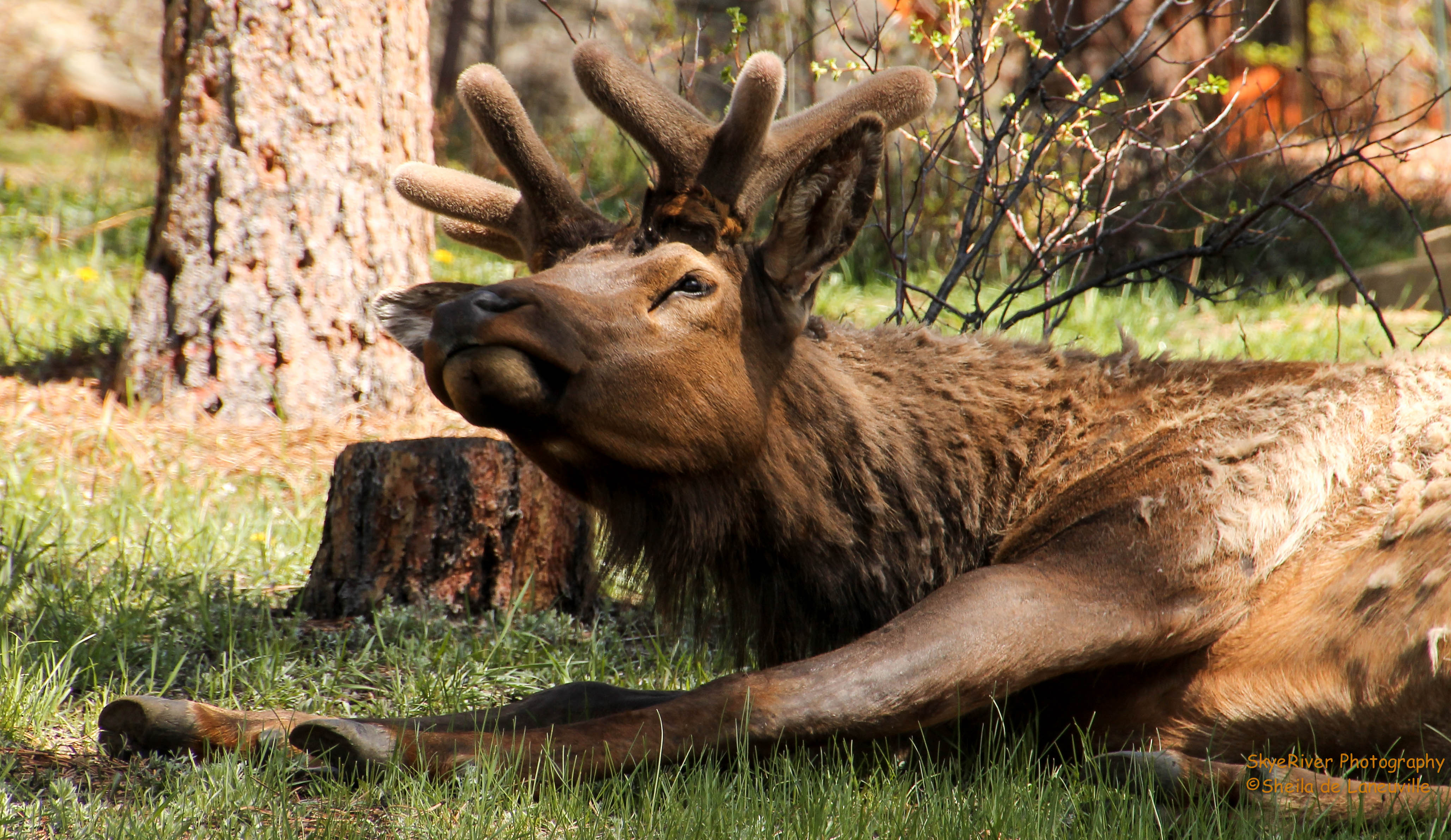
Here are photos of three of the four Elk we spotted while driving toward Estes Park. These guys were lounging around in someone’s front yard. Perhaps full and lazy after a fine meal.
The Sleepy Guy
They were laying behind this fence on the grass and I didn’t want to get too close and bother them.
The Sleepy Guy and his friendsThe Alert One“Okay, you’re had your fun, now go away.”
These young Bull Elk are still sporting some of their winter coat, which will be replaced with shiny, smooth hair.
If you would like to read more about Elk visit this web site called Elk Facts. Below are a few Antler Facts taken from this web-site:
Antlers
Only male elk have antlers
Bulls shed and grow a new set of antlers every year
New antlers are covered in fuzzy skin called velvet
Antlers harden by late summer and the velvet peels away
By September, antlers are solid bone
A set of antlers on a mature bull can weigh up to 40 pounds


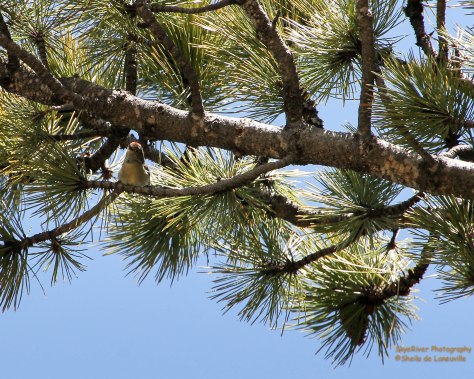 This little guy was flitting around from branch to branch and tree to tree, so this is the best photo I could capture of his ruby crowned head.














 Wolf Song Blog