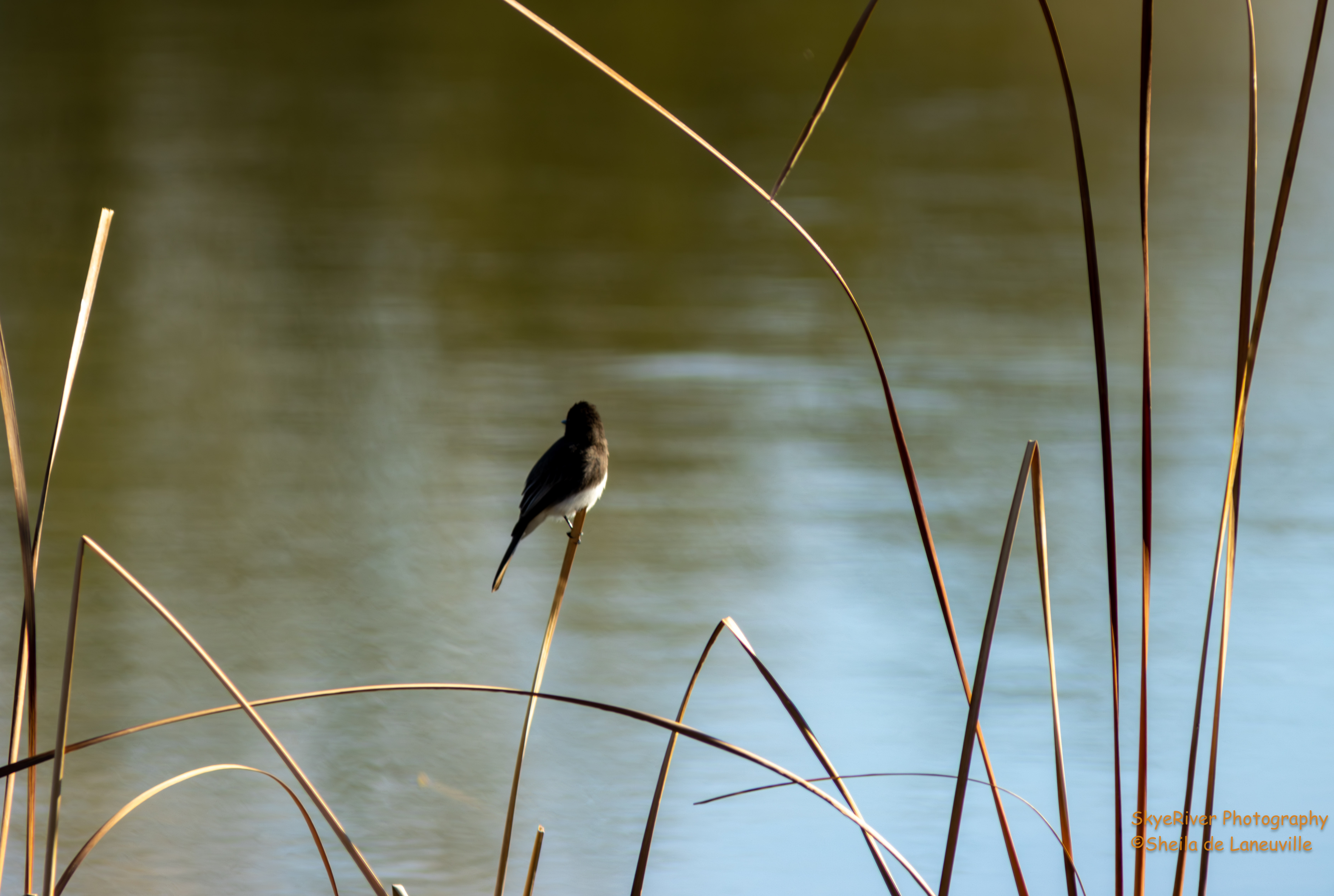
The Say’s Phoebe is often found in wide, open settings. They have cinnamon-washed underparts and a gentle facial expression. They are very patient hunters. This Say’s was very patient with me and I believe he was smiling at me as a tried to capture several photos of him.
Say’s Phoebe
Some cool facts about the Say’s: (from the web)
~Charles Bonaparte, a nephew of Napoleon, named the Say’s Phoebe after American naturalist Thomas Say, the first scientist to encounter the bird, at a site near Cañon City, Colorado, in 1819. During the same expedition, Say also collected 10 additional bird species. Despite finding several new bird species in his career, Say is perhaps better known as the “father of American entomology.”
~Say’s Phoebes have been in the U.S. for a long time. Paleontologists discovered Say’s Phoebe fossils in Arizona, California, New Mexico, and Texas dating back to about 400,000 years ago (the late Pleistocene).
~The Say’s Phoebe breeds farther north than any other flycatcher and is seemingly limited only by the lack of nest sites. Its breeding range extends from central Mexico all the way to the arctic tundra. It may be following the Alaska pipeline even farther north, nesting on the pipeline itself. “Cool”
~When a Say’s Phoebe finds a good nesting site, it often uses the nest year after year. In central Kansas a Say’s Phoebe reused the same nest 5 years in a row.
~Say’s Phoebes will nest just about anywhere: in mailboxes, on machinery, and even in old nests built by other species. Researchers reported them using nests built by Black and Eastern phoebes, Cliff, Bank, and Barn swallows, and American Robins.
~They sally from low perches to snatch insects in midair or pounce on them on the ground. Say’s Phoebes often pump their tails while perched on a wire, fence post, or low bush.
Hope you had a gentle expression on your face as you read this posting! Keep Smiling!
A strikingly beautiful gray, black and white bird with a deadly hook at the tip of their bill which helps them kill their prey.
Shrikes are rare among songbirds for their lifestyle of hunting and eating animals. They often kill more prey than they need at one time, but they don’t let it go to waste. They often store food for later by impaling their prey on spines or barbed wire, earning the nickname “butcher birds. (from Web)
This bird was a very cooperative subject! He would return to this “stag” and stay for long periods of time.
This Vermilion Flycatcher would sit in this location for just about the same length of time the Shrike sat in the stag. The Vermilion was hunting insects, right near the Shrike. I sure am glad I didn’t see it becoming dinner for the Shrike. I guess this little guy wasn’t competition.
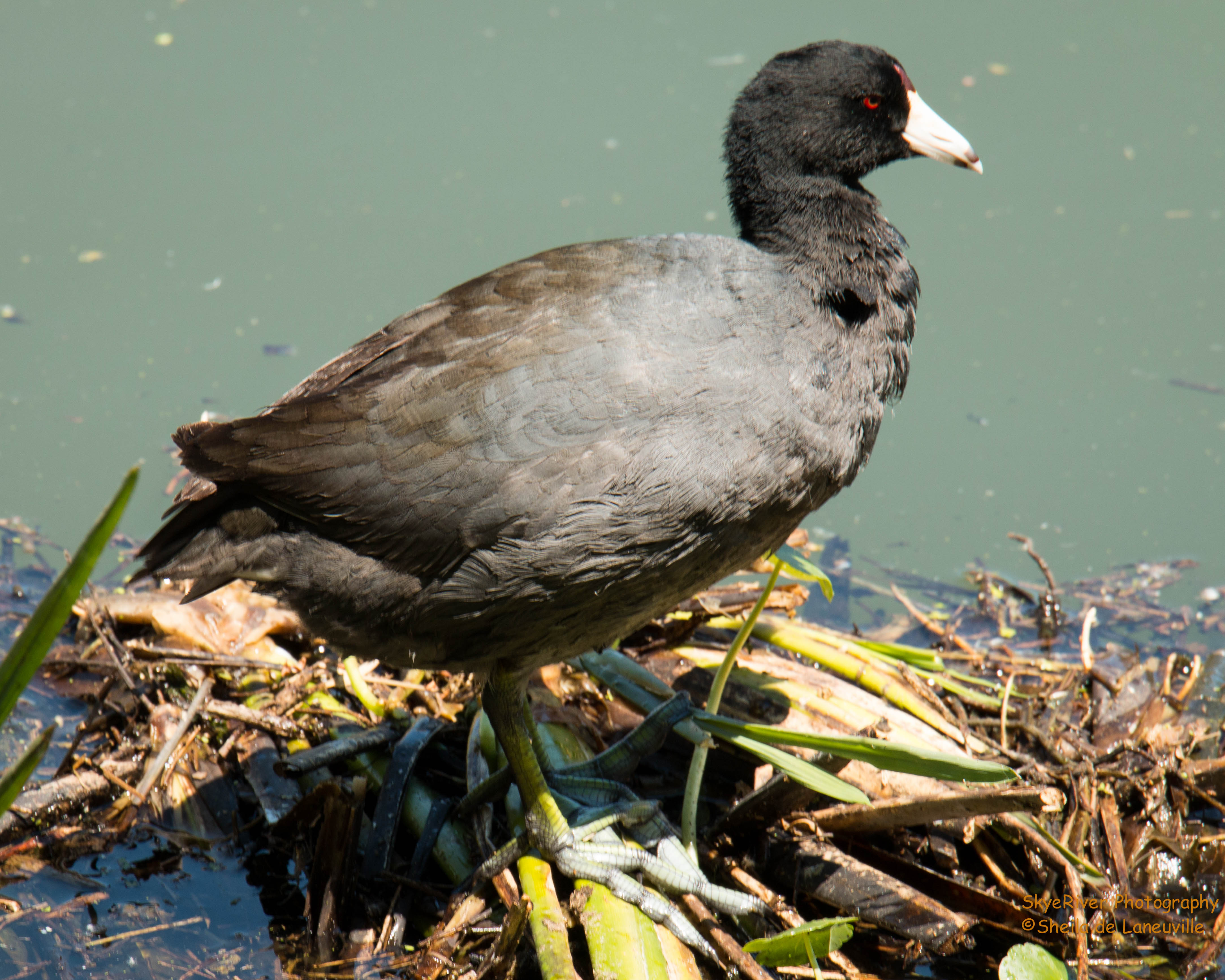
The American Coot isn’t a duck. It has webbed toes instead of webbed feet. They are noisy, gregarious members of the rail family. The coot is a medium-sized diving bird with a white bill, yellow legs, and lobed toes. The feet look oversized for this bird. The body is dark gray to black with a blackish head and neck. The male is a little larger than the female, but otherwise look alike.
Can you believe that the oldest American Coot, recorded in the wild, was 22 years and 4 months old. That’s kind of amazing given they are prime prey of Bald Eagles and Osprey. I think they are an attractive chubby little birds with their red eyes and white bill.
I took this photo a few years ago. I wanted to show you their unique feet.
The Vermilion Flycatcher, what a beautiful, feisty little bundle of color.
The vermilion flycatcher is a small bird native to Central and South America. They capture insects on the wing by flying suddenly out from an exposed perch. These foraging flights are often short and direct, and often involve a swift swoop that takes them in a looping circle out and back to the same perch. I so enjoy watching them hunt for food and enjoy the challenge of taking their photo.
I found this description of this bird on the web and it certainly fits its personality.
In Aztec mythology, the bird is associated with the god of the sun. It is seen as a symbol of strength and vitality.
Male
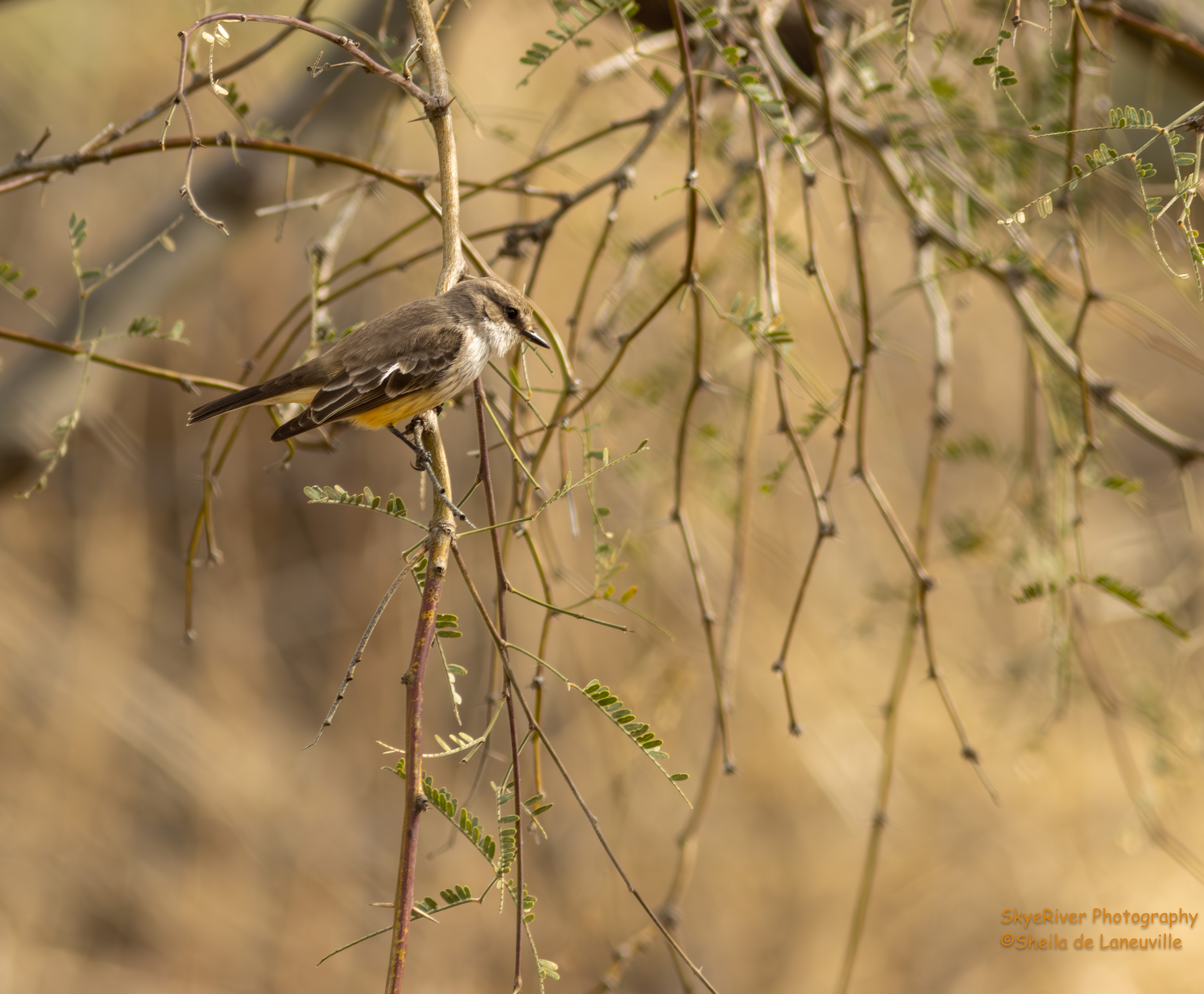
I think this juvenile felt very handsome and just wanted his photo taken.
What a beautiful juvenile!
And, last but not least the gorgeous female with her tinge of salmon color.
I hope you enjoyed seeing these colorful Vermilions!






 Wolf Song Blog