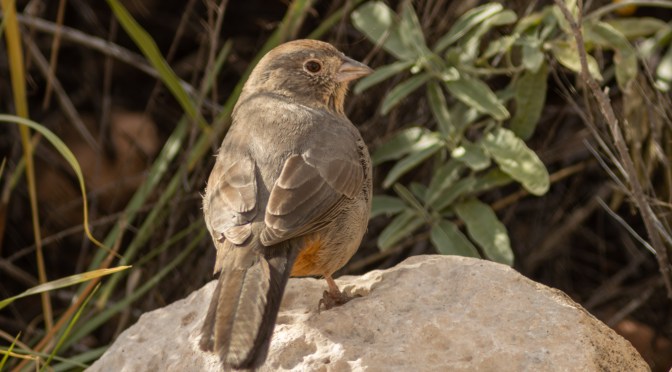
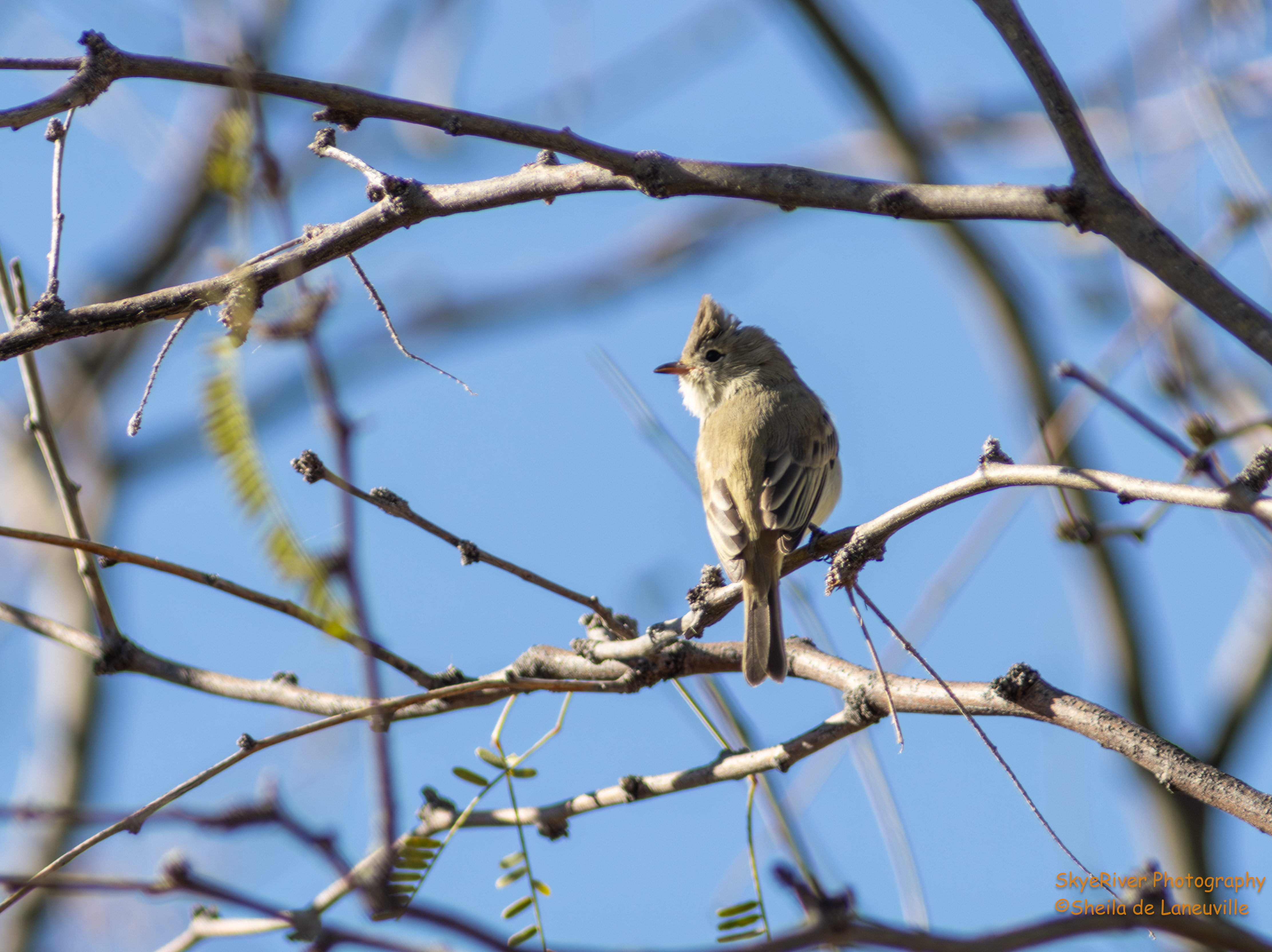
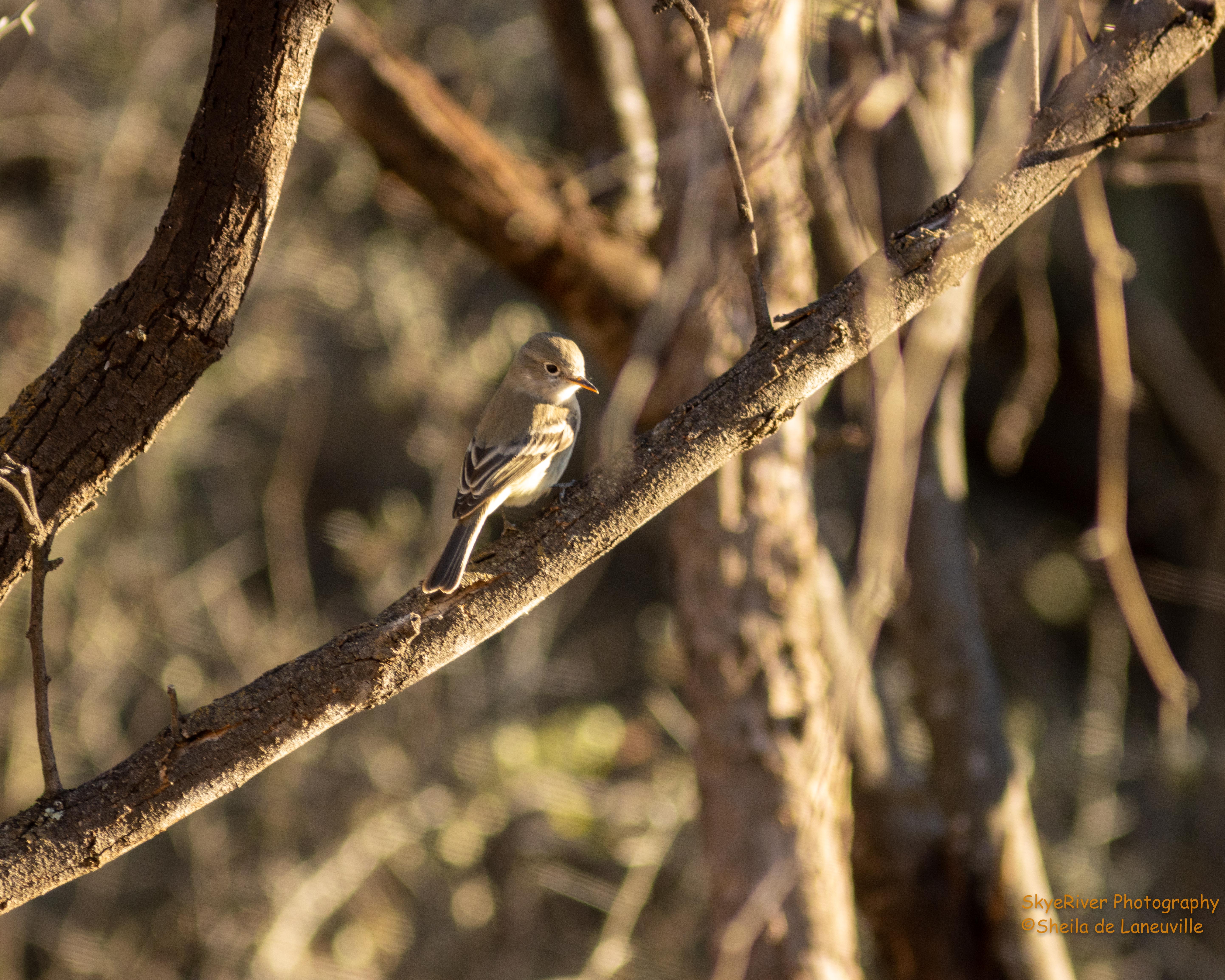
~Northern Beardless-Tyannulet
We camped at Patagonia Lake State Park for two weeks recently. This wasn’t our first stay, in fact we have camped in this beautiful, arid area many times. If you enjoying being in a dry desert environment then you would like Patagonia Lake.
The park is well known for its birding trails, and the number of different species that are attracted to the area. Birders from all over the world are attracted to this area in hopes of sighting a new bird to add to their birding list. Patagonia Lake is also a big attraction for people, that love fishing and boating. Patagonia Lake State Park is located between Patagonia and Nogales, AZ.
Of all places to see a new bird. It was flitting around the mesquite trees near the Gift Shop in the RV campground. This tiny flycatcher is known to hang out in riparian stands of mesquite trees mixed with cottonwoods, sycamores or oats. I was truly lucky to see this tiny bird, because its range is Mexico and the lower south western areas of Arizona and Texas.
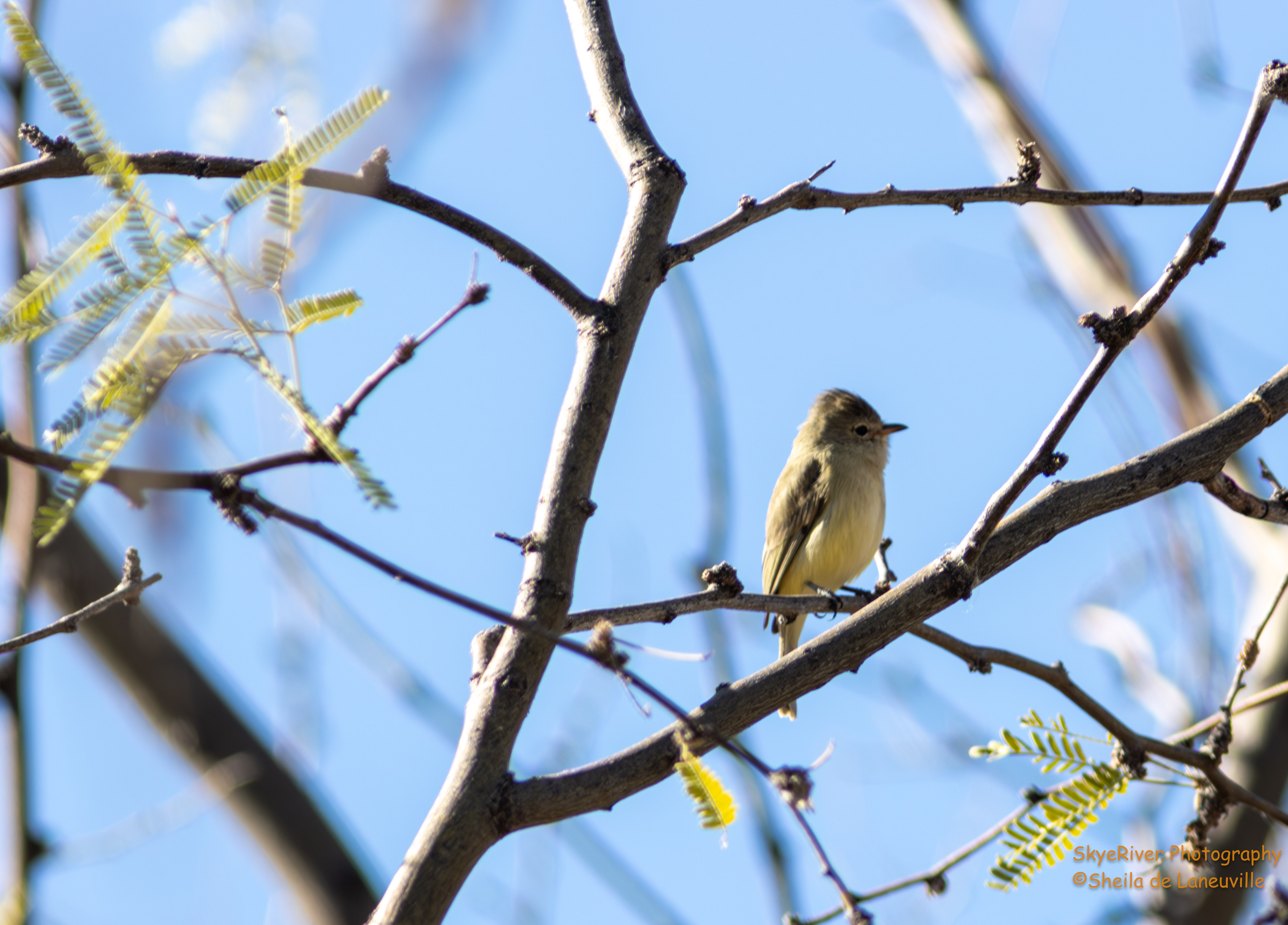
I’am happy to add number 430 to my Birding Life List.
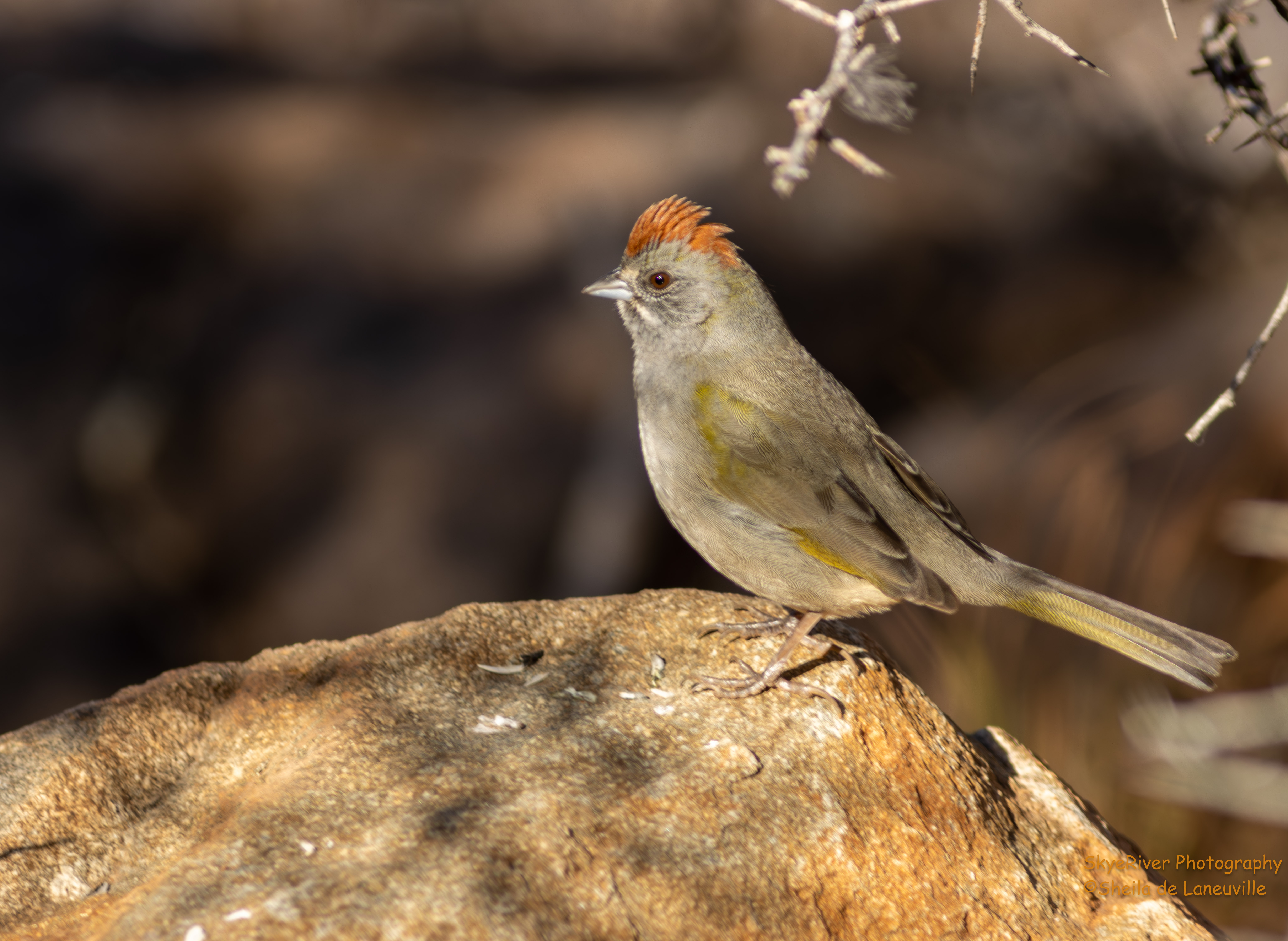
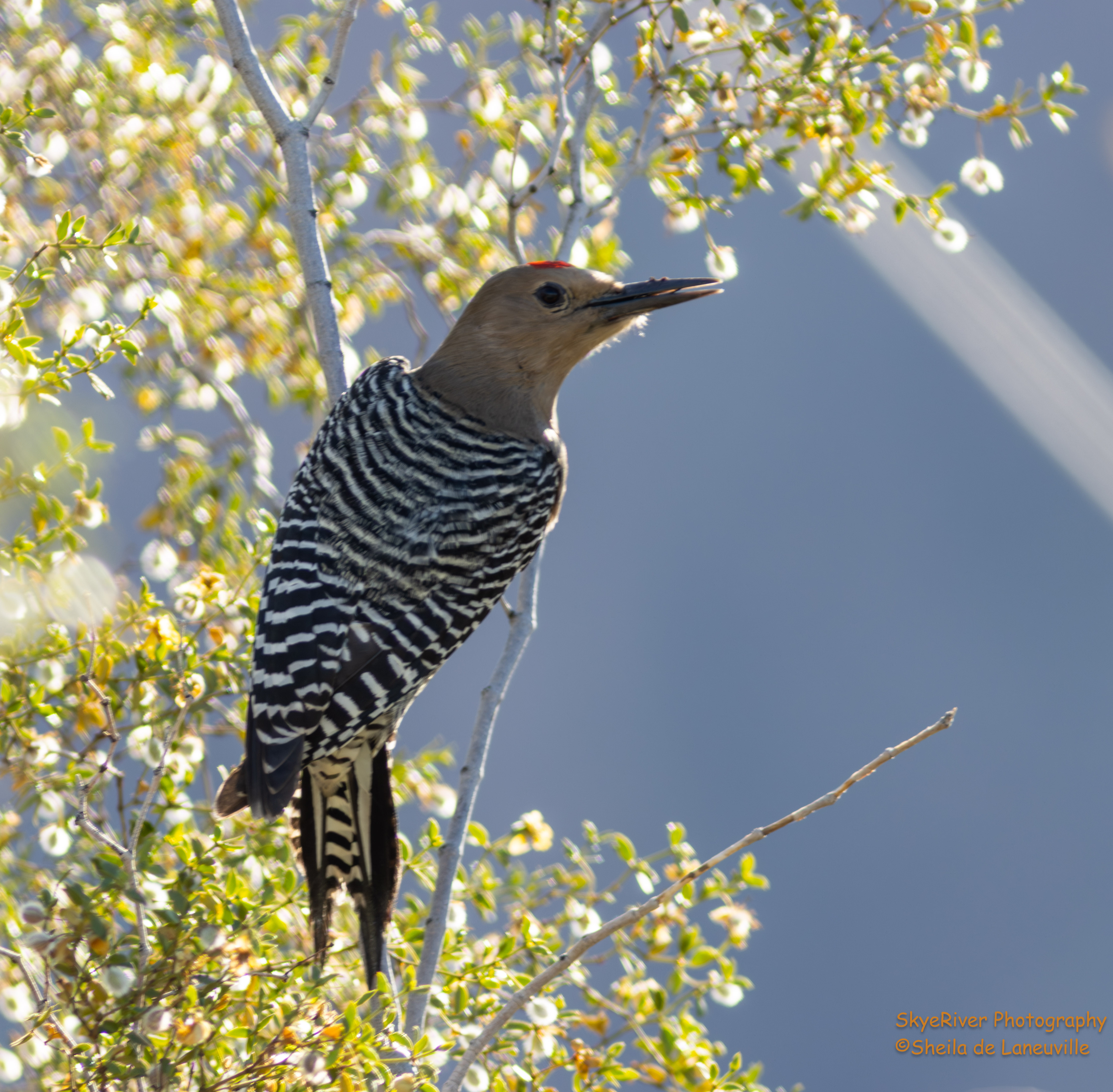 Gila Woodpecker.
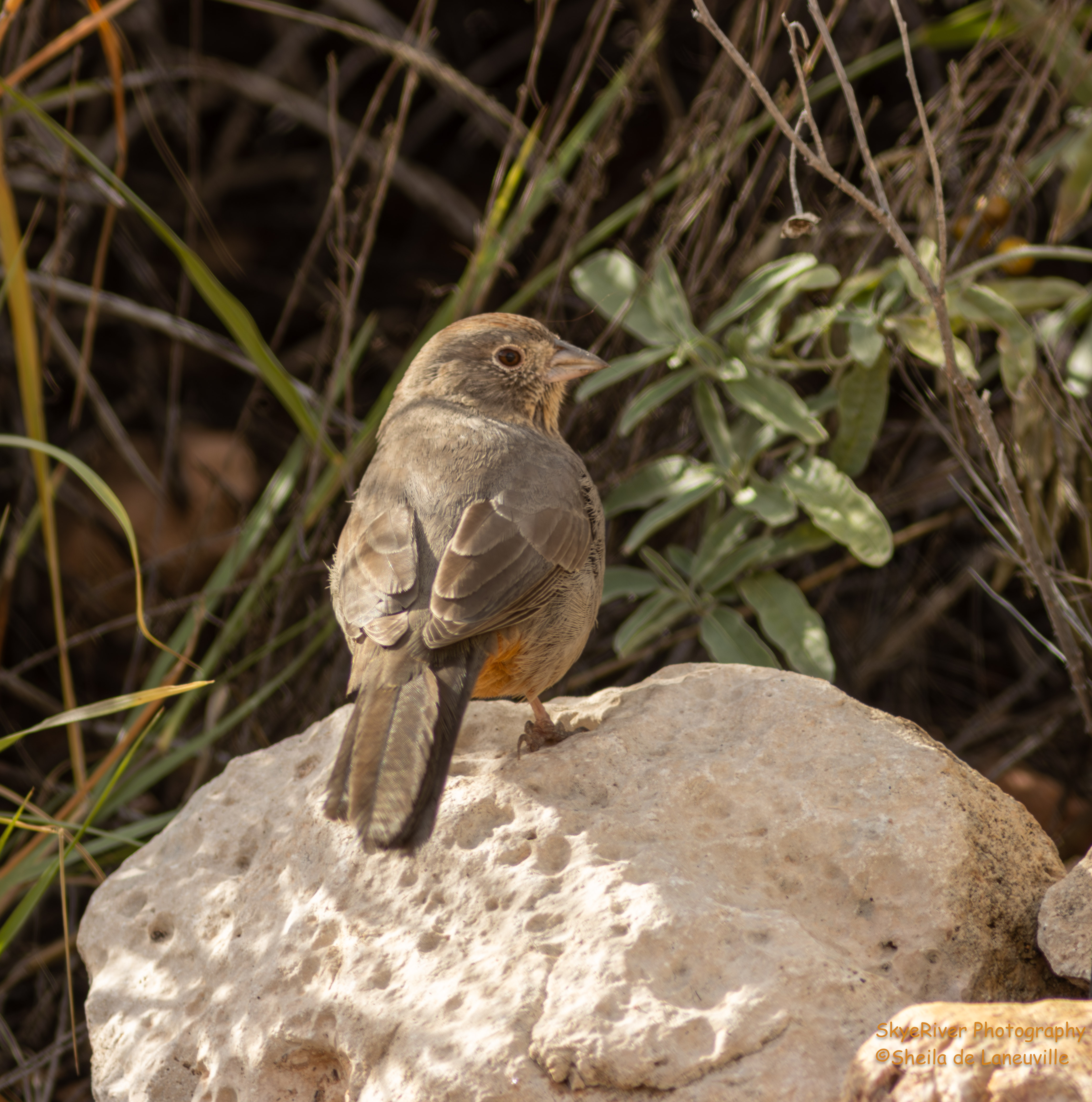 Abert’s Towhee.
Patagonia Lake State Park – January 2021
~Gray Flycatcher – Number 405
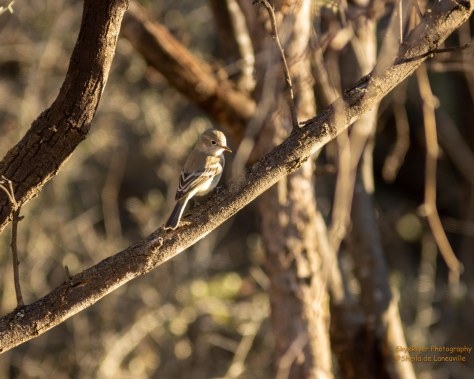
I posted this photo on What Bird to get an ID and gracious people answered! It was a great surprise to be able to add a new bird to my Life List.
The bird in the Header is a Hermit Thrush.
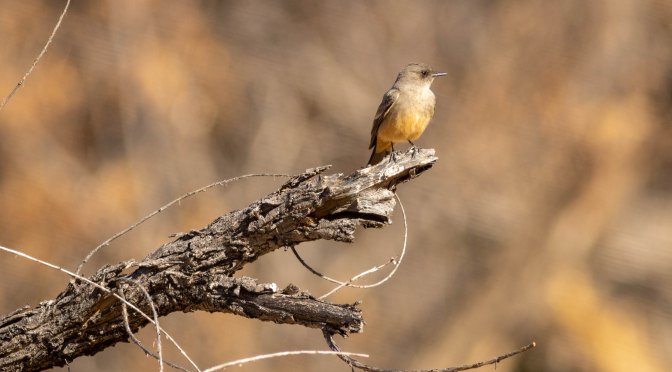
December 2020 – Patagonia Lake State Park


Habitat
Say’s phoebe is a passerine bird in the tyrant flycatcher family. A common bird in the western United States, it prefers dry, desolate areas.
Behavior
Like other phoebes, Say’s Phoebes bob their tails. They perch on low shrubs or rocks and dart out to grab prey from the air, the foliage, or the ground. They can often be seen hovering low over fields looking for prey.
Diet
Say’s Phoebes’ primary diet is insects. They eat a number of terrestrial insects as well as the typical flying variety.
Fun Facts
-
The Say’s Phoebe breeds farther north than any other flycatcher, seemingly limited only by the lack of nest sites.
-
The numbers of this bird are declining, probably due to loss of habitat in its winter range. 😦
-
This bird was named for Thomas Say, the American naturalist.
-
A group of flycatchers has many collective nouns, including an “outfield”, “swatting”, “zapper”, and “zipper” of flycatchers.
I have a great time photographing the Say’s. It is amazing how close they let me get to them. I believe they are so focused on their prey they just ignore everything else.
Happy Birding
Enjoying retirement: On The Road & At Home


 Wolf Song Blog