I have a passion for the outdoors and I am most happy enjoying what nature has to offer. Hobbies include photography, birding, Pickleball, astronomy, biking, and hiking. I have been happily married, for 50 years, to an amazing person.
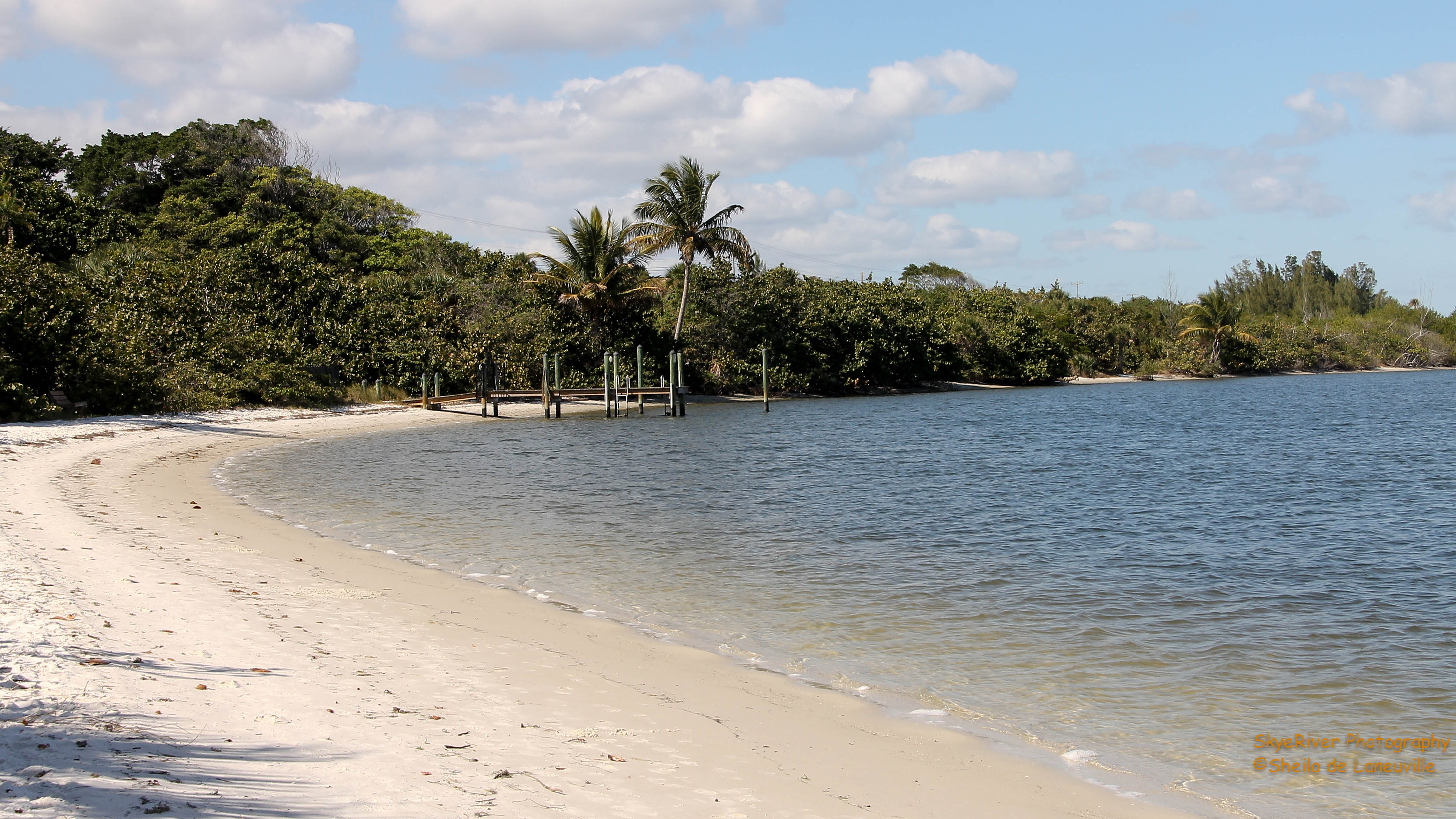
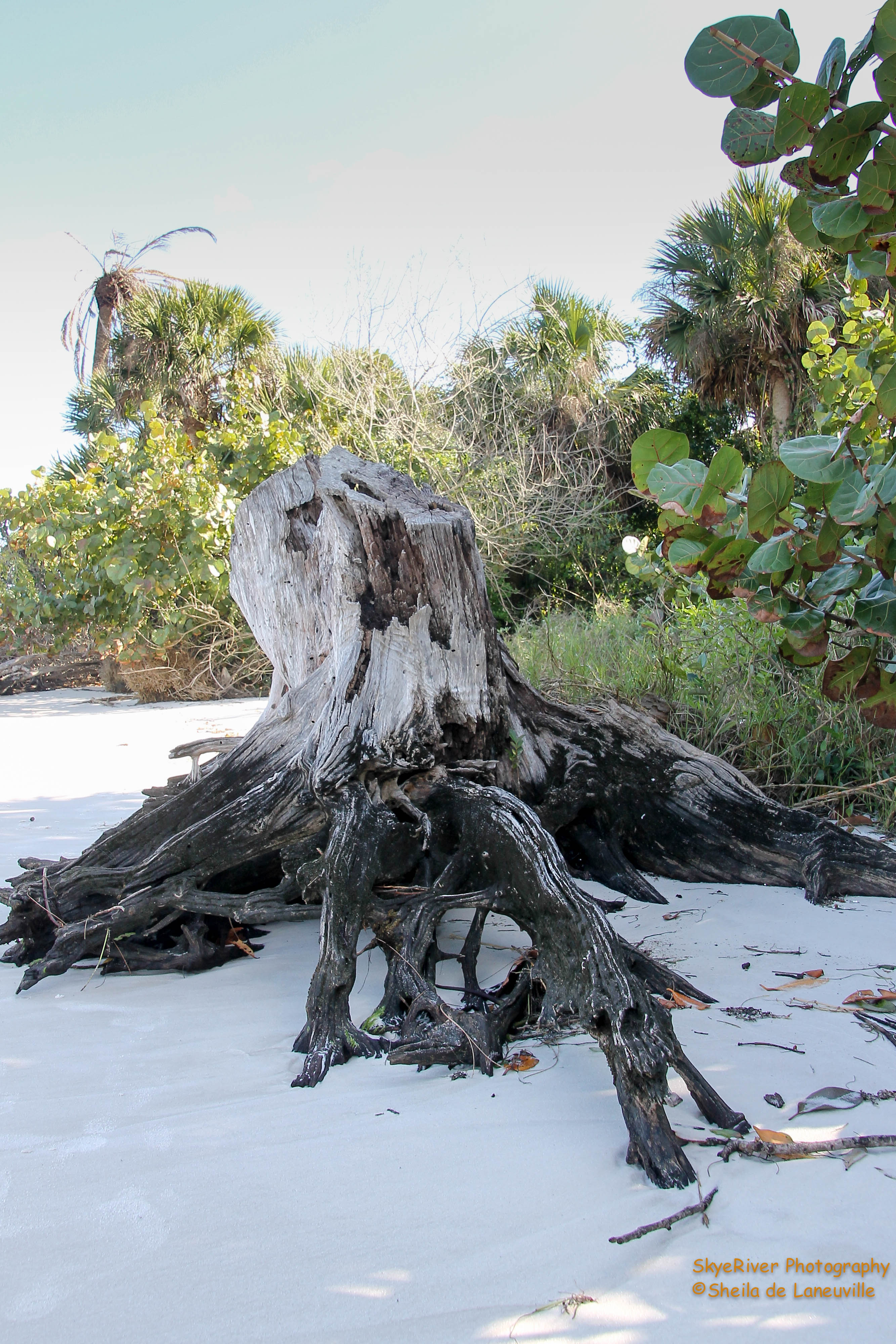
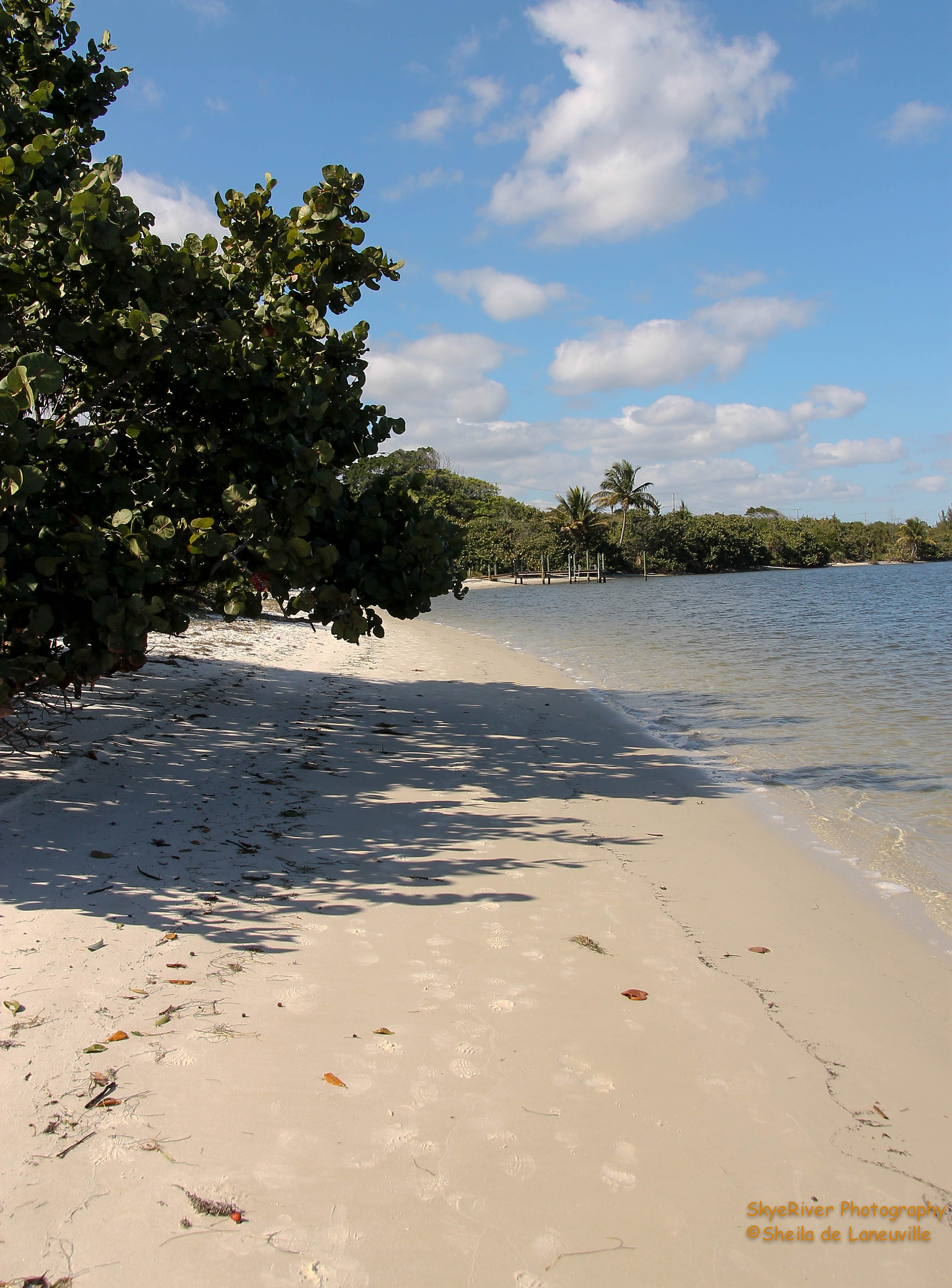
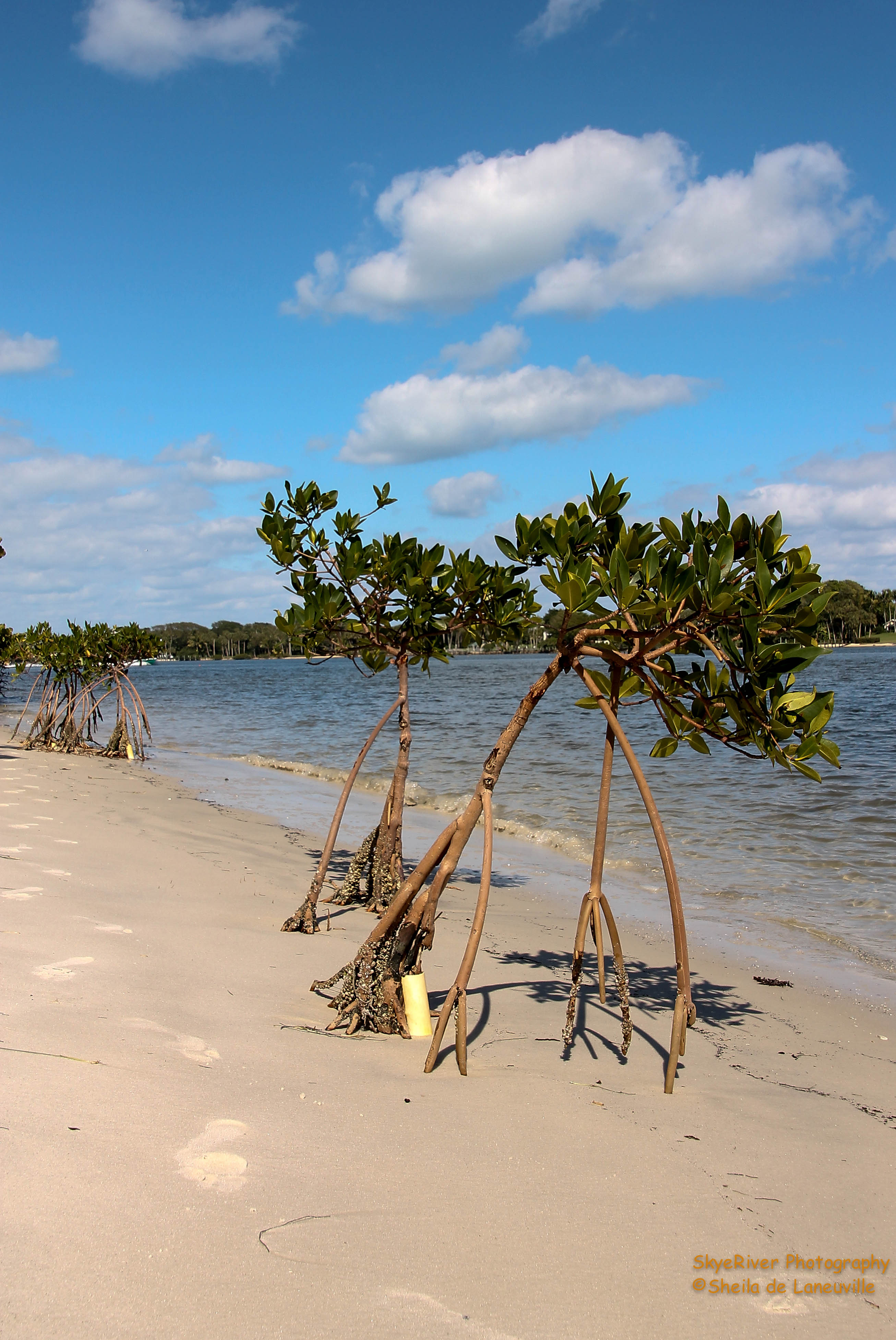
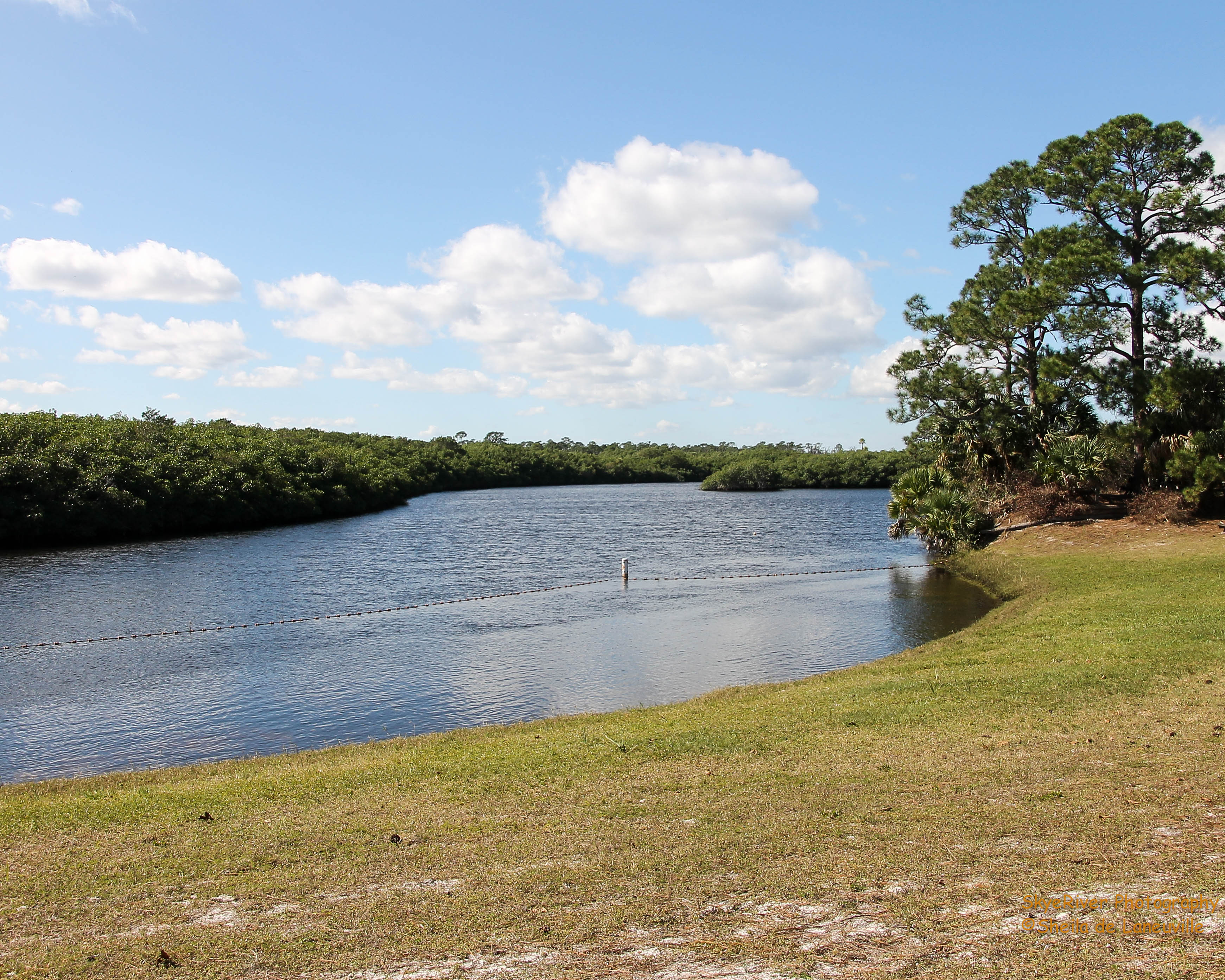
SereneDriftwoodBeach located on the Intracoastal Canal in Hobe Sound, FloridaMangroves on the BeachHobe Sound Wildlife Refuge located right on the Intracoastal Canal
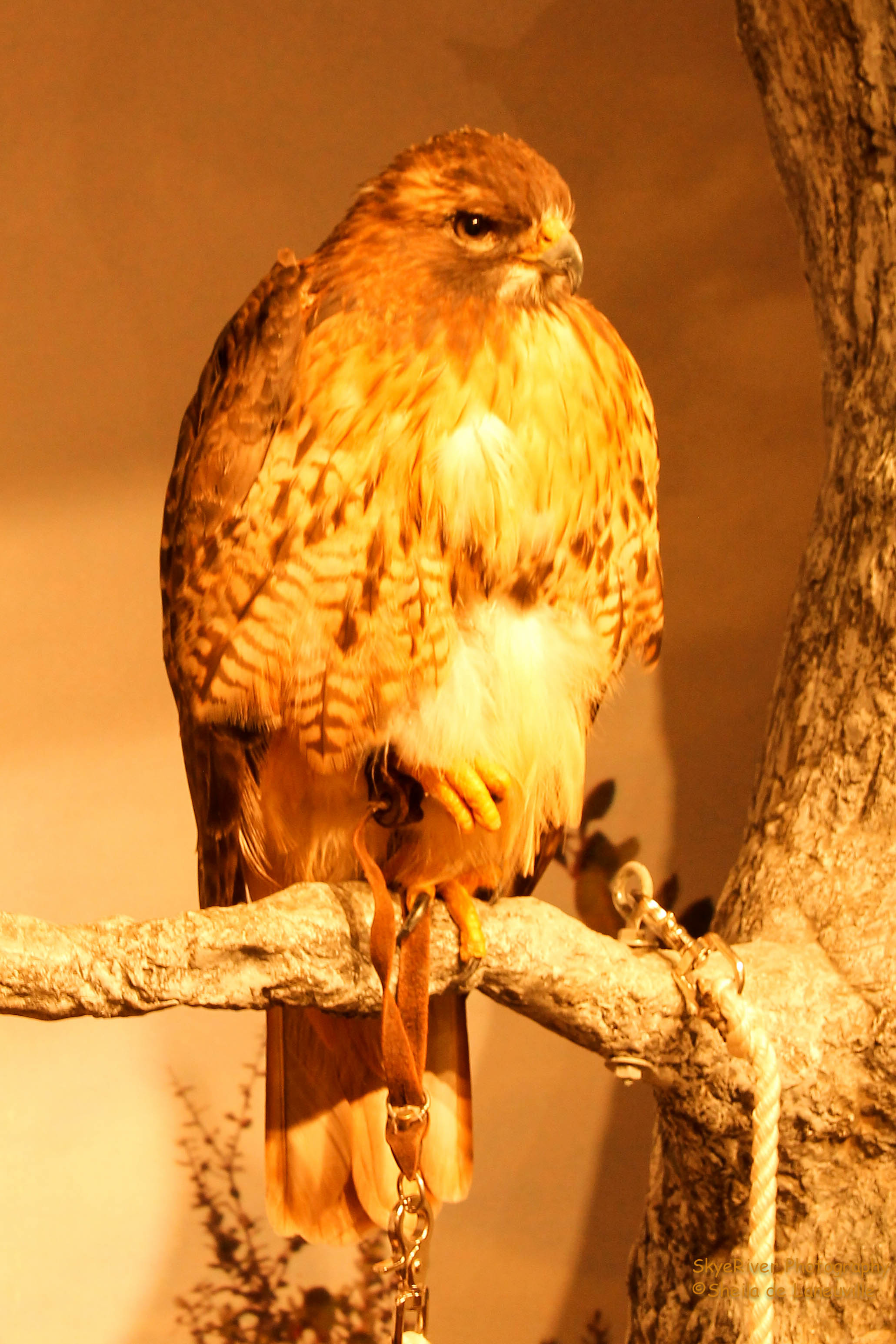
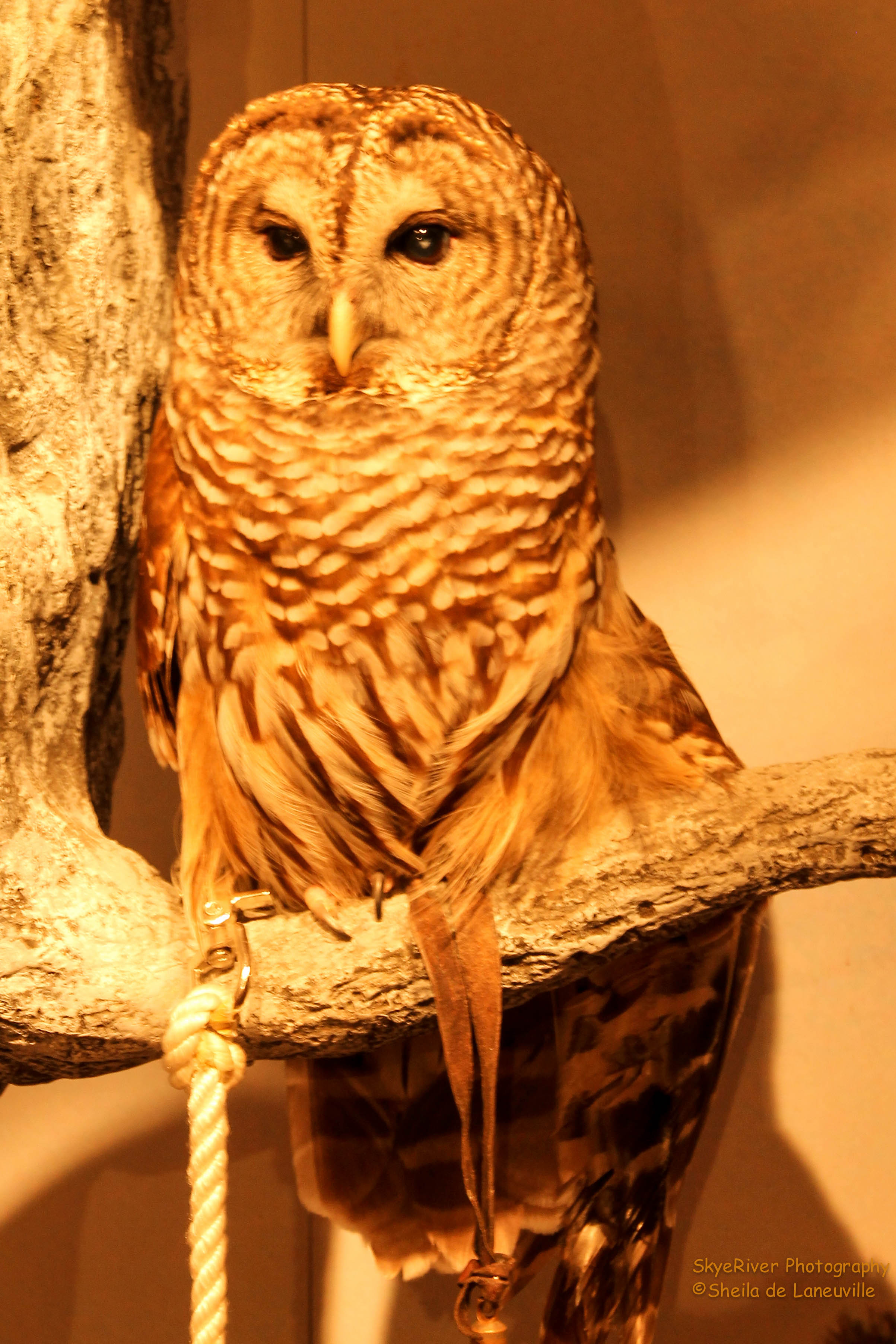
We visited the Hobe Sound Wildlife Refuge and Nature Center, which is located about two miles from Jonathan Dickinson State Park. We hiked the trails, walked on the beach and toured the Nature Center. We observed a Bald Eagle, Osprey and other birds. Here are two full time residents. I wasn’t able to learn exactly what happened to these two beauties, because the person that cares for them at the center was out of the building. It appears they might have broken wings.
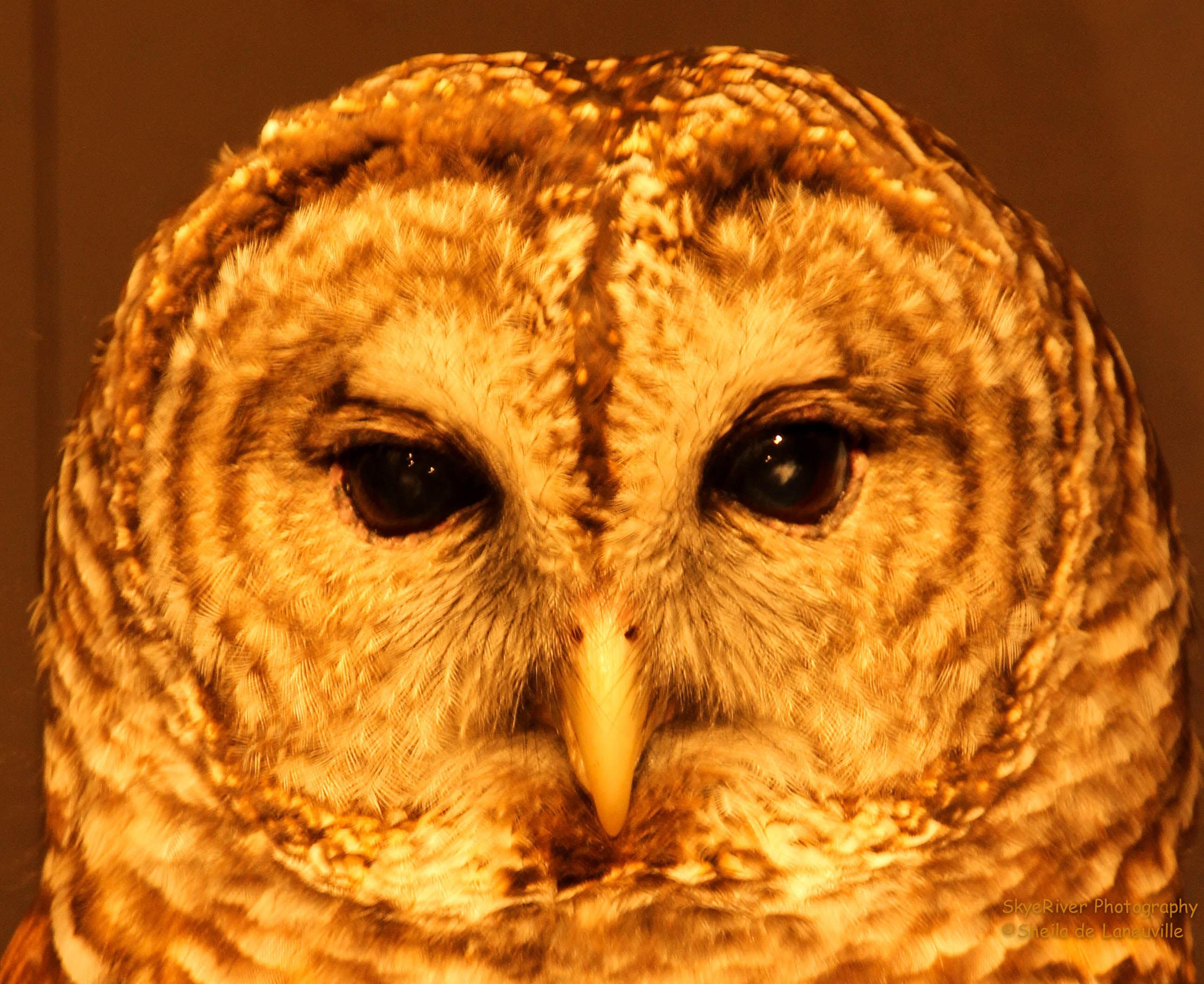
Red-tail HawkBarred Owl. One day I hope to see this beautiful owl in the wild. I don’t know how long I stood there looking at these two.
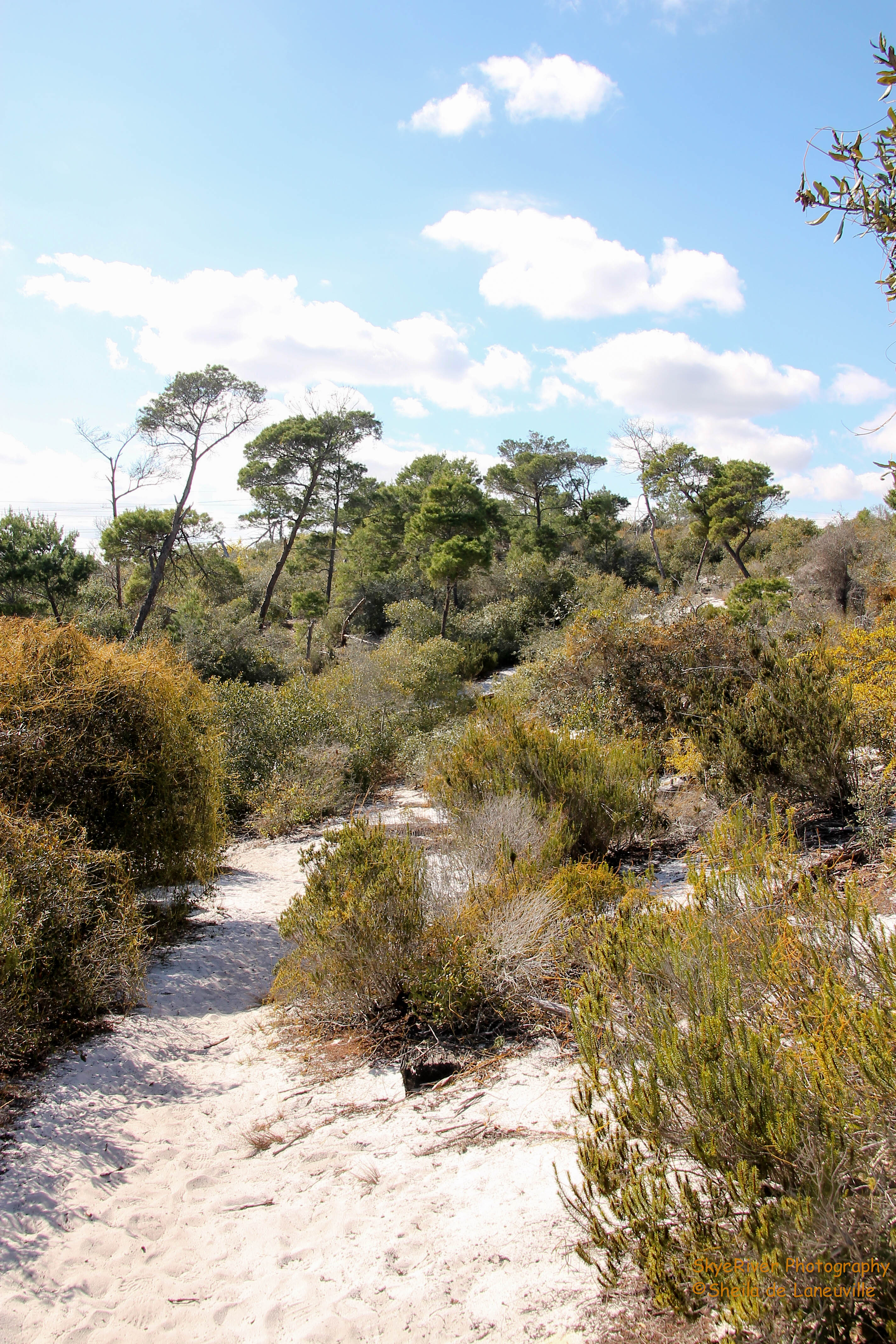
Hobe Sound National Wildlife Refuge, was established September 30, 1969. It is a coastal refuge bisected by the Indian River Lagoon into two separate tracts of land totaling over 1000 acres. The 735 acre Jupiter Island tract provides some of the most productive sea turtle nesting habitat in the United States, and the 300 acre sand pine scrub mainland tract is valued because more than 90 percent of this community type has been lost to development in Florida. Sand pine scrub habitat is restricted only to Florida and an adjacent county in Alabama.
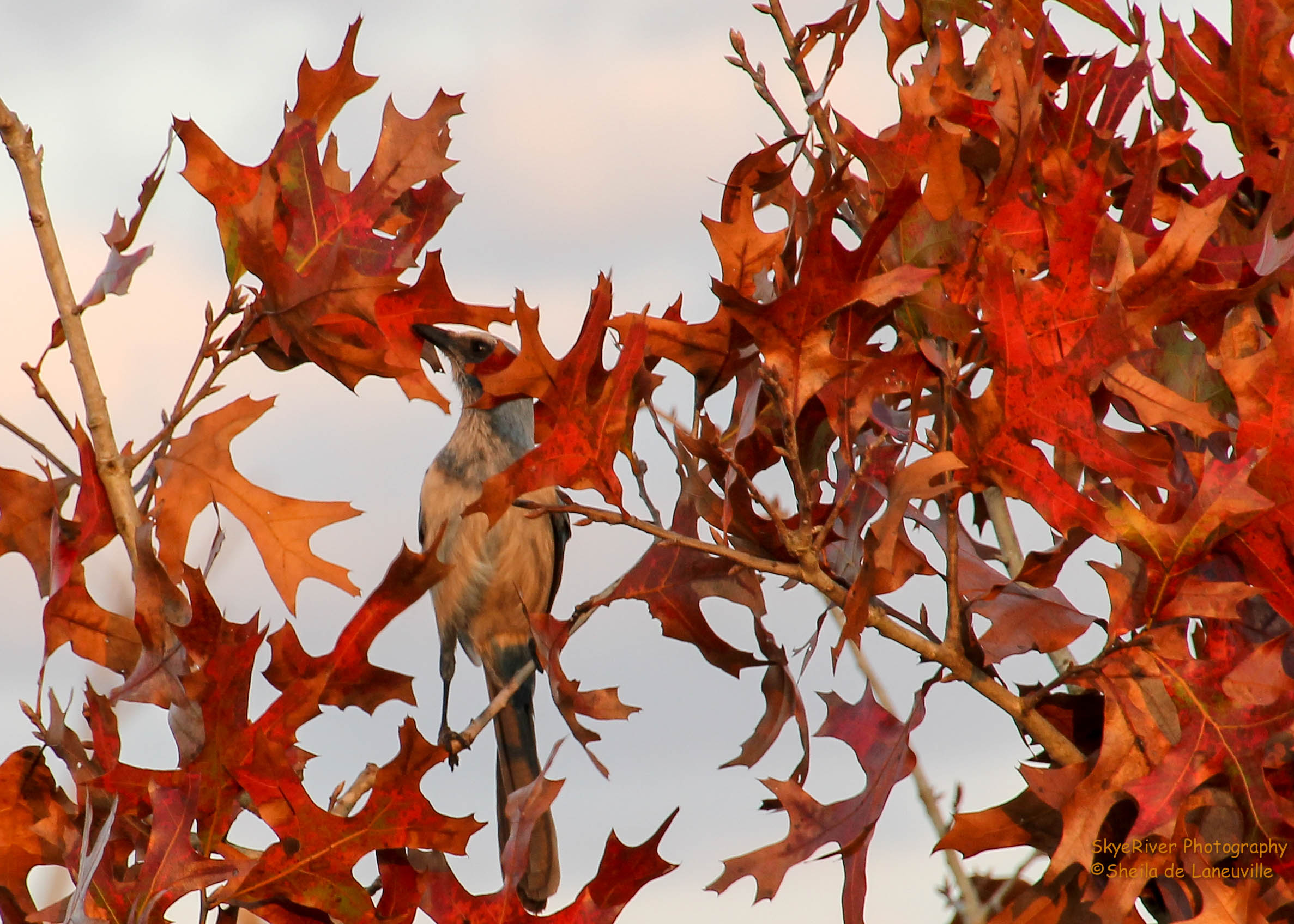
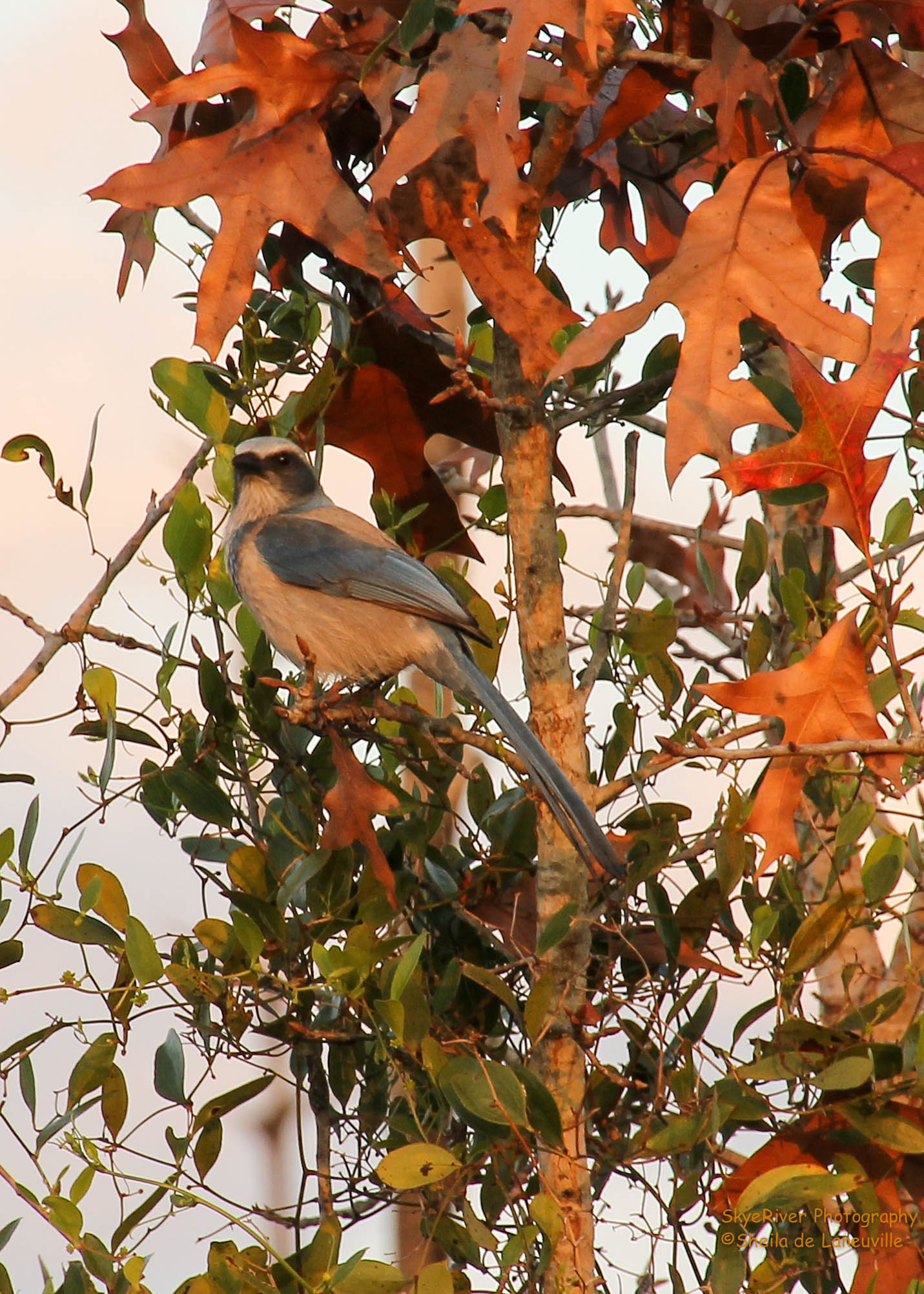
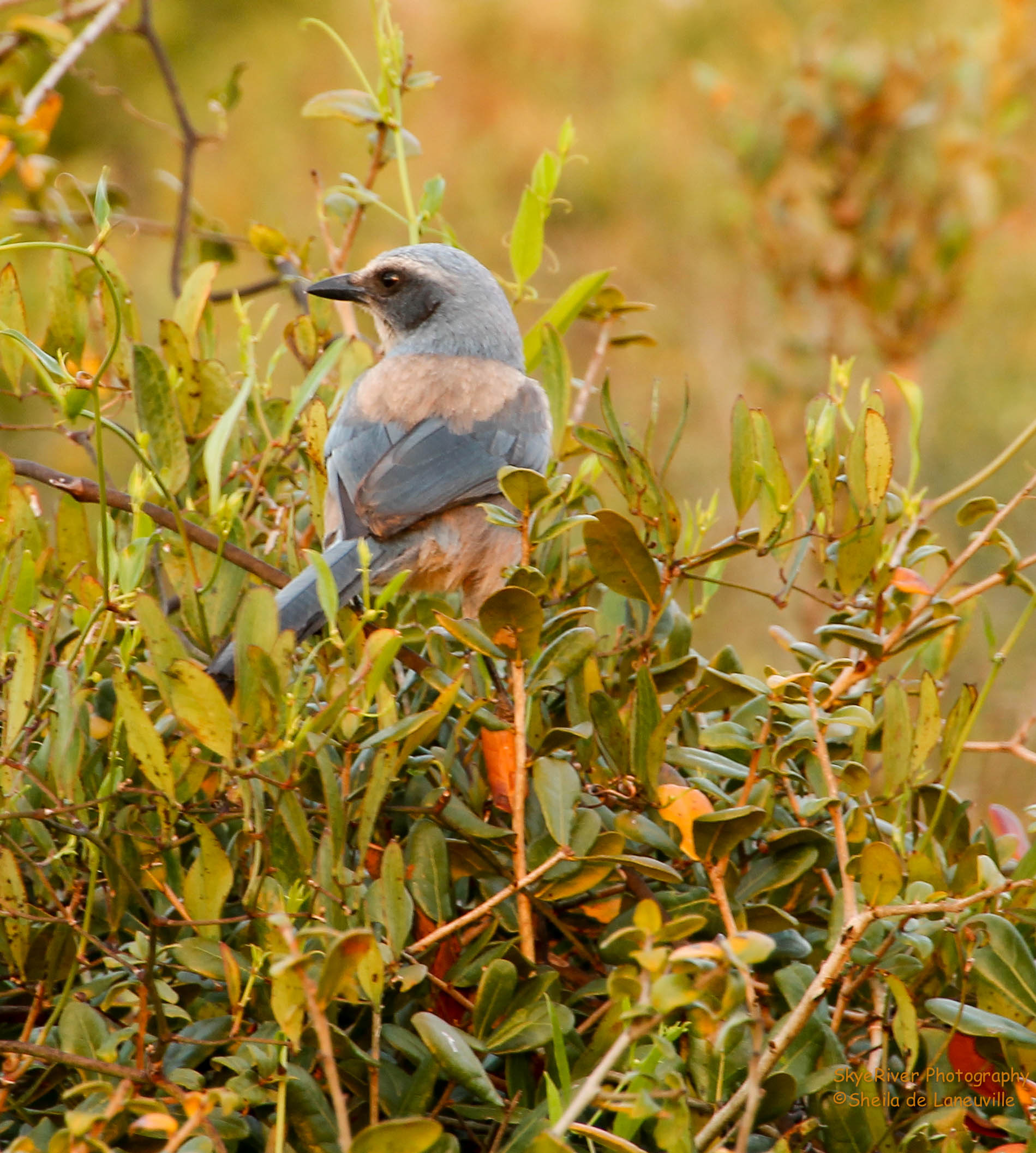
On a late evening stroll in Jonathan Dickinson State Park we spotted several Florida Scrub Jays. The evening light was nice and the birds were so busy searching for food they “sorta” ignored me. I wish I could have gotten closer, but they were in the shrubs well off the walking path. I noticed some were banded and at least one didn’t seem to have a band.
Florida Scrub JayFlorida Scrub JayFlorida Scrub JayFlorida Scrub Jay
The Florida scrub jay is one of the species of scrub jay native to North America. It is the only species of bird endemic to the U.S. state of Florida and one of only 15 species endemic to the United States. Because of this, it is heavily sought by birders who travel from across the country to observe this unique species. It is known to have been present in Florida as a distinct species for at least 2 million years, and is possibly derived from the ancestors of Woodhouse’s scrub jay, the inland forms of the western scrub jay. (2-wikipedia)
Relic Florida sand dunes left over from a time when sea levels were much higher are the only place in the world where you can find Florida scrub habitat. This extreme habitat born of the sea and maintained by fire is the only home of the Florida Scrub-Jay. Unfortunately, high, dry and well-drained land is prime habitat for housing subdivisions and orange groves too, and little scrub remains for the jays. The scrub still in existence has been fragmented, and as a result has not enjoyed the renewing effects of fire which keep the habitat healthy. As a result, scrub-jay habitat and scrub-jay numbers are dwindling.
The Florida Scrub-Jay was classified as a Threatened species by the state in 1975, and by the federal government in 1987, but these designations have failed to halt the population decline. By 1993, Florida Scrub-jay populations had declined an estimated 90%, to about 10,000 individuals. Since then, further, severe declines have been documented in some Scrub-jay populations in Brevard County and elsewhere. (1-Audubon)
To learn more about the Florida Scrub Jay go here:
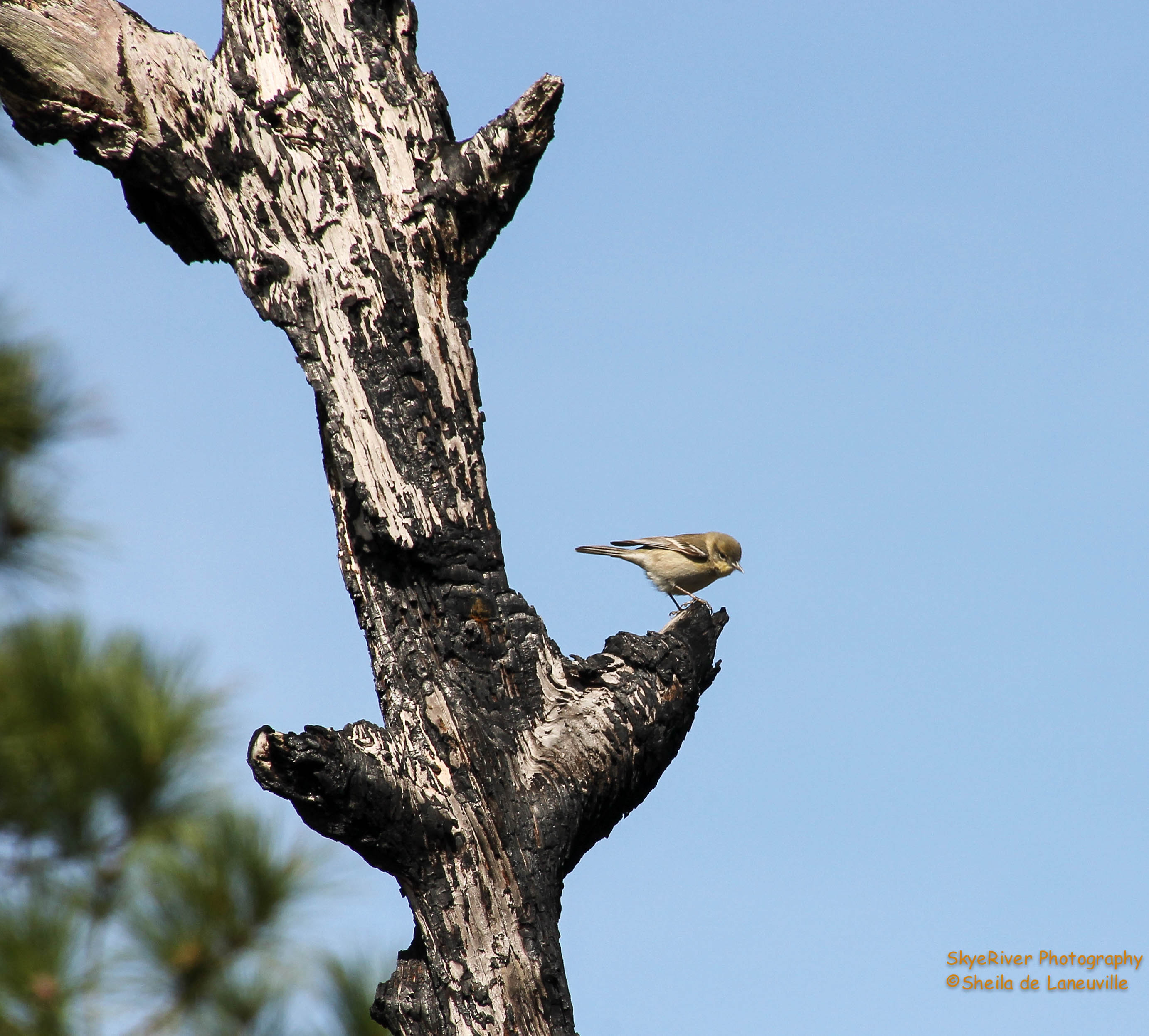
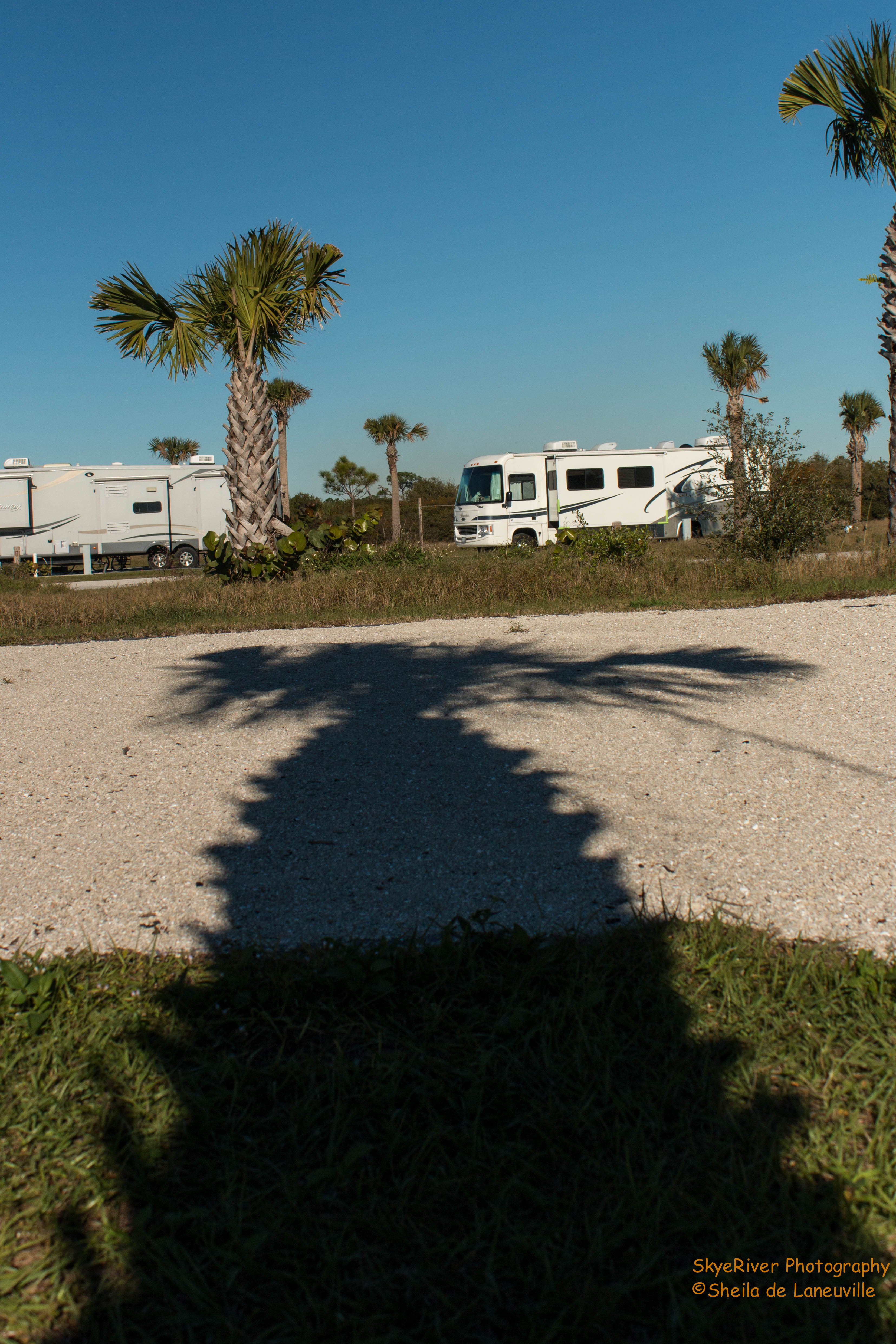
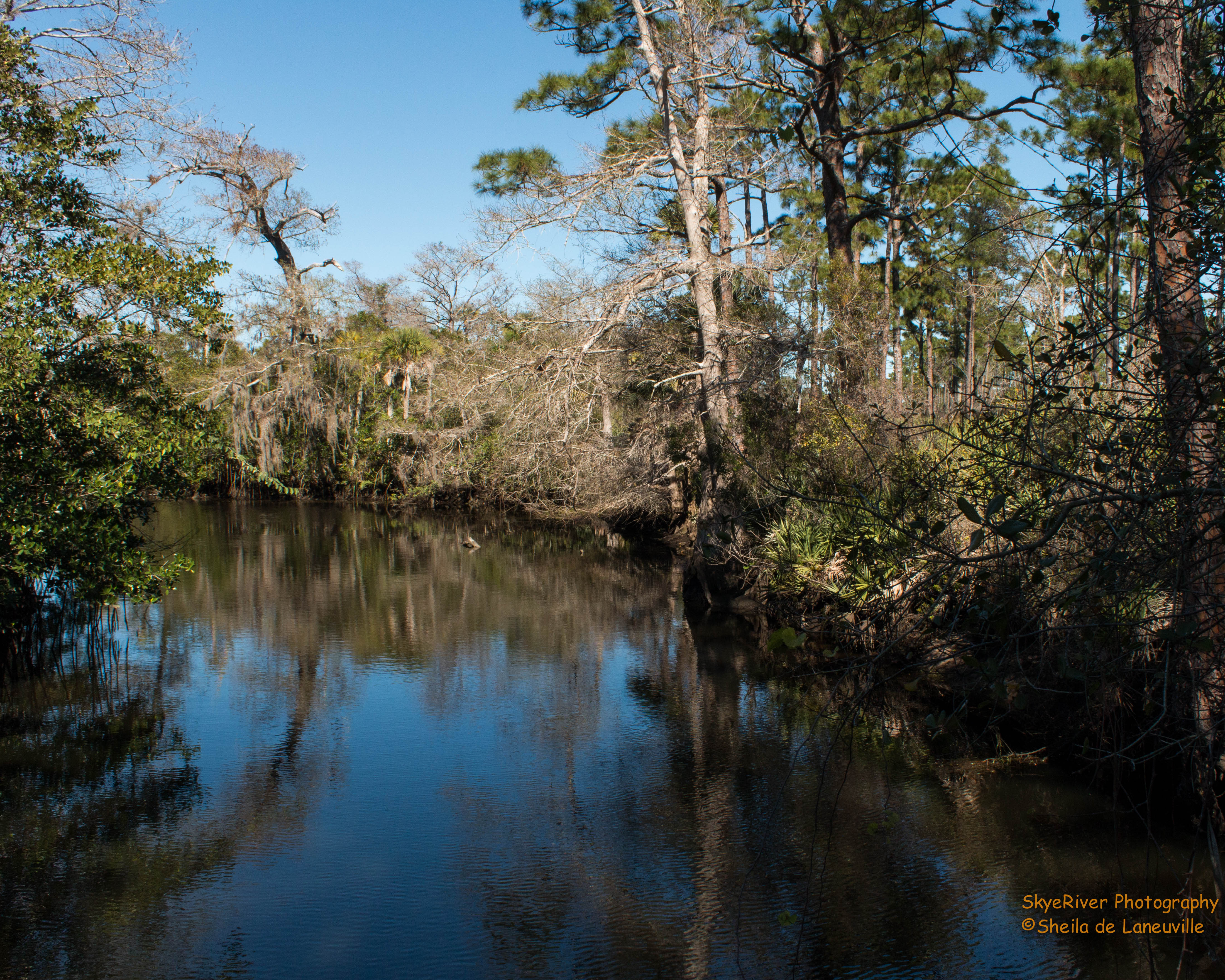
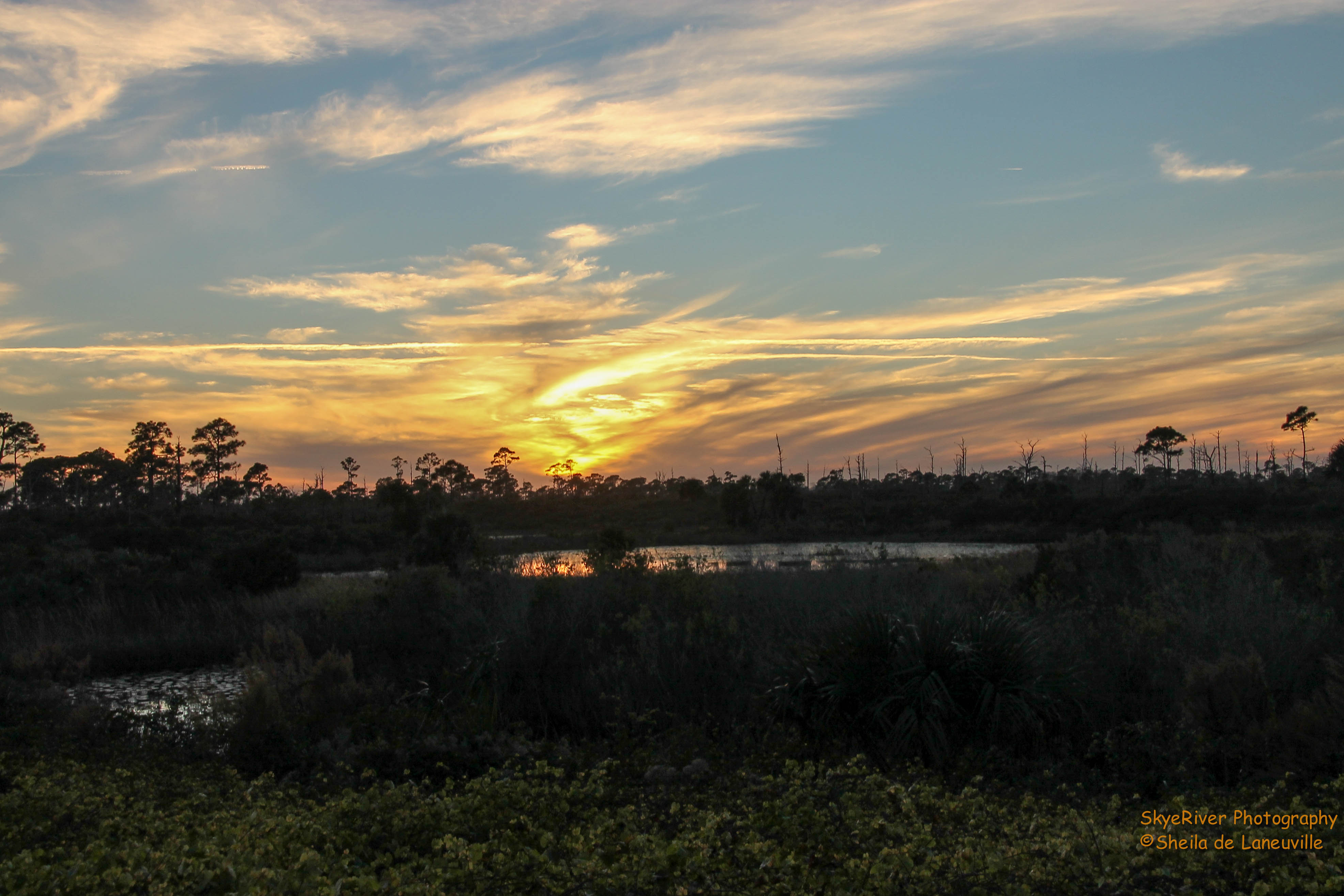
A few photos taken at Jonathan Dickinson State Park, Hobe Sound, Florida
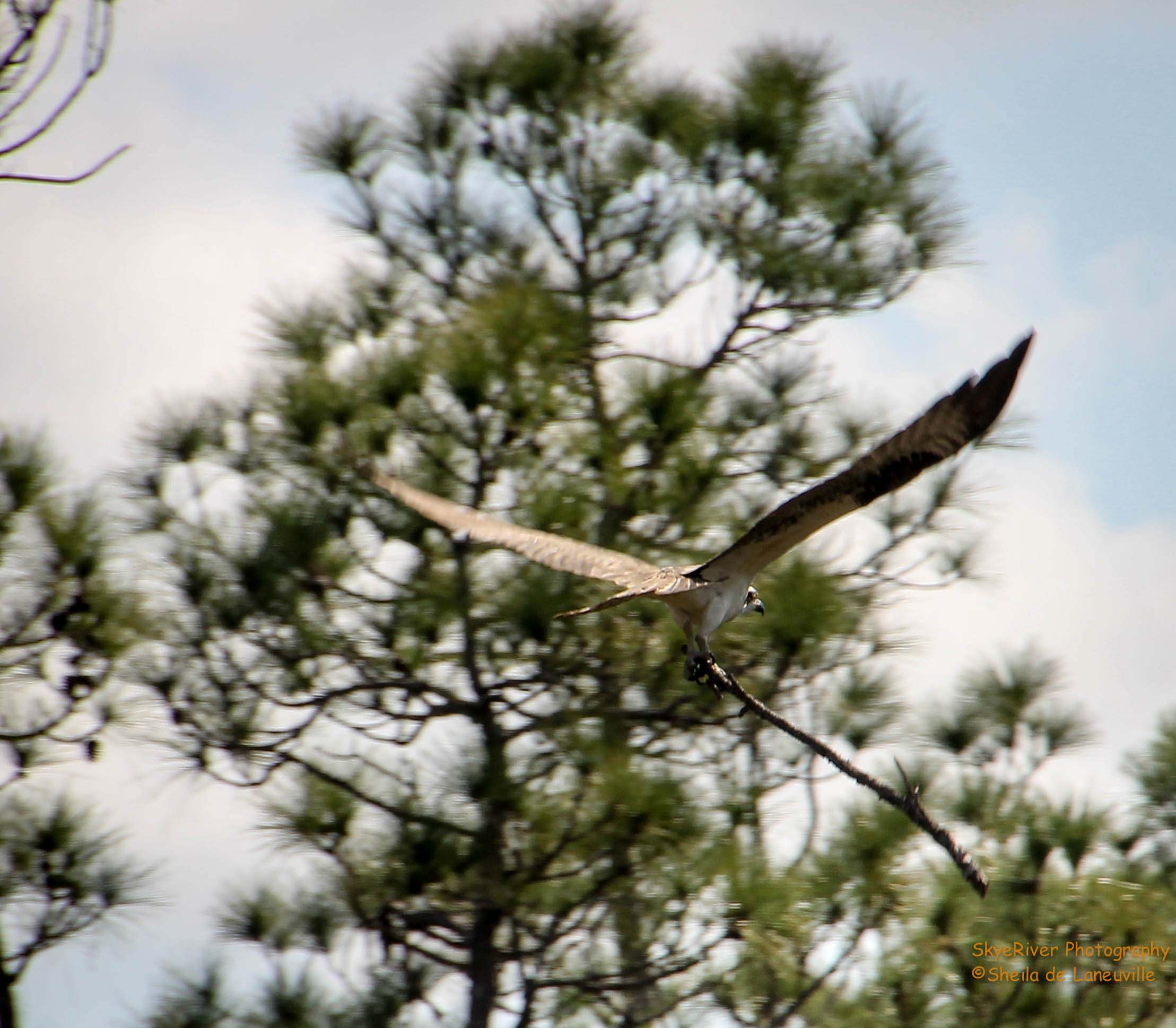
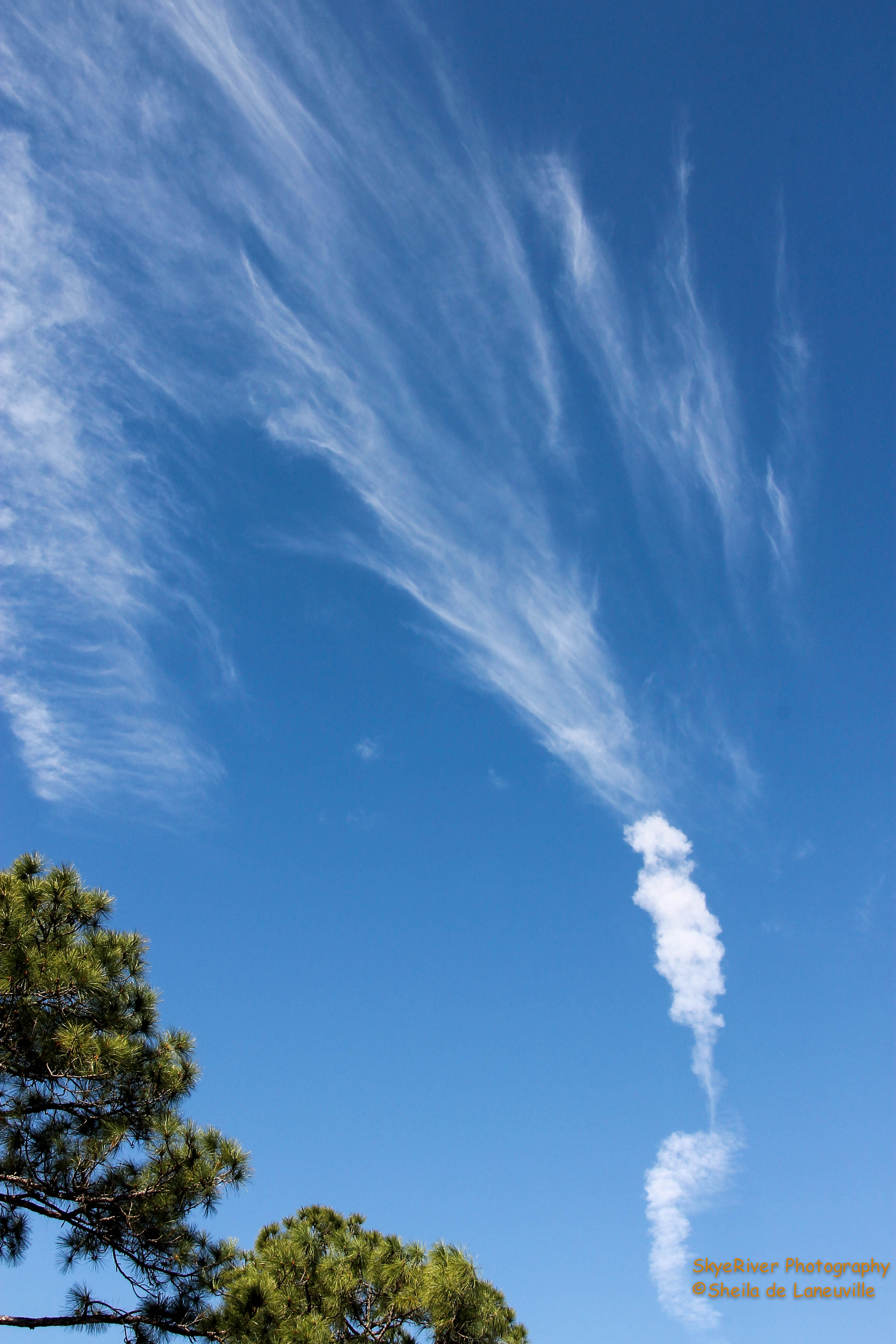
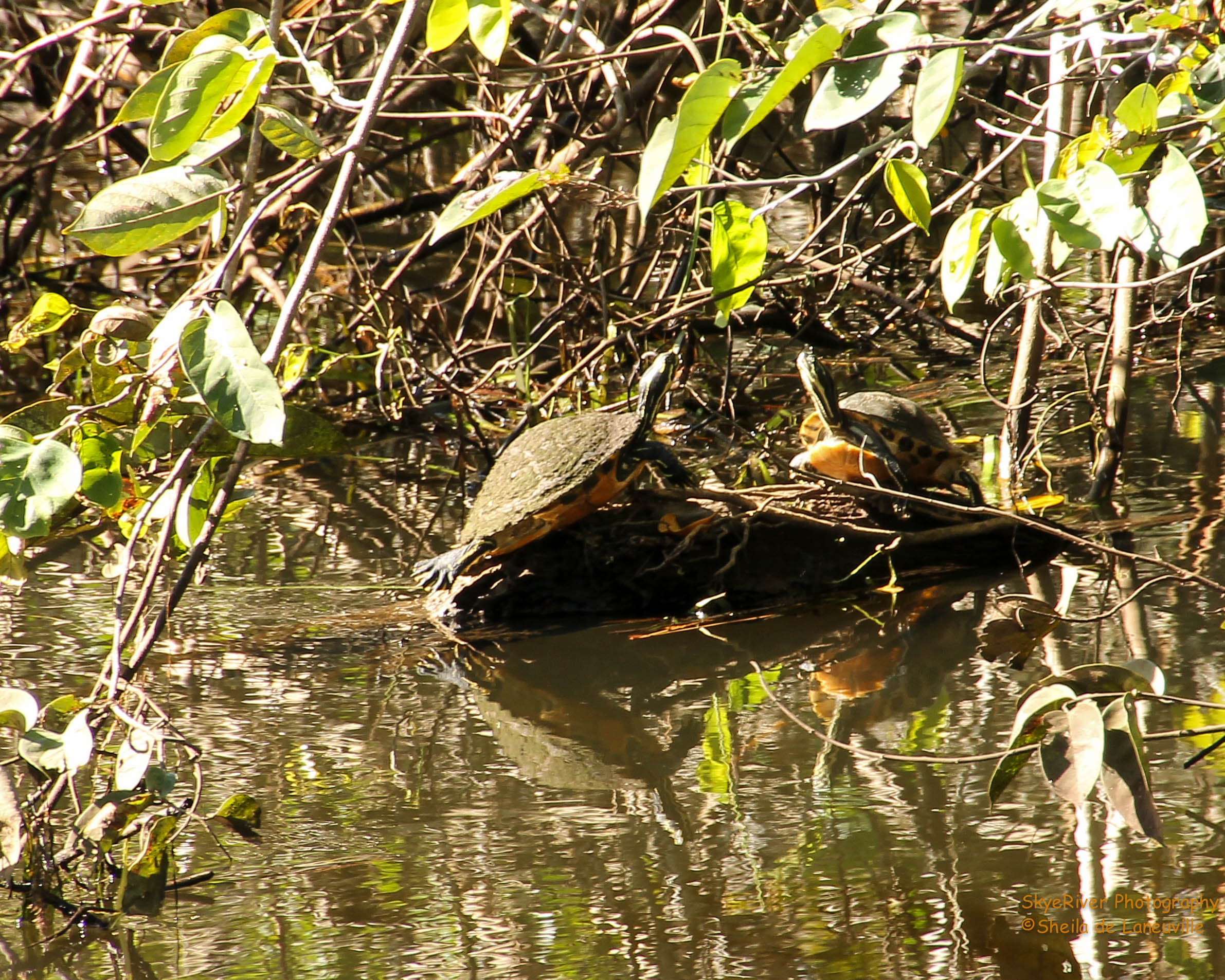
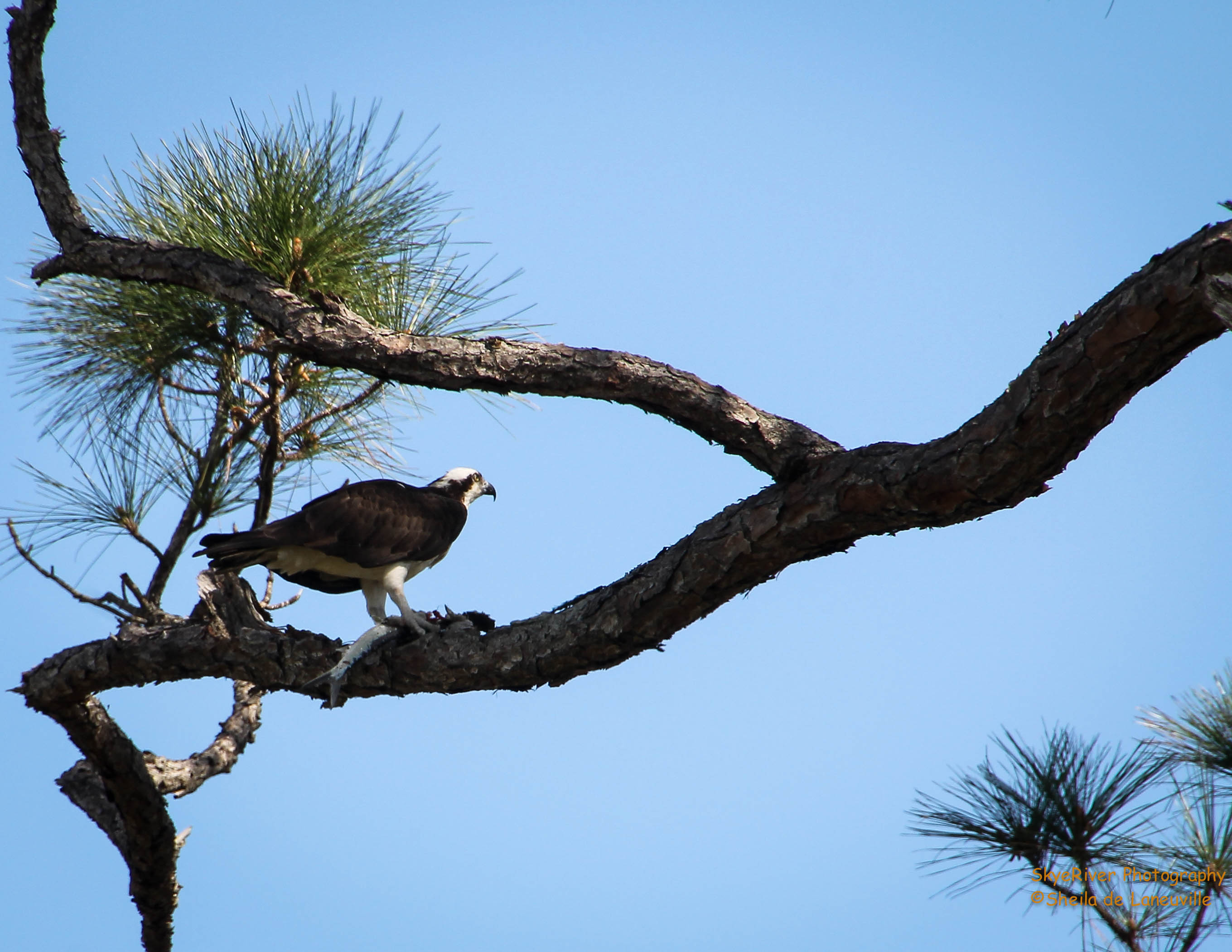
Pine Warbler searching for bugs in a scarred treeA Palm Shaddow stalks our siteLoxahatchee RiverSwim, Canoe, Kayak, Fish, Boat, in the Loxahatchee River“What do you see when you look at this cloud formation?”Morning DiscussionAn Osprey enjoying a snack





 Wolf Song Blog