We camped at Patagonia Lake State Park for two weeks recently. This wasn’t our first stay, in fact we have camped in this beautiful, arid area many times. If you enjoying being in a dry desert environment then you would like Patagonia Lake.
The park is well known for its birding trails, and the number of different species that are attracted to the area. Birders from all over the world are attracted to this area in hopes of sighting a new bird to add to their birding list. Patagonia Lake is also a big attraction for people, that love fishing and boating. Patagonia Lake State Park is located between Patagonia and Nogales, AZ.
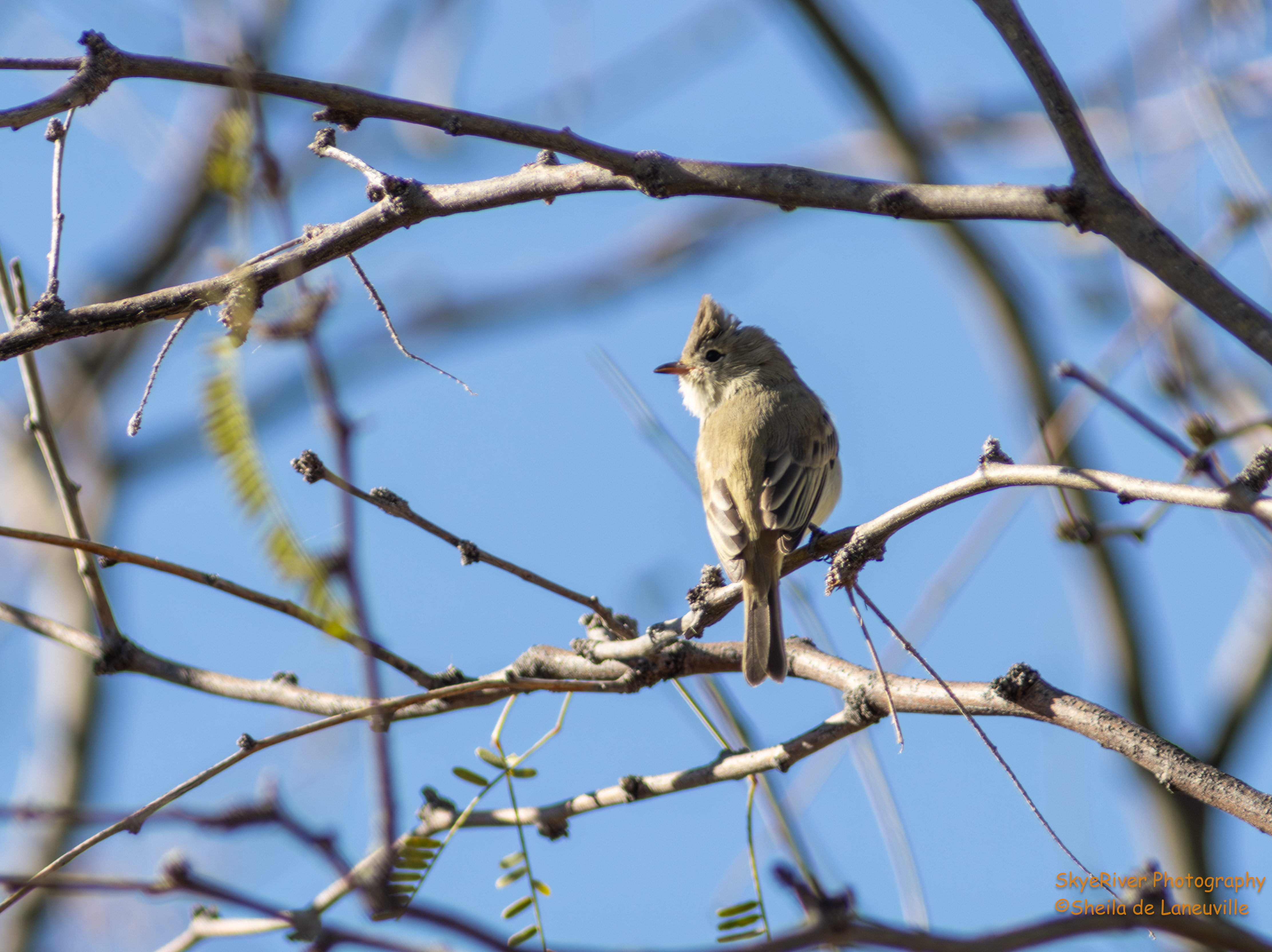
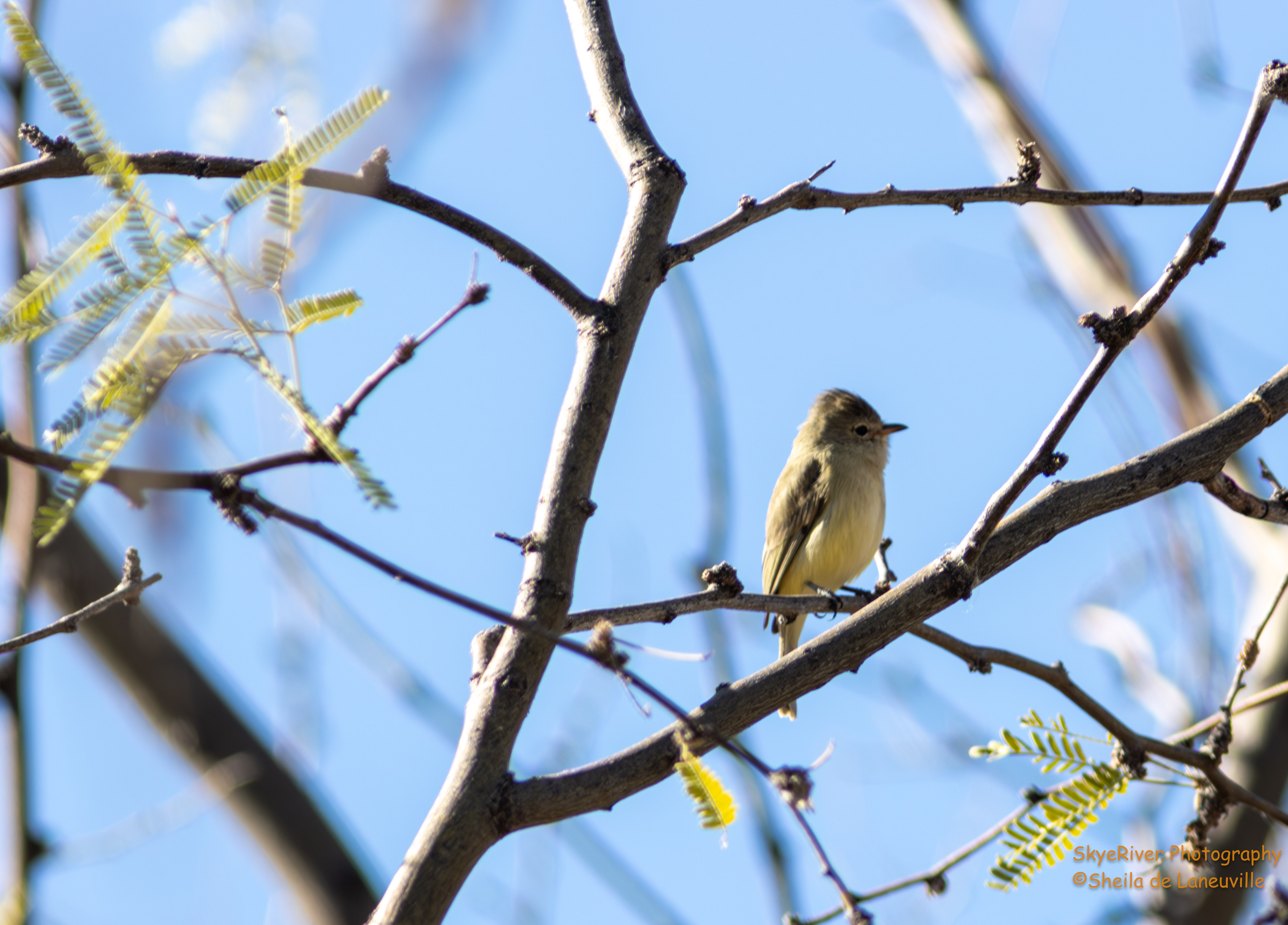
Of all places to see a new bird. It was flitting around the mesquite trees near the Gift Shop in the RV campground. This tiny flycatcher is known to hang out in riparian stands of mesquite trees mixed with cottonwoods, sycamores or oats. I was truly lucky to see this tiny bird, because its range is Mexico and the lower south western areas of Arizona and Texas.
I’am happy to add number 430 to my Birding Life List.
I took these photos back in 01/2024 at Patagonia Lake State Park. I don’t believe I have shared them.
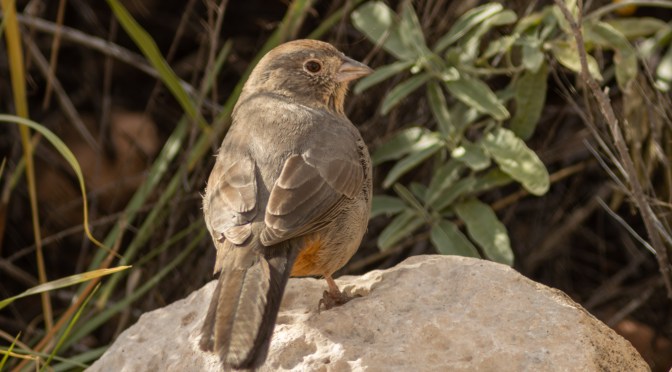
I love Towhees. This Green-tailed Towhee is such a beautiful bird with its white throat, distinct rufous head to its olive green wings, back and tail. It’s one of the smallest Towhees with a huge personality.
They are very secretive, so when this one popped up on this rock I was thrilled. Like most Towhees you find them hidden under scrubs while scratching for food on the ground. They prefer shrubby habitats like sagebrush, mountain mahogany and mixed shrublands. They eat seeds, berries and insects.
This photo shows its rufous colored head.
The Pyrrhuloxia is a red and grayish bird that looks similar to the Northern Cardinal. Sometimes it is referred to as the “desert cardinal”. The Pyrrhuloxia has a beauty all its own with its red face, chest and tail. It prefers arid environments like deserts, mesquite thickets and scrublands. They like to eat seeds, fruit and insects. What a fun word to learn how to pronounce!
Pyrrhuloxia- male
Patagonia Lake State Park has a huge variety of birds and is a fun place to camp.
I hope you have enjoyed seeing these two colorful birds!
I was looking at my posts today and discovered I started this post on the Black-crested Titmouse last year, but didn’t publish it.
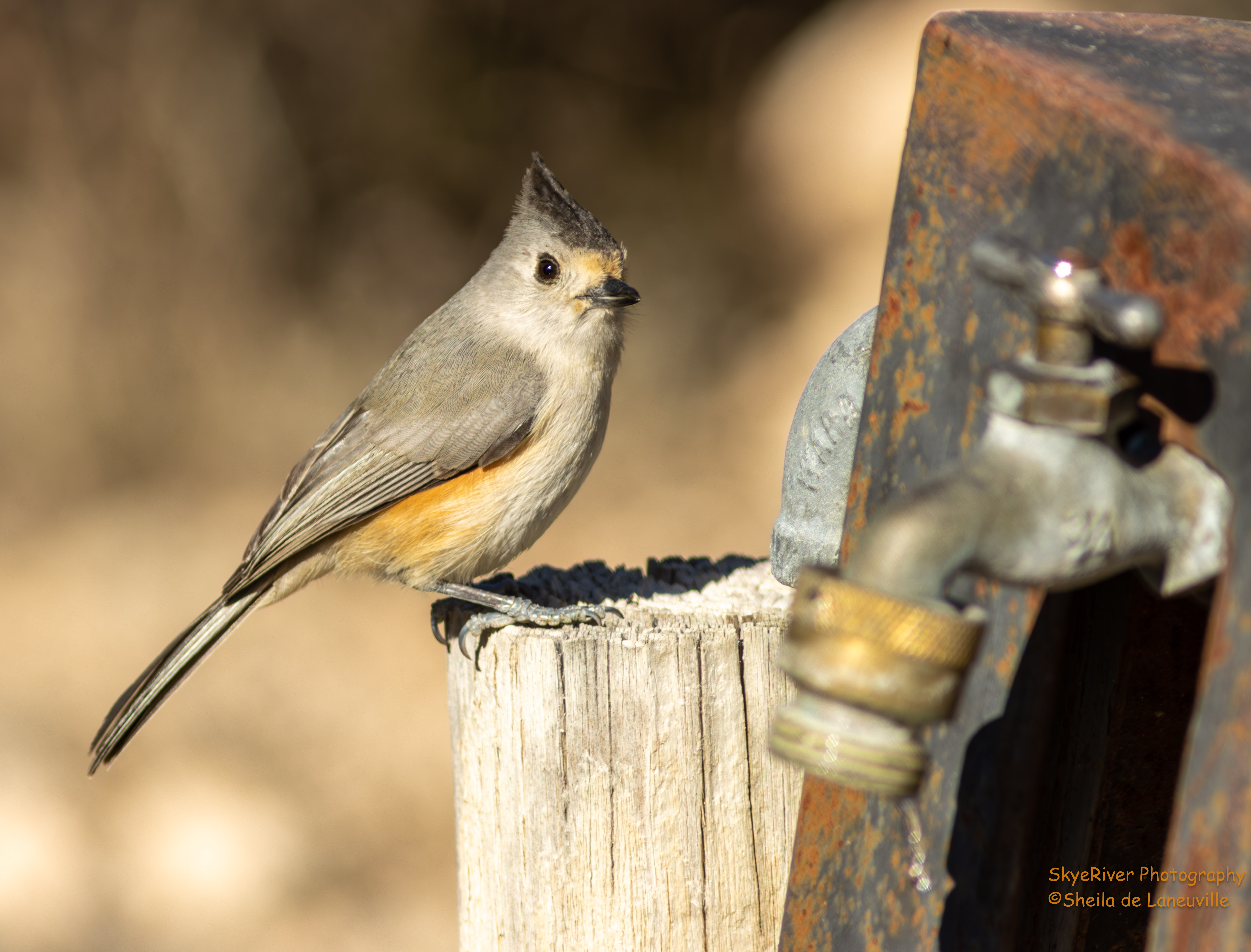
The Black-crested Titmouse or Mexican titmouse, is a passerine bird in the tit family Paridae. Once considered a subspecies of the tufted titmouse, it was recognized as a separate species in 2002. It is native to southern Texas, Oklahoma, and east-central Mexico.
~Photos taken January 17, 2024 at South Llano State Park
While on a walk I came upon this cute Black-crested Titmouse as it seemed to study this faucet. With the South Llano River very close, I had to wonder why this Titmouse felt it necessary to try and drink from this faucet. It might have been just easier. The river water might not have been easily accessible. If I remember right it was pretty cold and this faucet might have been turned on to drip to keep the pipes from freezing. It sure gave me a smile and made a fun photo.
These guys are hard to capture, because they don’t stay still for very long. I got lucky because it was determined to get a drink.
Well done!
Quote:
“Intelligence without ambition is a bird without wings.” Dali
The Pied-billed Grebe is found on streams, marshy ponds, lakes and freshwater marshes. Winters in estuarine and marine habitats.
I saw my first Pied-billed Grebe in April of 1986 in Colorado. This little guy was swimming with a mate in and out of these reeds.
Pied-billed Grebe
What is special about a pied-billed grebe?
Pied-billed Grebes can adjust their buoyancy and often use this ability to float with just the upper half of the head above the water. They catch small fish and invertebrates by diving or simply slowly submerging. They build floating nests of cattails, grasses, and other vegetation.
Not a very good photo, but it makes me wonder how big a fish they can swallow. I love to just sit and watch them dive for fish.
While I was creating this post and looking up information on the Pied-billed I came across this web-site. I was truly surprised to read that the status of the Pied-billed Grebe is Endangered. Very sad.
This web-site lists information and fun facts about the Pied-billed and the reasons why they are endangered.
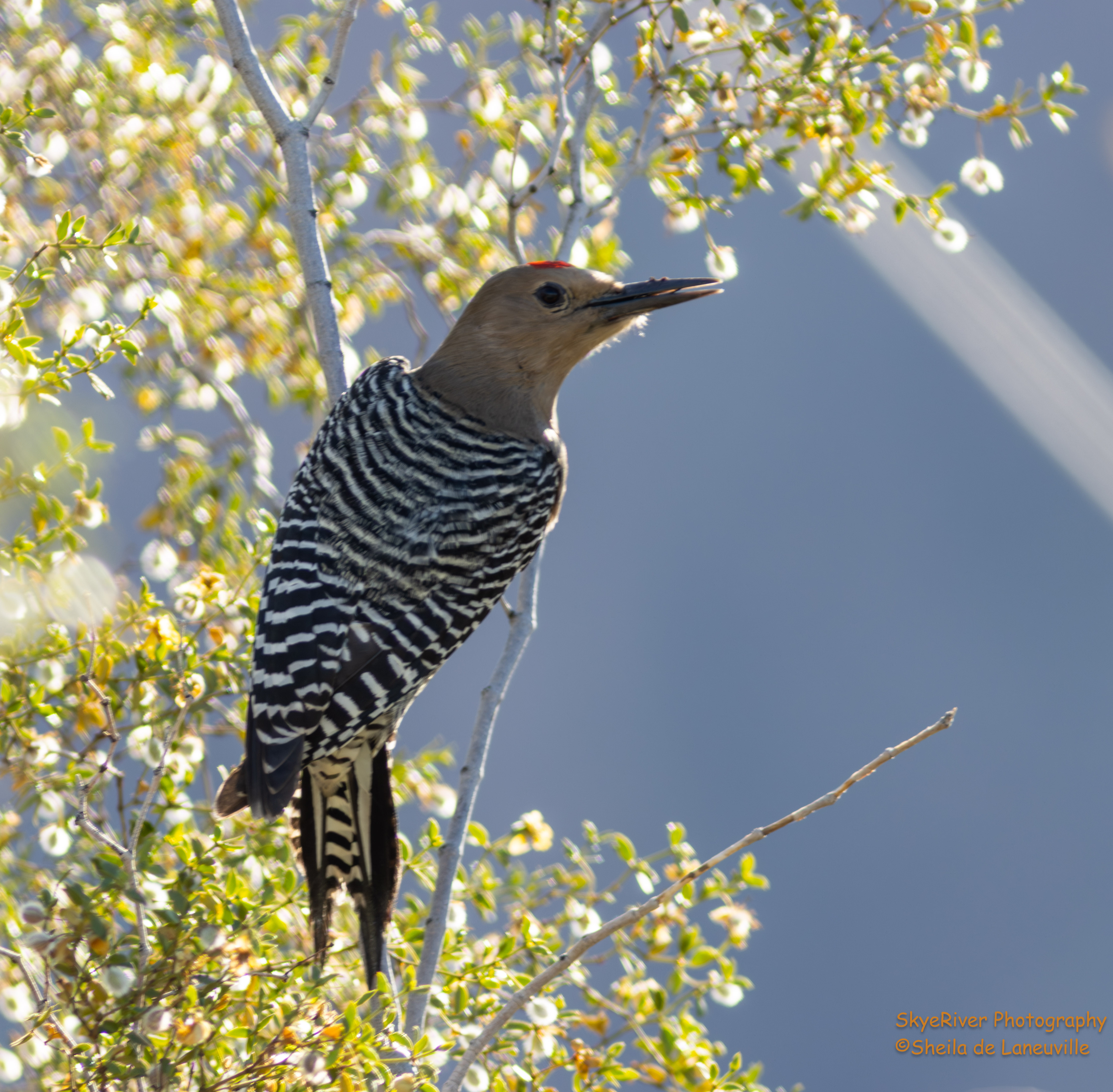 Gila Woodpecker.
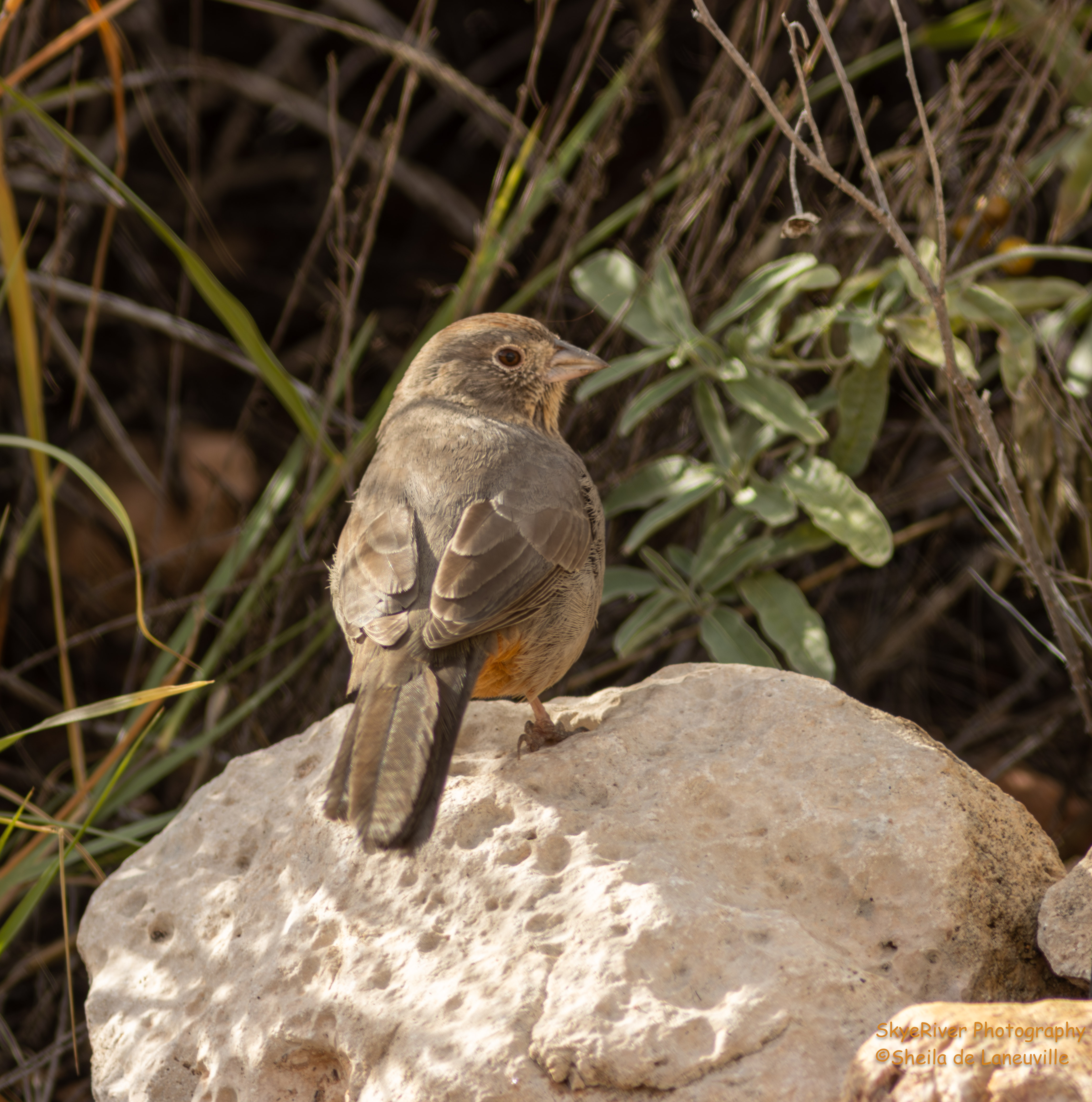 Abert’s Towhee.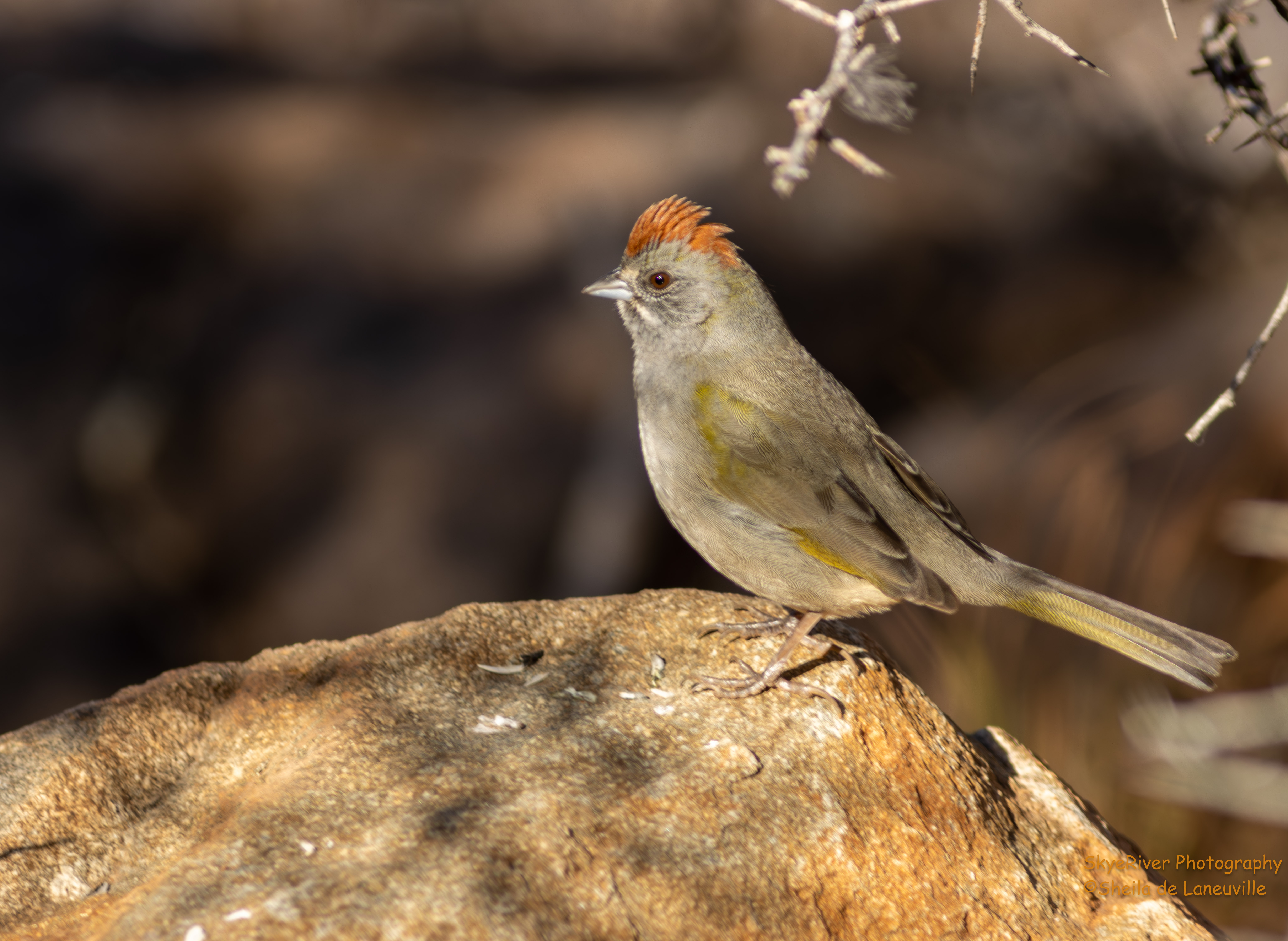





 Wolf Song Blog