What a wonderful surprise it was to glance down at one of our feeders and see this beautiful, perhaps first spring, Indigo Bunting. I don’t like posting photos of birds at the feeder, but he was so skittish I was just glad to capture him at all.
We haven’t spotted him since this photo was taken and we are hoping, after being in its breeding range this spring and summer, he is well on his way to winter ranges.
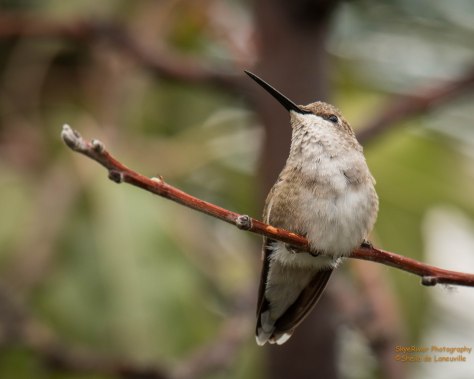
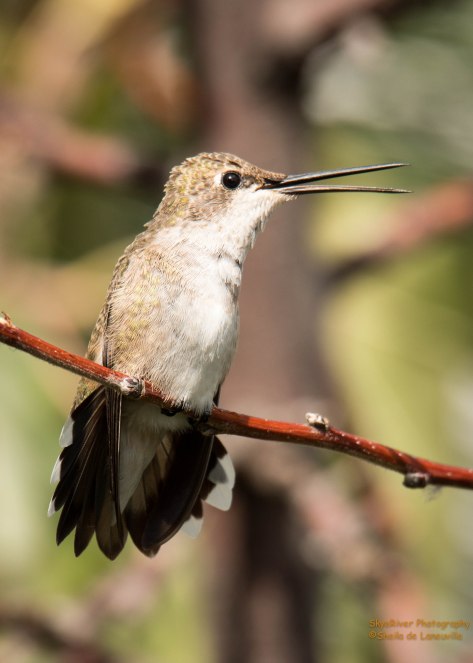
I believe, after much studying, that this beautiful little lady is a Rufous. I could be wrong, sometimes the only different between the females are tail length
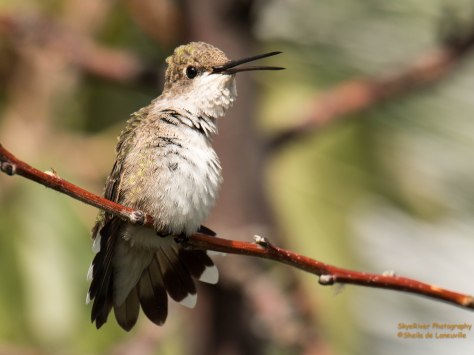
Broad-tailed, notice the eye ring and the spotted cheeks.
“You talking to me.”
“Until next time, please keep putting food out for us migrating little beauties.”
What does one do to keep busy when it is cold and raining? If you are a birder, enjoy feeding, watching and photographing them, then that is how you spend your time.
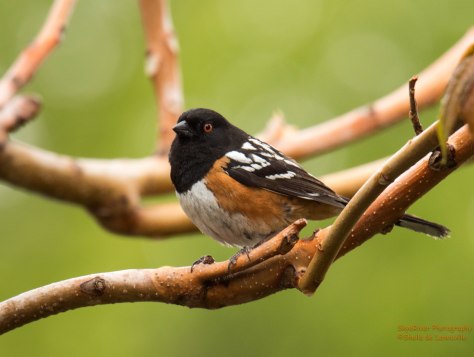
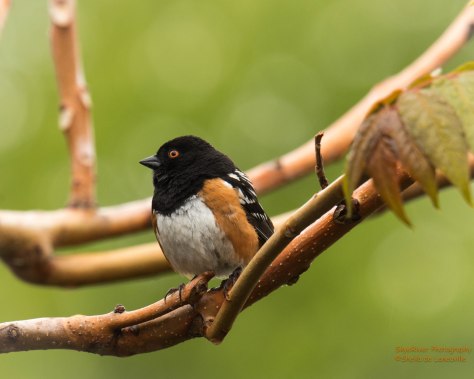
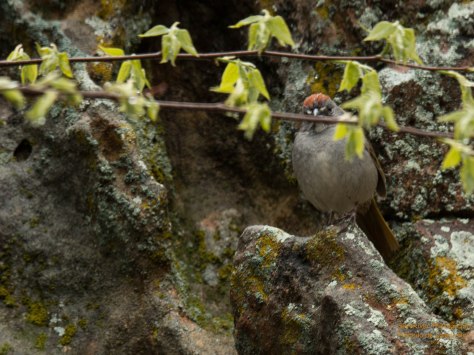
Rufous-sided Towhee:
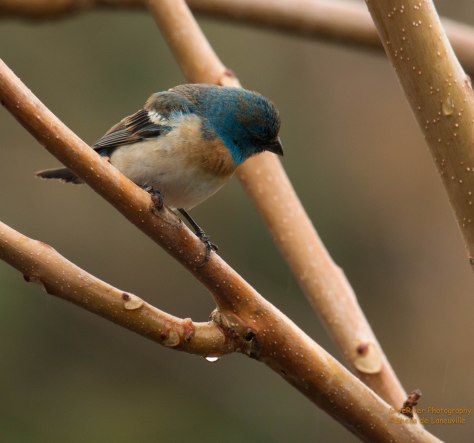
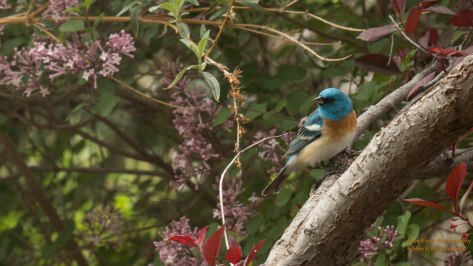
Lazuli Bunting:
These guys are hard to capture, always moving and wary. Didn’t capture the eye well, but he is showing off his gorgeous breeding plumage.Lazuli Bunting (photo taken through glass a few days ago).
Cold and rainy weather, especially this time of year, can cause birds to temporarily interrupt their migration to their northern breeding ranges, laying over in areas until they can continue on their journey. Storms can also cause birds to move to lower elevations.
We have had quite the variety of birds visiting our yard over the last two days. It will be interesting to see how soon they continue on their way. Some, such as the Juncos, Chipping and White-crowned Sparrows left before this last spell of wet, cold weather. Our rainy weather should be over tomorrow. It will be nice to see the sun, but sad to see some of these birds leave.
In past years, I would have been lucky to see one male Western Tanager. This past week I have had three males, two females and several younger adults. They have stayed during this weather system to enjoy the suet, oranges and jelly I put out for the Bullock’s Orioles. Today, for the first time in two days, I have seen them hunting in the trees, bushes and scrubs, which is a good sign.
Western Tanagers:
Western Tanager
A shy Western Tanager
Three
Guess, I got carried away! They are giving me a lot of opportunity to photograph them.
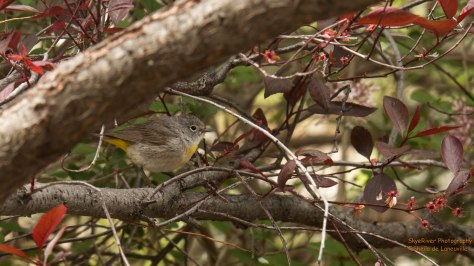
Also, we have Green-tailed Towhees, Lazuli Bunting, Pine Siskin’s, Cedar Waxwings, Virginia’s Warblers along with the usual suspects. I am on my second sack of oranges, which not only the Orioles and Tanagers enjoy, but also the House Finches.
A very shy, elusive, Green-tailed Towhee (photo taken through my kitchen window).Virginia’s Warbler (this one was a nice surprise)
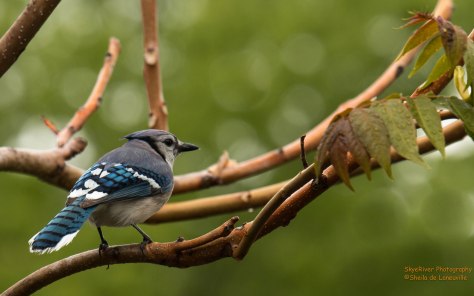
Blue Jay
Pine Siskin
I believe, during these past few days, Howard and I have helped some of these birds survive. They have been cold and wet, pretty drenched. You should see the feeding frenzy this weather has caused, it has been quite the show and is still going on.
I put out peanuts for the Jays, mixed seed with corn for the Doves and others, suet for the Woodpeckers, oranges and jelly for the Orioles, sugar water for the Hummingbirds, which the Orioles drink. I have noticed, as an example, the Scrub Jay’s, eating from the suet feeders, which I believe is to feed their young. The suet is a great source of food for birds.
A wet male Bullock’s OriolePretty wet guy.
I watched a pair of Scrubs work so hard to build a lovely, sturdy nest in a pine tree right where all the feeders are located. At first the Scrubs would chase away all birds that attempted to eat. It was a losing battle and they wisely decided to abandon their lovely first nest and relocate. I don’t know where they moved. The Scrubs would have gone crazy with all the recent activity.
So, if you are ever stuck inside, want some entertainment, have a few quarters laying around, purchase some bird seed and enjoy the show!
I had so much fun today taking photos of my feathered friends!
Males, display colorful plumage attracting females for mating.
American Goldfinch
Searching for the “right” location to build a nest.
House Wren
Females and males hunt for food to feed their young.
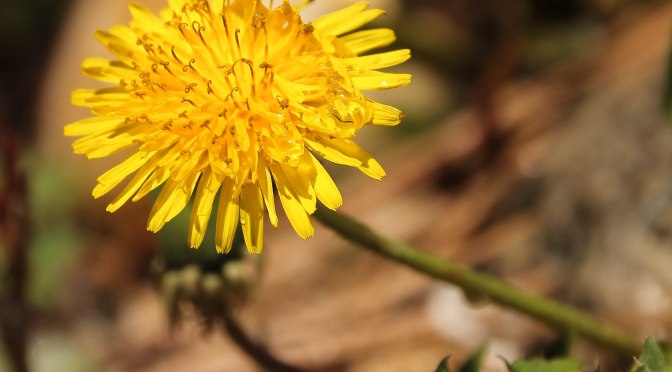
On a cloudy day, I captured these photos west of Loveland at a natural area called Bobcat Ridge. Flocks of Chipping Sparrows and American Goldfinches flitted in the Cottonwood and Crabapple trees, swooping down to eat in a beautiful field of Dandelions.
Bobcat Ridge Natural AreaBobcat Ridge Natural Area trail head.
The next time you bend down to remove a Dandelion from your yard, take a moment to consider leaving it there to feed the numerous migrating and nesting birds that feed on these herbaceous perennial plants. The Dandelion is a beneficial food source for them.
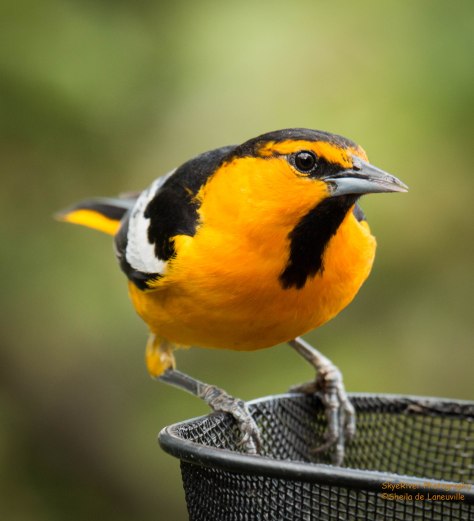
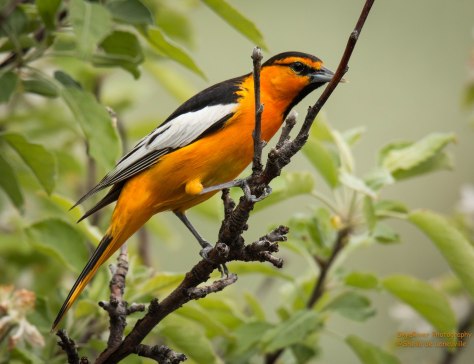
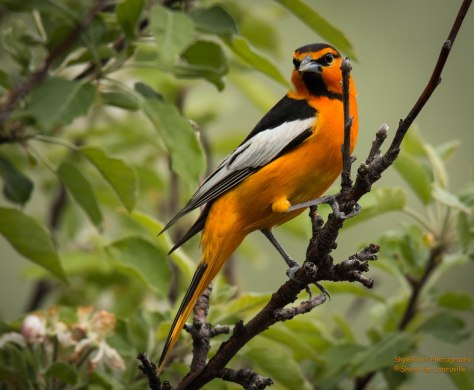
As I mentioned in one of my previous post, the Bullock’s Orioles have migrated north. Some will nest and spend the summer here in Loveland, Colorado. I look forward to their arrival every spring and enjoy seeing them in my yard. I have seen six males at my feeders so far, no females.
“Did I eat it all?”
A new feeder I purchased last week. They go through a lot of oranges; I just put these out.
“Where’s the Peanut Better?”
These photos were taken using my Canon 70D with Tamron 600mm lens.












 Wolf Song Blog