Category Archives: Friday’s Feathered Friends

~Friday’s Feathered Friend and more…

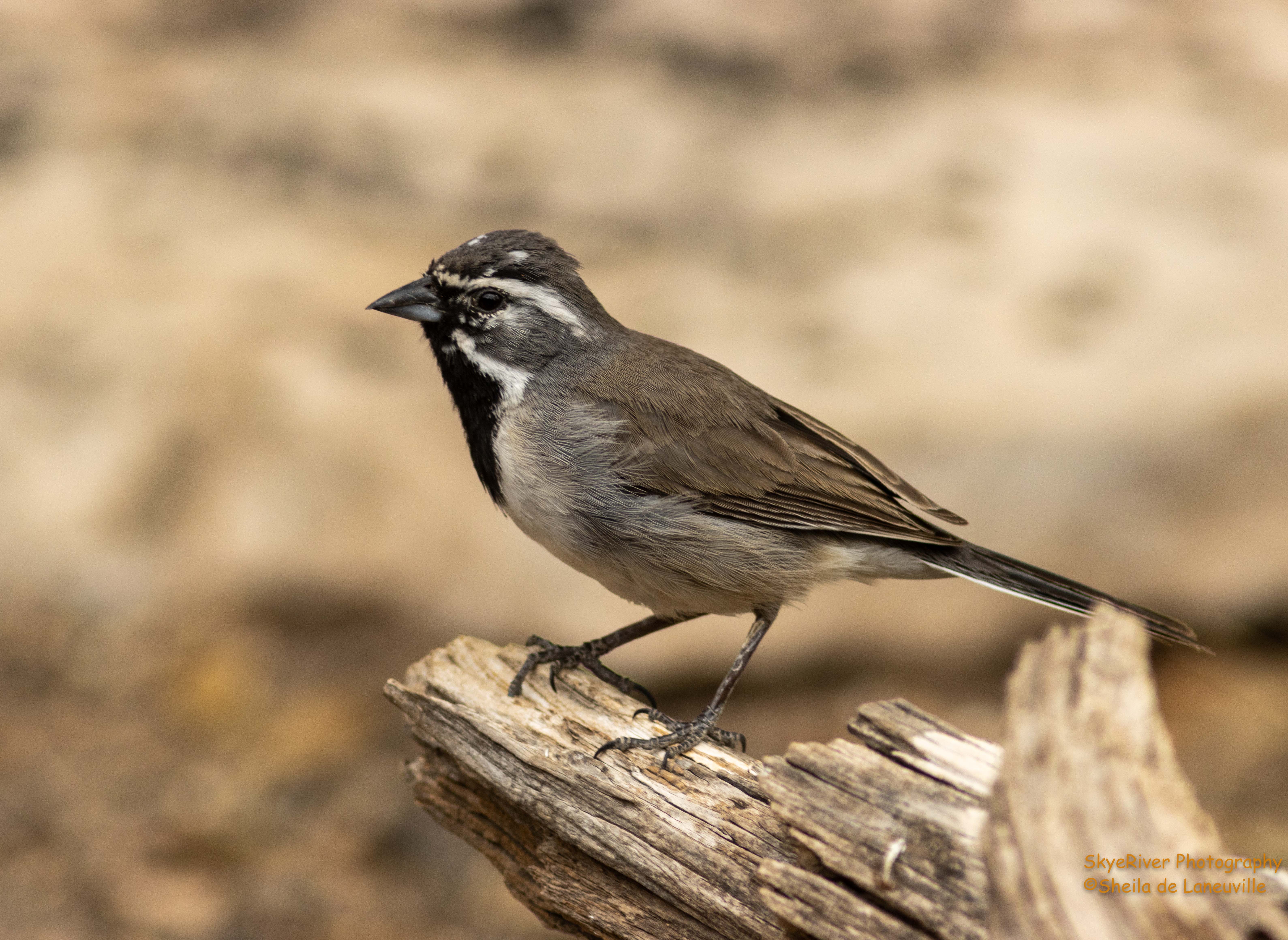
~Black-throated Sparrow

These little sparrows are fun to watch and a challenge to photograph, because they are always on the move.
I took the photo below back in April while camping at South Llano River State Park located in Junction, TX . This Texas State Park is one of my very favorite places to camp and bird.
*A little bit of information about them taken from the web:

~A sharply marked little bird of the arid zones. Black-throated Sparrows are very common in parts of the Southwest, even in some relatively barren flats of creosote bush where few other birds occur; loose winter flocks feed on the ground in open areas, making little tinkling callnotes. In spring, males perch atop low bushes to sing their metallic notes and trills.

~Their status has declined in some areas with increasing development in desert areas; unlike some desert birds, does not adapt well to suburbs. In proper habitat, still widespread and common.

~ Their diet consists mostly of seeds and insects. In general, probably eats more seeds in winter, more insects in summer. Also feeds on fresh green shoots, other green vegetation, and ripe berries and fruits when available. Can survive without water at some times of year, drawing its liquid from insects and green plants that it eats. Young are fed mostly insects.

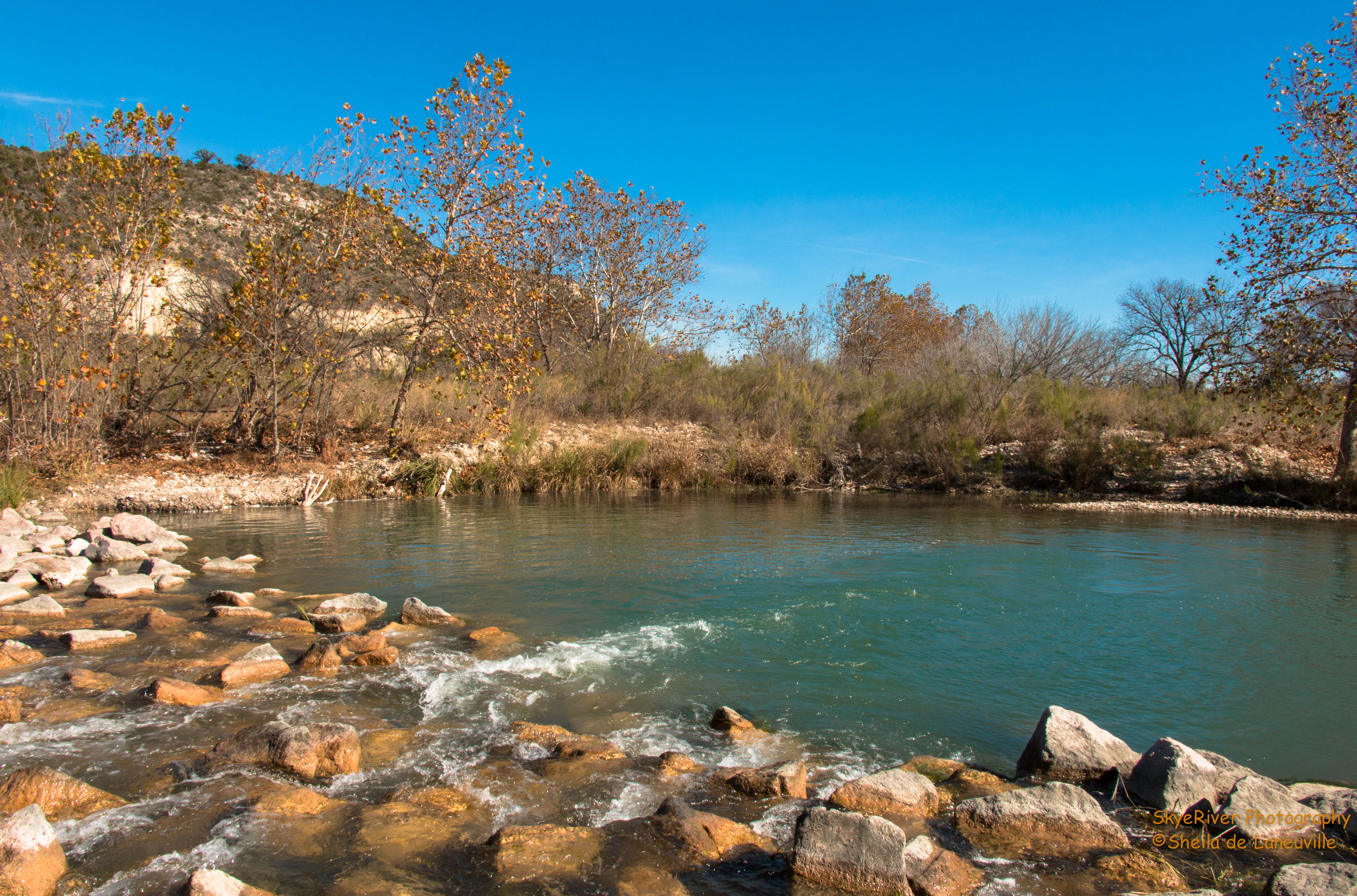
A few photos of the South Llano River. It is a beautiful place to camp, hike, and bird. People from all over the world make a point of visiting this Texas State Park. And, if you want to enjoy some of the best Texas Hill Country barbeque  go to Lum’s. https://www.lumsbbq.com
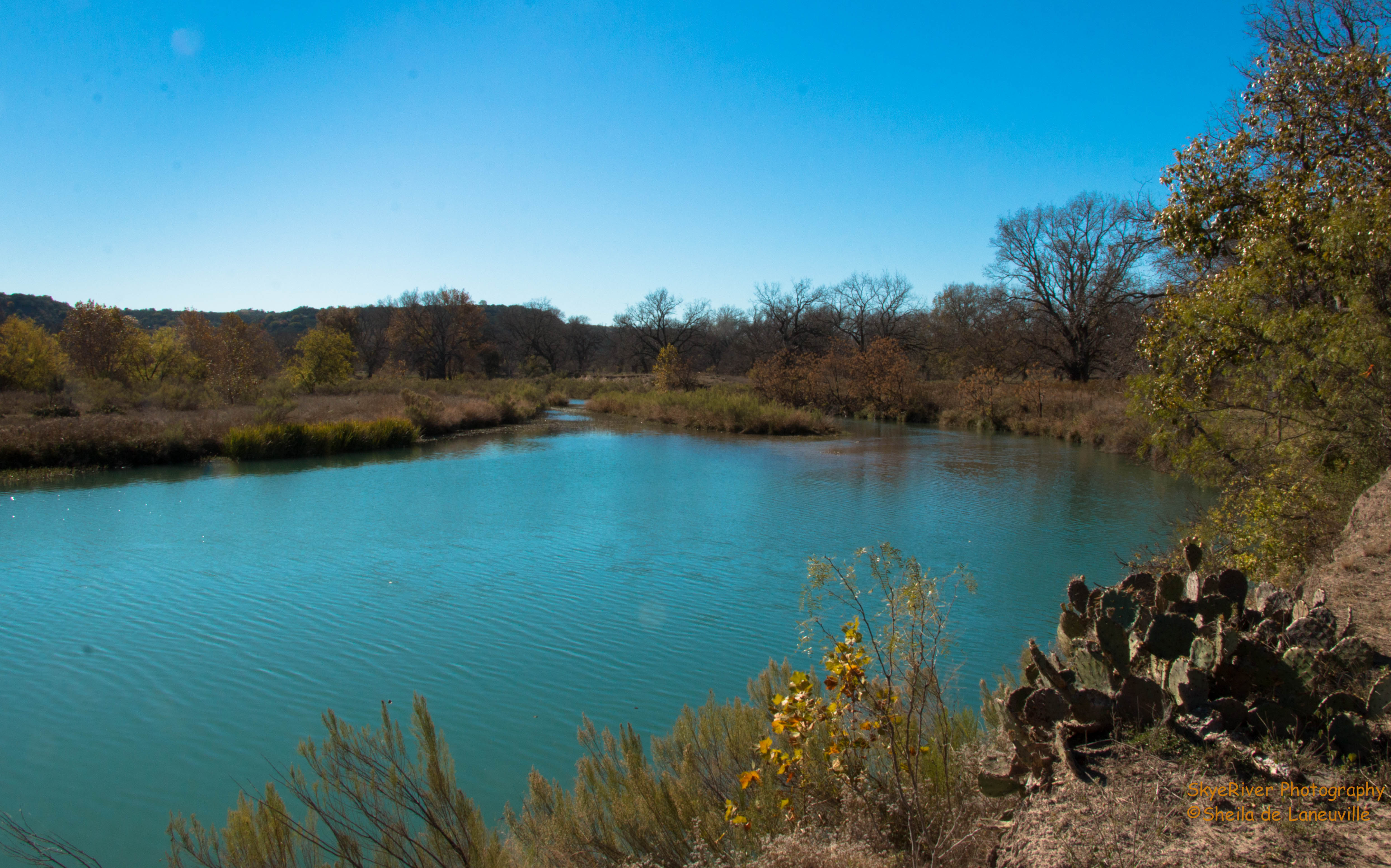
One of the many sites in South Llano River State Park that we have stayed in over the many years we have visited.
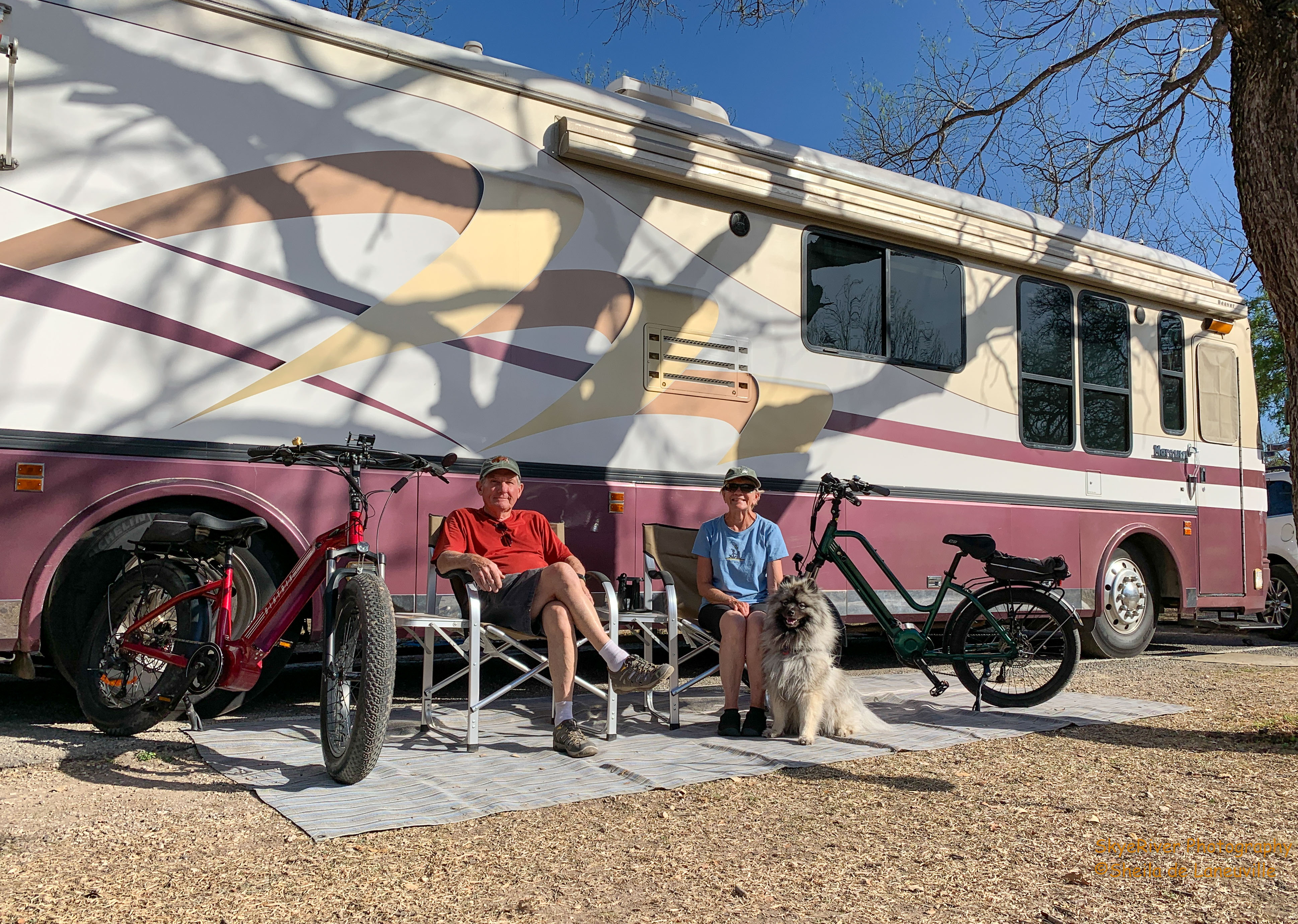
Here we are this past April camping at South Llano. We rode many of the trails in the park with our ebikes. Riley Ann enjoys camping as well.
*A little bit of information about this State Park taken from the web:

Hiking/biking

Whether on foot or two wheels, explorers will enjoy the 22.7 miles of trails. Trails range from easy to difficult, and cross river bottoms, steep ridges and wooded areas in between.

Rugged back country trails offer solitude even on the busiest weekend. Whether you’d like a moderate hike or a more challenging mountain bike ride, expect great views and a very different experience than in the park’s lowlands.

Nature watching

Keep your eyes open for birds both large and small!

The park is home to one of the largest turkey roosts in Central Texas. Turkeys roost from Oct. 1 through March 31. The day use area is only open from 10 a.m. to 3 p.m. during these months, so that humans don’t disturb the roosting turkeys.

Bird watchers have recorded more than 250 species at the park over the years. Visit one of our four bird blinds and see what’s there! Download Birds of South Llano River State Park:  A Field Checklist (PDF).

Visit our Nature page to learn more.

~~Get out there and enjoy what nature has to offer.
 

~Friday’s Feathered Friends

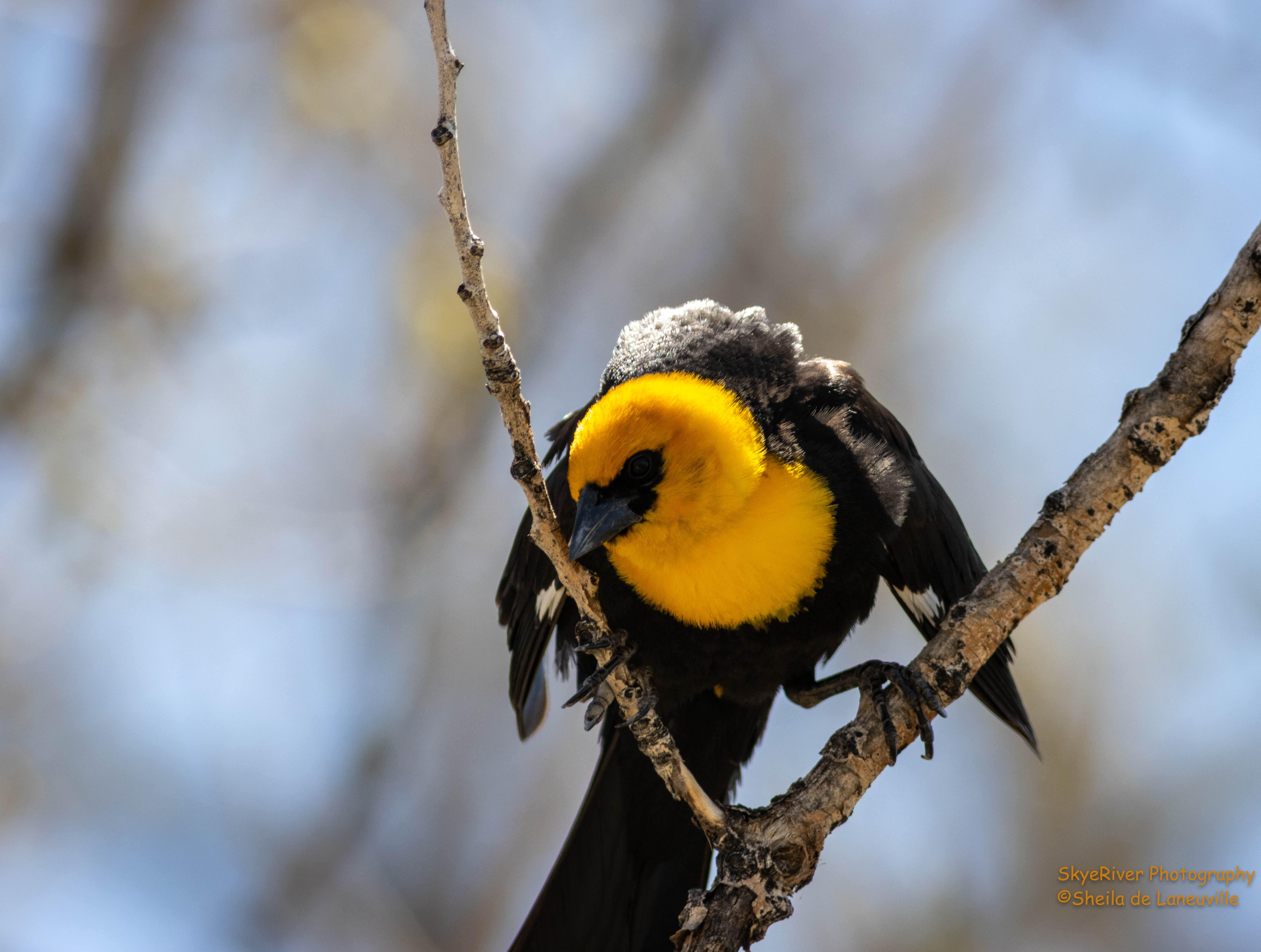
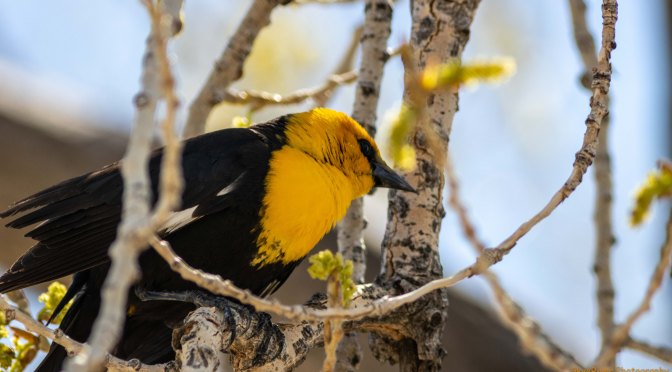
Yellow-Headed Blackbird

I went birding yesterday with a friend and we stopped at Jim Hamm Nature Area in Longmont, CO. These beautiful Yellow-headed Blackbirds entertained us with their singing and acrobatic  abilities. And, they also brought back fond memories of when I saw them for the very first time. They were in the ponds across the road from Jackson Lake Lodge.

That was in July of 1985. We were living in Louisiana and took another vacation to the Tetons in Wyoming. 

After many years of vacationing out west we decided to move from Louisiana to Colorado. So in January of 1986 we make the move. The magic and wonder of the west along with its wildlife captured our hearts. 

Thanks for the memories guys!

A little information on Jim Hamm Nature Area:
Originally developed in 1976, the Jim Hamm Nature Area comprises 24 acres, including a 14-acre pond. This land was donated in 1974 by the Hamm family in memory of USAF Captain Jim Hamm who was shot down over Vietnam in 1968 and to honor all St. Vrain Valley Veterans who fought in that war. Jim spent his youth exploring and appreciating the wild environment that once was part of his grandfather’s farm (Elmer Montgomery). The pond at the site is a designated bird sanctuary that welcomes a variety of waterfowl throughout the year.

~Friday’s Feathered Friend

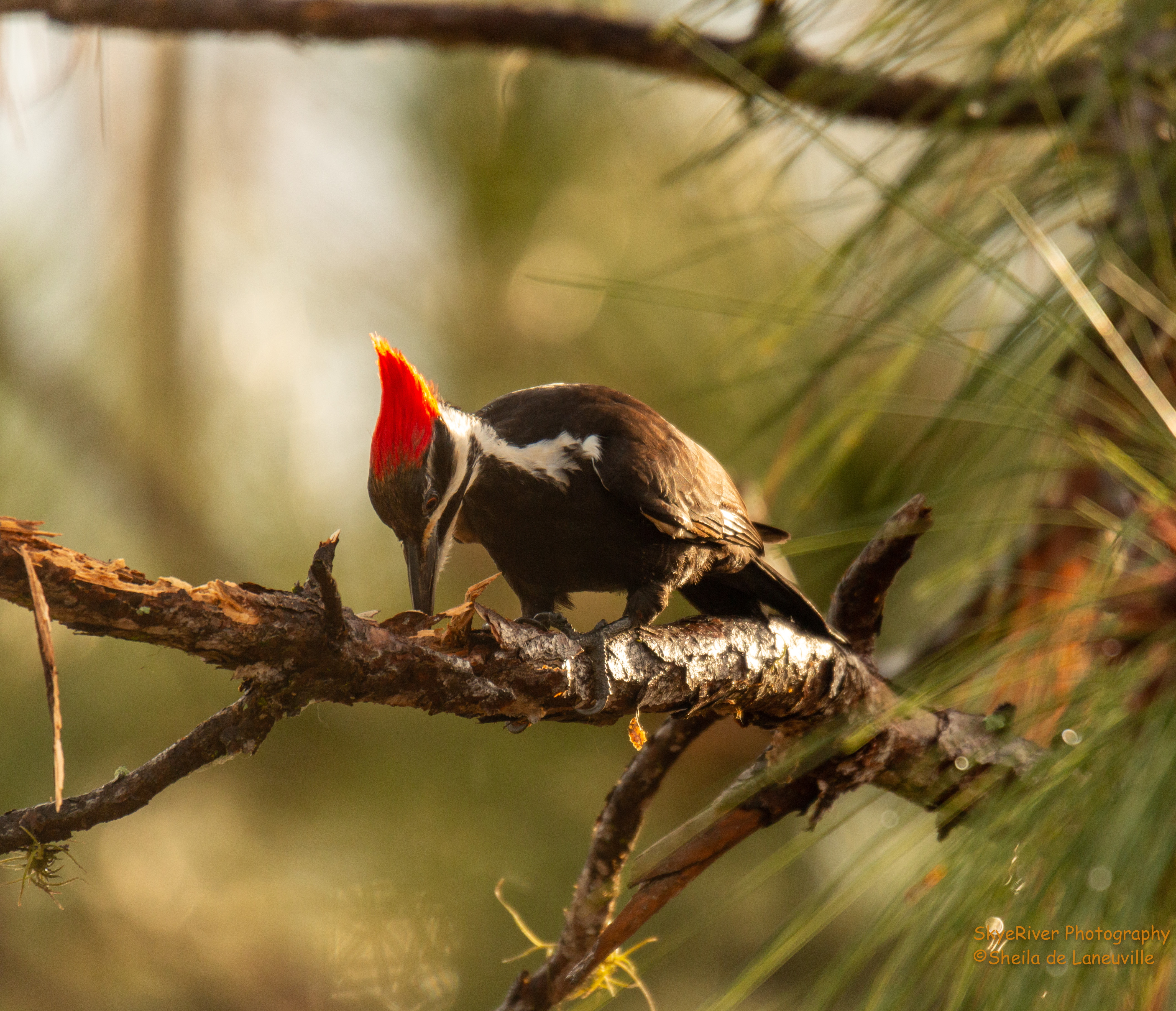
Pileated Woodpecker – Lake Louisa State Park in Clermont, FL – March 2022

Wood chips were falling from the air. I looked up and noticed the reason why. This beautiful woodpecker was, I presume, hunting for bugs in this Pine tree.


Taken from the Web…

“Pileated” refers to the bird’s prominent red crest, from the Latin pileatus meaning “capped”.

The pileated woodpecker’s breeding habitat is forested areas across Canada, the eastern United States, and parts of the Pacific Coast. This bird favors mature forests and heavily wooded parks. They specifically prefer mesic habitats with large, mature hardwood trees, often being found in large tracts of forest. However, they also inhabit smaller woodlots as long as they have a scattering of tall trees.

Pileated woodpeckers mainly eat insects, especially carpenter ants and wood-boring beetle larvae. They also eat fruits, nuts, and berries, including poison ivy berries.[15] Pileated woodpeckers often chip out large and roughly rectangular holes in trees while searching out insects, especially ant colonies.[12] They also lap up ants by reaching with their long tongues into crevices. They are self-assured on the vertical surfaces of large trees, but can seem awkward while feeding on small branches and vines. They may also forage on or near the ground, especially around fallen, dead trees, which can contain a variety of insect life. They may forage around the sides of human homes or even cars, and can be observed feeding at suet-type feeders. Although they are less likely feeder visitors than smaller woodpeckers, pileateds may regularly be attracted to them in areas experiencing harsh winter conditions.

Lots of trees for that Pileated Woodpecker and many others.

Dixie Lake, Lake Louisa State Park

~~ Happy Birding~~


~Friday’s Feathered Friend

September 2021

This gorgeous Red-tailed Hawk was flying over my house and decided to land at the top of this pine tree. Lucky for me! He/She sat there for the longest time looking for lunch. After awhile it flew off to hunt somewhere else.

~2021 Fall Hawk Migration is under way be on the lookout for them! Here is a nice site to checkout!

https://www.hawkmountain.org/visit/events/autumn-hawk-migration

~About the Red-tailed Hawk (taken from the web)…

The red-tailed hawk (Buteo jamaicensis) is a bird of prey that breeds throughout most of North America, from the interior of Alaska and northern Canada to as far south as Panama and the West Indies. It is one of the most common members within the genus of Buteo in North America or worldwide.

The red-tailed hawk is one of three species colloquially known in the United States as the “chickenhawk”, though it rarely preys on standard-sized chickens. The bird is sometimes also referred to as the red-tail for short, when the meaning is clear in context. Red-tailed hawks can acclimate to all the biomes within their range, occurring on the edges of non-ideal habitats such as dense forests and sandy deserts.

The red-tailed hawk occupies a wide range of habitats and altitudes, including deserts, grasslands, coniferous and deciduous forests, agricultural fields, and urban areas. Its latitudinal limits fall around the tree line in the Arctic and the species is absent from the high Arctic.

It is legally protected in Canada, Mexico, and the United States by the Migratory Bird Treaty Act. The 14 recognized subspecies vary in appearance and range, varying most often in color, and in the west of North America, red-tails are particularly often strongly polymorphic, with individuals ranging from almost white to nearly all black.

Happy Birding!