~Cave Creek Regional Park, Cave Creek, AZ, November, 2017
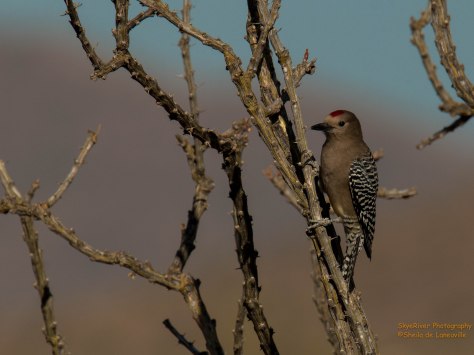
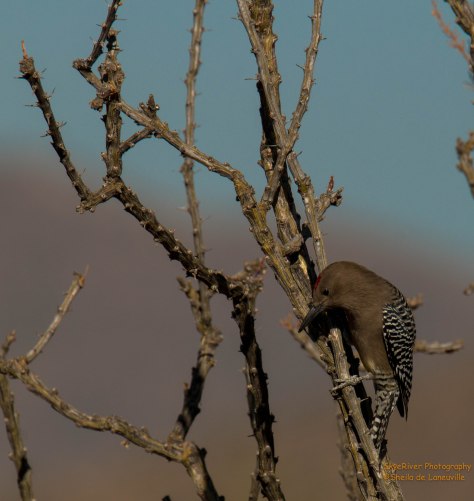
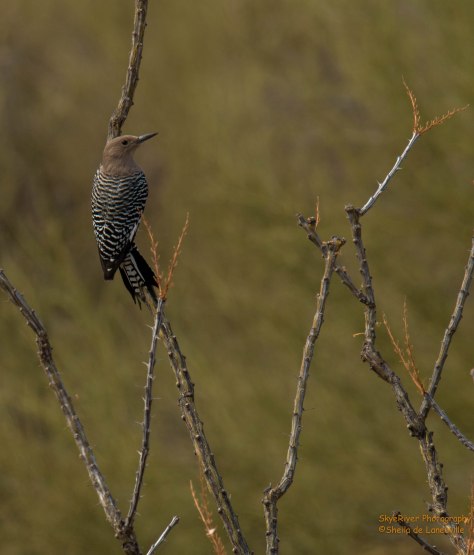
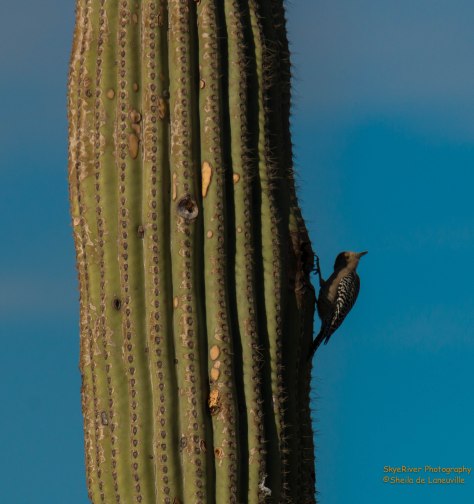
What a treat it was to listen, watch and photograph these gorgeous woodpeckers. They were busy building a nest in a Saguaro Cactus in our back “yard”. Go out to this Web-site and listen to their call – Gila
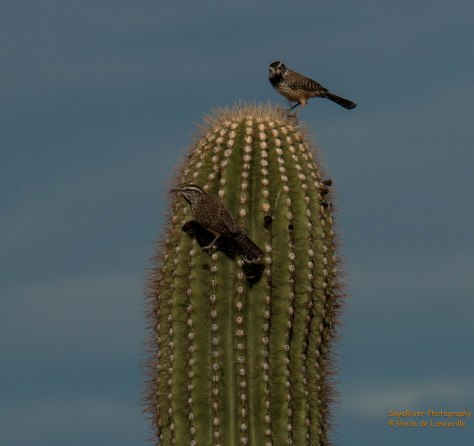
~Cactus Wren, Cave Creek Regional Park, November, 2017
A very curious wren and the largest. There were several that would visit us in our “yard” at Cave Creek, always coming close to the coach and inspecting everything. I just loved watching them.
At least two pair were busy collecting materials for nest building.
Here is a Web-site with some good information on the Cactus Wren: Wren
~~~~~
~
Another view.
~
A photograph can be an instant of life captured for eternity that will never cease looking back at you. Brigitte Bardot
Dead Horse Ranch State Park, Cottonwood, AZ, October, 2017
Dead Horse Ranch got its peculiar name in the late 1940’s from its previous owners, the Ireys family from Minnesota. They were looking to buy a ranch and on their tour they discovered a large dead horse lying by the road outside of the property. After two days of viewing ranches, Mr. Ireys asked the kids which ranch they liked the best, and they all agreed “the one with the dead horse, dad!”. Acquired in 1973 by AZ State Parks, the Ireys family made it a condition of the sale that the park retain the name Dead Horse Ranch.
We traveled from the Grand Canyon to Cottonwood, AZ staying one week at Dead Horse Ranch State Park. We have been here many times, but it has been several years since our last visit. We throughly enjoy our stay.
Hiking, mountain biking, fishing, horseback riding are just some of the activities one can enjoy at DHRSP.
After an arduous time getting ready to leave home, and our tourist mode adventure at the Grand Canyon, we were ready to settle into a more relaxing routine.
Howard worked on a few coach maintenance items, setup an antenna and operated his ham radio, and he even got to jog a few times. I enjoyed hiking, birding and photographing this lovely area.
~Mornings:
`Hiking around the Lagoons…
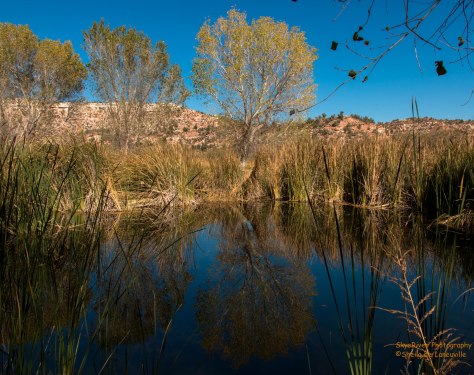
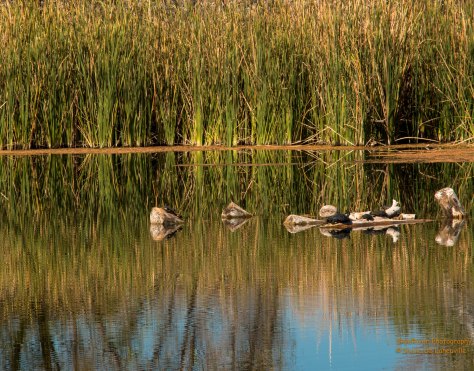
Still Waters
~
~
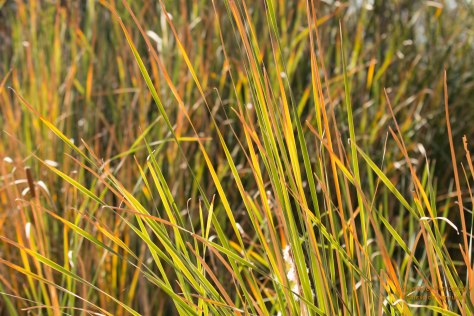
Looking through the reeds.
~
Relaxing on a log.
~
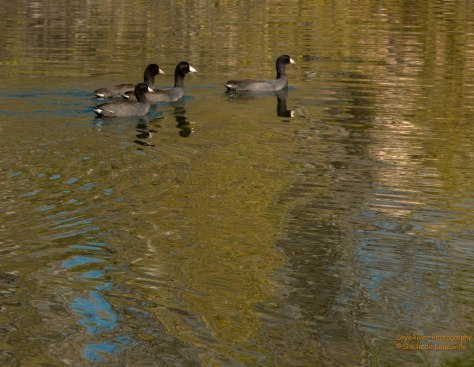
A leisurely swim.
~
Sunlight through the reeds.
~
A Cloud Sulphur
~
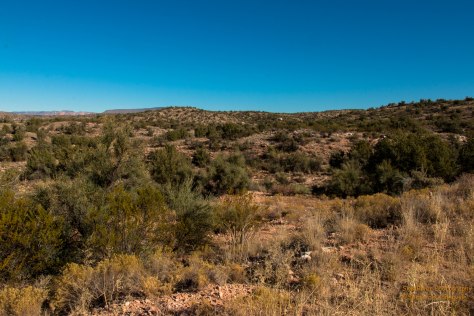
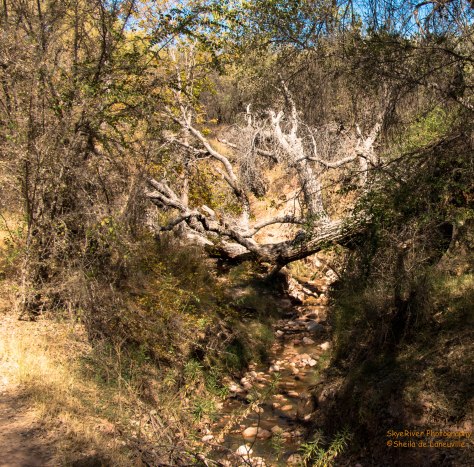
`Walking a rocky trail…
Miles of trails for hiking, mountain biking and horseback riding.
~
The Verde River
~
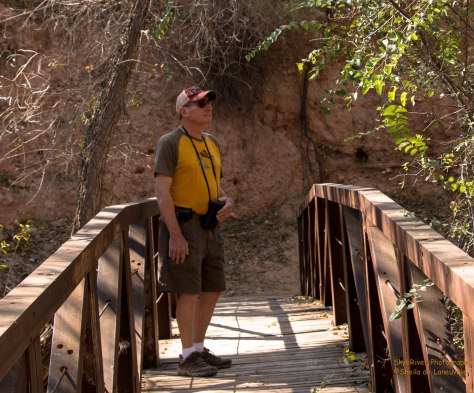
A birder along the trail.
~In between – Touring and Eating:
Old Town Cottonwood seems like it has come back to life since our last visit. Many of the old buildings have been renovated and are now occupied by beer and wine tastings shops, antiques stores, galleries and more.
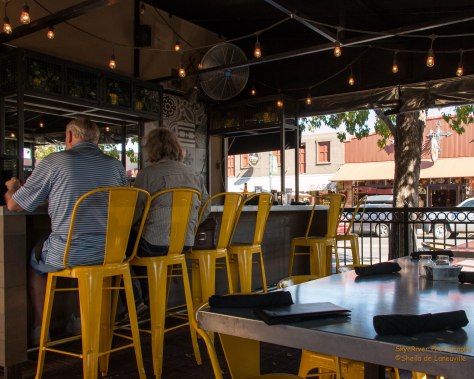
There are also several new restaurants. We ate at the Tavern Grill, enjoyed sitting outside on the covered patio, and the food was very good!
One of those Micro Brews was mine!Outside Patio at the Tavern Grill
If you like Mexican, you should try Pepe’s Cafe. I haven’t had Mexican food this good in a long time. It was Great!
One of our favorite places to eat in Cottonwood is Randall’s; they have been there a long time and the food is very good. Friday we enjoyed Fish Friday – our fav Catfish!
~Evenings:
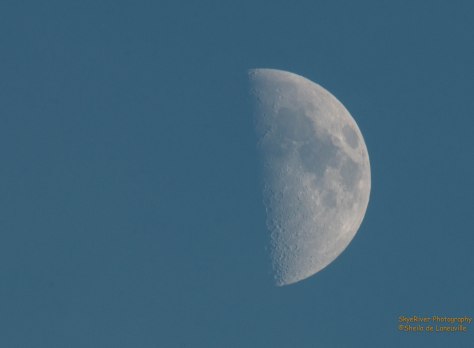
Waxing Moon
~
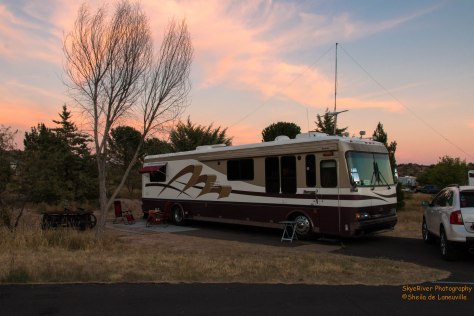
Rambling Rose at Sunset, Site 76 (notice Howard’s ham antenna)
~
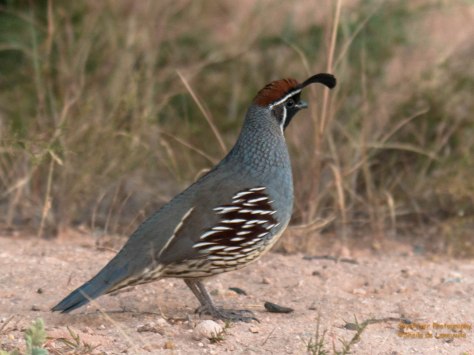
The Gambel’s quail (Callipepla gambelii) is a small ground-dwelling bird in the New World quail family. It inhabits the desert regions of Arizona, California, Colorado, New Mexico, Nevada, Utah, Texas, and Sonora; also New Mexico-border Chihuahua and the Colorado River region of Baja California.
The Grand Canyon is one of the seven natural wonders of the world, along with Mount Everest in Nepal, Victoria Falls in Zambia/Zimbabwe, Australia’s Great Barrier Reef, the Northern Lights, Paricutin Volcano in Mexico and Harbor of Rio de Janeiro in Brazil. The Canyon attracts 4.5 million visitors from all over the world annually.
The Grand Canyon is home to 70 species of mammals, 250 species of birds, 25 species of reptiles and five species of amphibians.
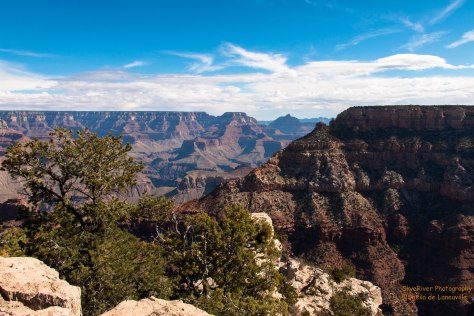
Grand Canyon, South Rim, as we walk east.
Howard and I walked about five to six miles each day while visiting the Grand Canyon. We preferred the east end of the South Rim Trail. The longer we walked the trail, the fewer people we encountered. The terrain was different going east in that it was more forested. I loved this area. A perfect environment for birds and wildlife.
Taken in an area east of Mather Point.
~
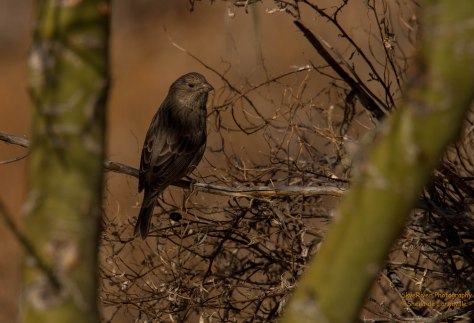
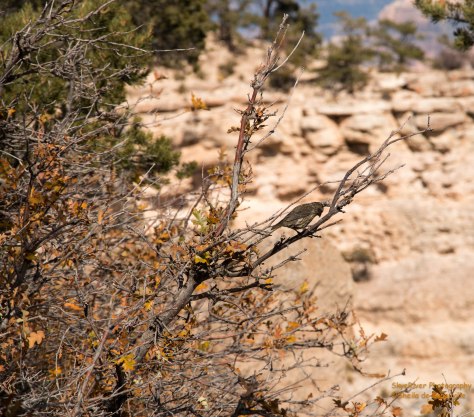
You can’t imagine my delight when I downloaded the photo below. I haven’t seen this bird in years. It is a Red Crossbill. If you zoom in on the photo take a look at its bill.
Red Crossbill
~
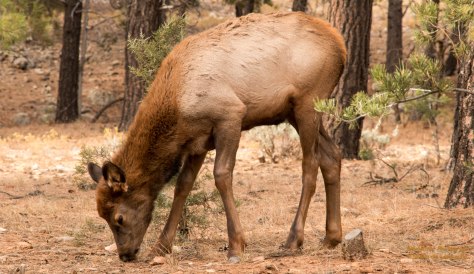
Elk (looks like a first year)
~
~
Junco, Gray-headed
~
~
~
~
Howard and I were walking along the South Rim Trail near the El Tower Hotel and spotted this Green-tailed Towhee looking for food – scratch, scratch, scratch! They are beautiful and fun to watch.
Green-tailed Towhee
~
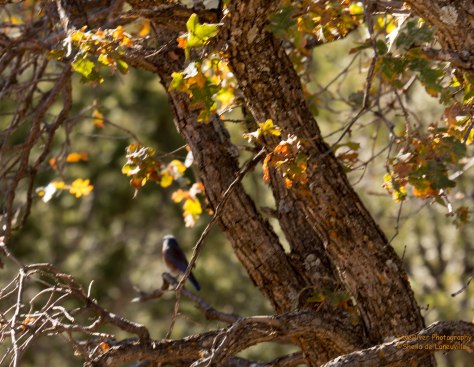
One evening we were walking the trails around the RV park. There were lots of Western Bluebirds in the area. In fact, I tried to get a photo of them drinking from a faucet, but someone walked by and they flew. This Western Bluebird, in the photo below flew before I could manually focus on her, but I like the photo.
Western Bluebird
~
Ravens:
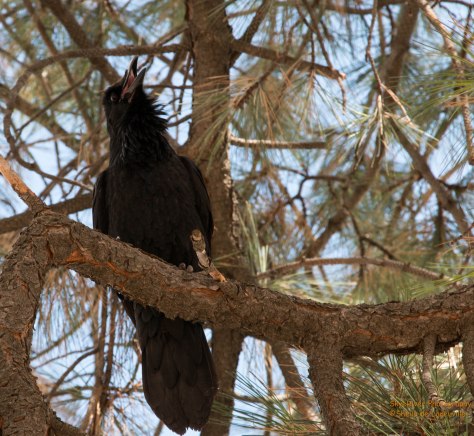
I never get bored watching these intelligent birds. I truly believe this Raven was mimicking a barking dog. I heard a dog barking for several minutes before I heard the Raven. I remember thinking, “what in the heck is making that noise”.
Barking? Note the wedge-shaped tail. This is how you can ID the Raven.
~
He looks happy with himself!
~
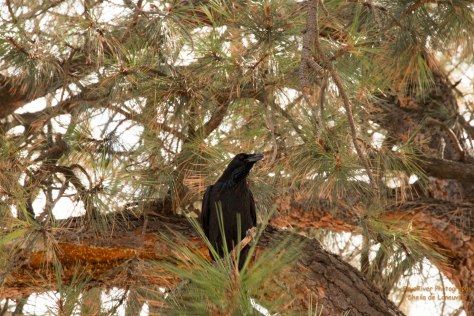
This Raven was sitting high up in a tree and “talking” away. I saw a young girl, about 11 years old with her phone, trying to get a photo of him. She was shooting into the sun and through a lot of branches. I walked over to the tree and called her to some stand where I was standing. I was happy to see her excitement in seeing this bird. I hope her photos came out okay!
~
Soaring
~
~
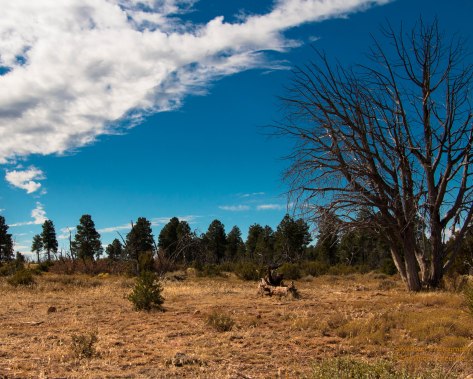
There are approximately 200 species of trees and shrubs in Grand Canyon National Park. Most of these are found in the higher elevations of the park, on the South and North rims. Some of the tree species include the white fir, Engleman spruce, blue spruce, Douglas fir, corkbark fir, ponderosa pine, Utah juniper, alligator juniper, Colorado pinyon, quaking aspen, Fremont cottonwood, Gambel oak, and Arizona walnut.
~
Birds I observed at the Grand Canyon, South Rim. I was very surprised at the number of birds there were in the area.
`Northern Flicker Red-shafted
`Hairy Woodpecker
`Scrub Jay
`Pinyon Jay
`Stellar’s Jay
`Common Raven
`Mountain Chickadee
`White-breasted Nuthatch
`Red-breasted Nuthatch
`Pygmy Nuthatch
`Western Bluebird
`American Robin
`Green-tailed Towhee
`Spotted Towhee
`Juncos
`White-crowned Sparrow
`Red Crossbill
~
Howard had a fun time taking panoramic photos with his iPhone.
Howard checking out his panoramic photos!This header photo is one of Howard’s gorgeous panoramic photos!





 ~
~
 ~
~
 ~
~ ~
~ ~
~ ~
~ ~
~













 Wolf Song Blog