Limpkin (seen at Central Florida Fairgrounds while attending HamjCation/2015)
Its been awhile….
The last time I posted a blog was when we were still at Jonathan Dickinson State Park in Hobe Sound, Florida. We left Hobe Sound almost two weeks ago, with love in our hearts for family that live there. Another treasured visit with them and we look forward to returning next season.
Leaving Hobe Sound we traveled to Orlando to attend the 2015 HamCation event that takes place every February at the Central Florida Fairgrounds. For those of you who might not know, HamCation is an event for Amateur Ham Radio operators and enthusiasts. People attend from all over the United States and some traveling from other countries to enjoy this unique event.
This was our fifth year to attend HamCation. For four nights we parked at the Central Florida Fairgrounds along with nine other FMCA Amateur Radio Ham Club members. We weren’t alone, many, many other Ham Radio Amateur RV’ers were camped there as well.
During the day we walked around the outside flea markets and the vendors booths in several of the building designed to hold big events such as this. In the evening we enjoyed walks, happy hour and cookouts. On one occasion several of us ladies enjoyed some shopping and lunch. It was great fun seeing old friends and meeting new ones.
It made my heart happy to see hubby enjoying his hobby so much; he wore himself out touring all the fleas and vendor booths.
As far as my hobby goes, there is a big lake along one side of the fairgrounds and I was thrilled to see and photograph some of the many shore birds that enjoy this area. Also, saw a pair of nesting Red-shouldered Hawks and one day witnessed one of them swooping down and grabbing a Mourning Dove.
After HamCation us and two other coaches headed to Lake Louisa State Park in Clermont for seven nights of camping, where we enjoyed long walks, evening cookouts, a few meals out and just being together. On one occasion we visited World of Beer (WOB) where we enjoyed several tasty draft brews and a great lunch! Cheers guys! Until 2016!
Leaving Lake Louisa we headed to Silver River State Park with our wonderful friends and traveling buddies Karla and Larry and here as well, we enjoyed some hikes and a visit to Silver Springs. Karla and Larry left us today to head home and we are going to miss them.
Howard and I remain at Silver River State Park for a few more days. As I sit here, in the coach typing this blog, the sky is a dull grey, the wind is blowing a little stronger, the air is a little cooler and according to the weather service we are in for a few days of rain.
So for the next few days, being outside in the gorgeous Silver River wilderness, won’t look as inviting and we just might get a few inside items accomplished. Things like writing a blog!
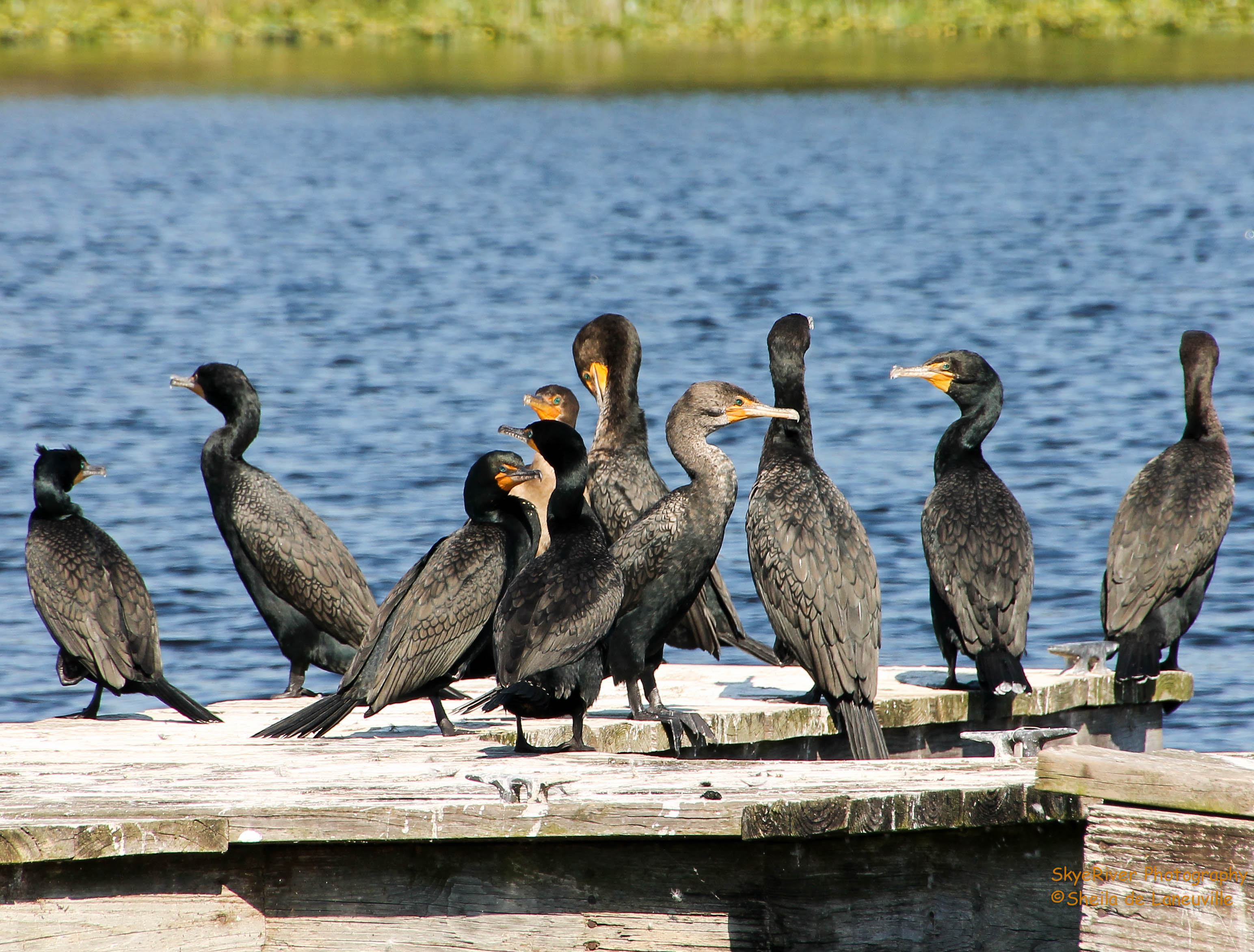
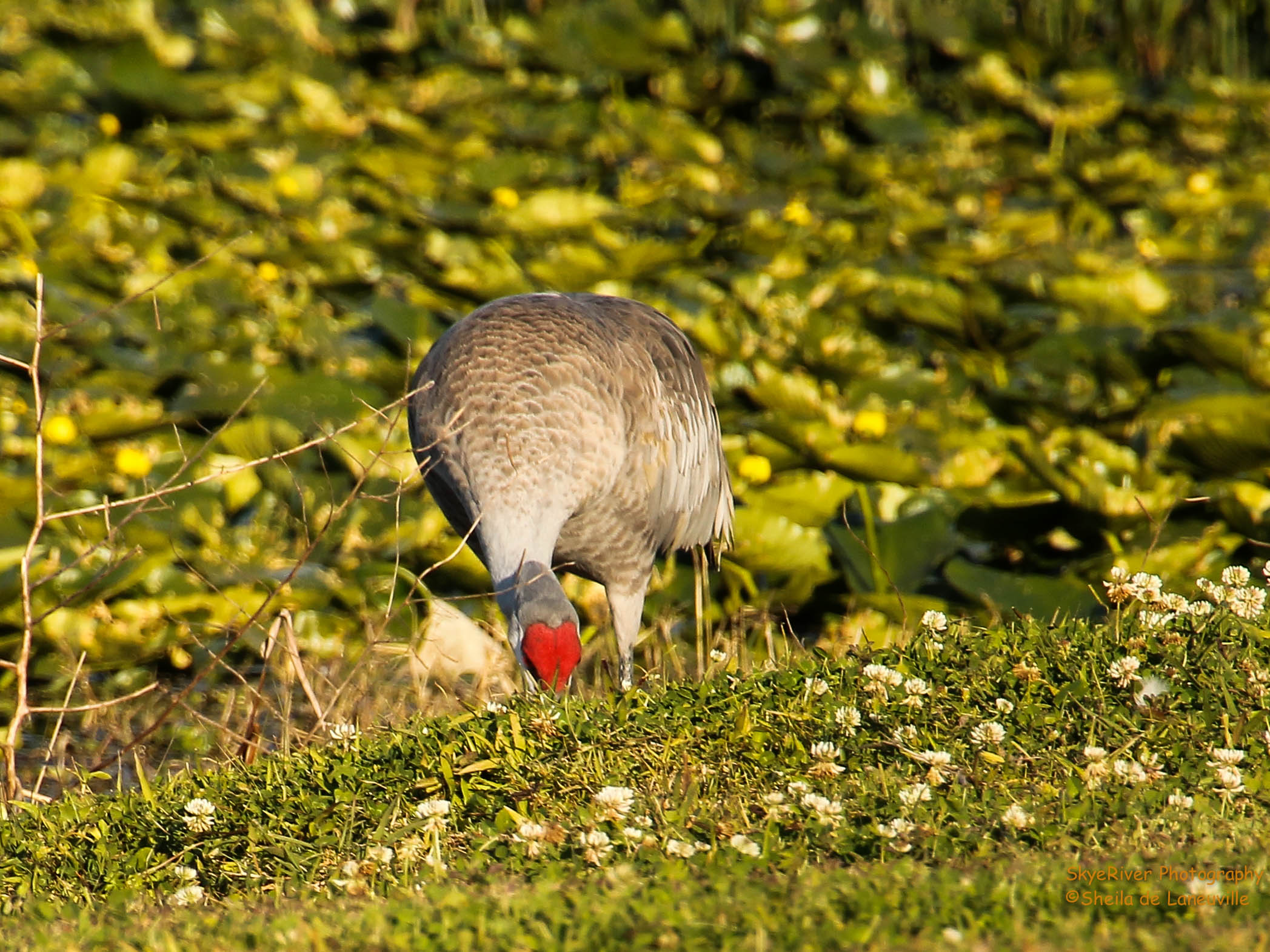
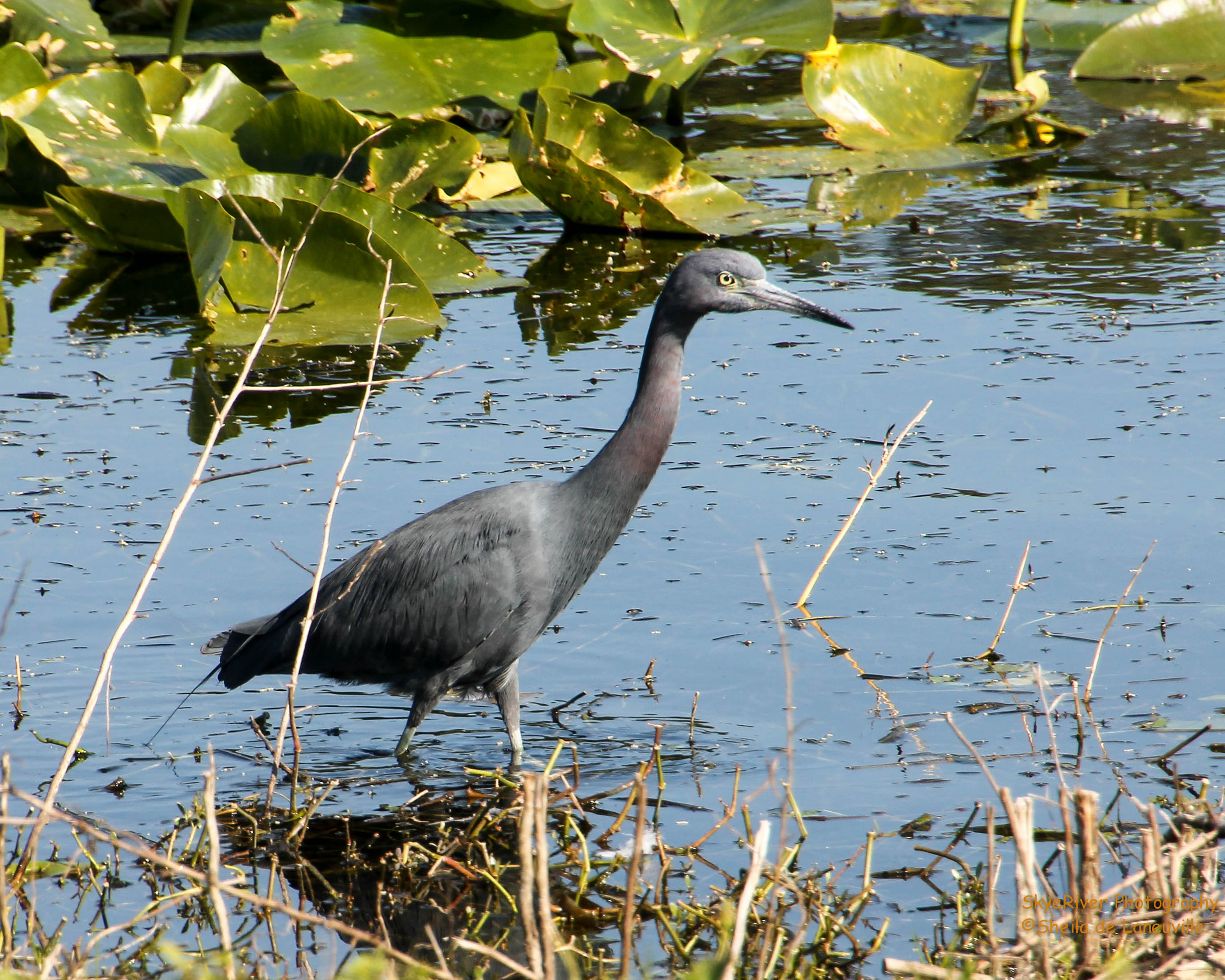
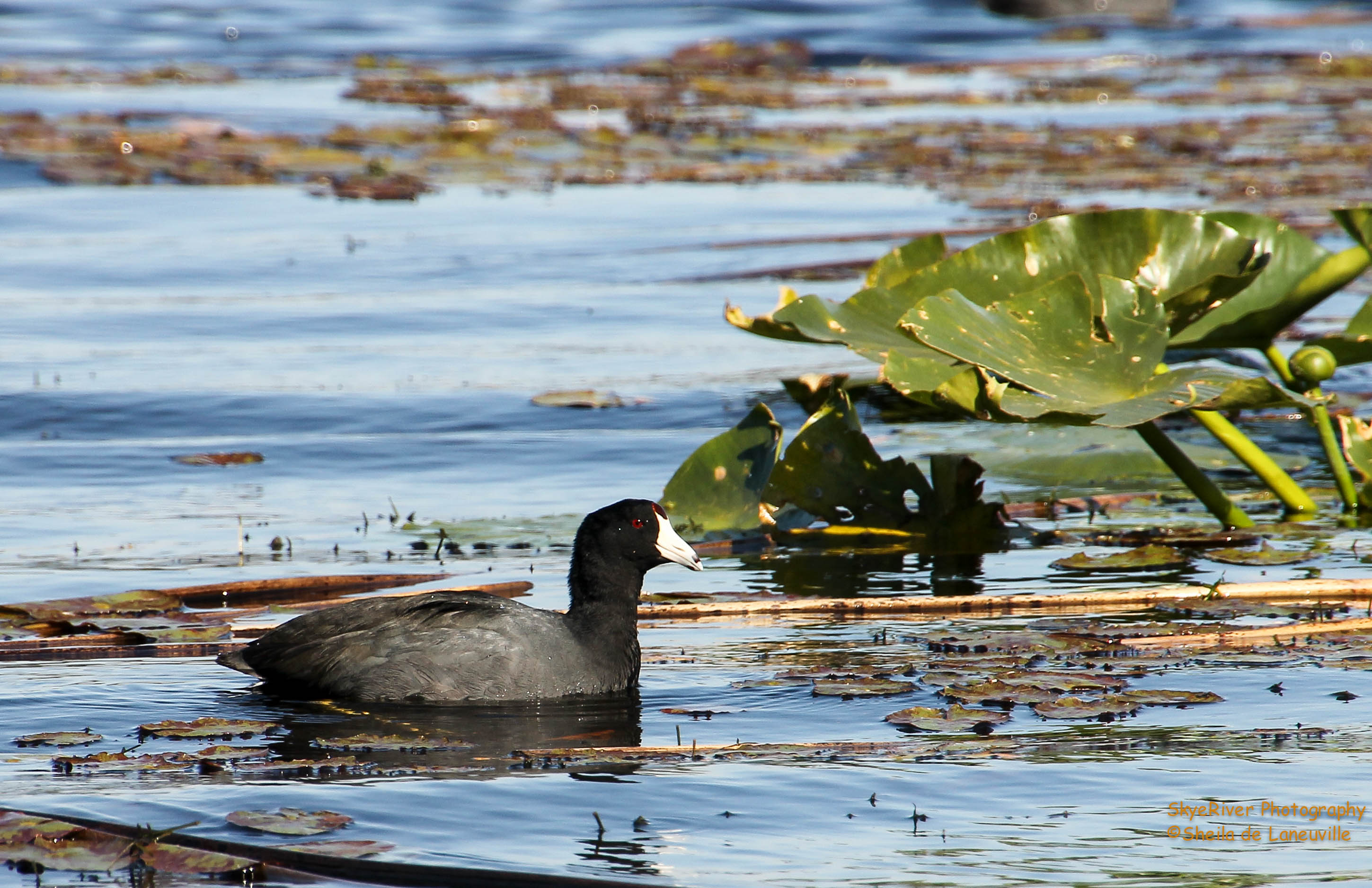
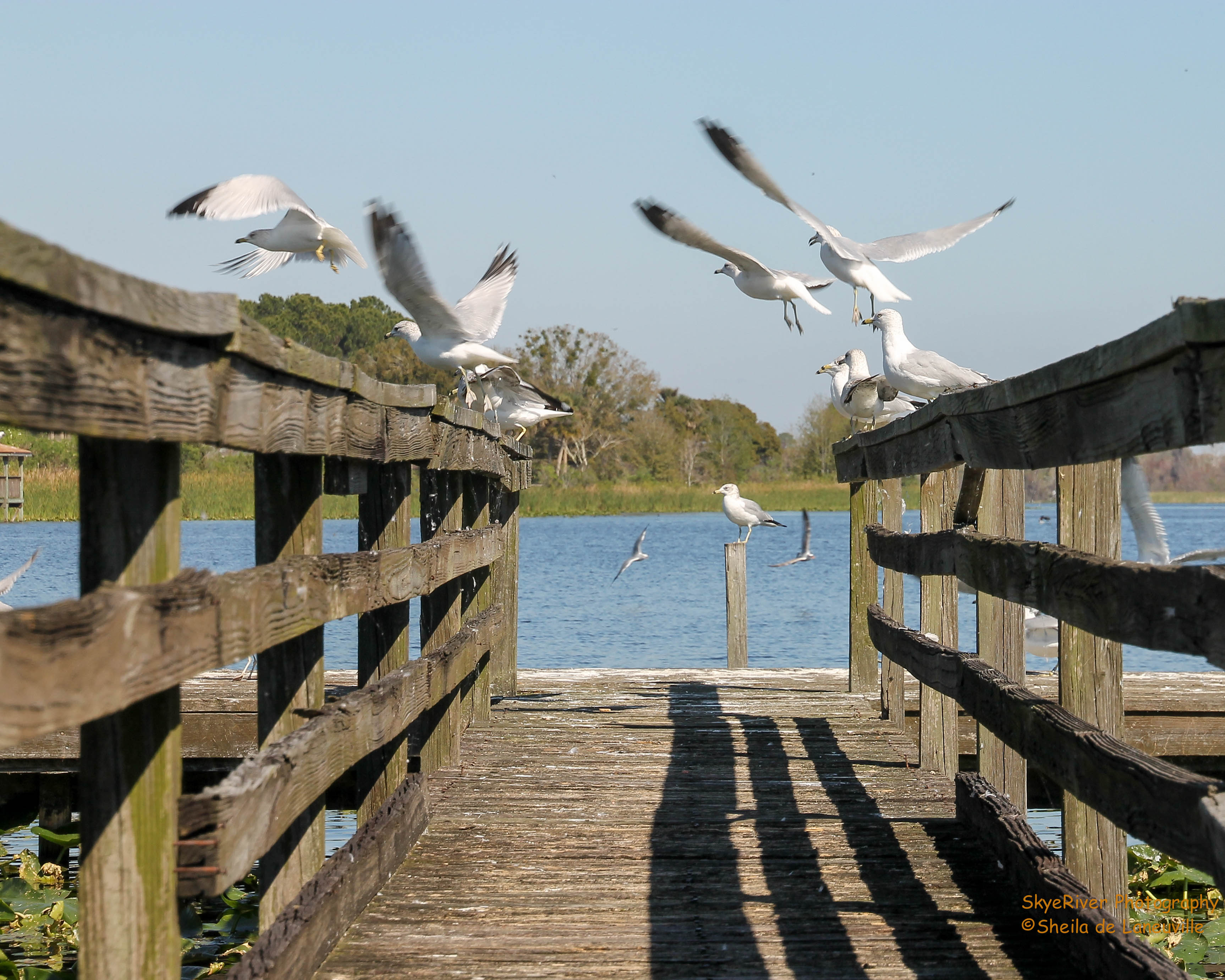
I hope you enjoy these photos taken along the shore of the lake at the Central Florida Fairgrounds in Orlando, Florida.
Smooth LandingHandsome DevilCourtship at the DocksI send you HeartsLittle Blue I Love YouWalk this WayPretty and WhiteA Cute CootLooking for my Lady
We took a boat ride in brother-in-laws boat, down the Intracoastal Canal in Hobe Sound, Florida and I was able to capture a few bird shots along the way. It is difficult taking photos with the waves lapping against the boat, but the challenge is fun. I hope you enjoy them.
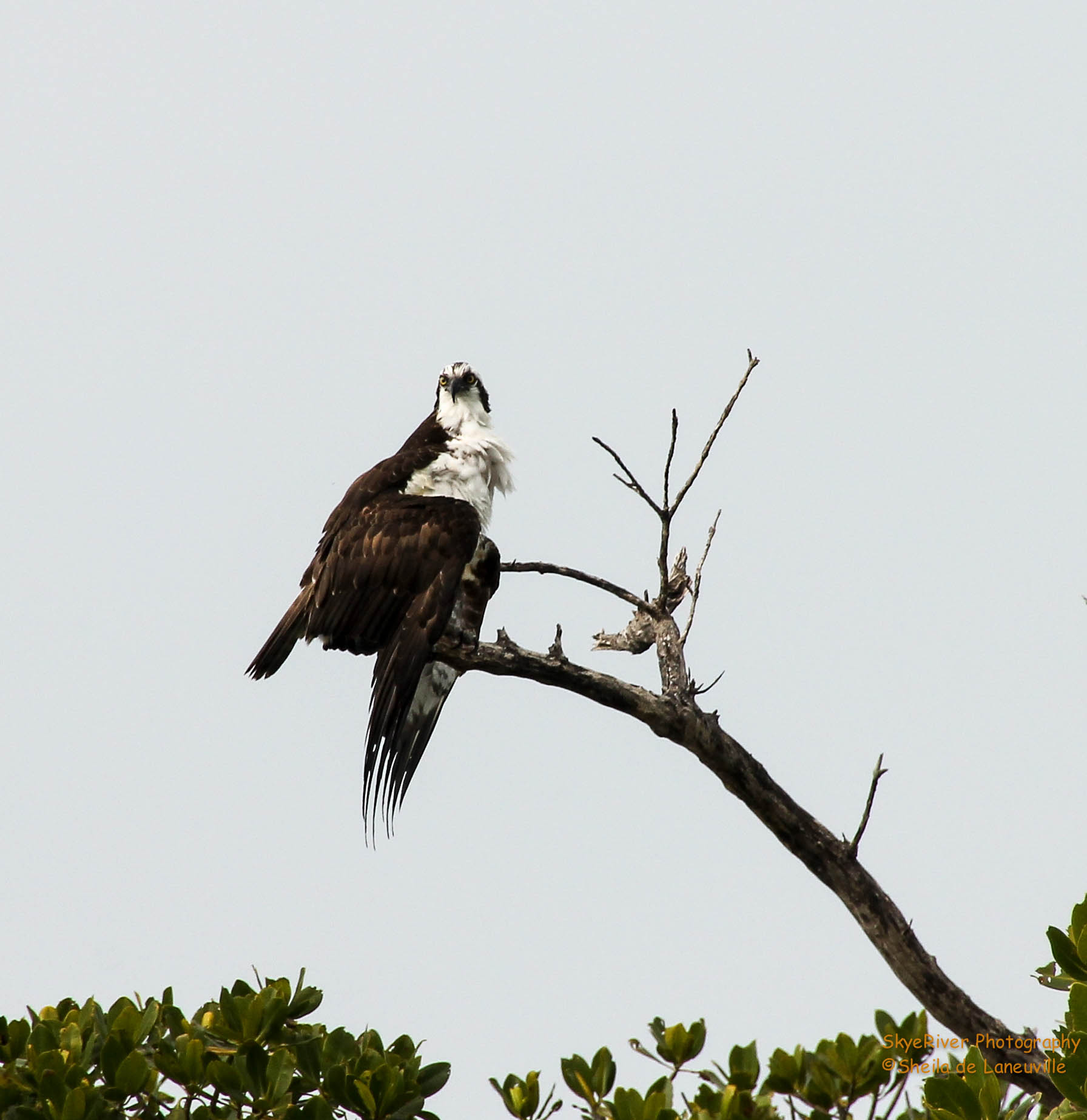
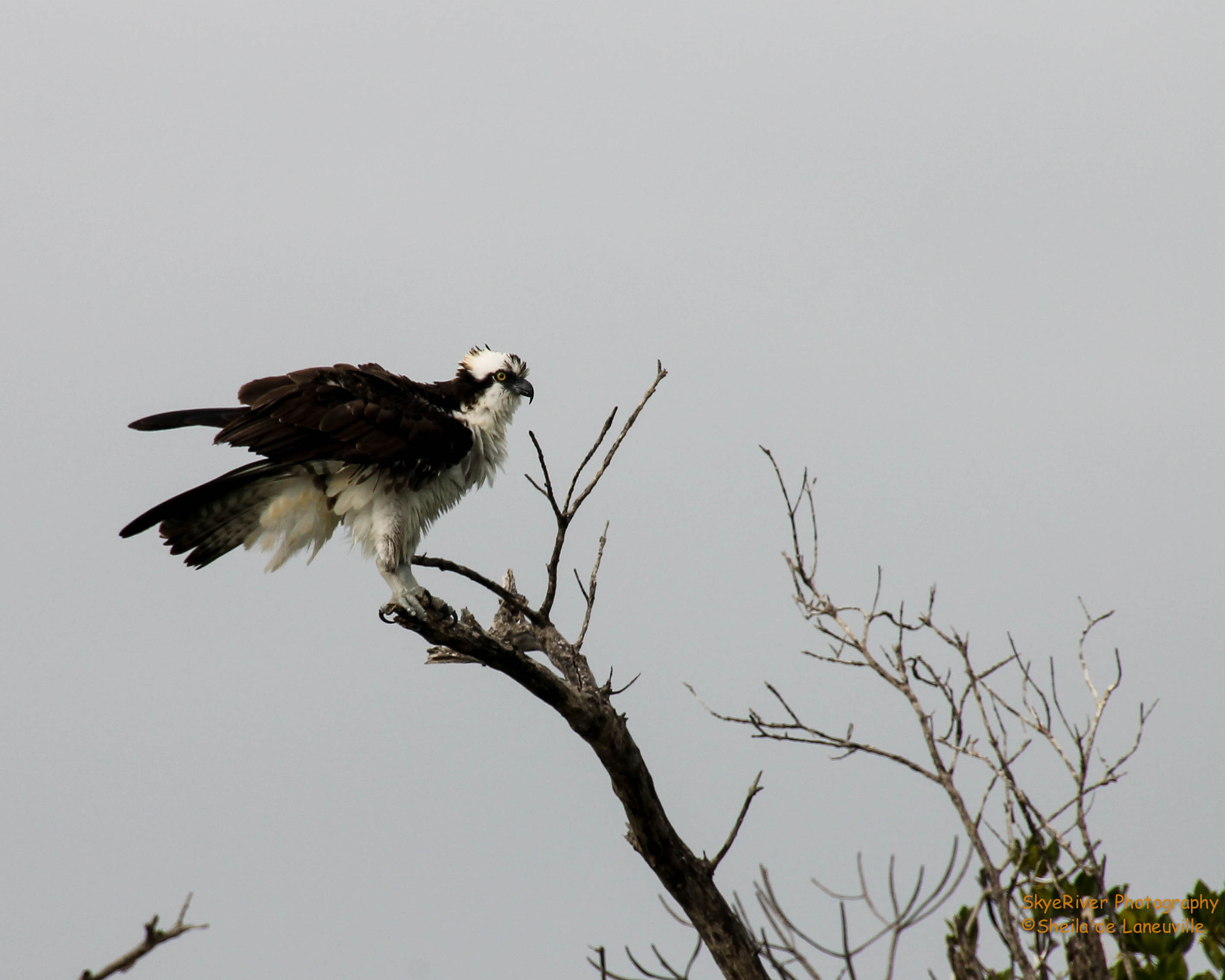
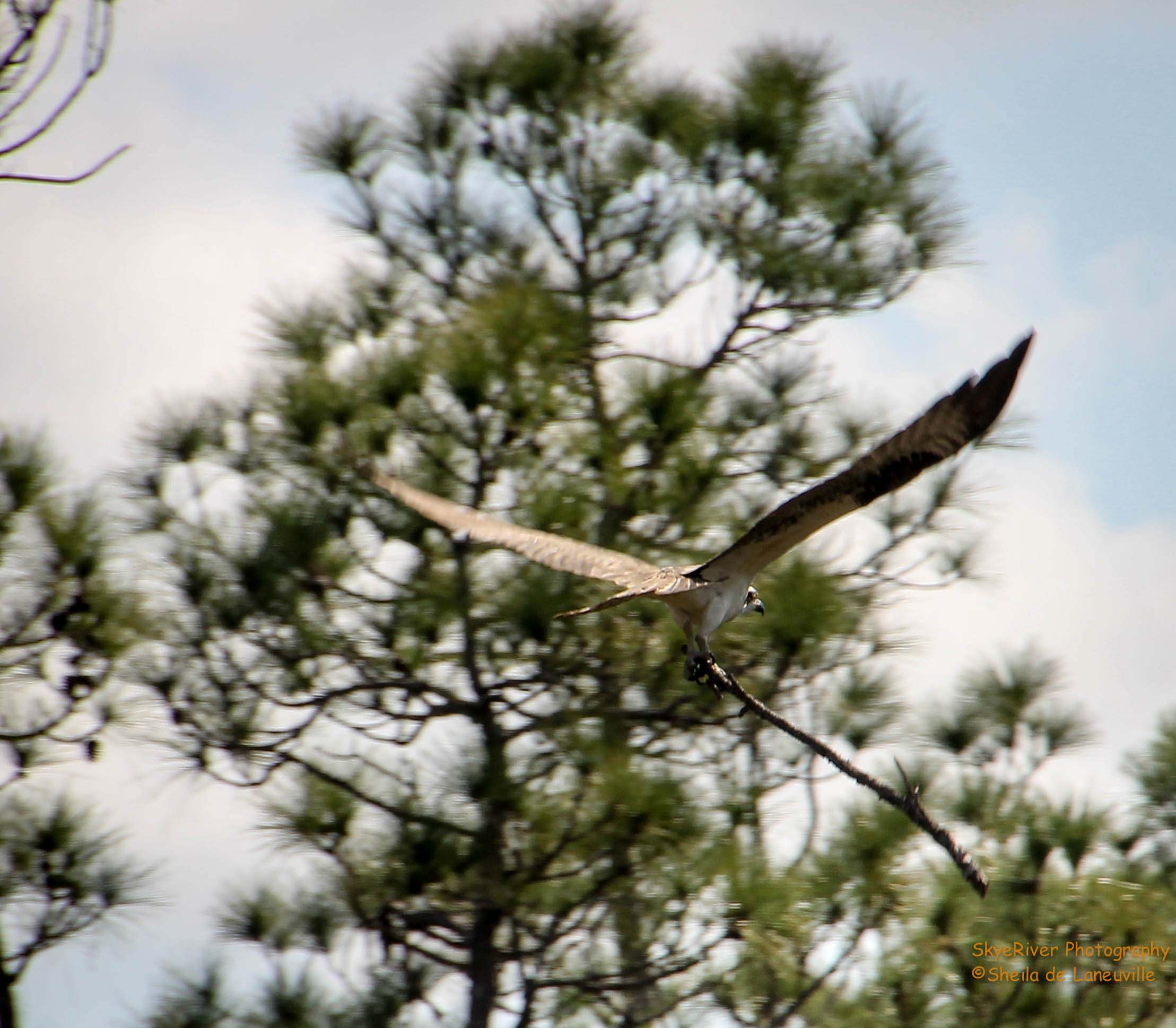
It is great to see so many Osprey nesting here in southern Florida. Too bad we are heading north when the chicks begin to hatch!
Drying its wingsShaking off the water after a dive for foodBeautiful Osprey. Its mate was sitting in a nest nearby.
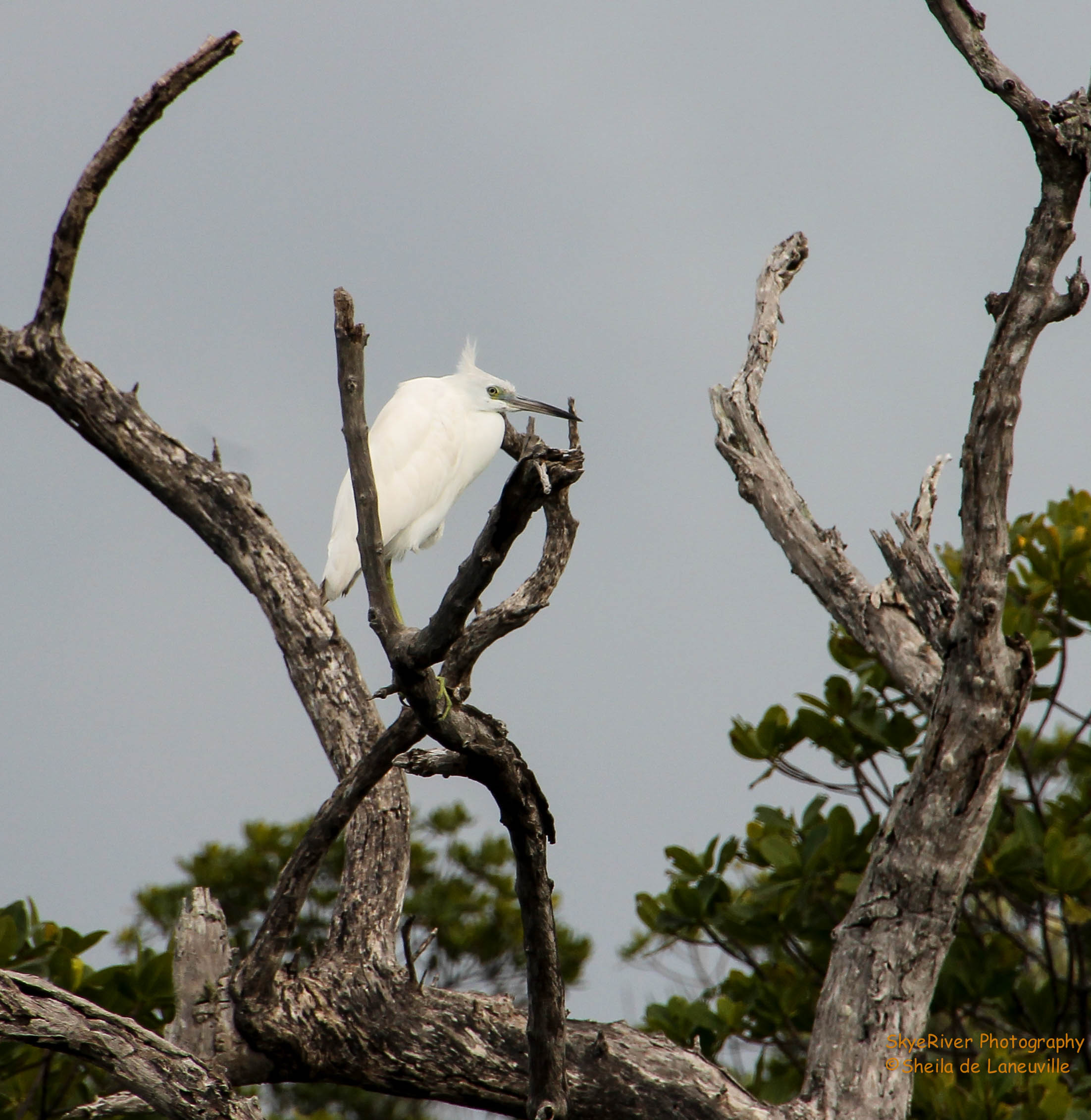
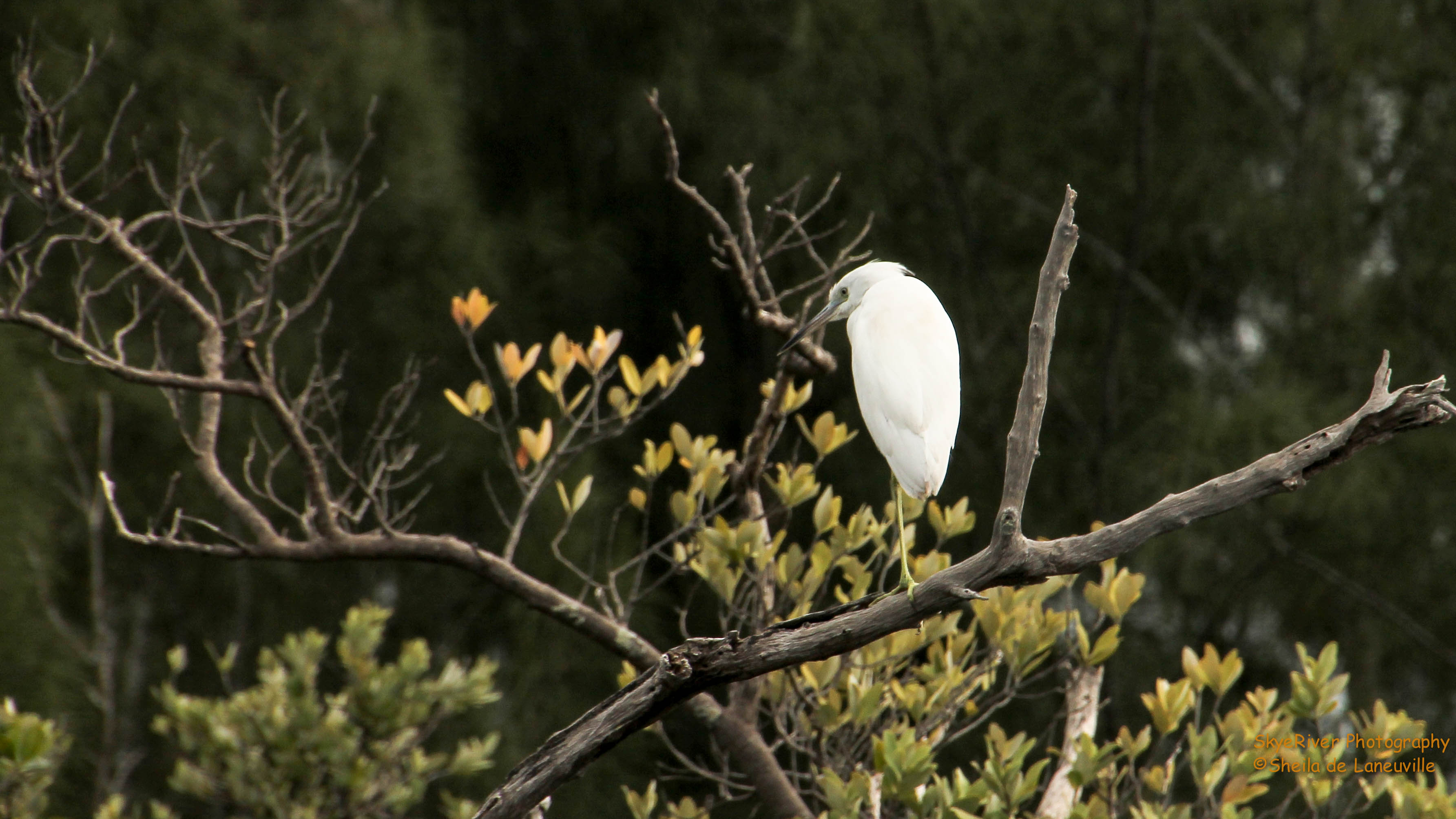
At first glance thought this was an Egret, but after a closer look determined it was a Great Blue! Note the yellow legs and colors around the eyes and bill.
Great Blue Heron, White phaseGreat Blue Heron, White phase
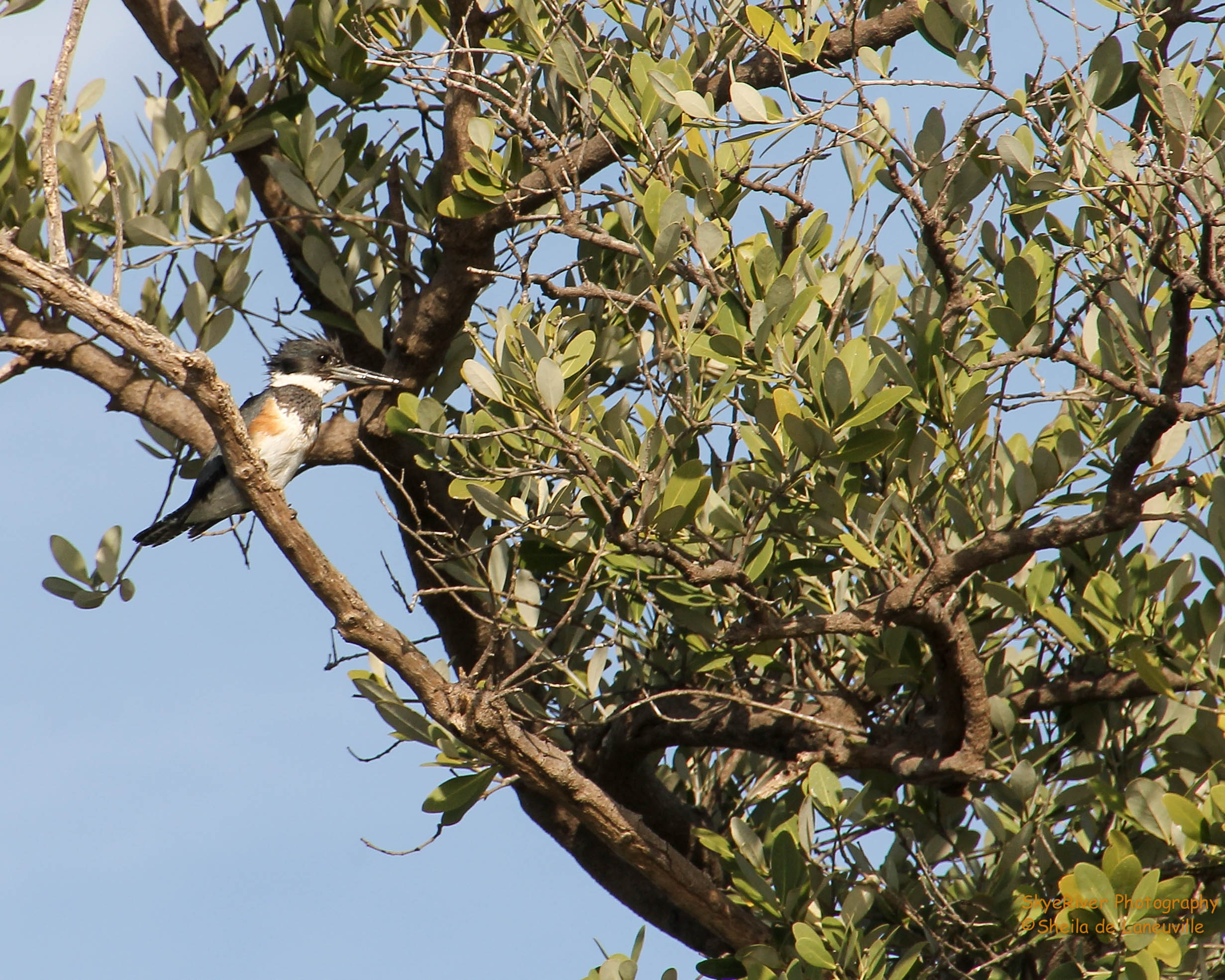
These guys don’t sit still long.
Belted Kingfisher fishing.
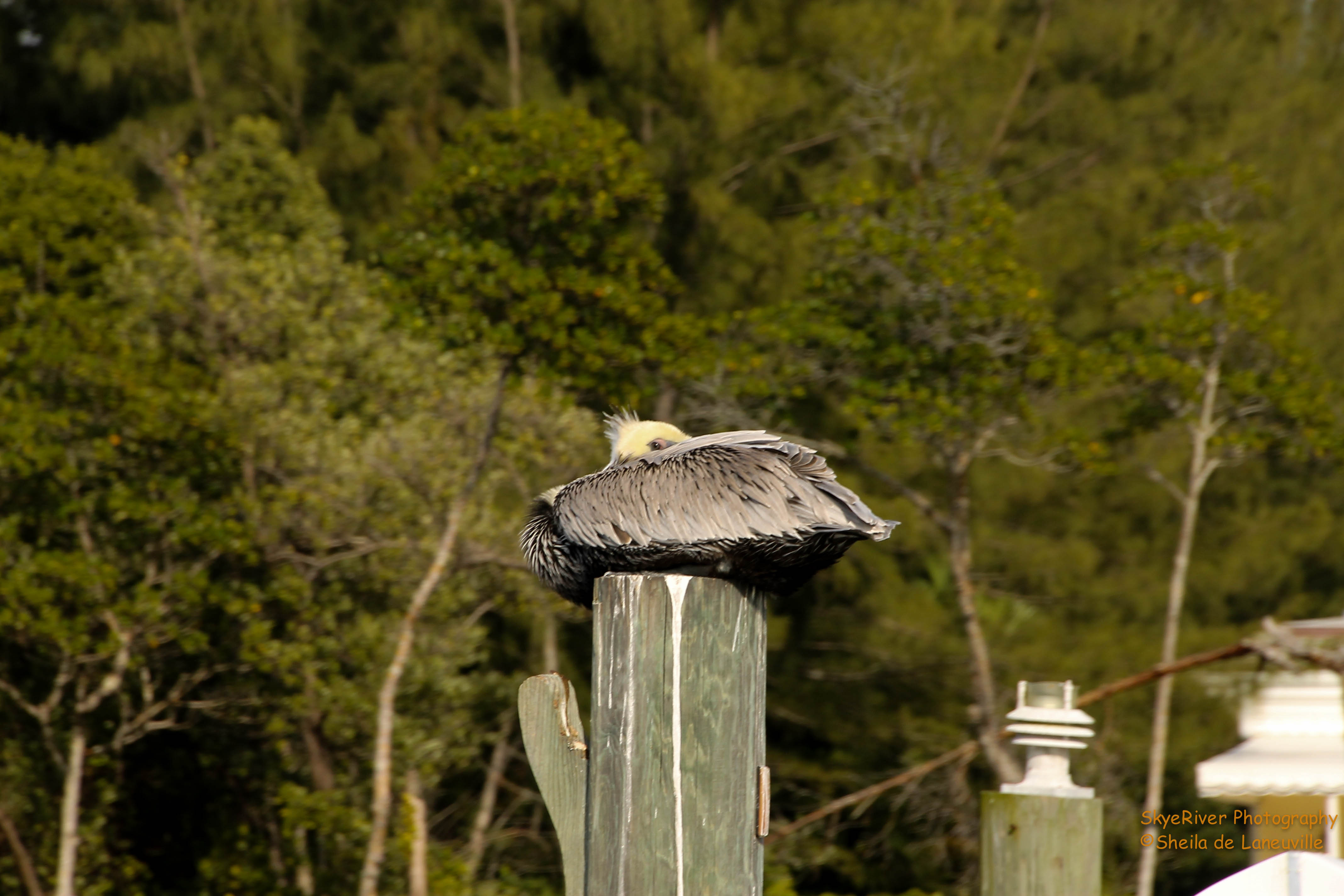
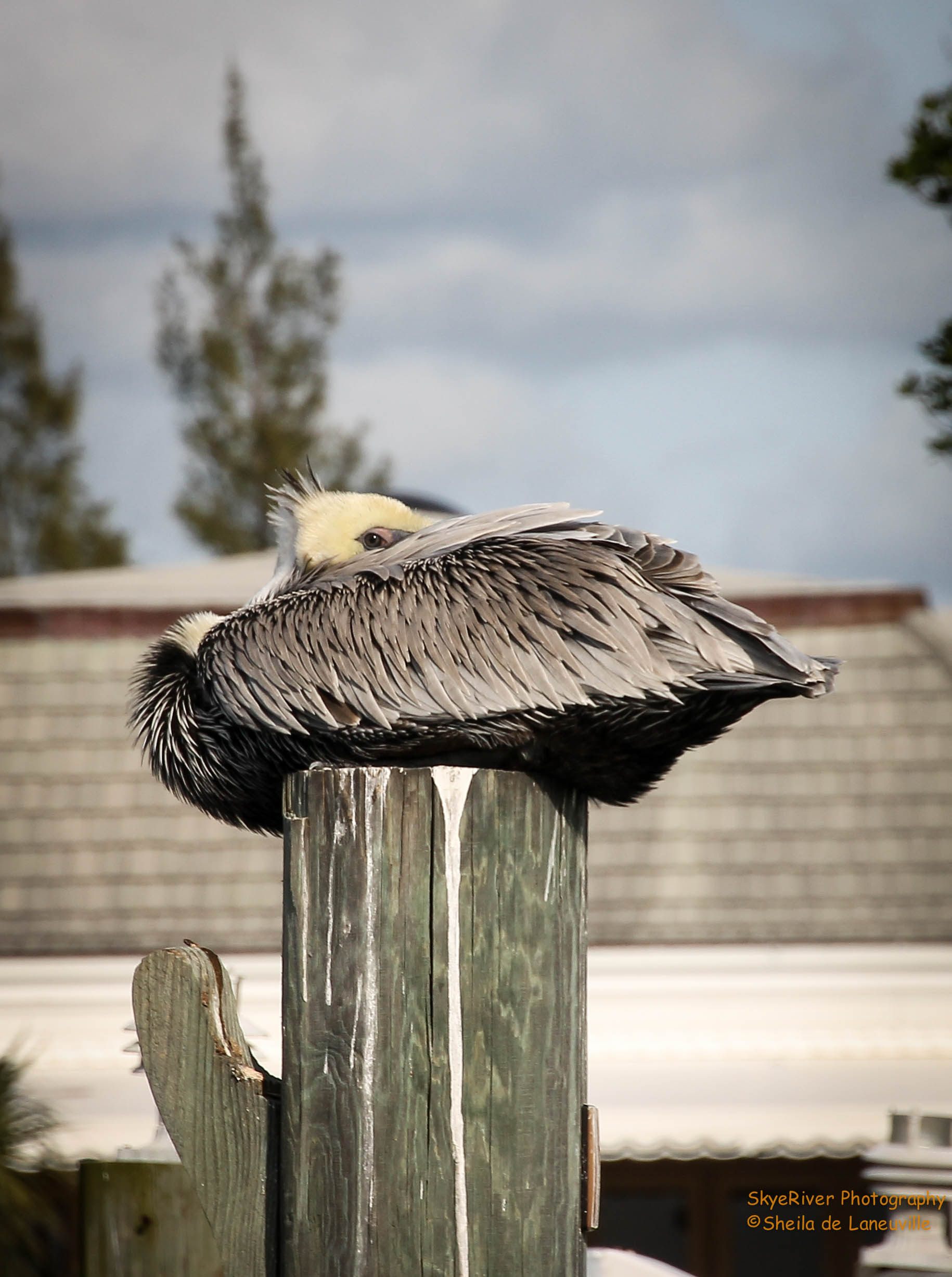
Pelicans are seen everywhere along the Intracoastal Canal; they love to snooze on pilings.
Brown Pelican“I’am watching you”
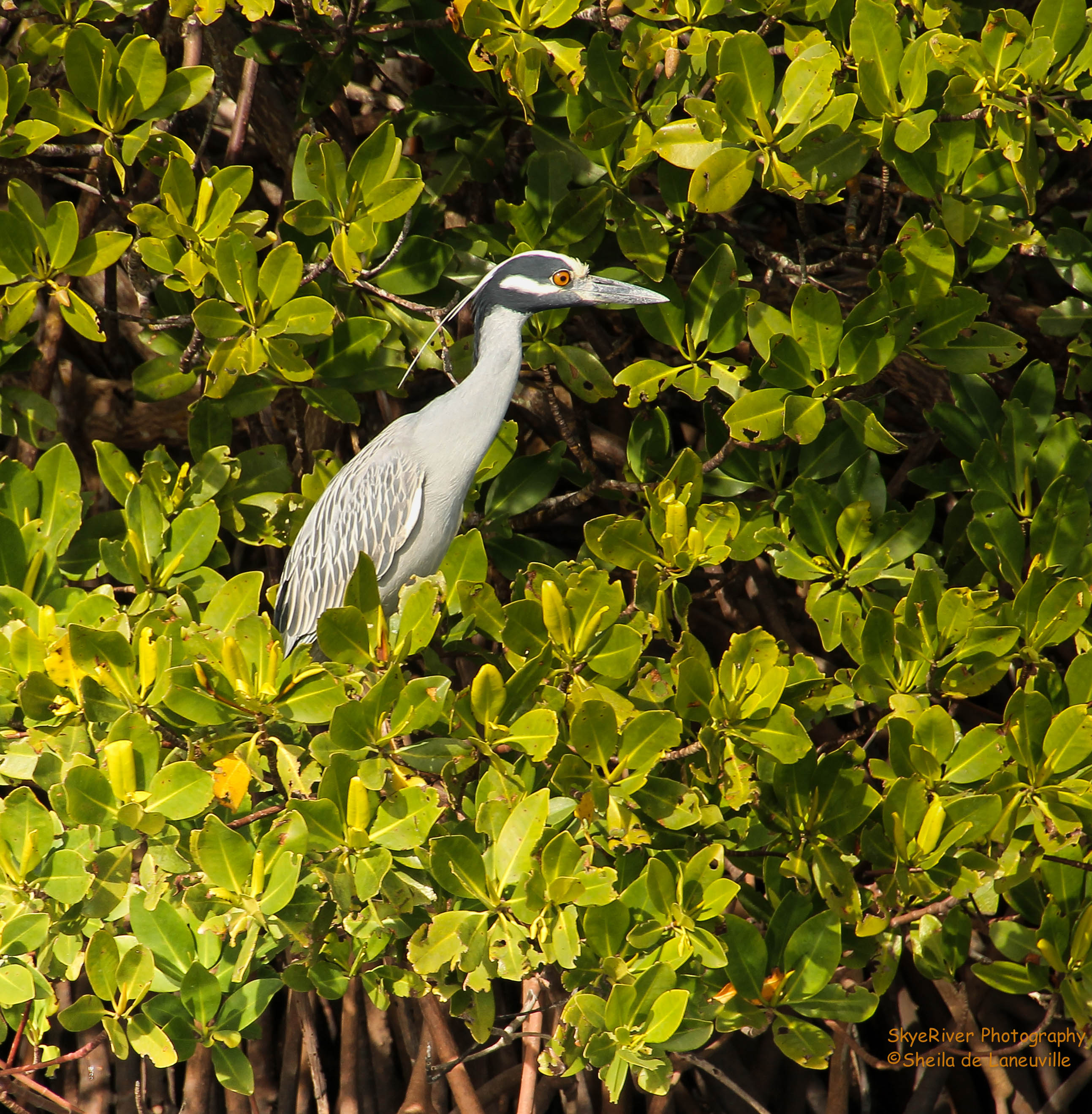
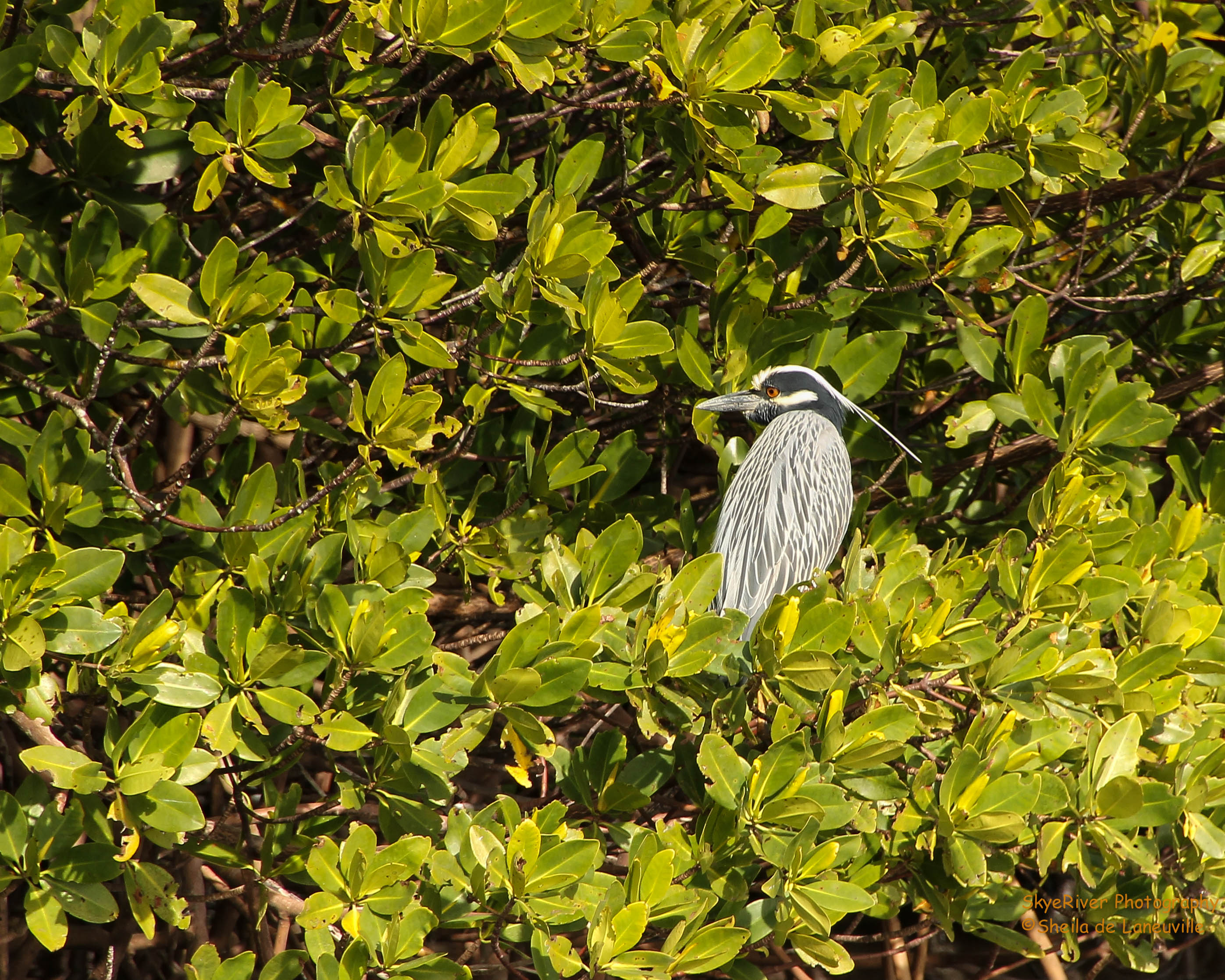
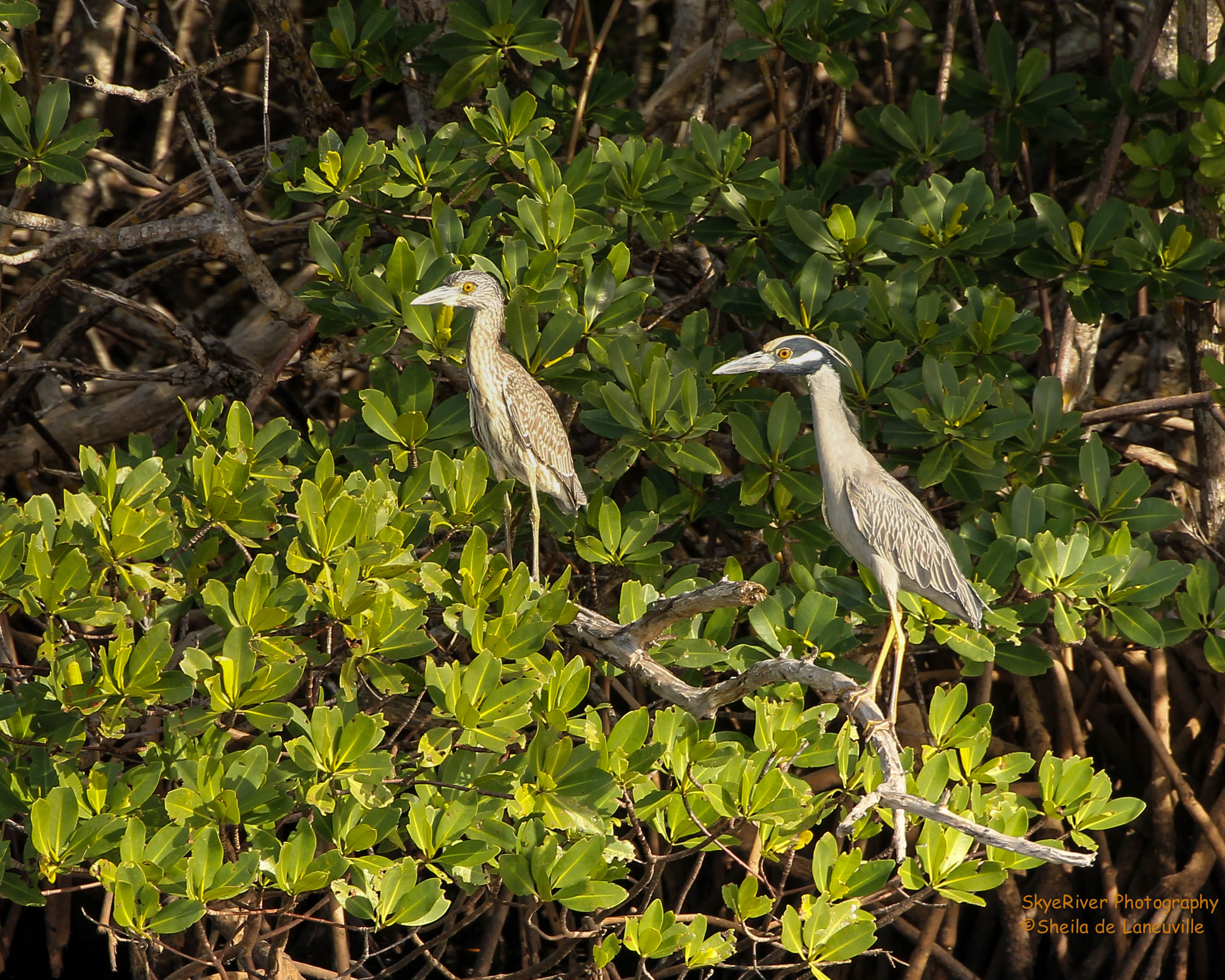
It was nice to see these Yellow-crowned Herons perched in the Mangroves.
Yellow-crowned Heron
Until next time….
Great Blue Heron, White phase
Keep a sharp eye out for potential danger
Sharing with Michelle at Rambling Woods for Nature Notes
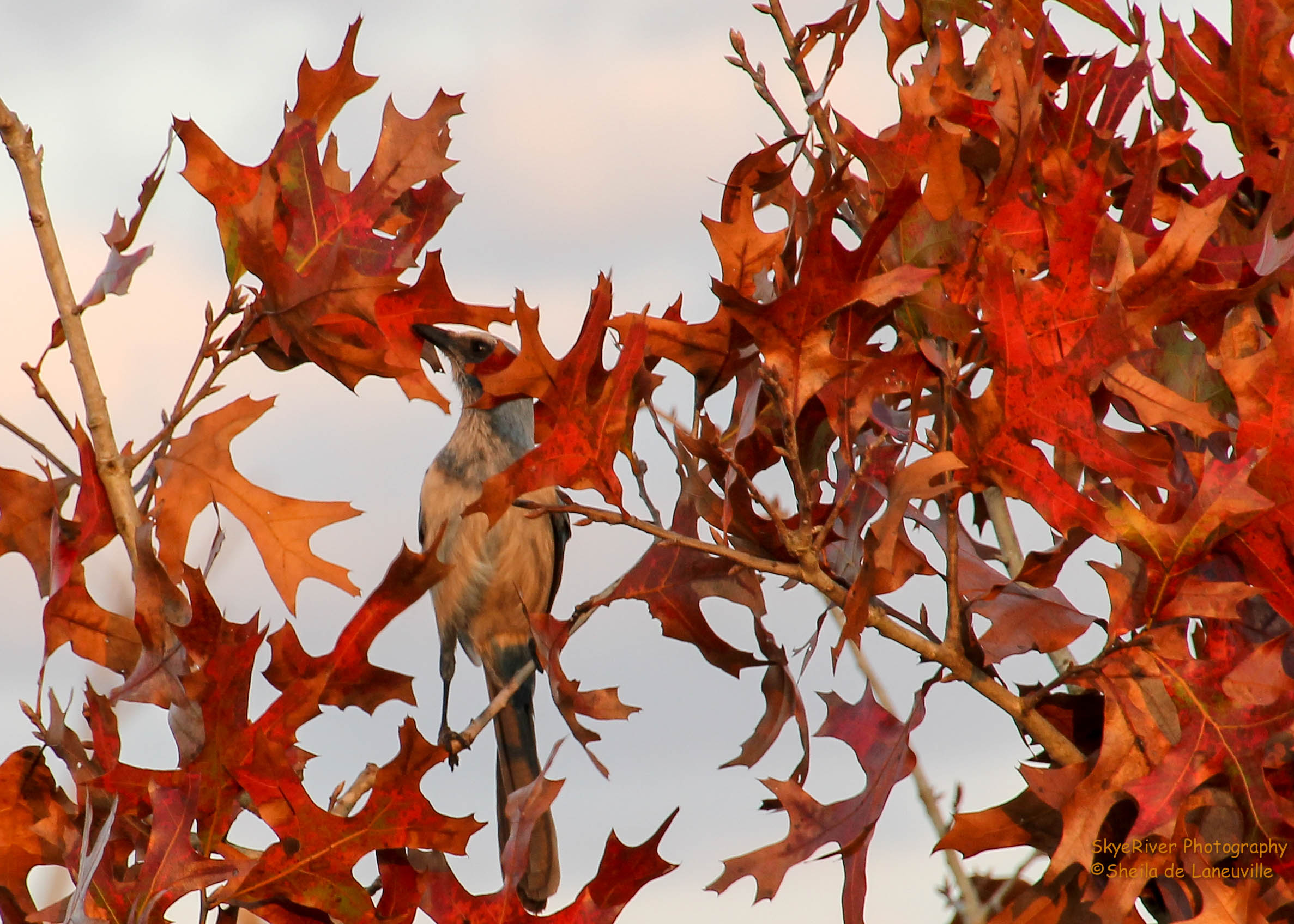
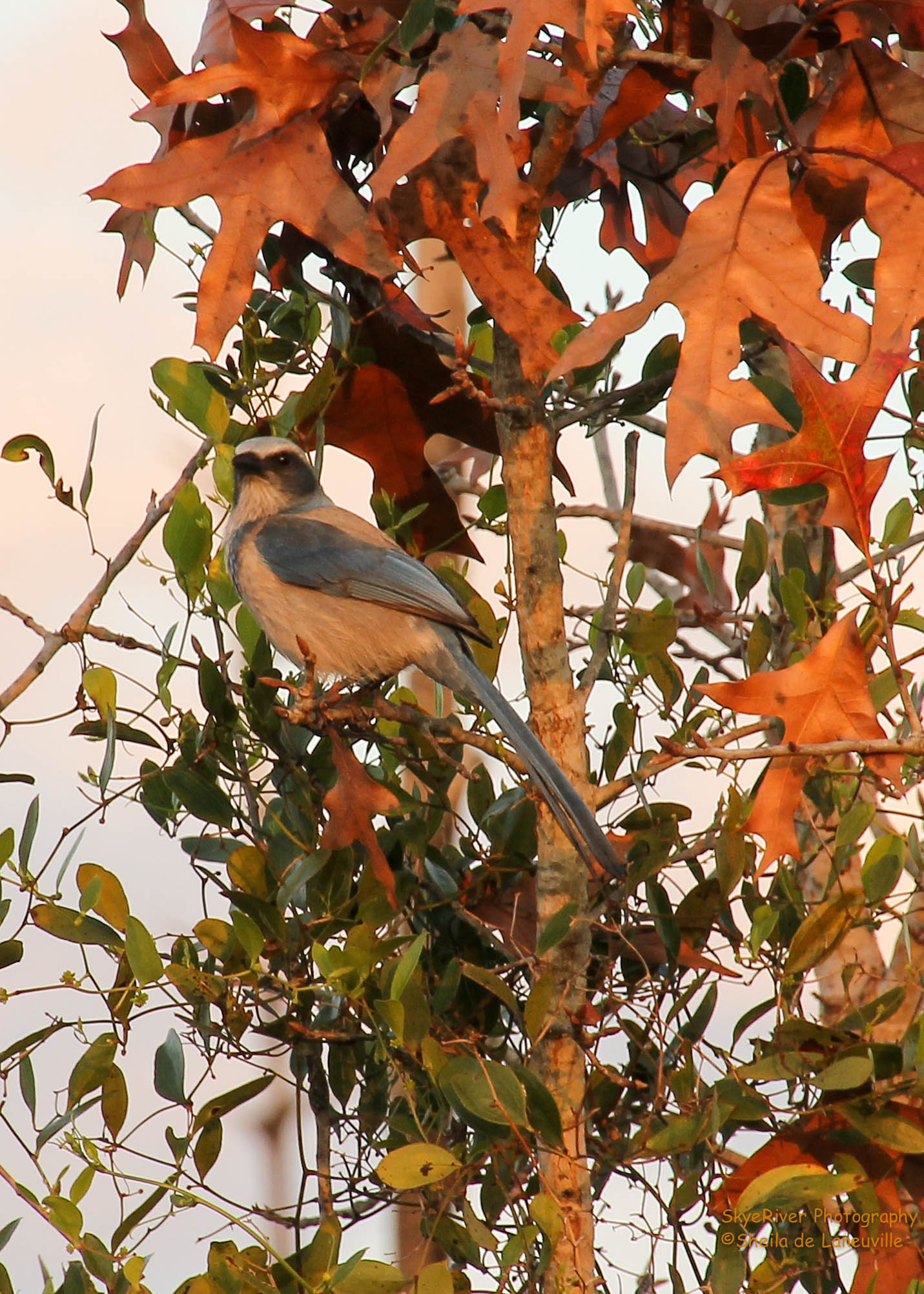
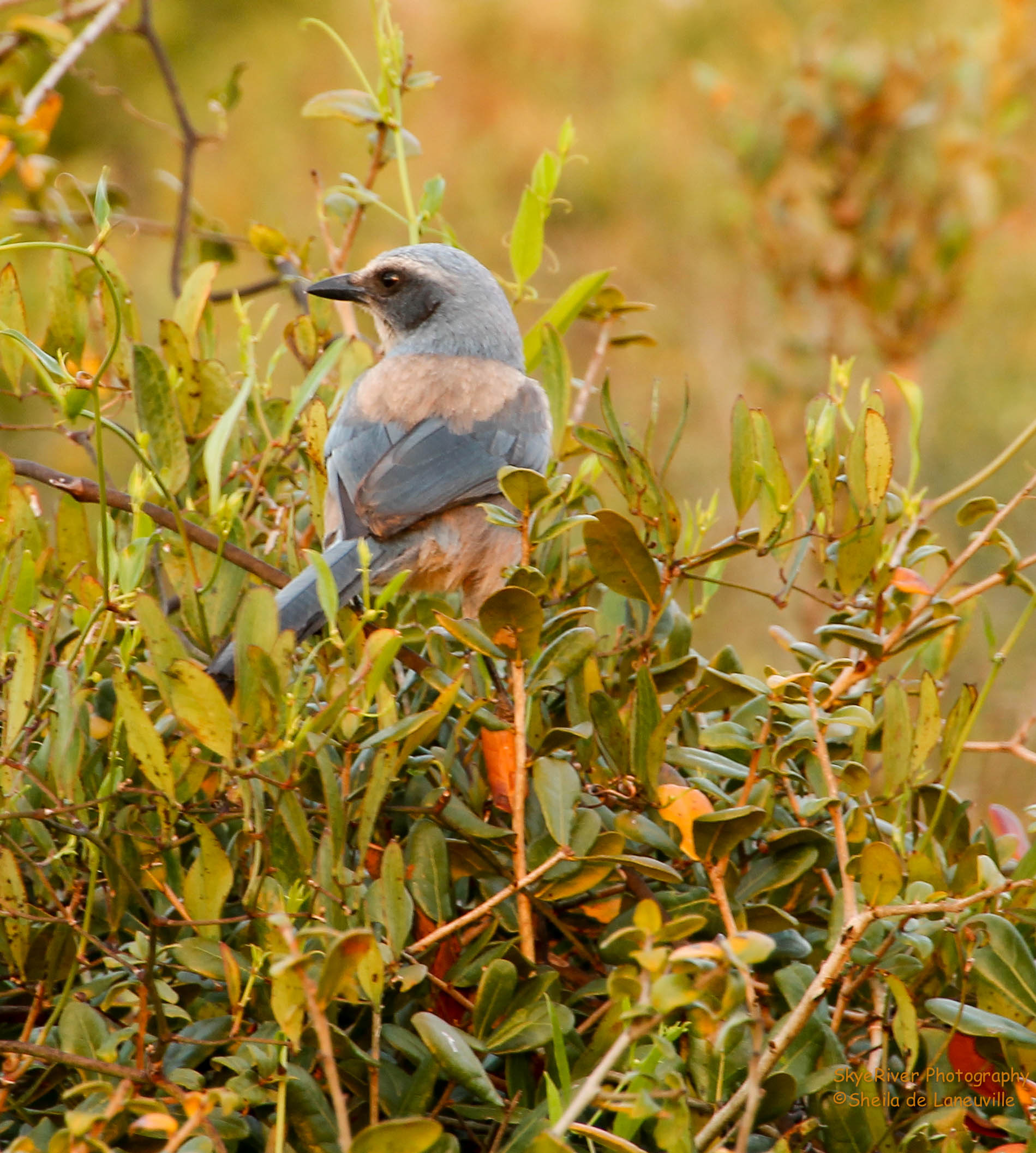
On a late evening stroll in Jonathan Dickinson State Park we spotted several Florida Scrub Jays. The evening light was nice and the birds were so busy searching for food they “sorta” ignored me. I wish I could have gotten closer, but they were in the shrubs well off the walking path. I noticed some were banded and at least one didn’t seem to have a band.
Florida Scrub JayFlorida Scrub JayFlorida Scrub JayFlorida Scrub Jay
The Florida scrub jay is one of the species of scrub jay native to North America. It is the only species of bird endemic to the U.S. state of Florida and one of only 15 species endemic to the United States. Because of this, it is heavily sought by birders who travel from across the country to observe this unique species. It is known to have been present in Florida as a distinct species for at least 2 million years, and is possibly derived from the ancestors of Woodhouse’s scrub jay, the inland forms of the western scrub jay. (2-wikipedia)
Relic Florida sand dunes left over from a time when sea levels were much higher are the only place in the world where you can find Florida scrub habitat. This extreme habitat born of the sea and maintained by fire is the only home of the Florida Scrub-Jay. Unfortunately, high, dry and well-drained land is prime habitat for housing subdivisions and orange groves too, and little scrub remains for the jays. The scrub still in existence has been fragmented, and as a result has not enjoyed the renewing effects of fire which keep the habitat healthy. As a result, scrub-jay habitat and scrub-jay numbers are dwindling.
The Florida Scrub-Jay was classified as a Threatened species by the state in 1975, and by the federal government in 1987, but these designations have failed to halt the population decline. By 1993, Florida Scrub-jay populations had declined an estimated 90%, to about 10,000 individuals. Since then, further, severe declines have been documented in some Scrub-jay populations in Brevard County and elsewhere. (1-Audubon)
To learn more about the Florida Scrub Jay go here:















 Wolf Song Blog