Saying goodbye, with some final photos, from the Bear River Migratory Bird Refuge
Great Blue Heron
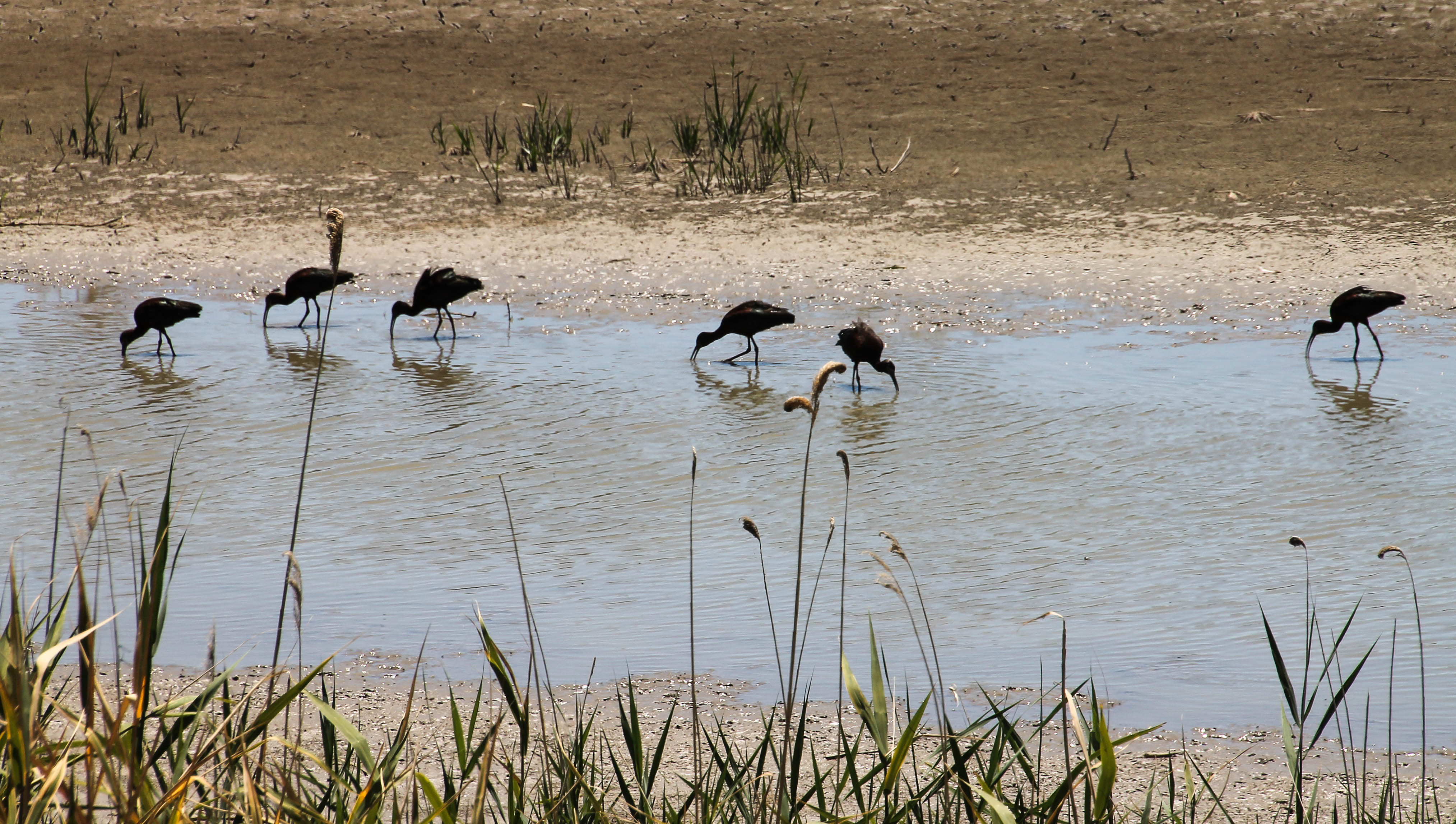
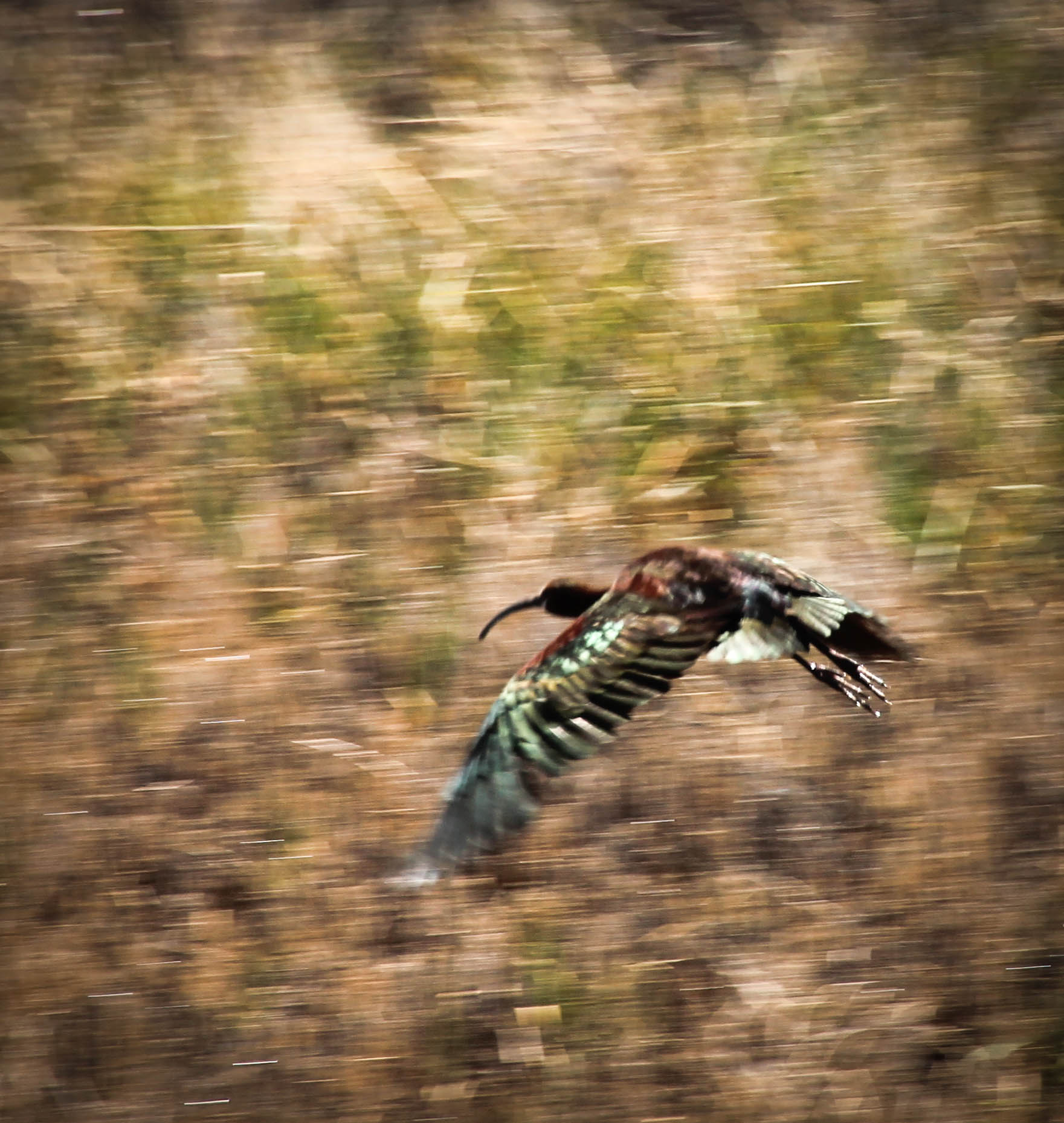
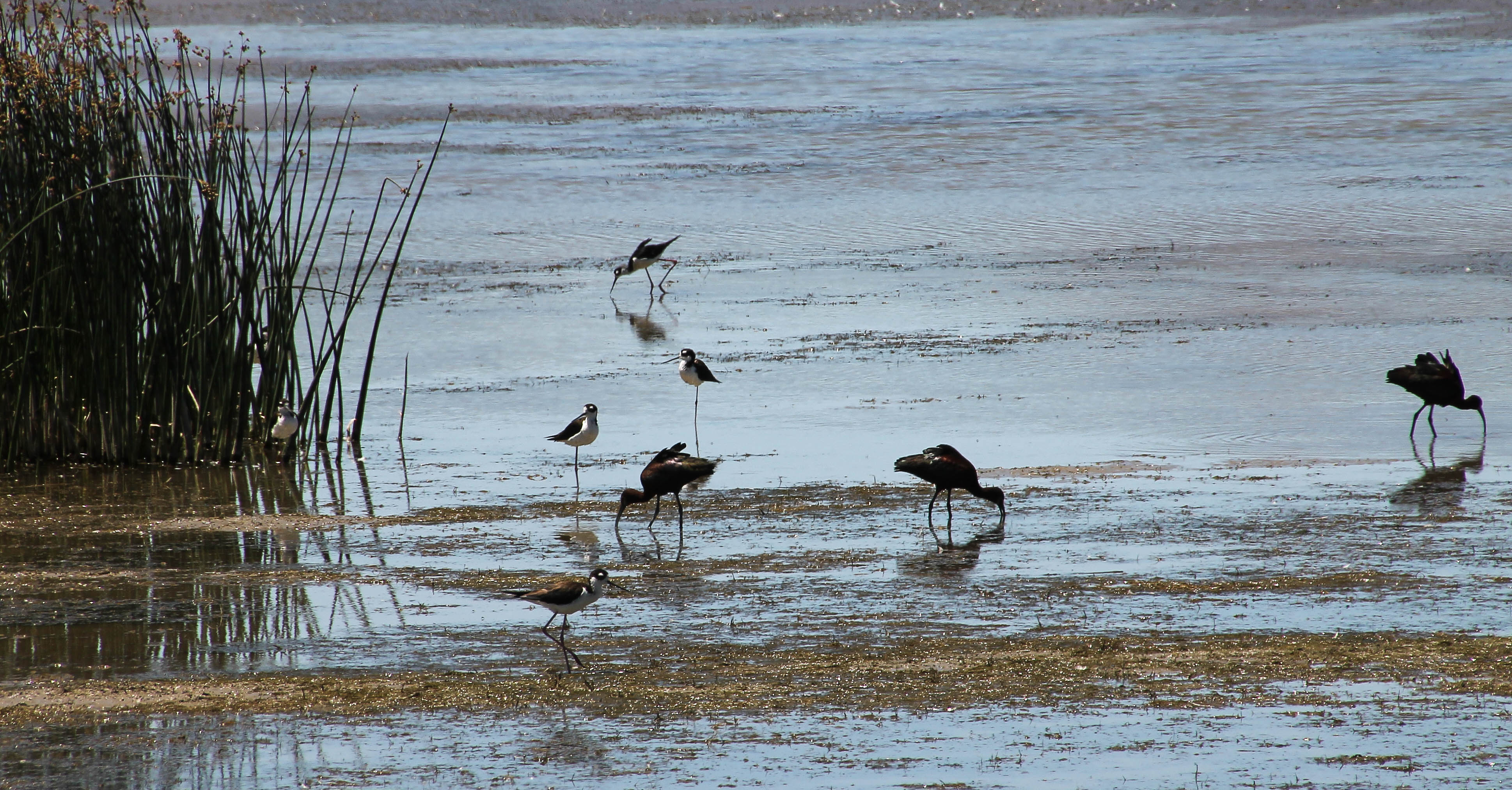
As part of the Great Salt Lake ecosystem, the Refuge now hosts the largest colony of White-faced ibis in Northern America. The wet meadows and mudflats on and surrounding the Refuge are excellent feeding habitat and bring the ibis in from April through October, and the deep emergent marshes provide nesting habitat for the colony throughout the summer. (taken from their web-site)
White-faced Ibis
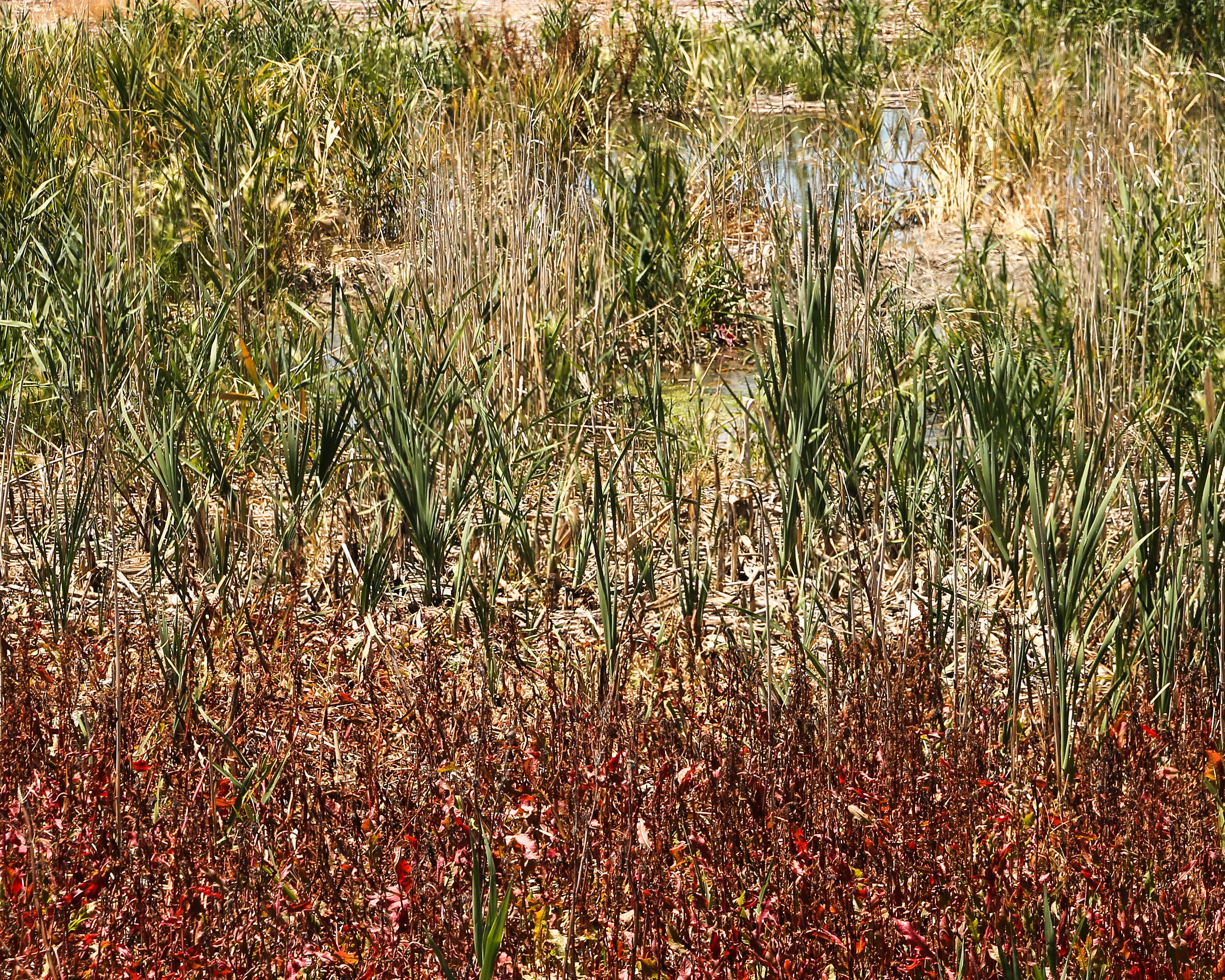
Colors of a Summer Marsh
White-faced Ibis
Great Blue Heron
White-faced Ibis
Except for a few Grebe photos, which I will post later, these are the final grouping of photos from Bear River Migratory Bird Refuge. I mentioned, in a previous post, the film we watched at the visitor center. This film showed Grebes doing their mating ritual. It was amazing; I will never again gaze upon a Grebe without thinking of their beautiful dance!
We spent two nights, last Sunday and Monday at Willard Bay State Park and a few hours at the refuge. I took over 200 photos of this beautiful area. Hopefully, one day we will visit again.
Moving on:
Tuesday we arrived at Three Island Crossing State Park in Idaho and camped along the Snake River. Photos of this beautiful area coming up next.
We are currently at LaPine State Park to the south of Bend and north of LaPine, Oregon camped along the Deschutes River. Another gorgeous river. We have been camped here since Wednesday. In the morning we head to Bullards Beach State Park near Bandon, Oregon.
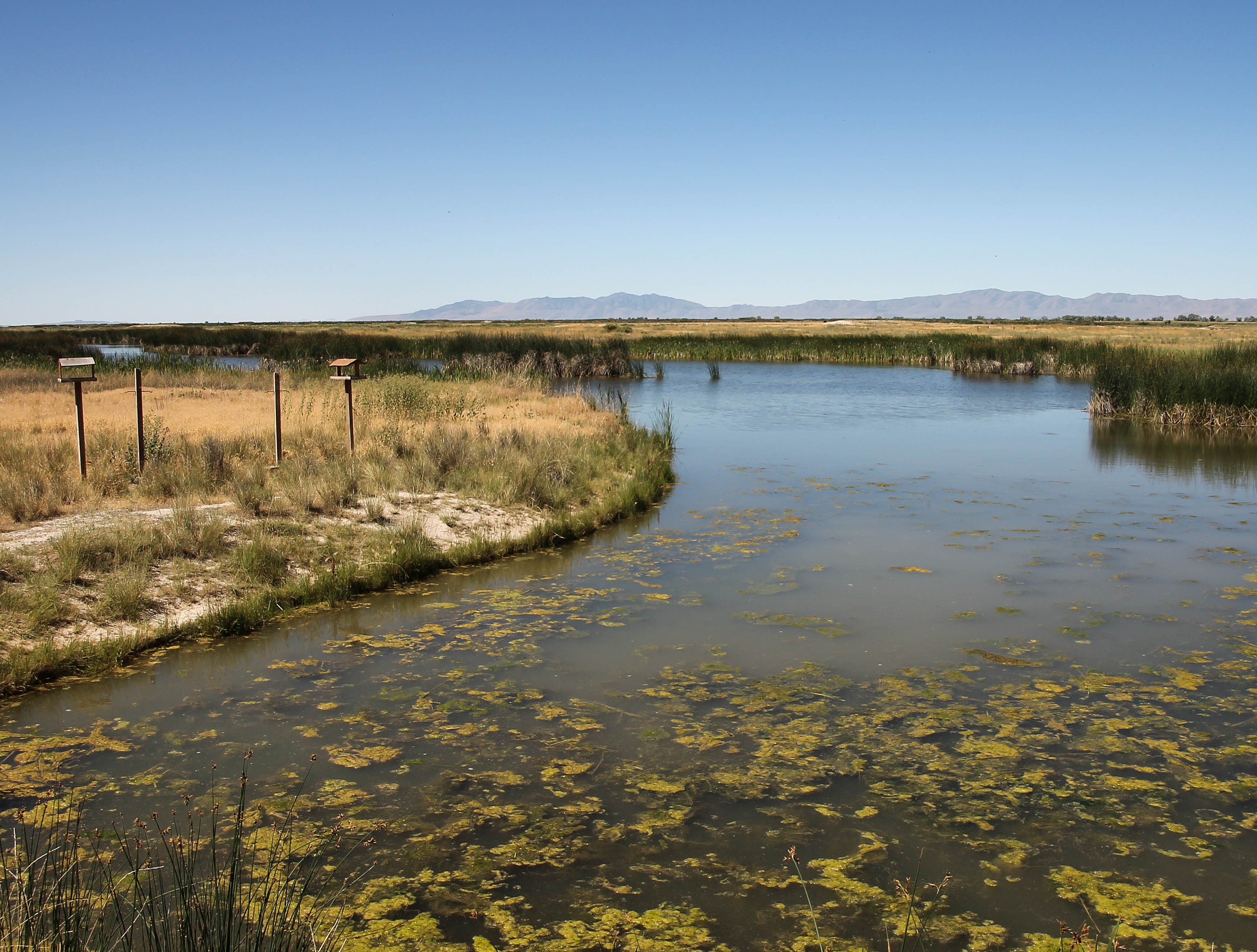
High above the marsh as we walk along the boardwalk toward the entrance to the bird refuge, tall reeds wave gently in the breeze below, showing off their summer colors.
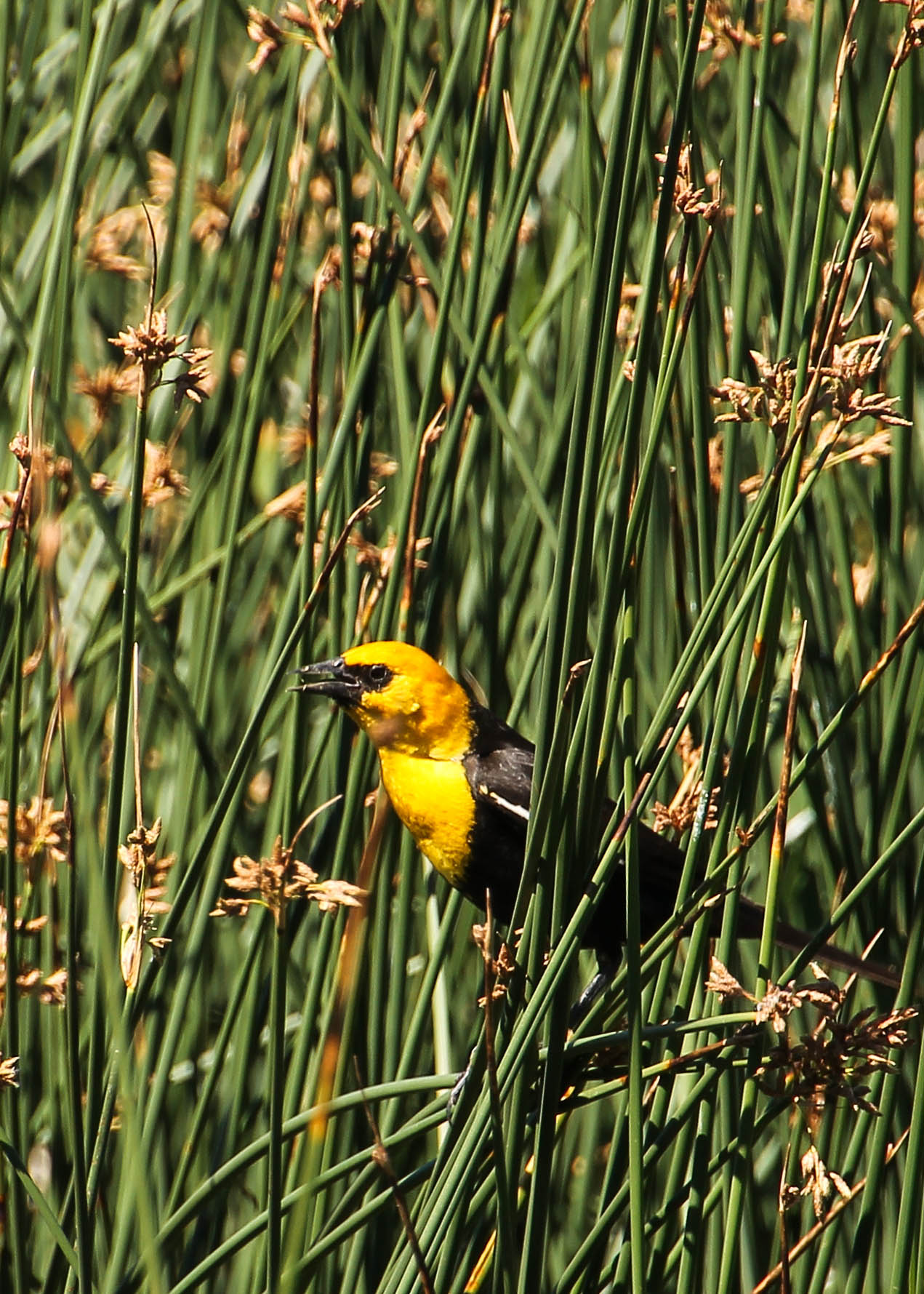
I can hear birds singing. As we stop to take in the surrounding beauty, I spot Barn Swallows performing their acrobatics, Dragonflies trying to stay out of their reach and these gorgeous Yellow-headed Blackbirds singing their welcome.
There are several and we are delighted. It has been many years since we have seen the Yellow-headed Blackbird. The brightly colored males are sitting among the swaying reeds, showing off their handsomeness for us.
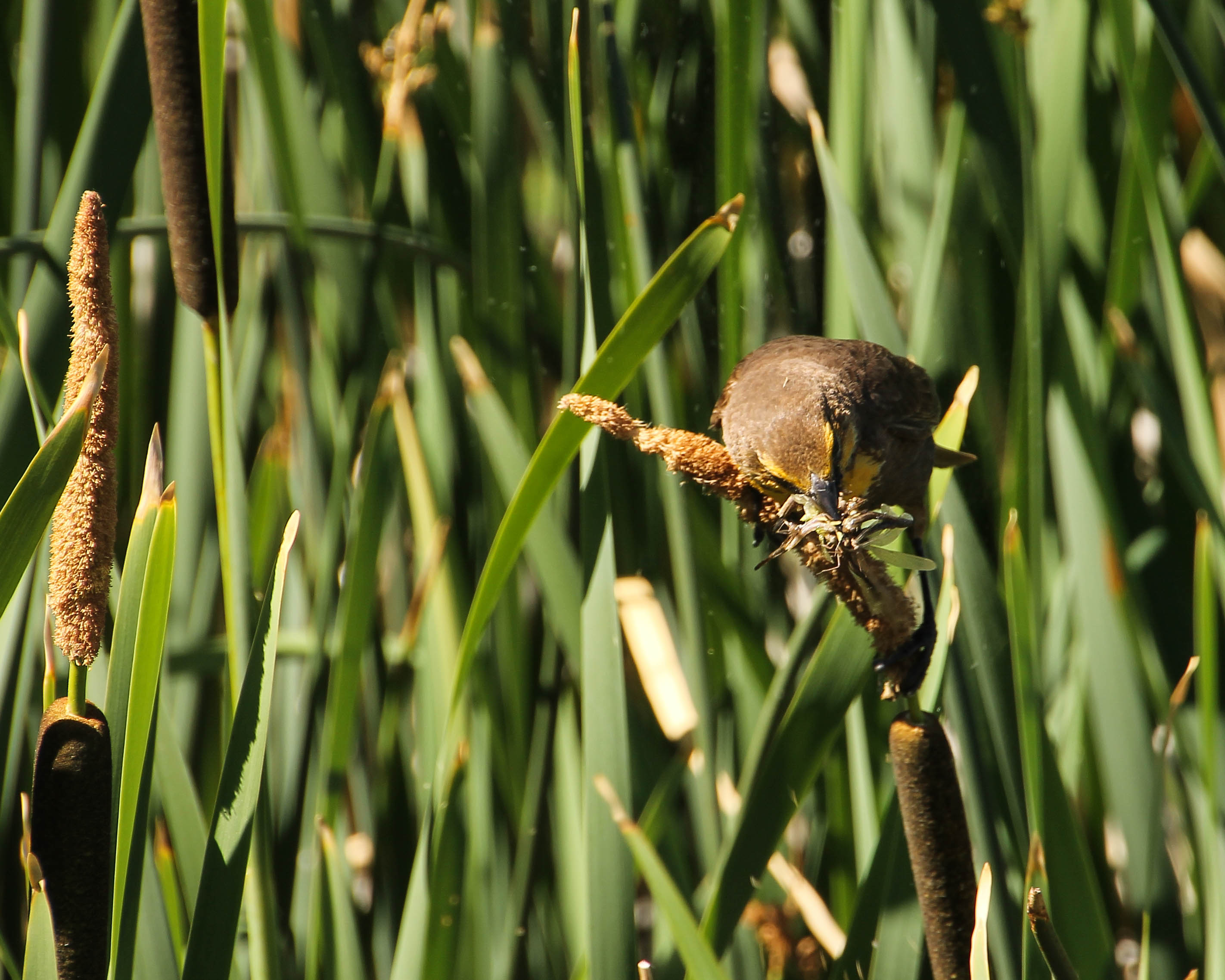
The lovely female, with her muted patch of gold, is busy catching Dragonflies for her babies. We stand in awe watching these birds. Finally, the female becomes brave, perhaps knowing we are not a threat, and delivers her mouthful of bugs to her babies.
Down she goes into the reeds and out of sight. We can’t see the nest even though we try diligently to get a glimpse; they have done a masterful job of hiding their nursery.
Yellow-headed BlackbirdIts a warm day and the birds are hotLooking for bugsSitting proudlyYellow-headed Blackbird (female)Got a bug!Down she goes to feed her baby.Near the Visitor Center
For all you birders out there, please go to the Bear River Migratory Bird Refuge web-site and take a look! Better yet, if you are ever in this area stop in for a visit, you won’t be disappointed. It is located just north of Willard, Utah. I know you will enjoy seeing this gorgeous refuge.
“Are you going to come out here and fill this feeder for me? Its cold out here!”
We have had COLD temperatures the last several days; lows at night getting down into the teens, highs during the day hovering around the low fifties. Rain, hail, wind and snow all during the past few days. Spring?
With the temperatures getting down so low at night (19 degrees), I felt it necessary to try my best to make sure the birds were feed well during the day. We setup several feeding stations, even purchasing a couple of new feeders.
I am tired of the Squirrels, Coons, Deer and Bear getting into my bird feeders! The bears are the worse!
It would be nice if the other wildlife wouldn’t destroy the feeders, while trying to eat. We have been taking the feeders in at night, trying to minimize the damage, but that can be a real pain!
I looked out my kitchen window this morning and there was a rabbit, chowing down on the seed I threw out on the ground. So, I should add rabbits to my list above, but they don’t destroy the feeders. I love all the critters, but just don’t want them destroying our bird feeders.
Squirrel Proof? This is one of our new feeders. A deck mount. I sure hope the critters can’t reach this one, because it is a long way down if they fall.
Love this little feeder (not a sharp photo, because the wind was blowing hard)
I found the little feeder above at Wal-Mart. It is perfect for feeding the Orioles Oranges and Grape Jelly. They seem to love it also.
Bullock’s Oriole
Bullock’s Oriole
Dip, Dip, Dip
This Oriole feeder is one I purchased last year and I fill it with sugar water and a little of the Oriole orange colored mix, which turns the water an orange color. I also fill a Hummer feeder with the same liquid, which the Orioles seem to enjoy.
“Are you still watching me?”
The photos below were taken from inside the house through the glass. I can’t seem to sneak up on these guys!
Western Tanager on a very cold MAY day
Black-headed Grosbeak (male)Sitting in the Sun
During the last couple of days we have had the following birds visit our yard:













 Wolf Song Blog