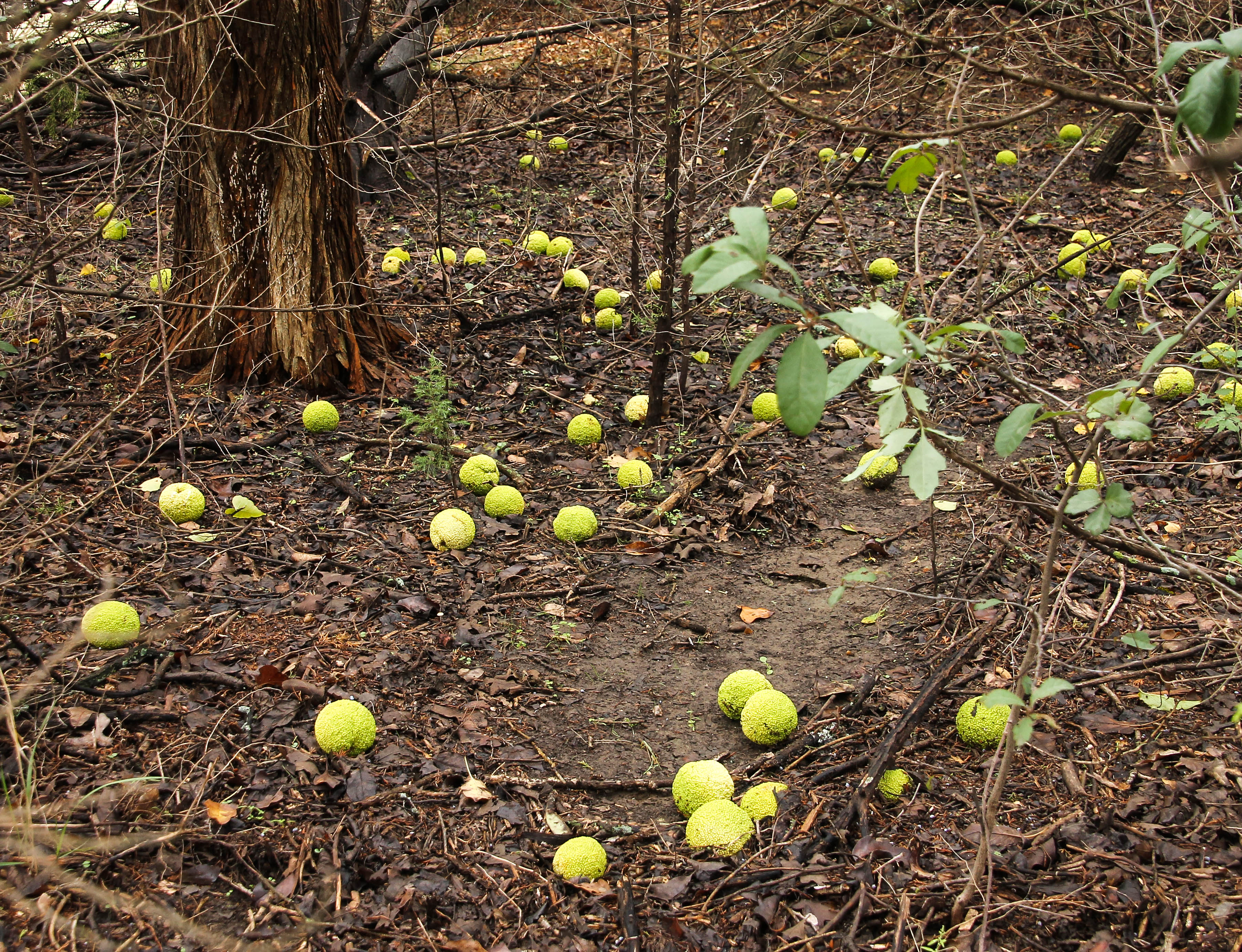
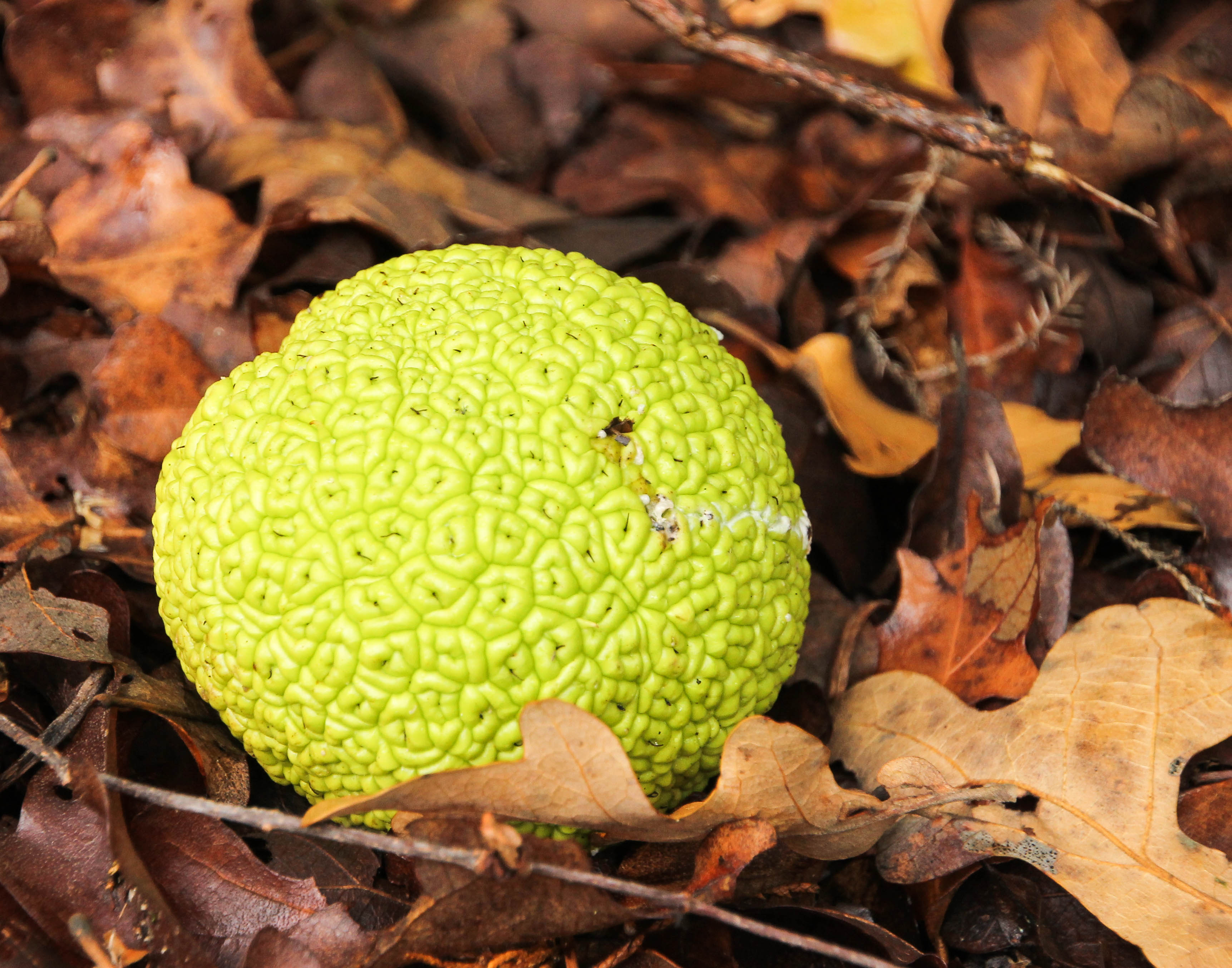
These are called Osage Orange or “Hedge Balls”. Information below taken from the web:
Osage Orange (Maclura pomifera) is a relatively small, unusually twisted, and frequently multitrunked tree with a small natural range in northern Texas, southeastern Oklahoma, and neighboring parts of Arkansas that roughly coincides with the historical home of the Osage Indians. Because they and other native groups used its wood to make bows, French explorers called the tree “bois d’arc,” and it is still sometimes referred to colloquially as “bodarc” or “bodock.” The range of the Osage orange expanded dramatically between 1840 and 1880 when, before the development of barbed wire, it was seen as the best and cheapest way to control livestock on the Great Plains. When planted close together and appropriately pruned, its branches and spiny thorns make a nearly impenetrable hedge able to turn away any animal larger than a bird or a rabbit. While it remains common in Illinois, Iowa, Missouri, Kansas, and Nebraska and present even in many eastern states, Osage orange fell from general use as cheaper fencing materials became available in the late nineteenth century.
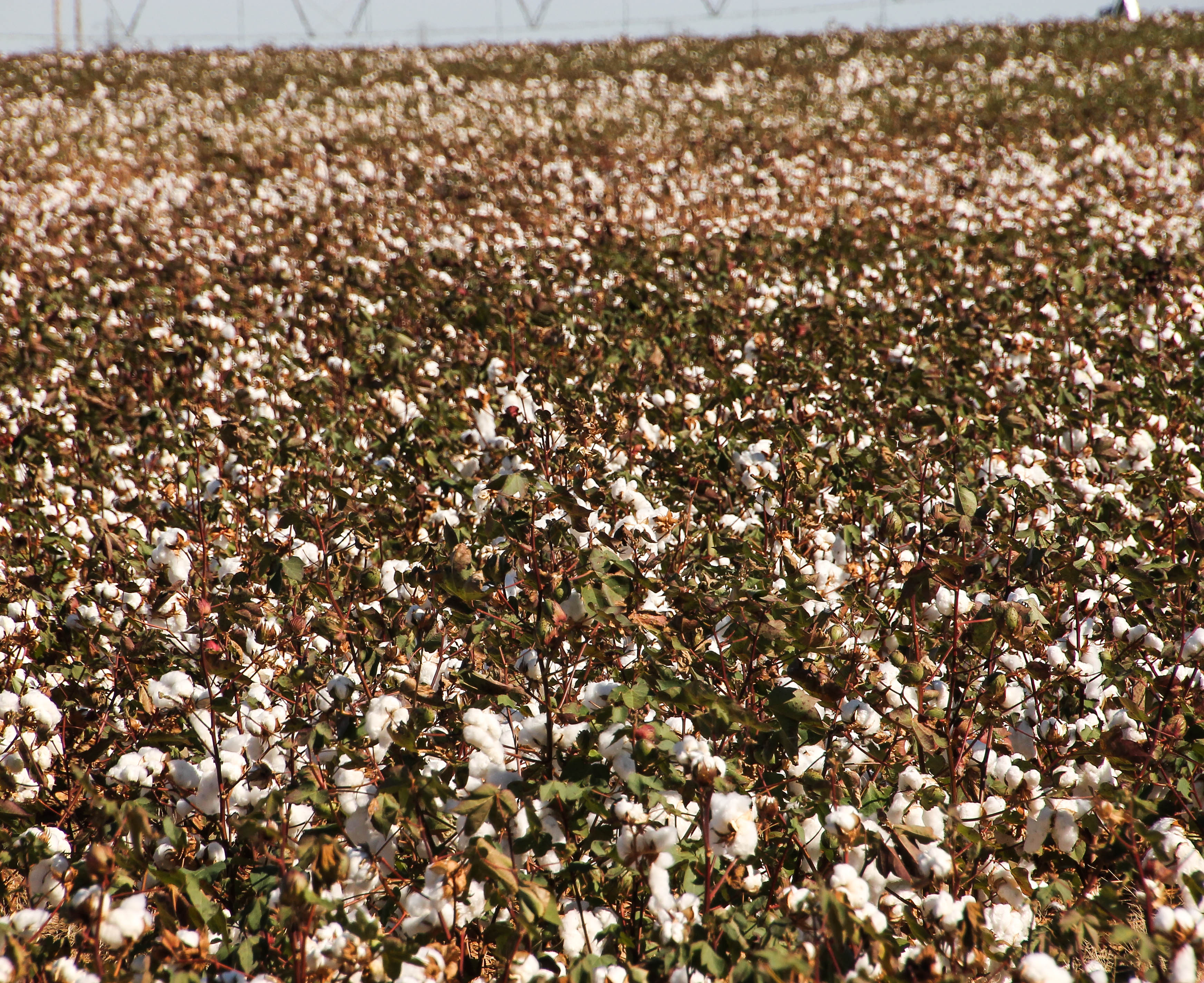
On Friday, as we drove the 241 miles from Dalhart, Texas to Quanah Texas, we enjoyed the view outside our window – acres and acres of cotton fields.
For me it was wonderful to see these fields, knowing that American farmers are still planting, growing, nurturing and supplying this raw material. Thank you cotton farmers!
As we passed farm after farm with their cotton picking machinery, I wish I could have gotten a photo of one of the huge cotton picking machines.
I remember my mother telling me how she helped her family pick cotton when she was just a little girl.
Once we arrived at Copper Breaks State Park, located eleven miles outside the town of Quanah, and after setting up camp, we decided to take a ride.
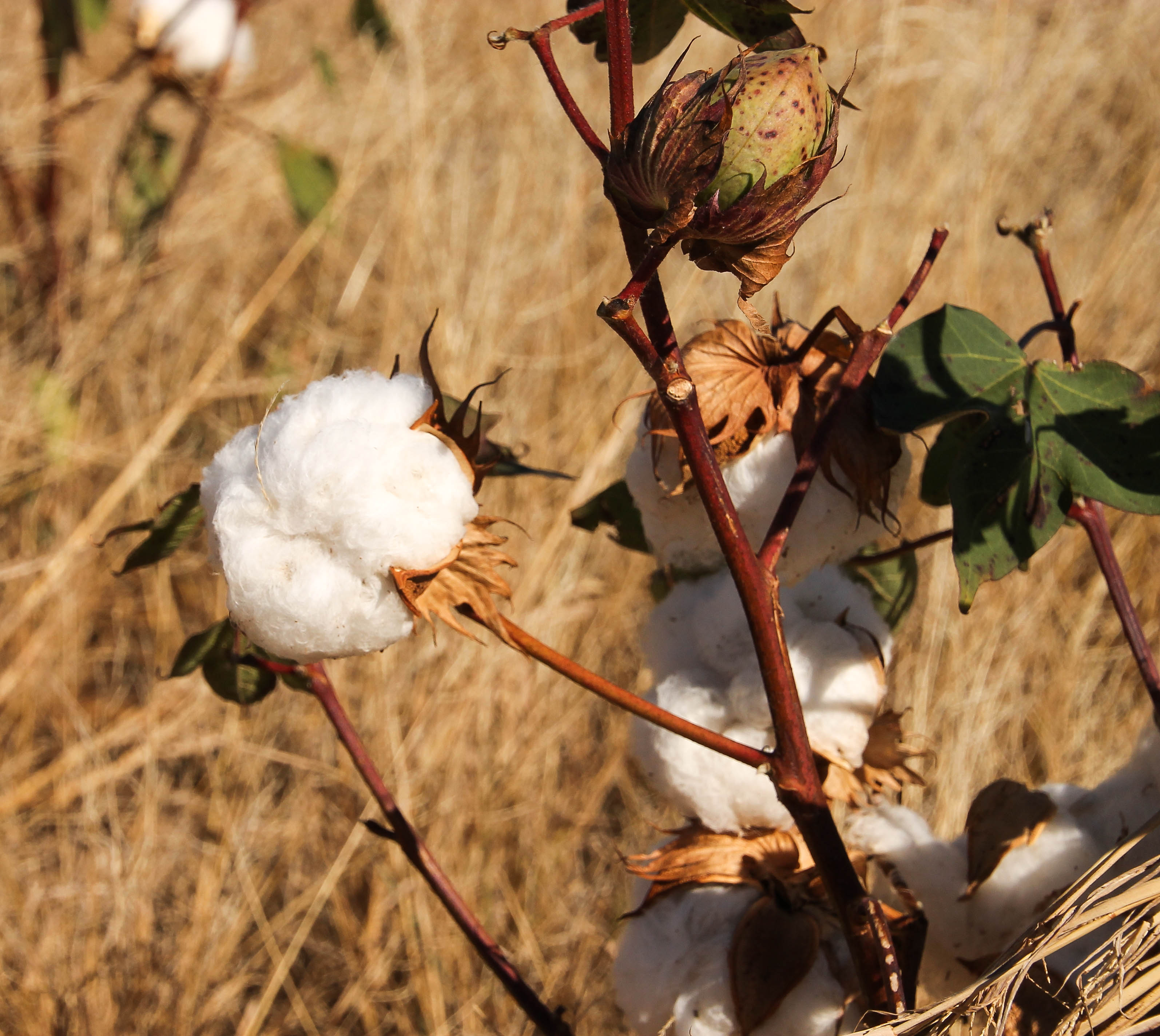
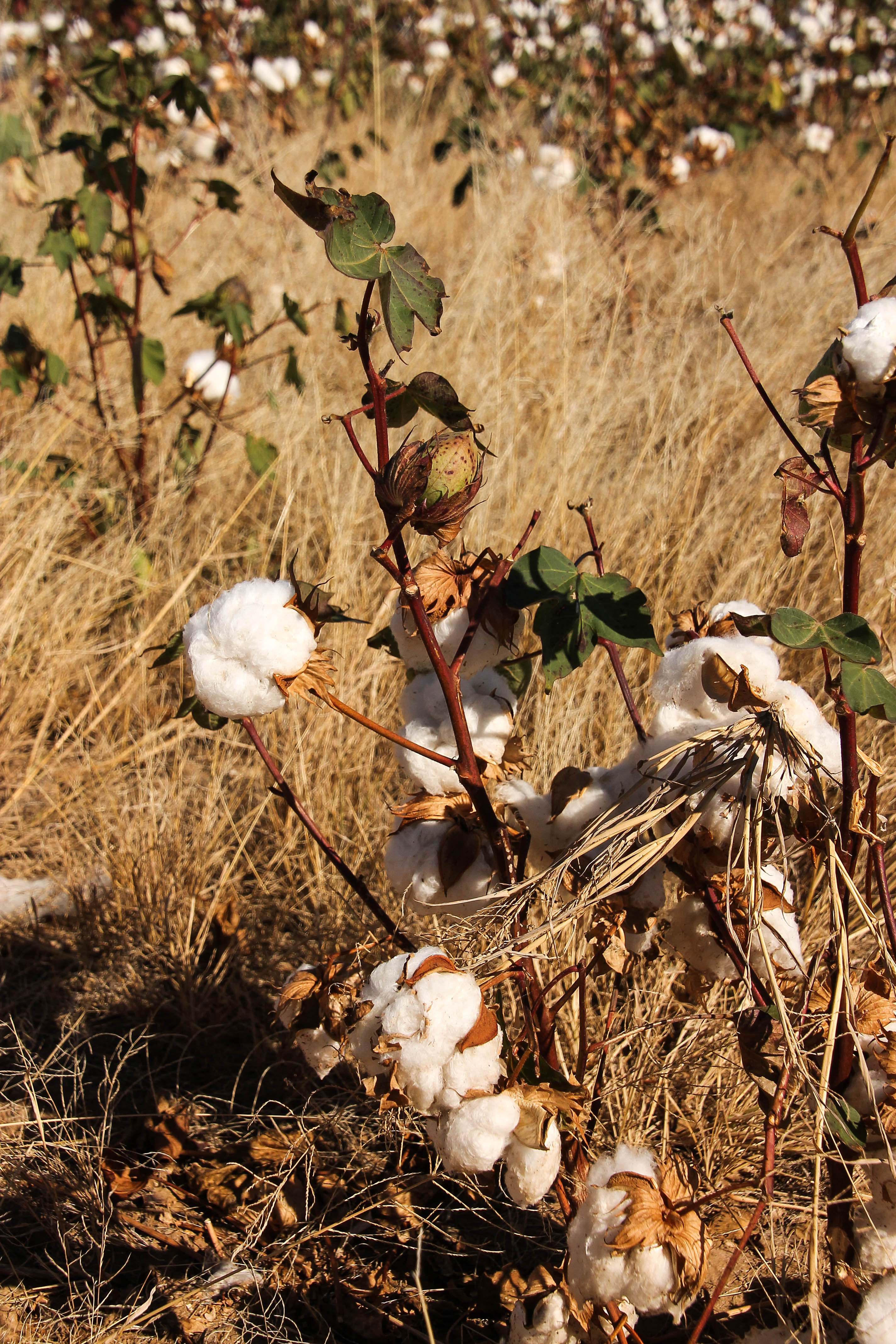
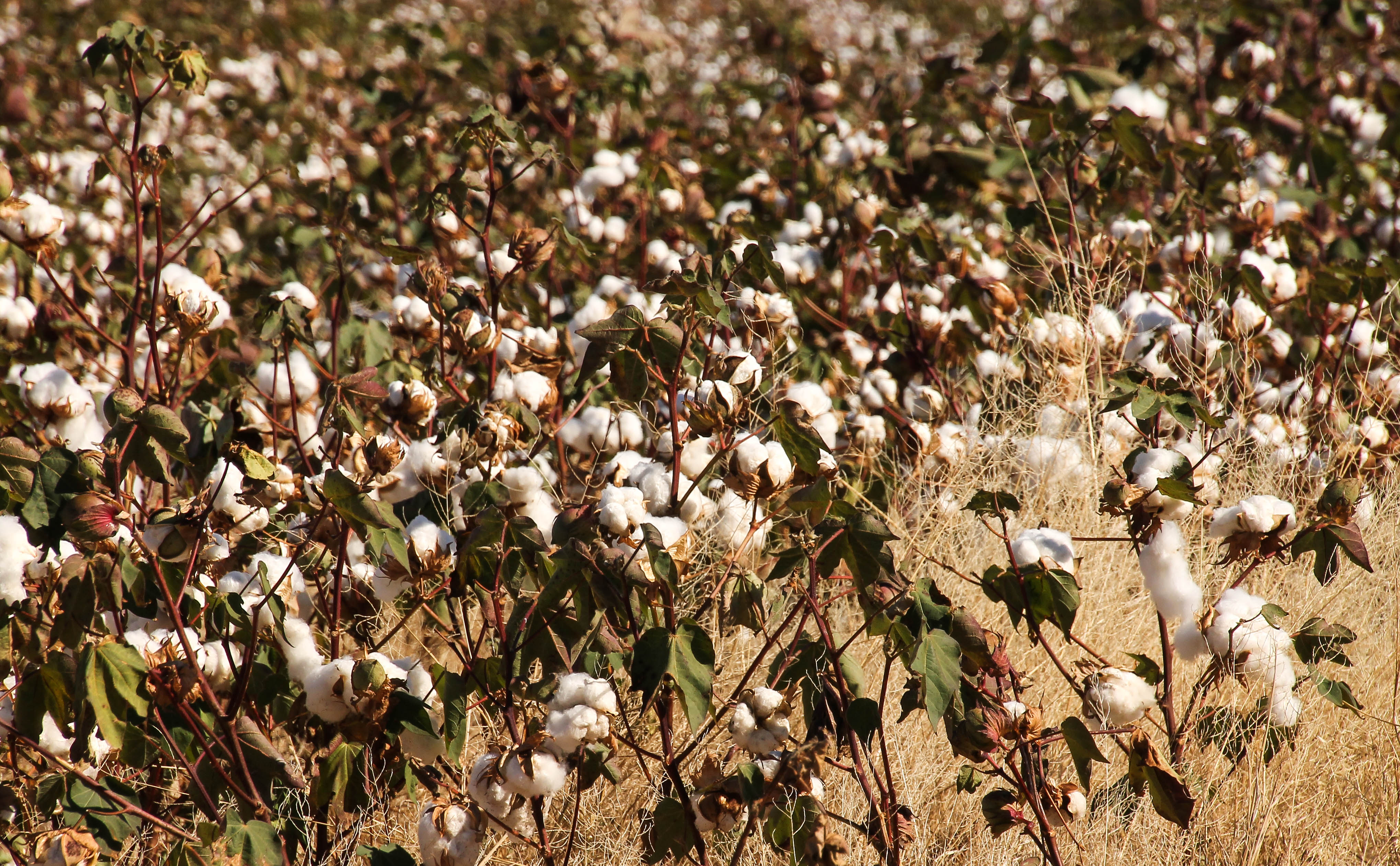
As we passed a cotton farm, I just had to stop and take some pictures. I was amazed to see this plant up close with its bursting cotton “pods” and array of colors.
American Fields of CottonBursting pods of cotton and beautiful colors as the cotton plant presents itself.Shimmering in the sun




 Wolf Song Blog