I was looking at my posts today and discovered I started this post on the Black-crested Titmouse last year, but didn’t publish it.
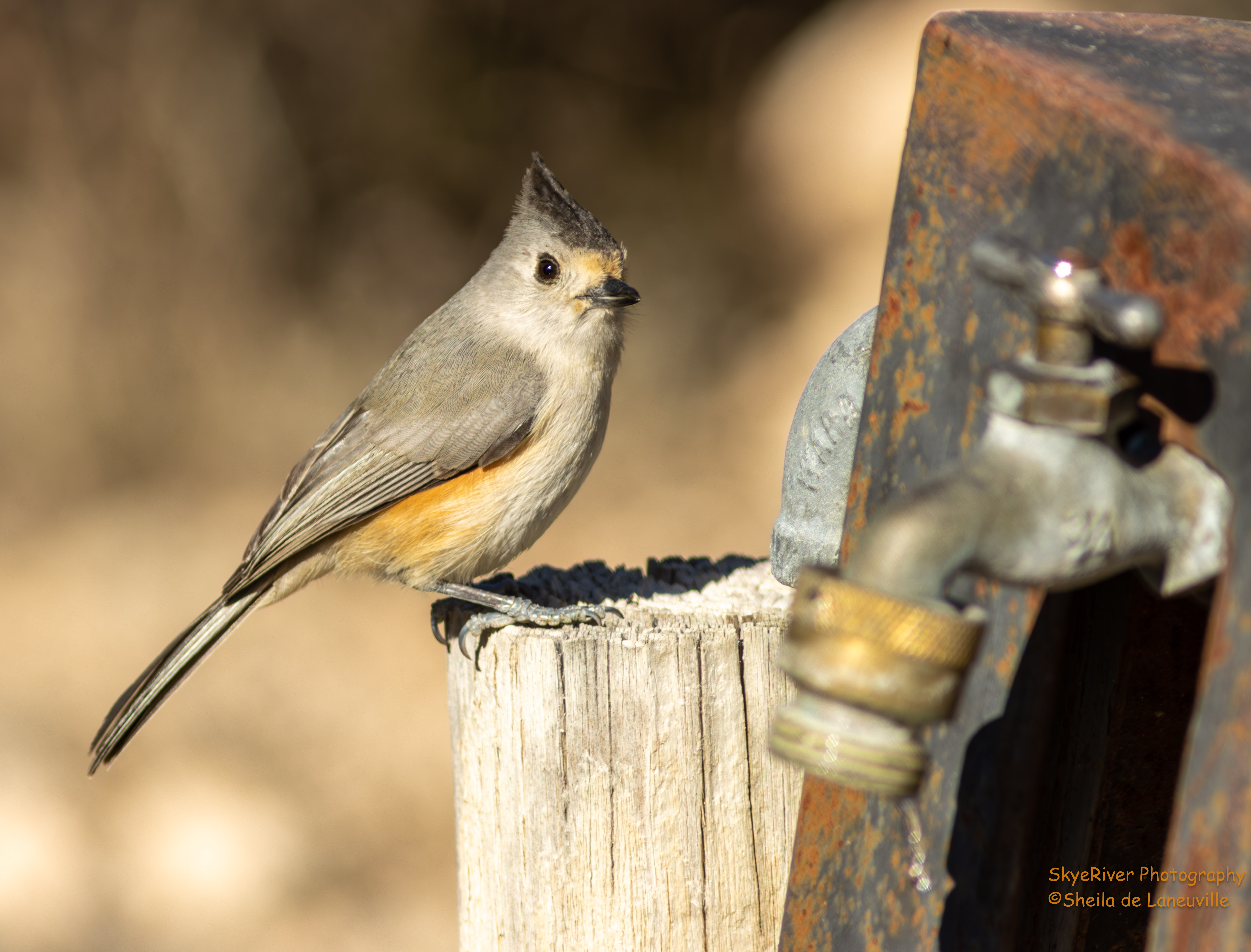
The Black-crested Titmouse or Mexican titmouse, is a passerine bird in the tit family Paridae. Once considered a subspecies of the tufted titmouse, it was recognized as a separate species in 2002. It is native to southern Texas, Oklahoma, and east-central Mexico.
~Photos taken January 17, 2024 at South Llano State Park
While on a walk I came upon this cute Black-crested Titmouse as it seemed to study this faucet. With the South Llano River very close, I had to wonder why this Titmouse felt it necessary to try and drink from this faucet. It might have been just easier. The river water might not have been easily accessible. If I remember right it was pretty cold and this faucet might have been turned on to drip to keep the pipes from freezing. It sure gave me a smile and made a fun photo.
These guys are hard to capture, because they don’t stay still for very long. I got lucky because it was determined to get a drink.
Well done!
Quote:
“Intelligence without ambition is a bird without wings.” Dali
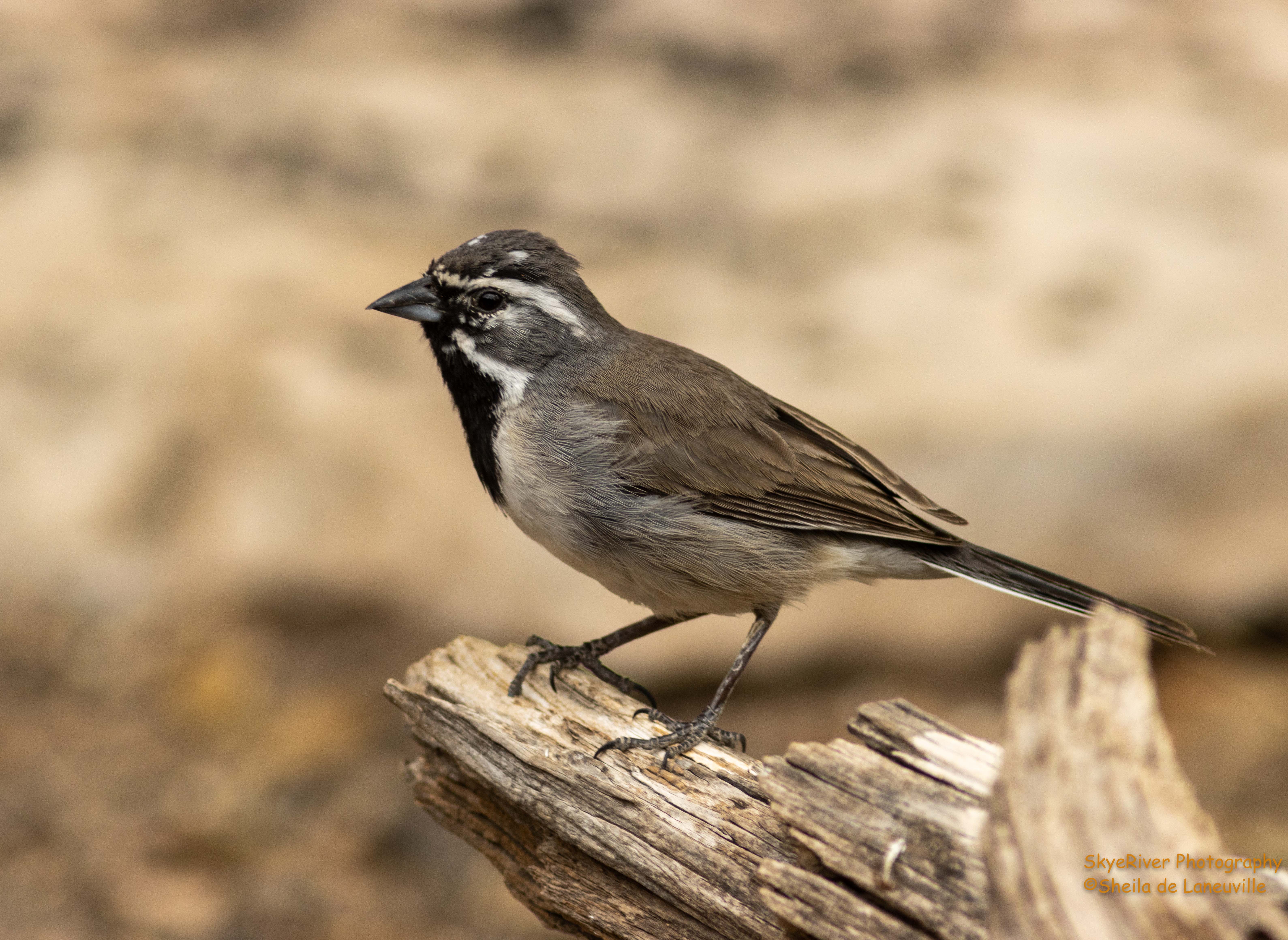
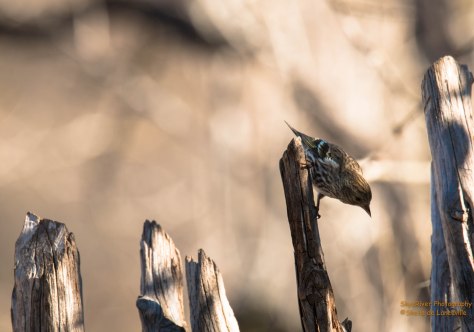
These little sparrows are fun to watch and a challenge to photograph, because they are always on the move.
I took the photo below back in April while camping at South Llano River State Park located in Junction, TX . This Texas State Park is one of my very favorite places to camp and bird.
*A little bit of information about them taken from the web:
~A sharply marked little bird of the arid zones. Black-throated Sparrows are very common in parts of the Southwest, even in some relatively barren flats of creosote bush where few other birds occur; loose winter flocks feed on the ground in open areas, making little tinkling callnotes. In spring, males perch atop low bushes to sing their metallic notes and trills.
~Their status has declined in some areas with increasing development in desert areas; unlike some desert birds, does not adapt well to suburbs. In proper habitat, still widespread and common.
~ Their diet consists mostly of seeds and insects. In general, probably eats more seeds in winter, more insects in summer. Also feeds on fresh green shoots, other green vegetation, and ripe berries and fruits when available. Can survive without water at some times of year, drawing its liquid from insects and green plants that it eats. Young are fed mostly insects.
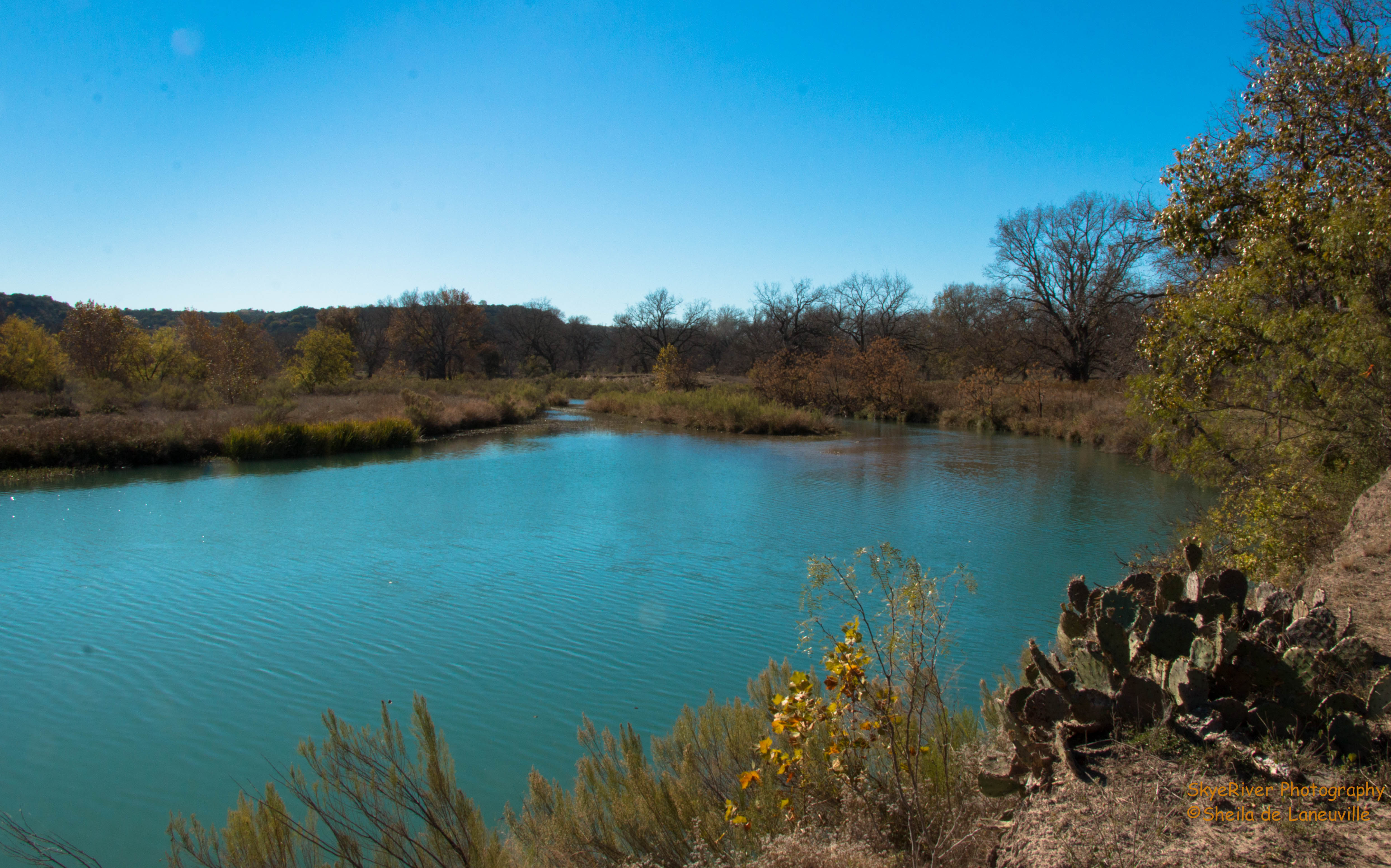
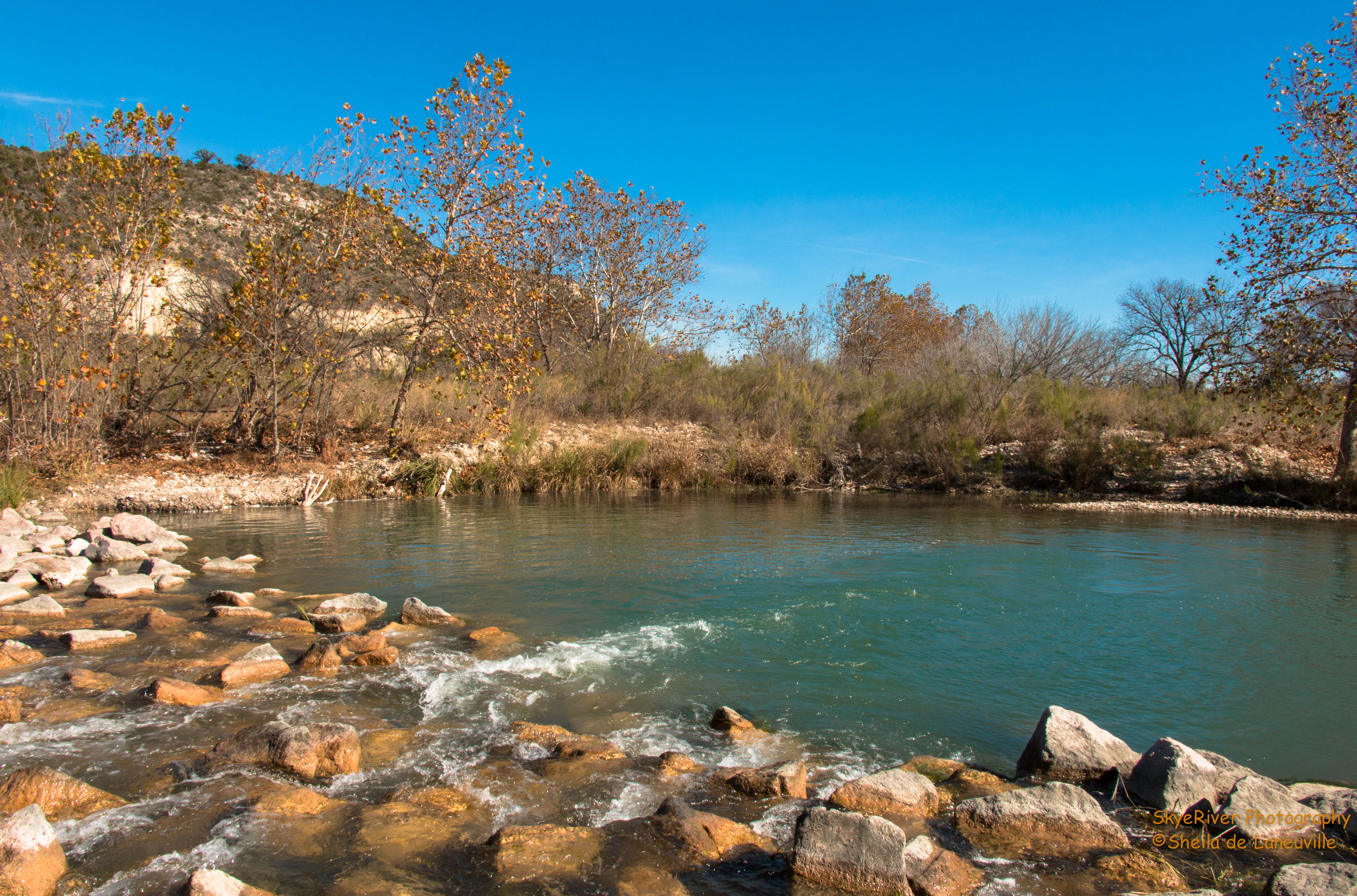
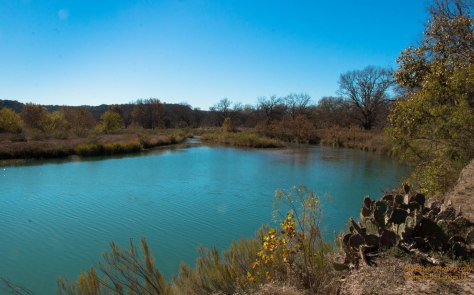
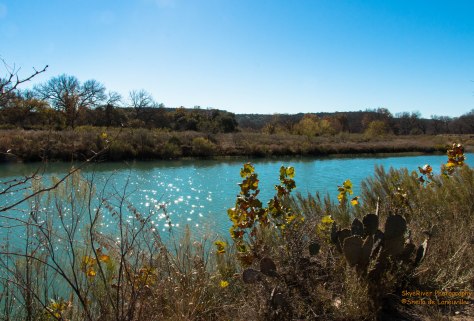
A few photos of the South Llano River. It is a beautiful place to camp, hike, and bird. People from all over the world make a point of visiting this Texas State Park. And, if you want to enjoy some of the best Texas Hill Country barbeque go to Lum’s. https://www.lumsbbq.com
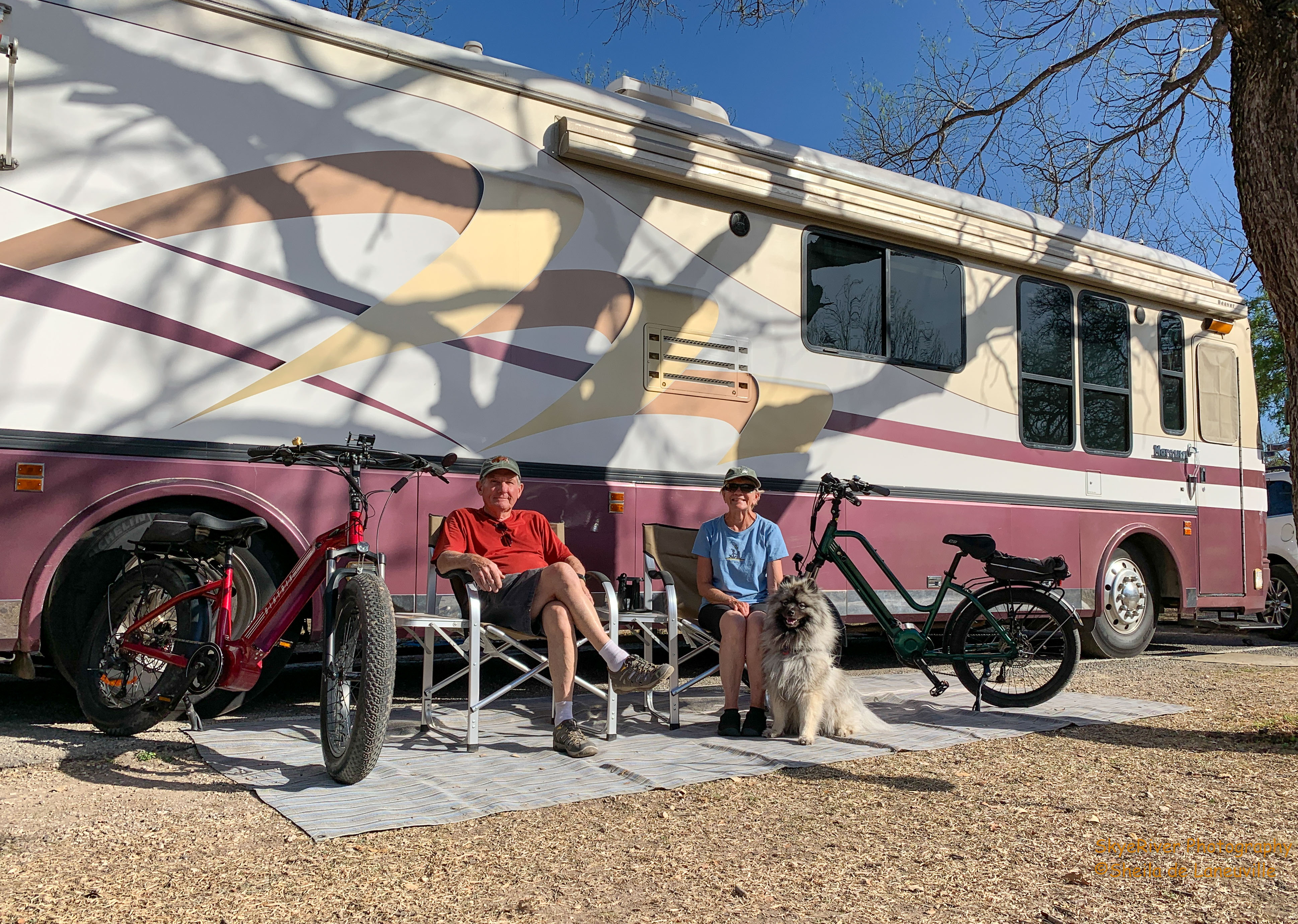
One of the many sites in South Llano River State Park that we have stayed in over the many years we have visited.Here we are this past April camping at South Llano. We rode many of the trails in the park with our ebikes. Riley Ann enjoys camping as well.
*A little bit of information about this State Park taken from the web:
Hiking/biking
Whether on foot or two wheels, explorers will enjoy the 22.7 miles of trails. Trails range from easy to difficult, and cross river bottoms, steep ridges and wooded areas in between.
Rugged back country trails offer solitude even on the busiest weekend. Whether you’d like a moderate hike or a more challenging mountain bike ride, expect great views and a very different experience than in the park’s lowlands.
Nature watching
Keep your eyes open for birds both large and small!
The park is home to one of the largest turkey roosts in Central Texas. Turkeys roost from Oct. 1 through March 31. The day use area is only open from 10 a.m. to 3 p.m. during these months, so that humans don’t disturb the roosting turkeys.
~South Llano River State Park, Junction, TX, November, 2017
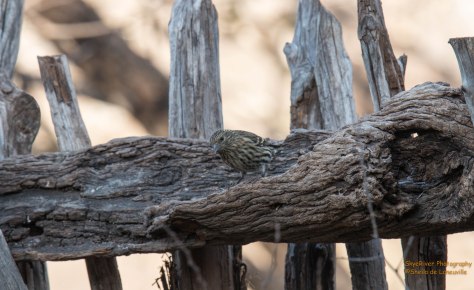
Pine Siskin
Although it is patterned like a sparrow, its shape, actions, and song all reveal that this bird is really a goldfinch in disguise.
Note the shape of the bill.
~
~
It was fun to observe 30+ Pine Siskin up close. In Colorado I would see them while hiking; however they tended to flit high in the trees out of photo range.
~
Cammouflage
~
To learn more about the Pine Siskin go to: Pine Siskin.
~South Llano River State Park, Junction, TX, November, 2017
Hermit Thrush
I believe this is the first photo of a Hermit Thrush I have taken. Generally, I don’t get an opportunity to observe one. This one was hanging around one of the bird blinds at South Llano River State Park when we were there over Thanksgiving, and I am thankful I got its photograph.
~
A few facts about the Hermit Thrush – taken from WhatBird.Com….
Hermit Thrush: Small thrush, with olive-brown to red- or gray-brown upperparts, black-spotted white underparts and rufous tail. Distinct white eye-ring. Pink legs, feet. Swift direct flight, may hover briefly over prey. Considered to have one of the most beautiful songs of all North American birds. The state bird of Vermont.
In the Appalachian Mountains the Hermit Thrush is displaced at lower elevations by the Veery and at higher elevations by Swainson’s Thrush.
East of the Rocky Mountains it usually nests on the ground. In the West, it is more likely to nest in trees.
Walt Whitman construes this bird as a symbol of the American voice, poetic and otherwise, in his elegy for Abraham Lincoln, ‘When Lilacs Last in the Dooryard Bloom’.
A group of thrushes are collectively known as a “hermitage” and a “mutation” of thrushes.
Range and Habitat
Hermit Thrush: Breeds from central Alaska east to Newfoundland and south to southern California, northern New Mexico, Wisconsin, and Virginia. Spends winters from Washington and southern New England southward. Preferred habitats include coniferous and mixed forests; deciduous woodlands and thickets are favored during migration and winter.
~South Llano River State Park, Junction, TX, November, 2017
Howard and I spent several days, during the Thanksgiving holiday at South Llano River State Park. Because, it was a holiday weekend the campground was full and crowded. Lots of people enjoying this beautiful park, birding, walking, hiking, biking and fishing.
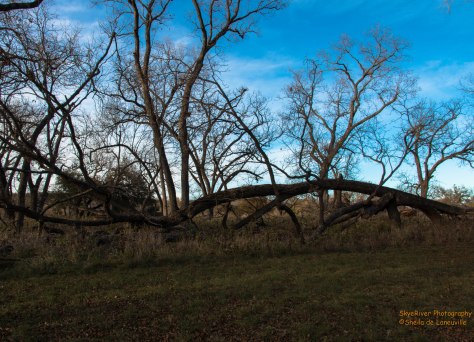
South Llano River
~
~
Fallen
~
Me and my buddy!
~
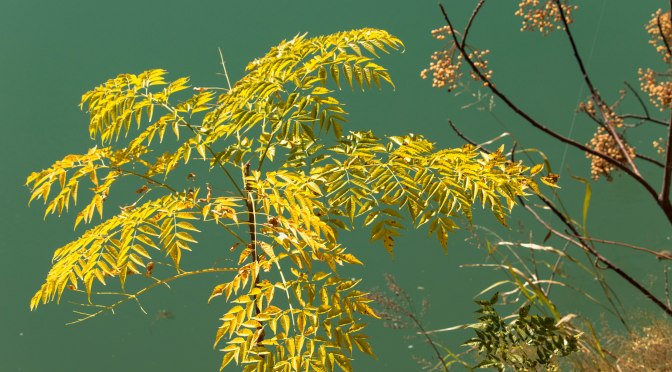
A little Fall color
~
Hiding in the Woods
~
Clear Water
~
Mules
Of course some of us were enjoying taking photos. More to come from South Llano River State Park.








 ~
~





 Wolf Song Blog