Category Archives: Friday’s Feathered Friends

~Today’s Feathered Friend-Color Me a Rosy Red~


A Haiku

~

large bright yellow bill

color me a rosy red

my name, Tanager

~

Summer Tanager eyeing  a suet feeder
Summer Tanager eyeing a suet feeder


Figuring it out!
Figuring it out!


Imitation
Water Fall Imitation


Today’s Feathered Friend:

Summer Tanager

Male:

`Seven and three-quarters inches in length

`Bright rosy red overall – all year

`Large yellowish bill (more yellow during breeding season)

`Darker red wings and tail

Female:

`Yellowish below, slightly darker above

`Yellowish bill

`Olive-green upper parts

`Orange-yellow under parts

Facts:

`Tanager is from language of Tupi Indians of Amazon region, who called these brightly colored tree-drelling birds tangaras

`Most common North American tanager in its range – eastern and southern United States

`Song is Robin like and is a repeated Pick-a-Tuck

`Eats mostly bees and wasps and known to catch them right out of the air

`Habitat: Pine Oak woods, willows and cottonwoods, along streams

`Likes peanut butter and cornmeal from your feeder

~Neotropical migrant

~Vulnerable to habitat loss and forest fragmentation

`Host to Cowbirds, uncommon {yeah}

`Usually monogamous and many appear to remain in pairs all year

`Information taken from several sources including: Stokes Field Guide to Birds and Smithsonian Handbook Birds of North America, NGS Birds of North America


Going to get a cool drink of water


A beautiful Summer Tanager
A beautiful male Summer Tanager


Large Yellowish Bill

While camping at South Llano State Park in April of 2014, I captured these photos while sitting in a bird blind. It was a thrill to see this beautiful Summer Tanager up close. I also saw the female, but didn’t manage to capture her with my camera. She was pretty shy!

The Field Sparrow told me about this water slide
“The Field Sparrow told me about this water slide”


He was right: "This is fun!"
“He was right this is fun!”


~

Added to my Birding Life List in April, 2007

at Dead Horse Ranch State Park

Cottonwood, Arizona

~

 My Birding Life List – 366


Links:

Paying-Ready-Attention (Wild Bird Wednesday)

http://paying-ready-attention-gallery.blogspot.com

Prairie Birder (Feathers on Friday)

http://prairiebirder.wordpress.com
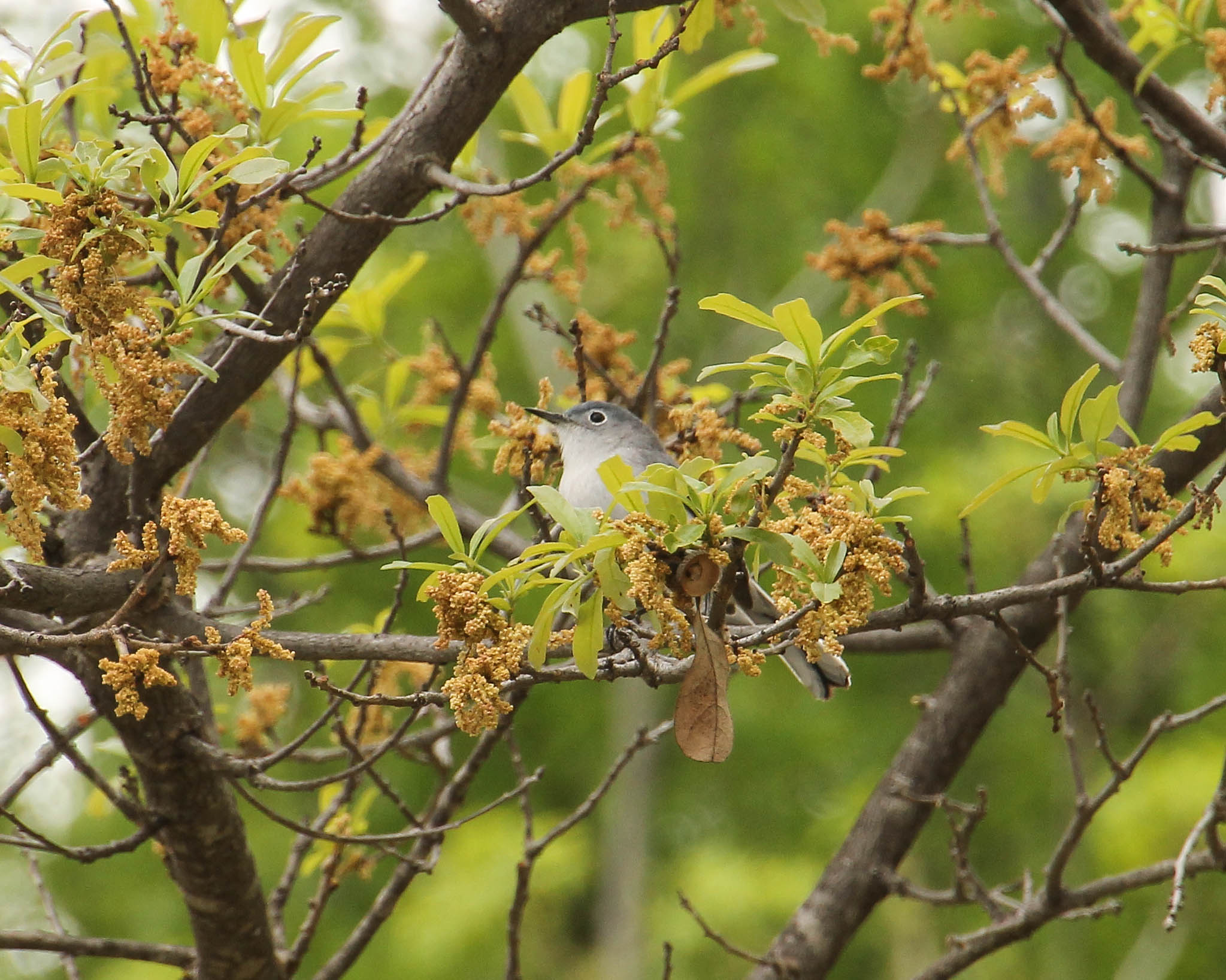


~Friday’s Feathered Friend – Blue-Gray Gnatcatcher~

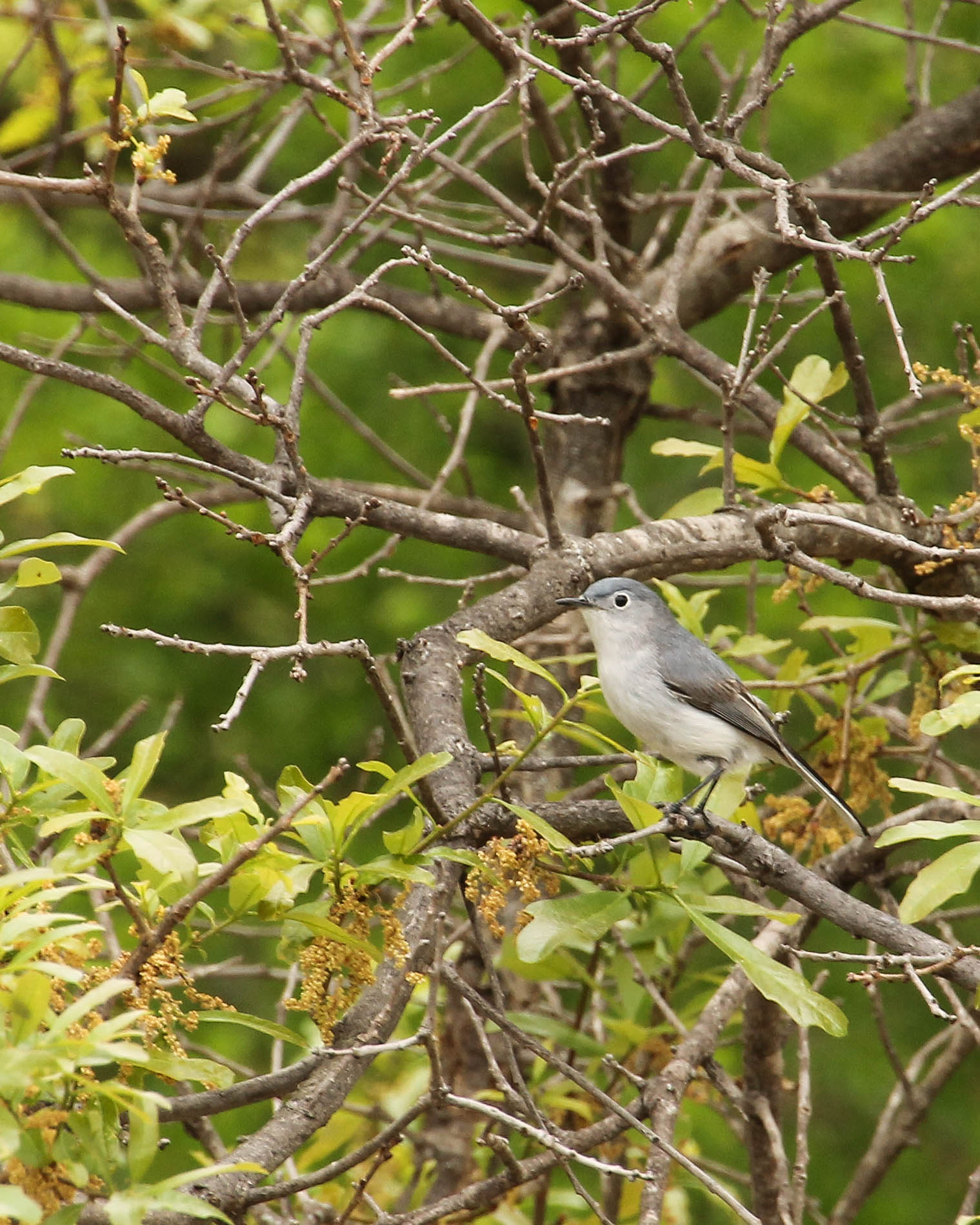
Blue-Gray Gnatcatcher

~

Added to my Birding Life List on December 20, 2011

Jonathan Dickinson State Park

Hobe Sound, Florida

~

I linked to PrairieBirder: http://PrairieBirder.Wordpress.com


Blue-Gray Gnatcatcher


Such a tiny little bird, only 4.25 inches! It looks like a very small mockingbird.

`Male has bluish-gray upper parts and the female is more gray

`White eye ring

`Long black tail with white outer feathers

`Black bill

`Black legs

Lovely little bird (white eye ring)
The white eye ring gives this lovely little bird big facial expressions


The Blue-gray gnatcatcher feed entirely on insects, which it pursues actively through the foliage of tall trees. Catches insects in flight. May hover briefly above food before taking it in its bill.

Its nest is interesting, a small cup made up of plant fibers, down and decorated on the outside with bits of lichen. This lovely little bird can be spotted in woodlands, thickets and chaparral.

When breeding it is monogamous and is a solitary nester. Its eggs are incubated 13 days by both sexes, stays in nest for 10-12 days and fed by both sexes. They usually will have one brood per year maybe two in the far south.

**information above taken from Smithsonian handbooks, National Geographic Society, Birds of North America**

Breeding male I believe, bacause of black line on sides of crown.


Conservation: neotropical migrant. Common victim of cowbird parasitism

Population: common, increasing with range expanding northeasterly


Neotropical Migrant – (noun) A bird that spends the summer in its breeding range in North America but migrates to Central or South America for its nonbreeding range in winter. The winter range may also include the Caribbean, and the general dividing line between breeding and nonbreeding ranges is the Tropic of Cancer at 23 degrees north latitude, though the entire range does not need to be either north or south of that division for the bird to be considered a neotropical migrant.

More than 200 species of birds are considered neotropical migrants, including at least a few species in most bird families. Many warblers,hummingbirds and shorebirds are neotropical migratory birds, as are some hawks and many other songbirds.

The exact distance and route of migration between breeding and nonbreeding ranges varies for each species, and migration time between the separate ranges may take anywhere from just a few weeks to several months. It is essential to conserve habitat not only in the birds’ different ranges, but also along principle migratory flyways so birds will have sufficient feeding and resting areas to successfully complete their journeys. (taken from the web, written by Melissa Mayntz.


Blue-Gray Gnatcatcher  (long black tail with white outer feathers)
Blue-Gray Gnatcatcher (long black tail with white outer feathers)


I took these photos, on April 13, 2014, sitting in the coach with the window glass open and the screen pulled back; what a nice bird blind it made. This oak tree was not too far away and this little guy fluttered around catching insects for awhile. We were camped at South Llano River State Park in Junction, Texas.

~

Enjoy Birdwatching!

It can be entertaining as well as educational!

~


~Friday’s Feathered Friend-Orchard Oriole~

This was my first sighting of the Orchard Oriole


~

Added to my Birding Life List on April 13, 2014

South Llano State Park

Junction, Texas

~


Since a lot of birders are talking about the Orioles and their migration, I thought I would post my Friday’s Feathered Friend on the Orchard Oriole. It was fun seeing this bird for the first time a few weeks ago.

I will say, as everyone is pointing out, its time to put your Oriole feeders out; it is easy to do. Cut a few oranges in half and place some grape jelly in a dish and you might have a beautiful Oriole in your yard. Here in Colorful Colorado we have the Bullock’s Oriole.

Orchard Oriole
Orchard Oriole

Orchard Oriole:

Male:

`small Oriole  6-7.75 in length

`black-hood, back and wings

`burnt-orange underparts

`single-white wing bar

`white-edged flight feathers on wings

`chestnut underparts

`chestnut rump and shoulders

`black-tail with narrow white tips

Female:

`olive upperparts

`yellowish underparts

`dusky wings with two white wing bard


Their song sounds like this:

look here, what cheer, wee yo, what cheer, whip yo, what wheer

I happy bird I would say!

Population status: common to fairly common in open woodland, farmlands, scrub-mesquite, shade trees and orchards. Declining in parts of western range. They eat fruit and nectar.

Conservation: Neotropical migrant, Common host to cowbird parasitism (sad)


  • **information above taken from Smithsonian handbooks, Birds of North America**


~

Enjoy Birdwatching!

It can be entertaining as well as educational!

~


~Friday’s Feathered Friend – Killdeer~


Friday’s Feathered Friend


Killdeer Showy wings and tail
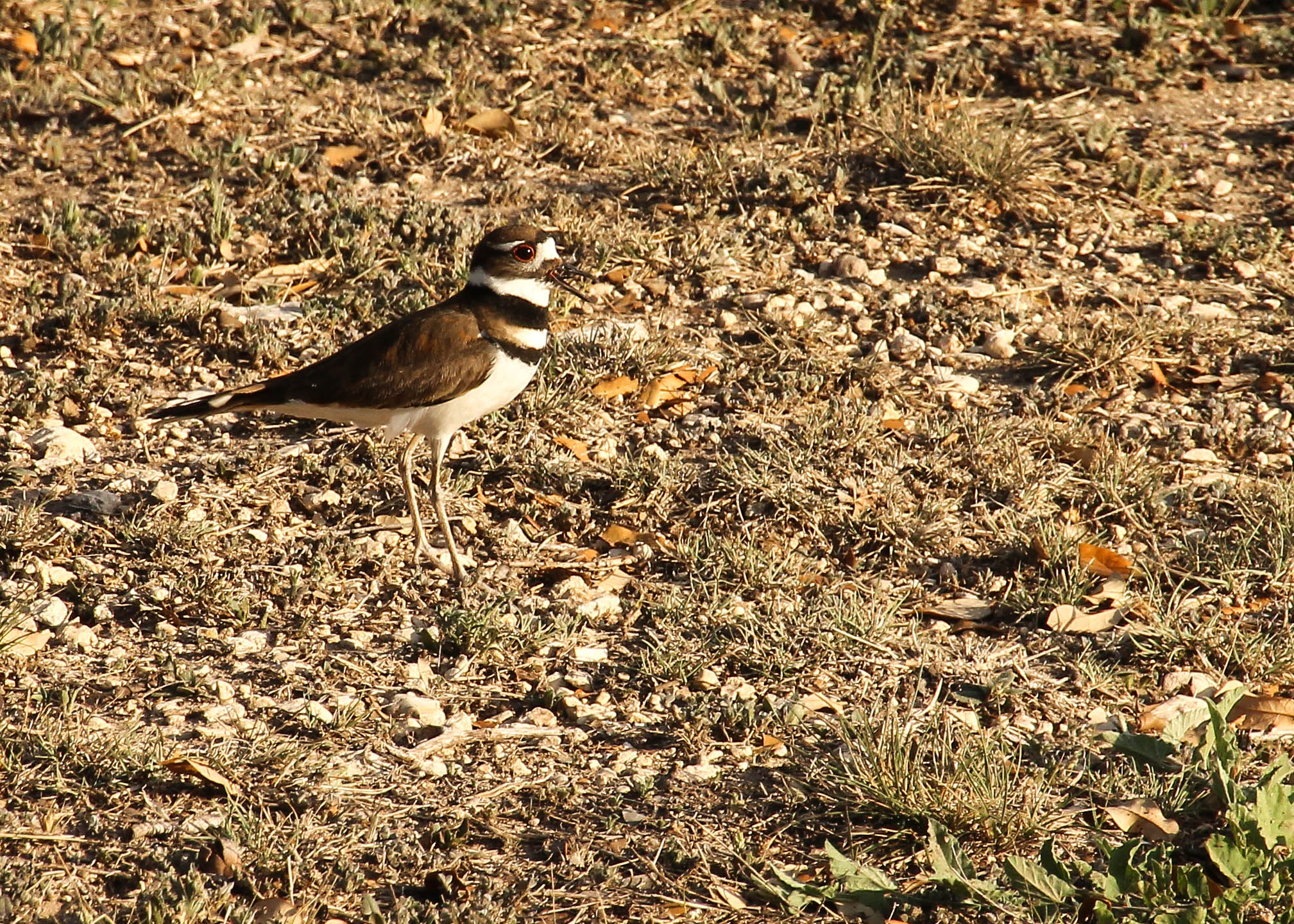
Killdeer
Showy wings and tail

~

Killdeer added to my Birding Life List in April of 1986

(Loveland, CO)

~

Killdeer: 

`largest of the ringed plovers and the only double-banded plover

`probably the most familiar shorebird in North America

`in the summer it is found across (almost) the entire continent south of the tundra

`two black bands across chest

`red eye ring

`slim black bill

`bright rufous-orange rump and upper tail coverts

`white underparts

`long-pointed wings with long white stripe

`loud cry sounding like, kill-dee or kill-deear

`monogamous, solitary nester, often returns to same mate and breeding site

`nests on open ground

`juveniles are similar in appearance, but have only one black band across the chest

  • **information above taken from Smithsonian handbooks, Birds of North America**


On April 10th we arrived in Kerrville, Texas staying for three nights at the Buckhorn Lake Resort. Howard and I were out walking the doggies and we heard then spotted a pair of Killdeer. After a few minutes of watching them we discovered they had three babies. These little guys were running all over the place and their parents were going crazy trying to keep track of them. I read that the babies feed themselves, but the parents tend to them. They will fly at around 25 days old.

I was so disappointed I didn’t have my camera with me. I ran back to the coach, picked up my camera and ran back to take a few shots of the babies. Well, I don’t know where they went, but I never did spot them again.

However, I did capture one of the parents faking injury to lure me away from the babies. It was amazing to watch this display. I had only seen this performed once before by a Nighthawk.

I didn’t want to disturb the family too much so I stayed well back from them.

Under behavior in one of my bird books it states the following about this fake injury display and it is very actuate.

Leads intruders away from nest and young with “broken wing” act, rapid calls, one or both wings dragging, tail spread, and often limping or listing to one side.

Killdeer, pretending to be hurt to lure me away from their young
Killdeer, pretending to be hurt to lure me away from young


"Come after me, can't you see I have a broken wing!"
“Come after me, can’t you see I have a broken wing!”


Tail spread with left wing dragging


Notice the beautiful red eye ring


They are so well camouflaged

~

Enjoy Birdwatching!

It can be entertaining as well as educational!

~


~Friday’s Feathered Friends – meet Eugene and Louise!

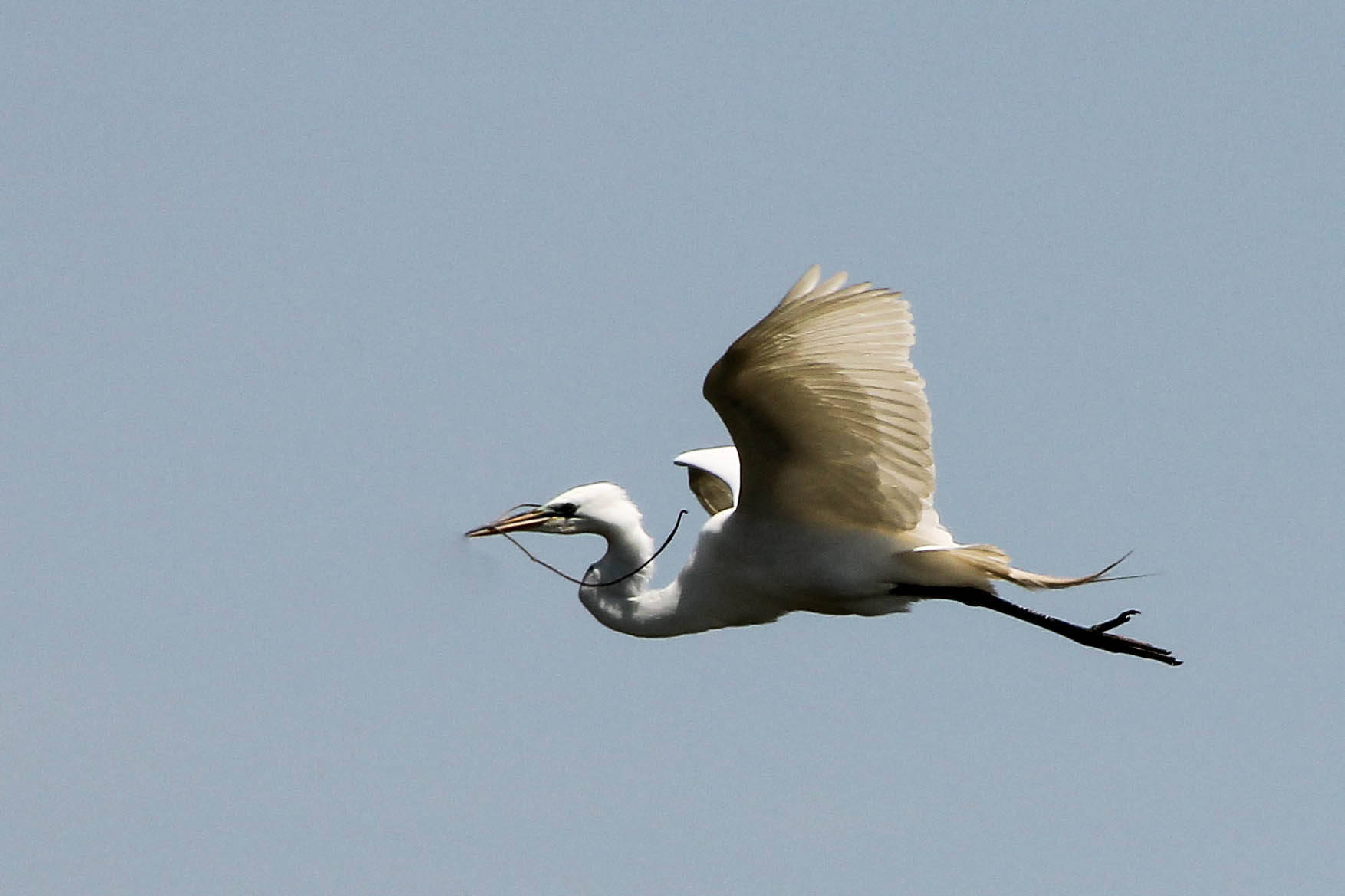
Hi, my name is Eugene and I am a Great Egret

Hello, my name is Eugene. That is me in the photo above. In case you don’t recognize me I am a Great Egret. I am currently staying at the Smith Oaks Rookery in High Island, Texas.

Handsome, aren't I
Handsome, aren’t I

My mate, Louise, is in the photo below. Some people believe her name is Jeez Louise, because that is what I yell at her all the time.


Louise
Louise? You’re not Louise!

Louise, is always complaining about how I do things and when she starts nagging, I yell Jeez Louise, give me a break!

"Iam coming sweetie"
Louise, there you are, Jeez!

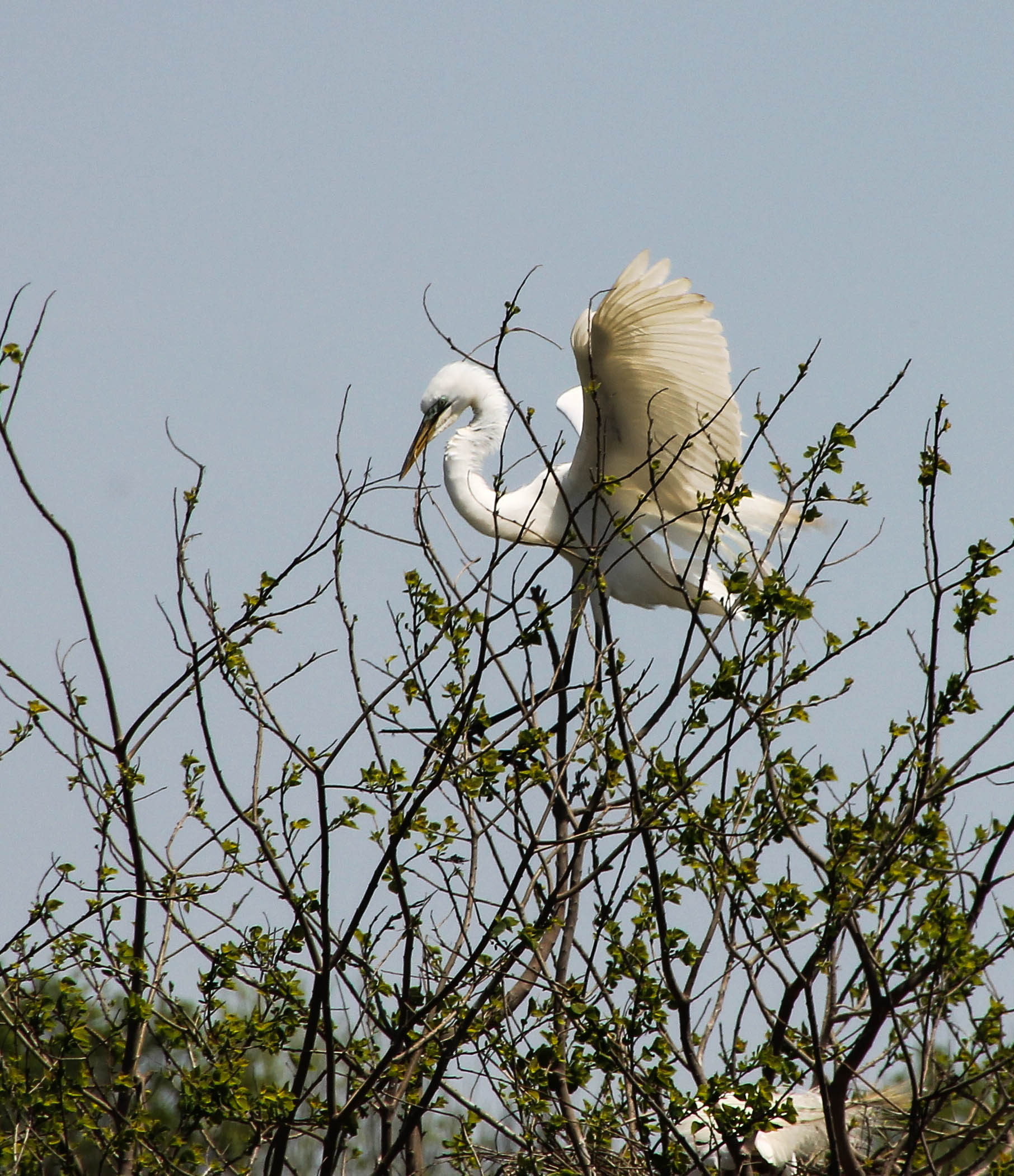
You see, Louise, complains about the sticks I find and bring her to build our nest; she complains about how I take off; how I land on the nest; what foods I bring her and the list goes on and on.

"I found one"
“I found one”
I'am working hard Louise
I’am working hard Louise
Here Honey, I brought you another stick
A beautiful landing if I say so myself
"I'll be back, going to find another stick"
“I’ll be back, going to find another stick”
Whoa, lookout below!
"I'am coming in backwards"
“I’am coming in backwards”

I am hoping it won’t be long, the chicks will be born and out of the nest and Louise will once again be a happy bird.

Aren't we a lovely couple
Aren’t we a lovely couple
Thanks Eugene, for everything

While you are here, I would like you to meet some of my friends here at The Rookery.

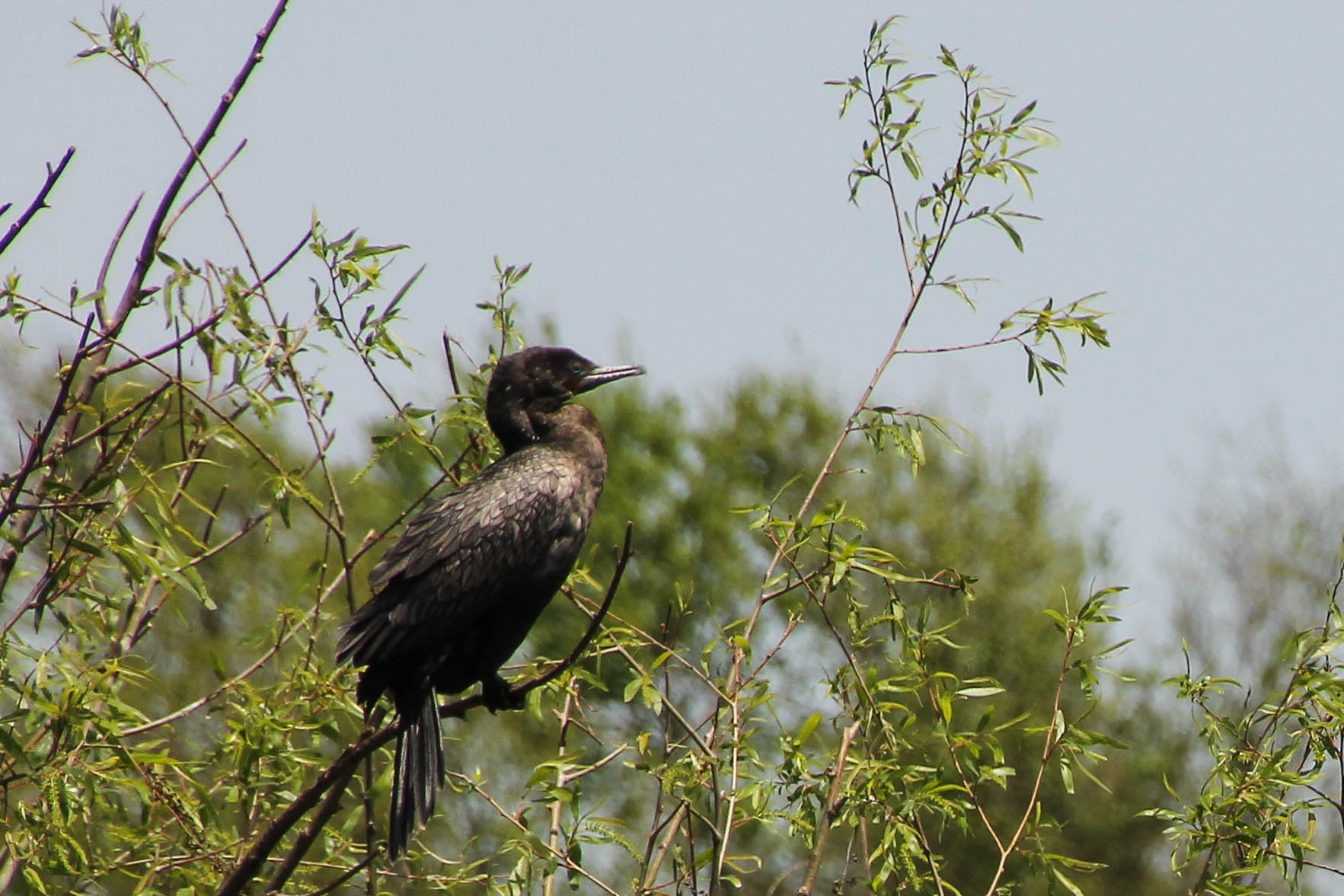
This is Captain, a Neotropical Cormorant. We should call him Shorty, because he has a very short tail, but that would be rude.

Meet The Captain
Meet The Captain
Don't say anything about his short tail
Don’t say anything about his short tail

Meet Showoff, a very handsome Snowy Egret who is always showing off his Yellow Slippers! The female Snowies are always after him. I’am jealous.

Meet Showoff
Meet Showoff
Monica, a Common Moorhen
A Common Moorhen; get a load of the red shield!

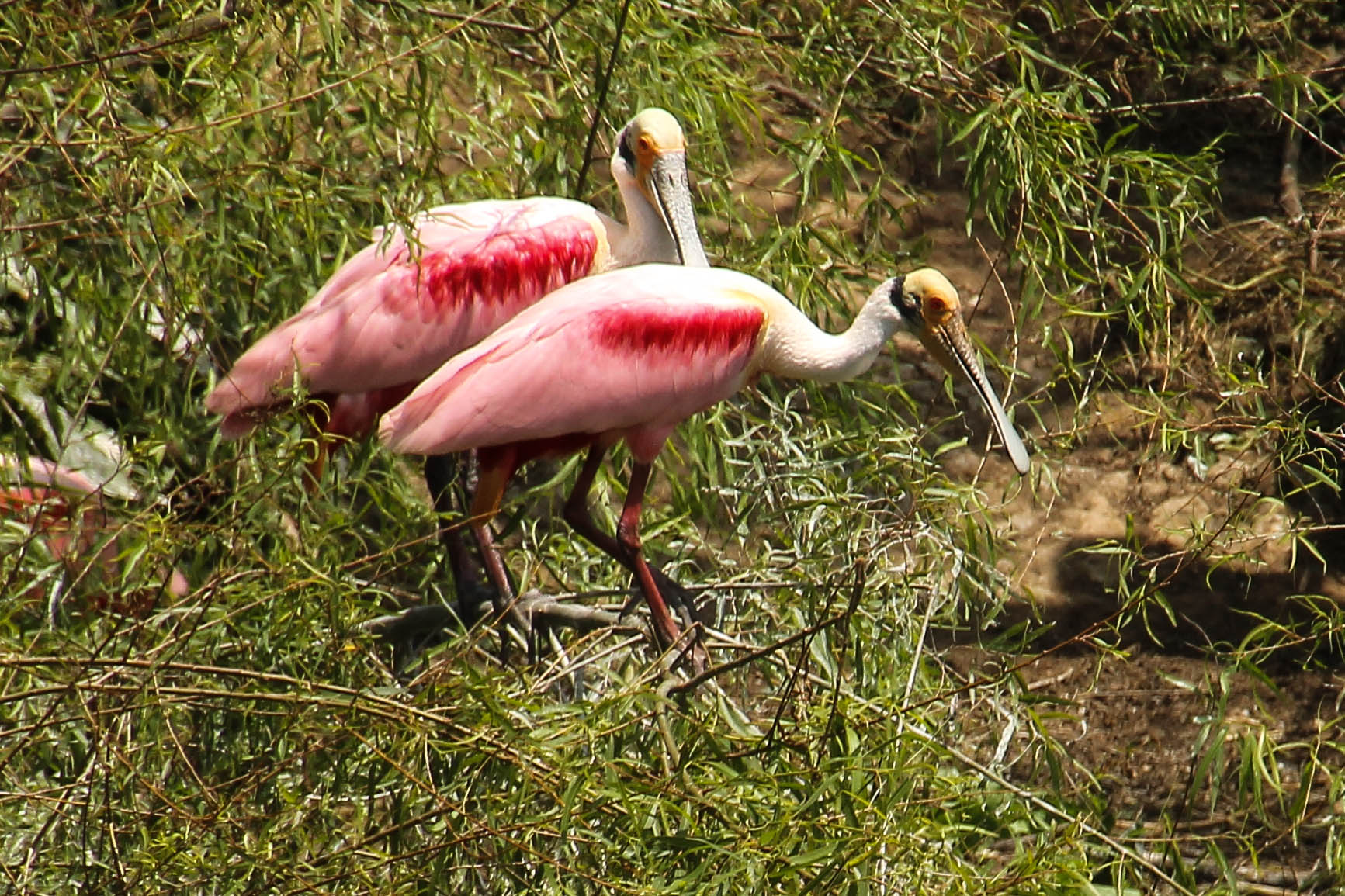
Our next door neighbors, here at the Rookery, are Samuel and Rose! They are called Roseate Spoonbills. Can you guess why? They are a lovely couple and they never yell at each other.

Meet Samuel and
Meet Samuel and Rose

More, gossip, on them later.

"Some days, I just can't get a grip on things"
“Some days, I just can’t get a grip on things”


Sheila here: Aren’t my friends lovely?

It was a thrill to visit the Smith Oaks Rookery in High Island, Texas. To see the number of nesting birds was incredible; I will never forget this day.

For information of this area please visit this web-site:

http://www.houstonaudubon.org/default.aspx/MenuItemID/894/MenuGroup/HighIsland2.htm


 Happy Birding!