Eloquent songsters of open marshes and woodlands, the thrushes include many familiar species. With narrow notched bills they feed on insects and fruit.
Eastern Blue Bird (male)Throat, sides of neck and breast are a chestnut color. Belly white. Males are deep blue above, females grayer.Nest in holes in trees and posts, and in nesting boxes.
Bluebird Conservation:
Eastern Bluebird populations increased by almost 2 percent per year between 1966 and 2010, according to the North American Breeding Bird Survey. Partners in Flight estimates the global breeding population at 22 million, with 86 percent spending part of the year in the U.S., 22 percent in Mexico, and 1 percent breeding in Canada.
They rate a 7 out of 20 on the Continental Concern Score and they are not on the 2012 Watch List. Eastern Bluebird populations fell in the early twentieth century as aggressive introduced species such as European Starlings and House Sparrows made available nest holes increasingly difficult for bluebirds to hold on to.
In the 1960s and 1970s establishment of bluebird trails and other nest box campaigns alleviated much of this competition, especially after people began using nest boxes designed to keep out the larger European Starling. Eastern Bluebird numbers have been recovering since.
For more information on this beautiful thrush, please visit this web-site – http://www.allaboutbirds.org/guide/Eastern_Bluebird/id
~Sharing with Charlotte at Prairie Birder for Feathers on Friday
We have been traveling in Eastern Time Zone for the last 5 months. My body and mind doesn’t fully enjoy being in this Time Zone. I try, really I do!
Everything is late:
`Get up late
`Go to bed late
`Eat late
`Even Happy Hour is late
Howard feels the same. When we wake up in the morning first thing he says is, “We’re late!” And, so the day goes. {grins}
Let me say, before I have people upset with me, this feeling of befuddlement has absolutely nothing to do with anyone, nor the towns, cities and states we visit. Instead it has everything to do with how my mind and body functions outside of its tranquil Time Zone.
As we head west, toward one of the magical, dotted, Time Zone, lines, I can feel slight tingles. My body is tingling with anticipation at being closer to my perfect Time Zone.
Entering the Central Time Zone gets me a little closer. After spending the first 33 years of my life in the Central Time Zone you would think I would be fine. Its better than Eastern, but doesn’t put my mind and body in a total blissful state.
Having lived almost 29 years in the Perfect Time Zone, I look forward to being back there and having my mind and body once again in harmony. One would wonder, if living in the Perfect Time Zone, why would I want to ever leave?
I guess the answer is, to see the people whom I love dearly, and to experience the beauty of the towns, cities and states that just happen to be outside the perfect Time Zone boundaries.
As I get closer to crossing the final, magical, dotted, Time Zone line, I will let you know. Deep within my heart and soul there will be joy, and calm will replace the befuddlement.
Gosh, can’t wait until this weekend, oh the joy of daylight saving time. Just when I thought I had a handle on this Time Zone stuff.
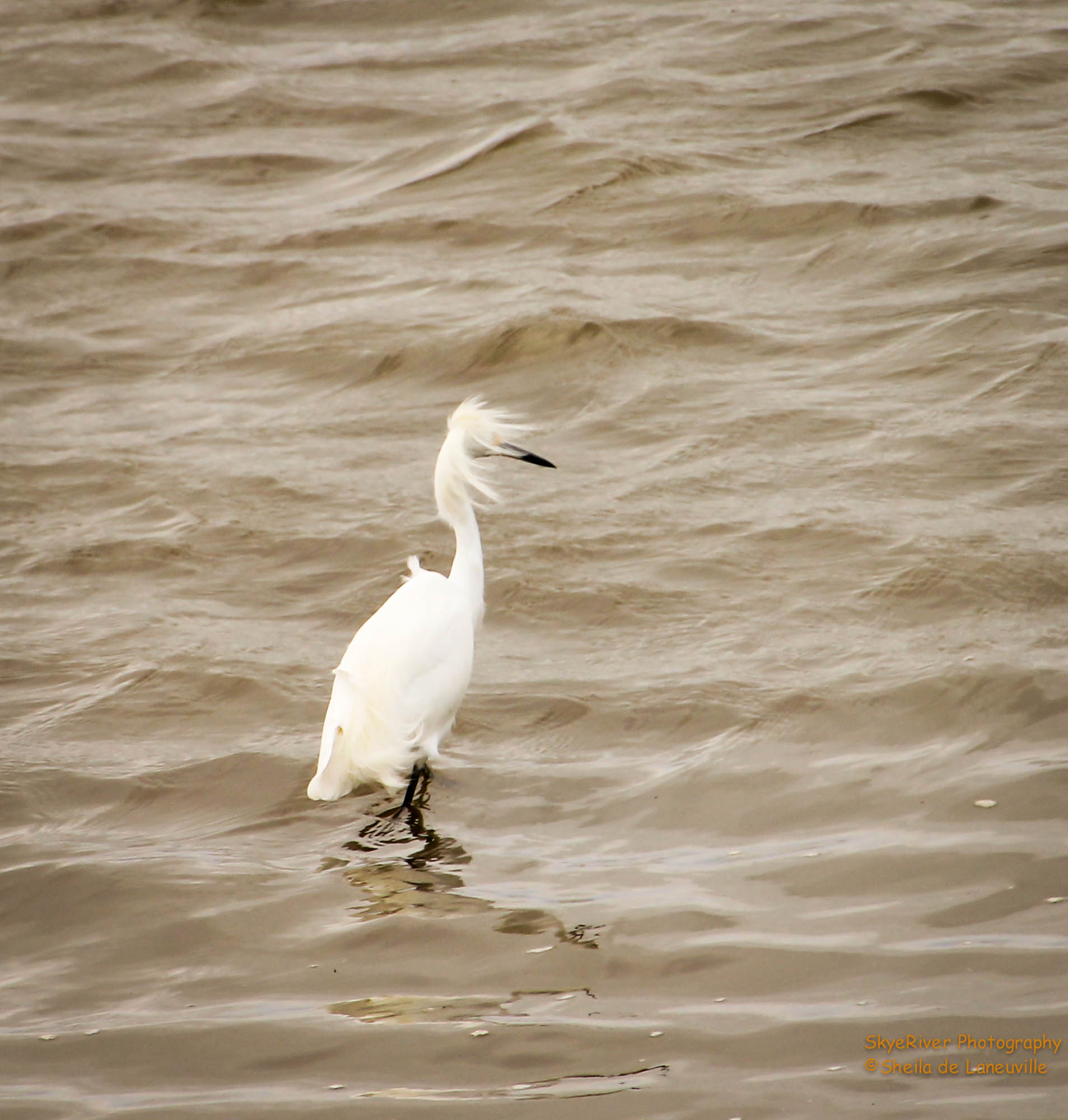
I bet this Snowy Egret wishes he was in another Time Zone.
Until next time, I hope you are in your “comfort” Time Zone!
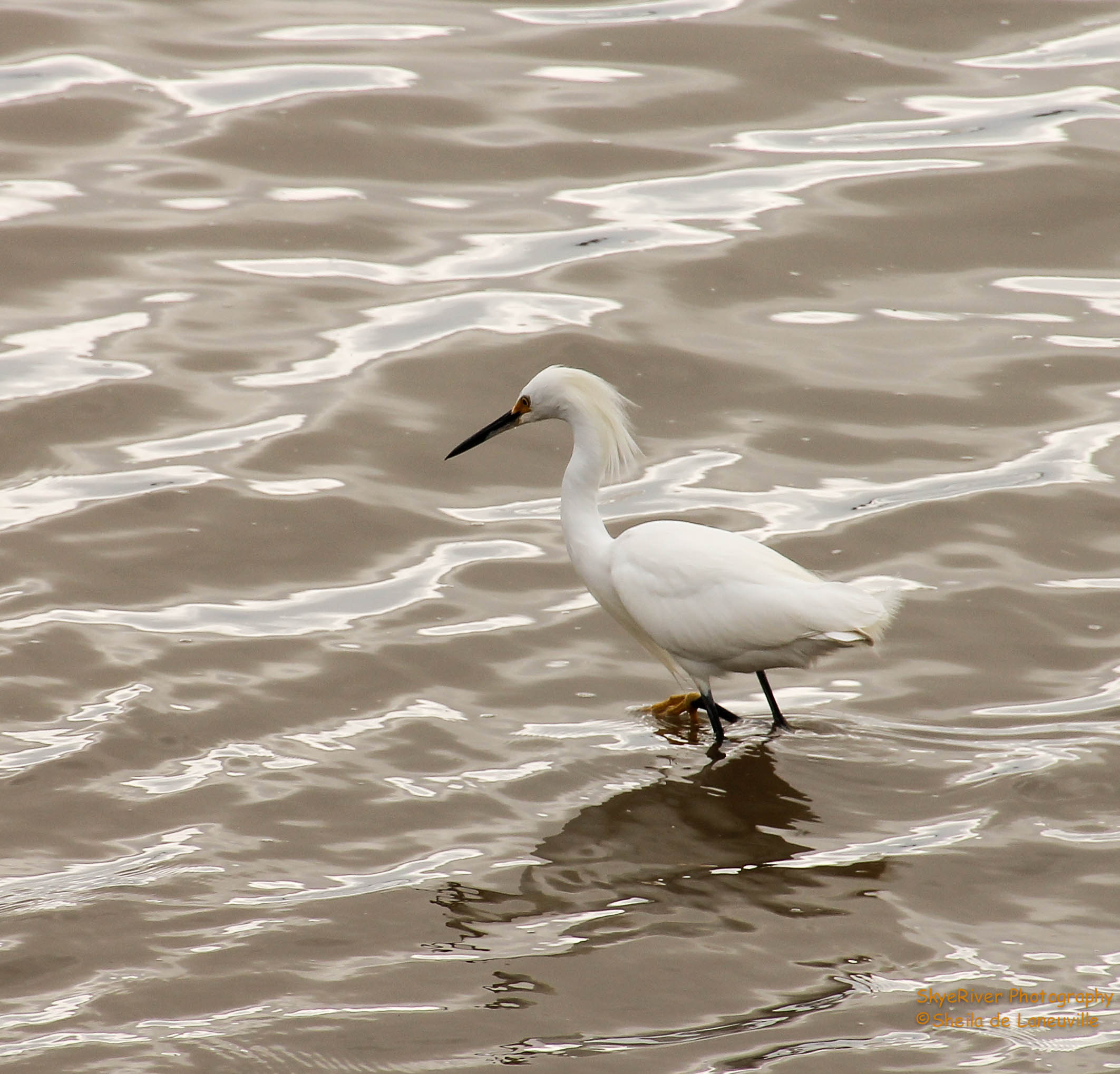
A focused Snowy Egret; looking better. Perhaps he slipped over into his Perfect Zone.
Lake Louisa State Park, located near Clermont, Florida, has many acres of old-growth Orange Groves, some bordering the main road into the park. Presently, these groves are non-producing, but provide great habitat for birds and other wildlife.
Recently, some of these trees have been uprooted and stacked in piles as you can see in the photo below.
Uprooted Orange Trees. Rows and rows of them.
I wish the park’s management will allow some of the piles to remain for the wildlife seeking refuge, but I tend to believe they won’t. Better yet, why don’t they plant new trees in their place. They don’t have to replant orange trees.
This is what the field looked like on December 26, 2014 as they began uprooting the trees..
Anyway “Lets Talk Turkey”
Late one evening about one week ago, leaving the guys behind, my friend Karla and I decided to jump in the car and head out in search of a pair of American Kestrels. We had been seeing them daily, when driving in and out of the park.
The Kestrels had been hanging around some of these mangled piles of orange trees, perhaps getting ready to build a nest. They would sit on one of the tallest points of the stack, probably looking for food. I wanted to capture a photo of them.
On this particular evening we didn’t see the American Kestrel pair, I think it was too late in the day, but we did see this gorgeous couple, along with seven other females, coming out of the woods to forage before roosting for the night. They were pretty far away so my photos aren’t the best. The guys missed out!
To learn more about our Wild Turkeys go to http://animals.nationalgeographic.com/animals/birds/wild-turkey/.
Wild Turkey Pair
Until Next Time
Stay Frisky
Maybe she is saying, “pick me instead of her”.
I am sharing this post with Eileen, Viewing nature with Eileen for her Saturday’s Critters at http://viewingnaturewitheileen.blogspot.com/2015/02/saturdays-critters-63.html
We left our campsite at Silver Springs State Park, River Camping Area and drove the short distance to the Springs. Our friends Karla and Larry were with us and we enjoyed a few hours of hiking. Below are some of the critters we were lucky enough to see.
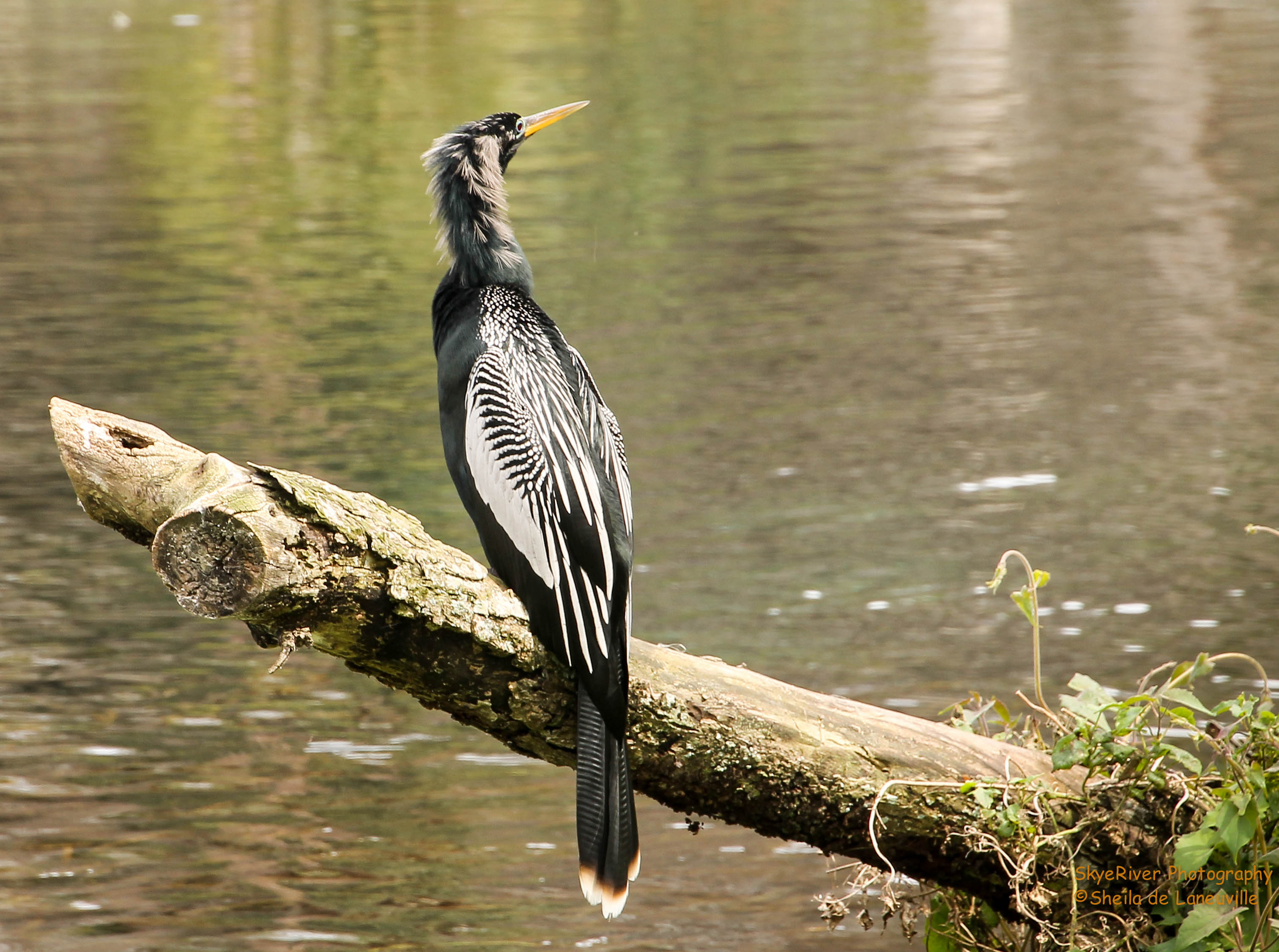
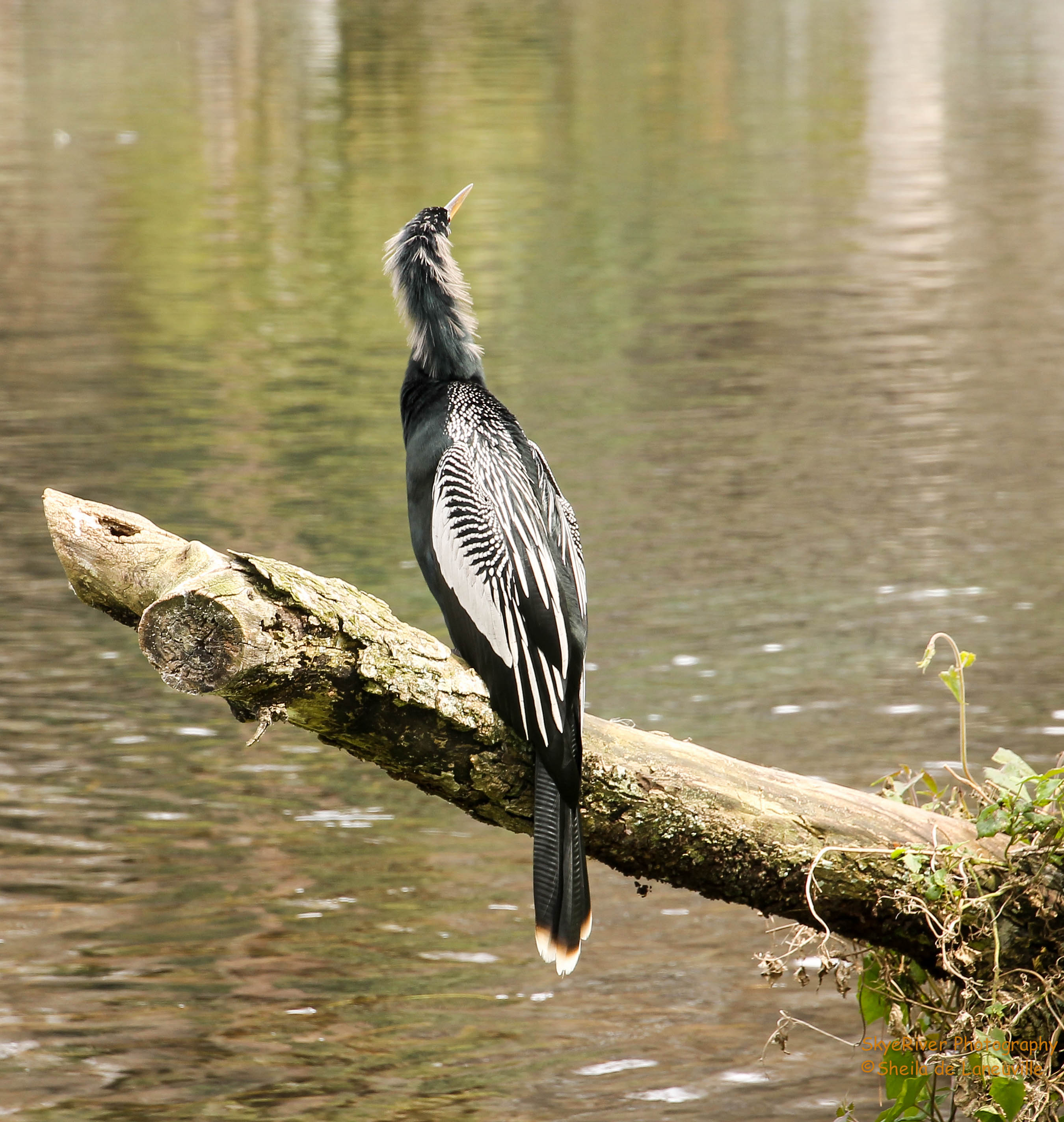
Anhingas prefer freshwater habitats and often are seen perched on branches or stumps. This is exactly where we spotted this beautiful male.
Anhinga. Silvery white spots and streaks on wings and upper back.Ruby-red to scarlet eyes, long thin neck, long pointed yellowish bill, black plumage with a green gloss.During breeding season the male acquires pale, wispy plumes on upper back.
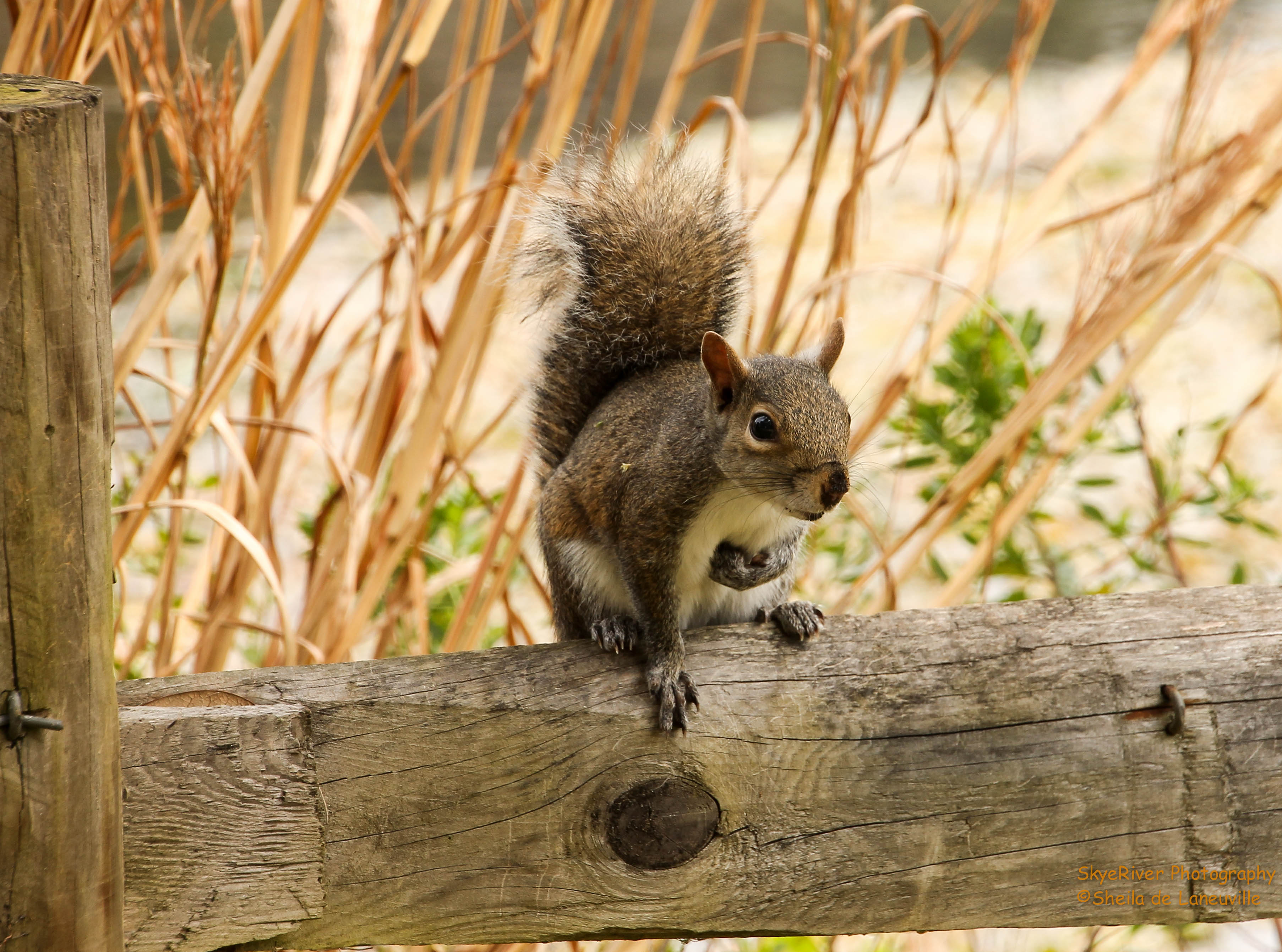
This little squirrel seemed to welcome us to Silver Springs. He jumped up on this fence and told us a story.
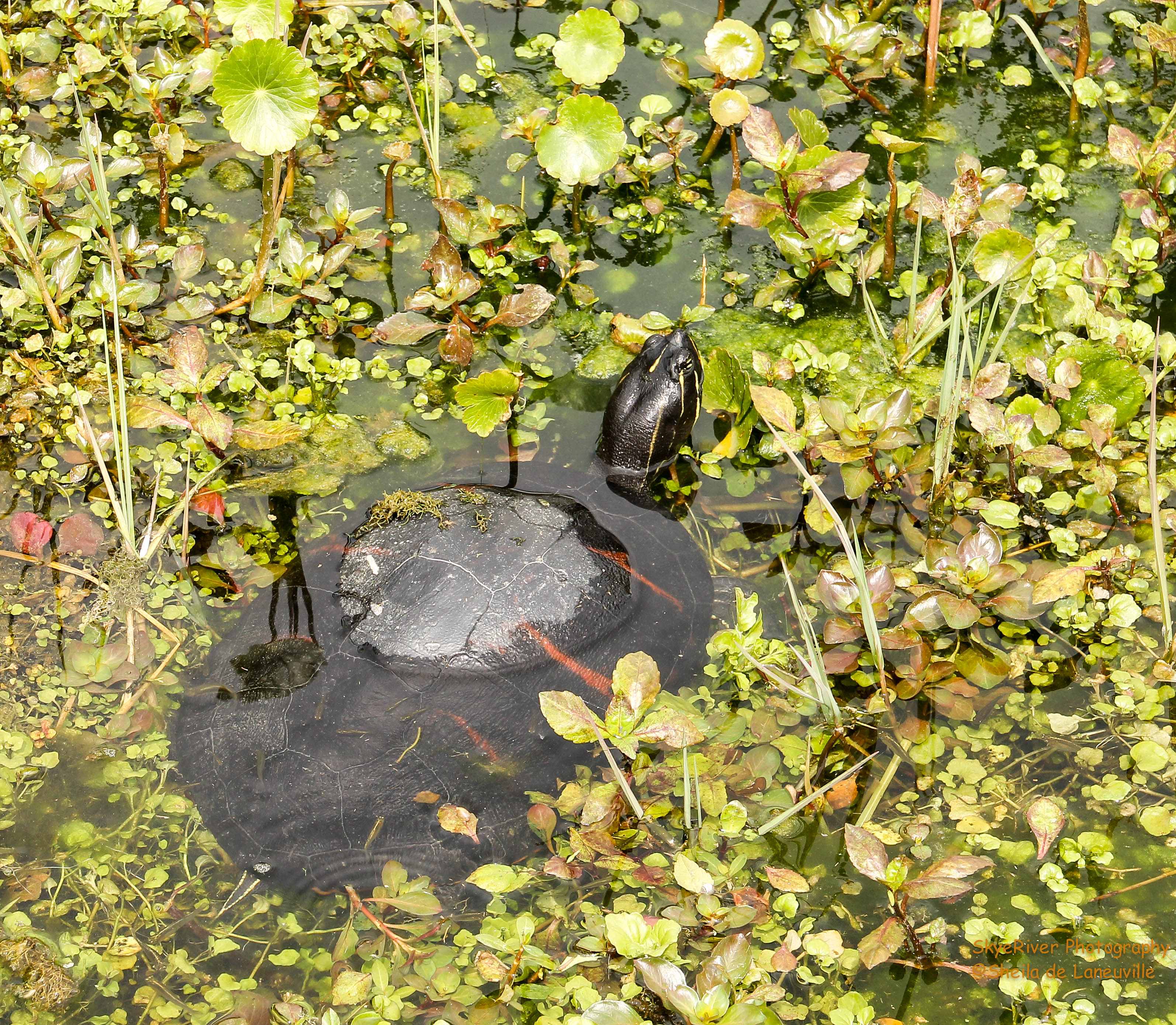
This Florida Red-bellied Cooter was enjoying a sunny day at the Springs.
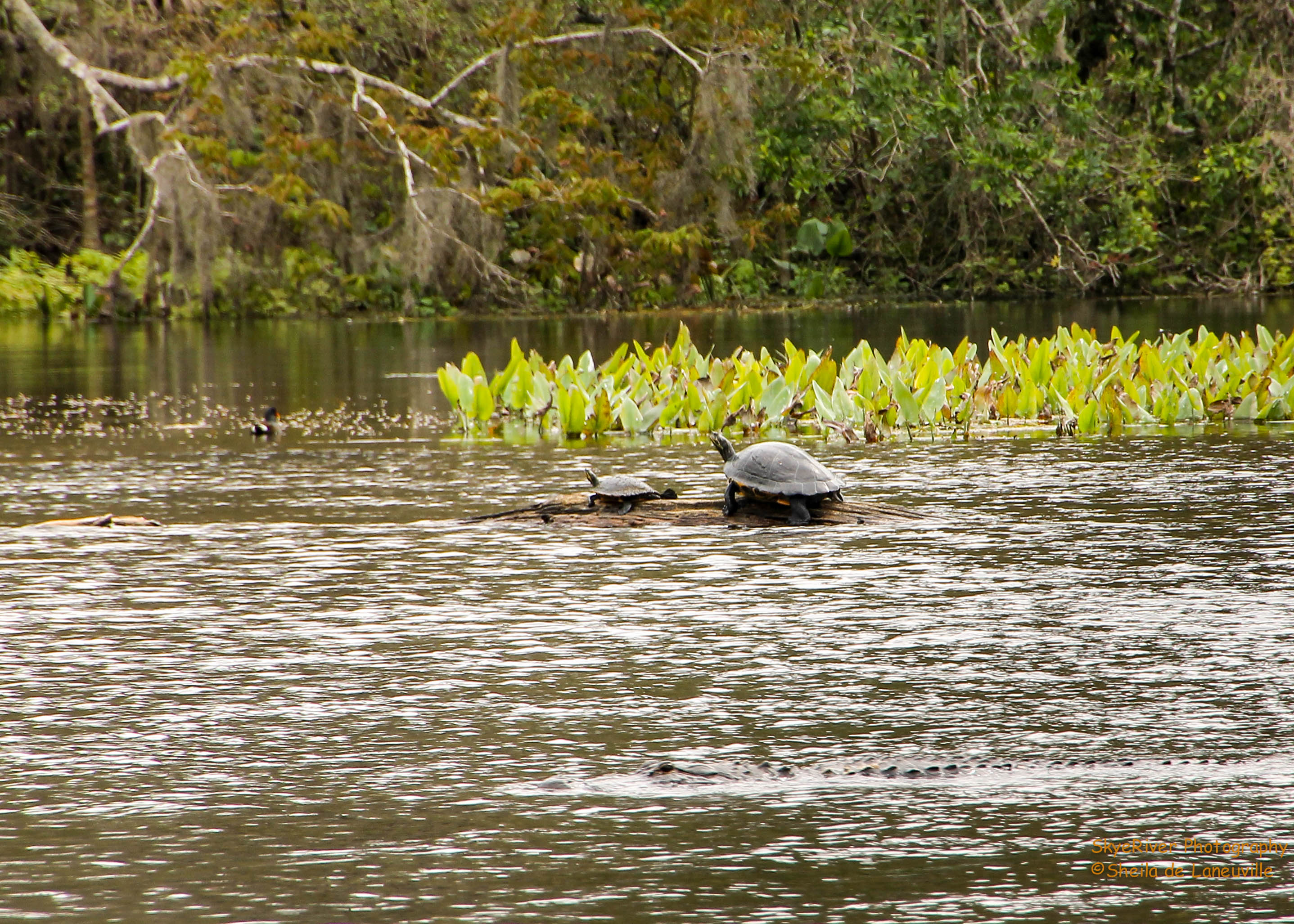
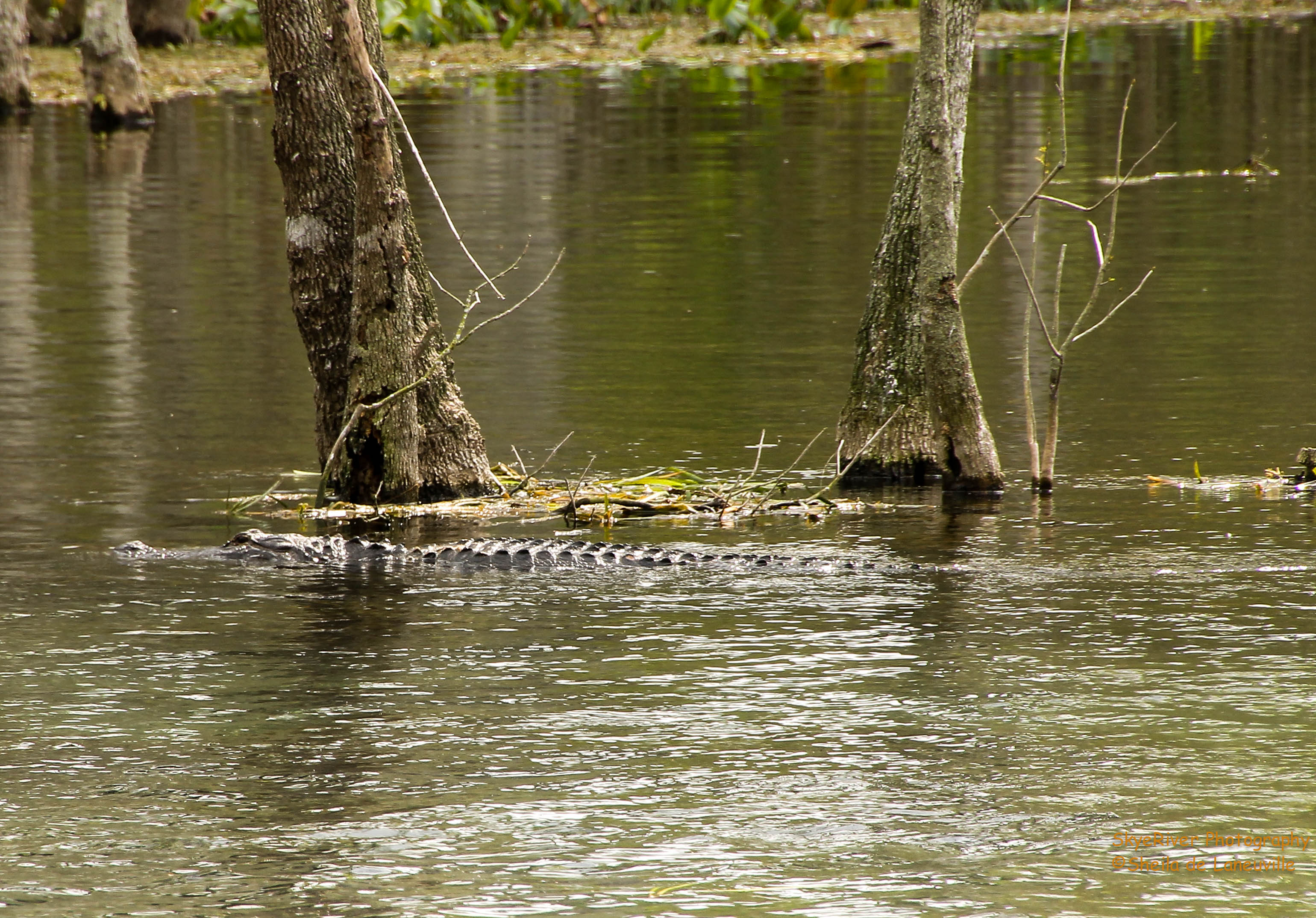
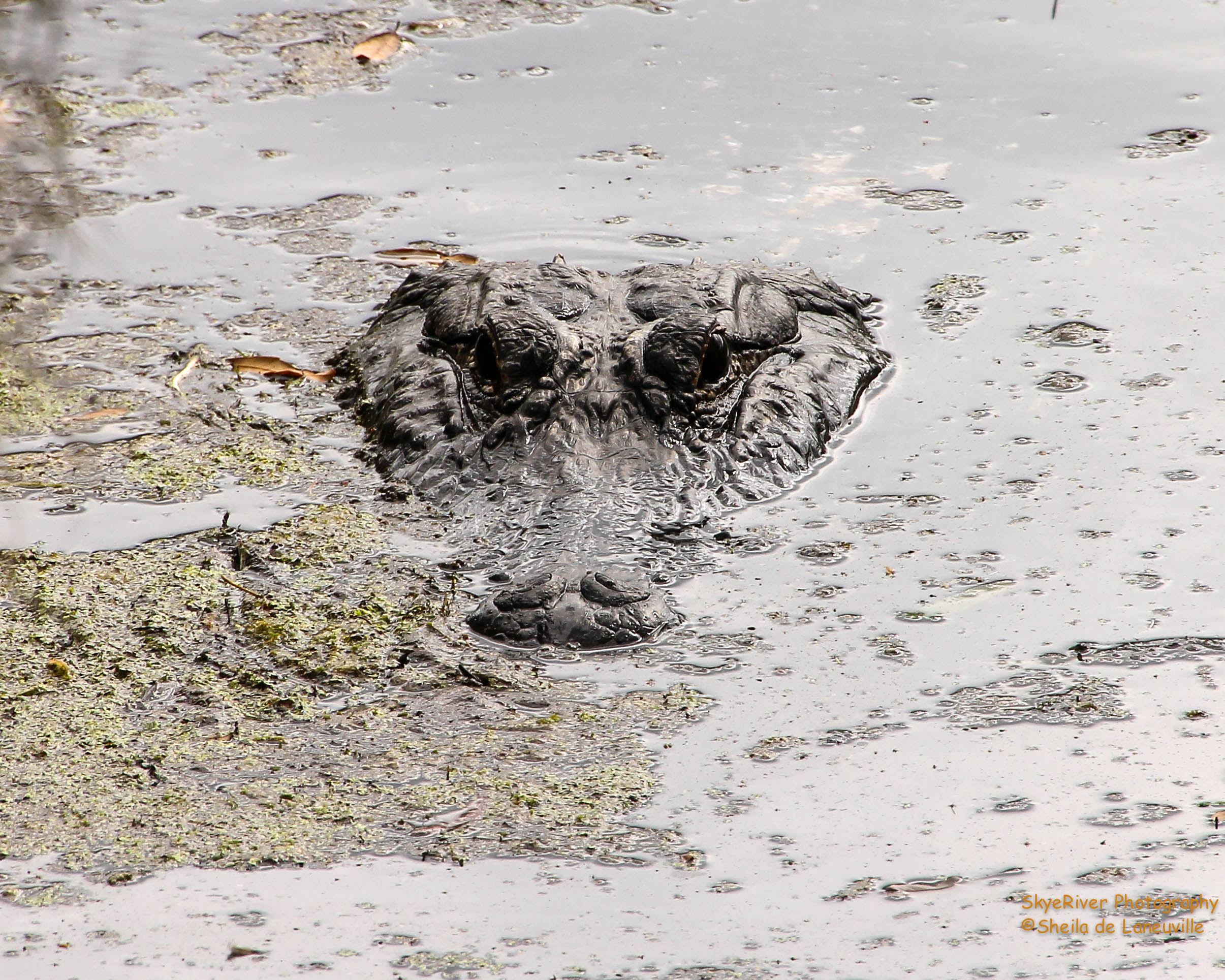
This guy was watching us from his home near the shoreline.Way out in the river this BIG guy was sunning himself along with a friend.
A lazy day on the river.
Cypress Trees out in the river.
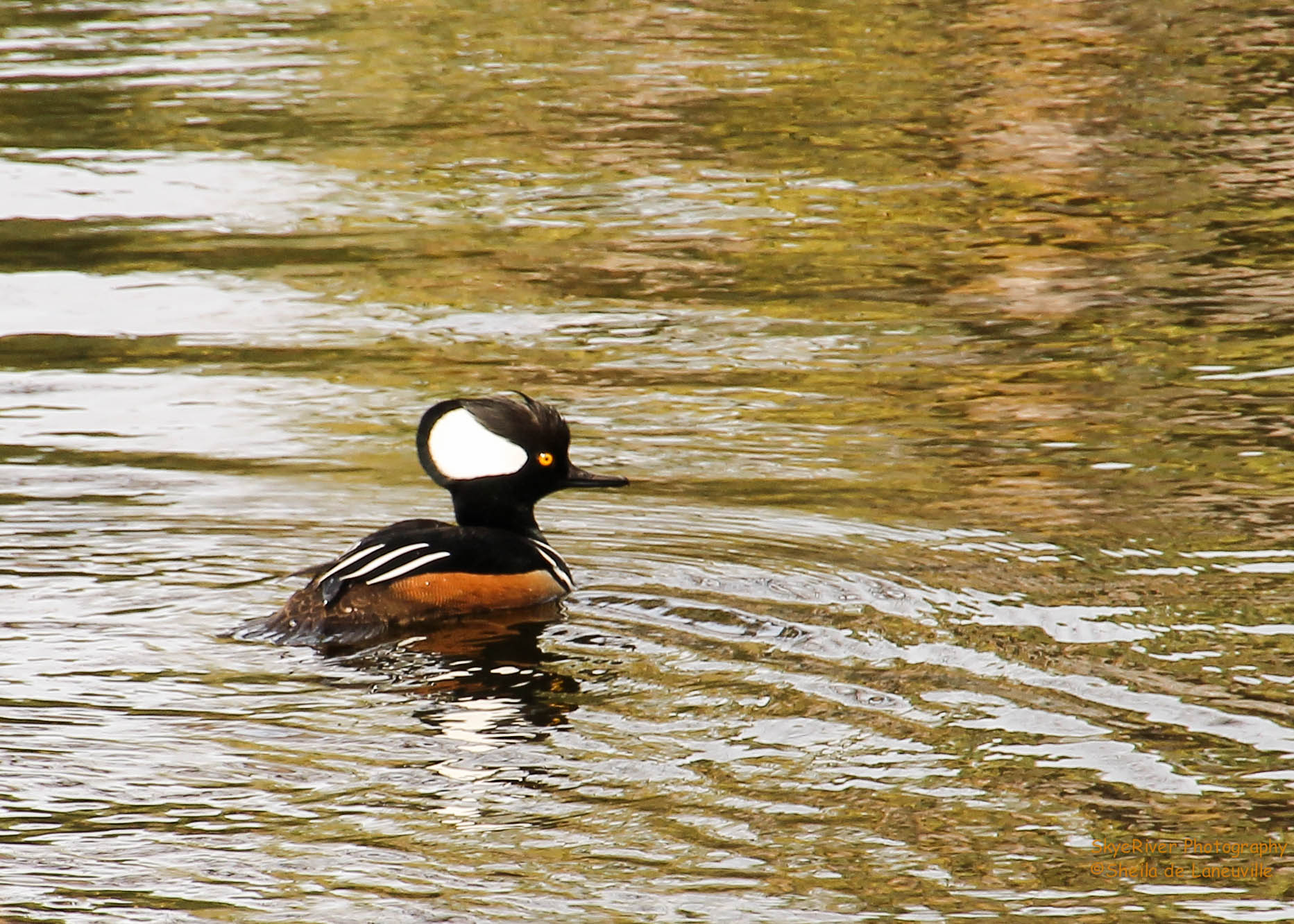
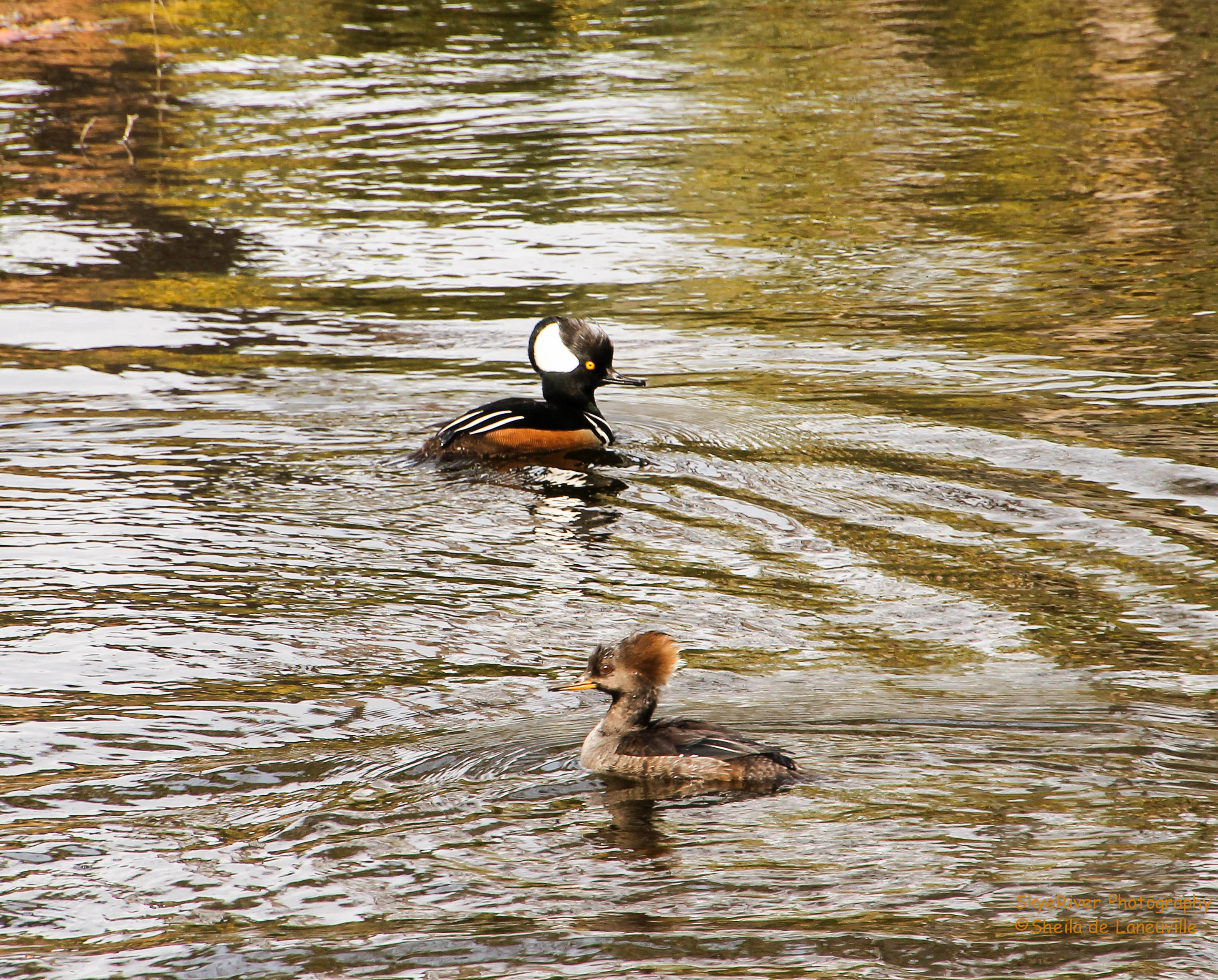
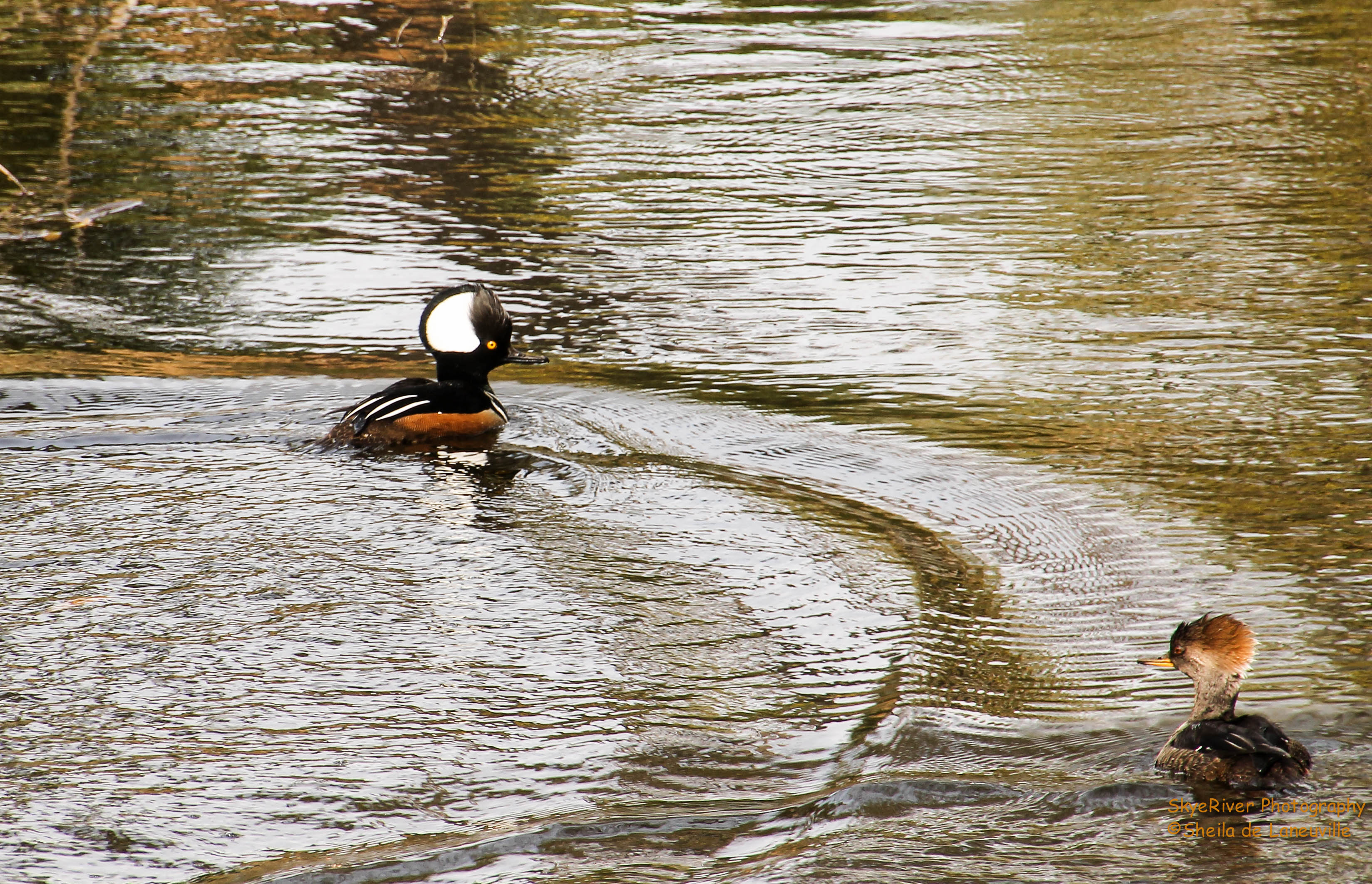
Almost missed these beauties; I spotted them as we were driving away heading back to camp.
Hooded Merganser, male. White head patches are fan-shaped. Black head, blackish bill, chestnut sides and white breast.Smallest native North American merganser with the largest crest. Numbers increasing, due to use of nesting boxes. His lady in the foreground.In breeding season, found on woodland ponds and rivers. Winters on fresh water. Swims under water using both feet and wings.
Looks pre-historic; did you catch him in the photo above?






 Wolf Song Blog