Prints in the sand Fishing, a common bondGreat Black-backed gull
There is no mistaking the identity of this gull, it is the largest in the world. It stands about 16 to 32 inches and weights about 64oz. Leg color, pale pink; eye color, pale yellow; bill color, yellow with red on lower mandible; back and wings, black.
The gull, in my photos above, is at least four years old, because it takes that long for it to transition to the dark, black back.
The Great Black-backed Gull is one of many bird species whose feathers were used for fashionable clothing in the 1800s. After the demise of the feather trade in the early 1900s, Great Black-backed Gull populations increased and spread farther south. Garbage dumps and other sources of human refuse have contributed to their range expansion.
Sharing with Eileen at Paying-Redy-Attention; Saturday’s Critters http://viewingnaturewitheileen.blogspot.com/2015/01/saturdays-critters-58.html
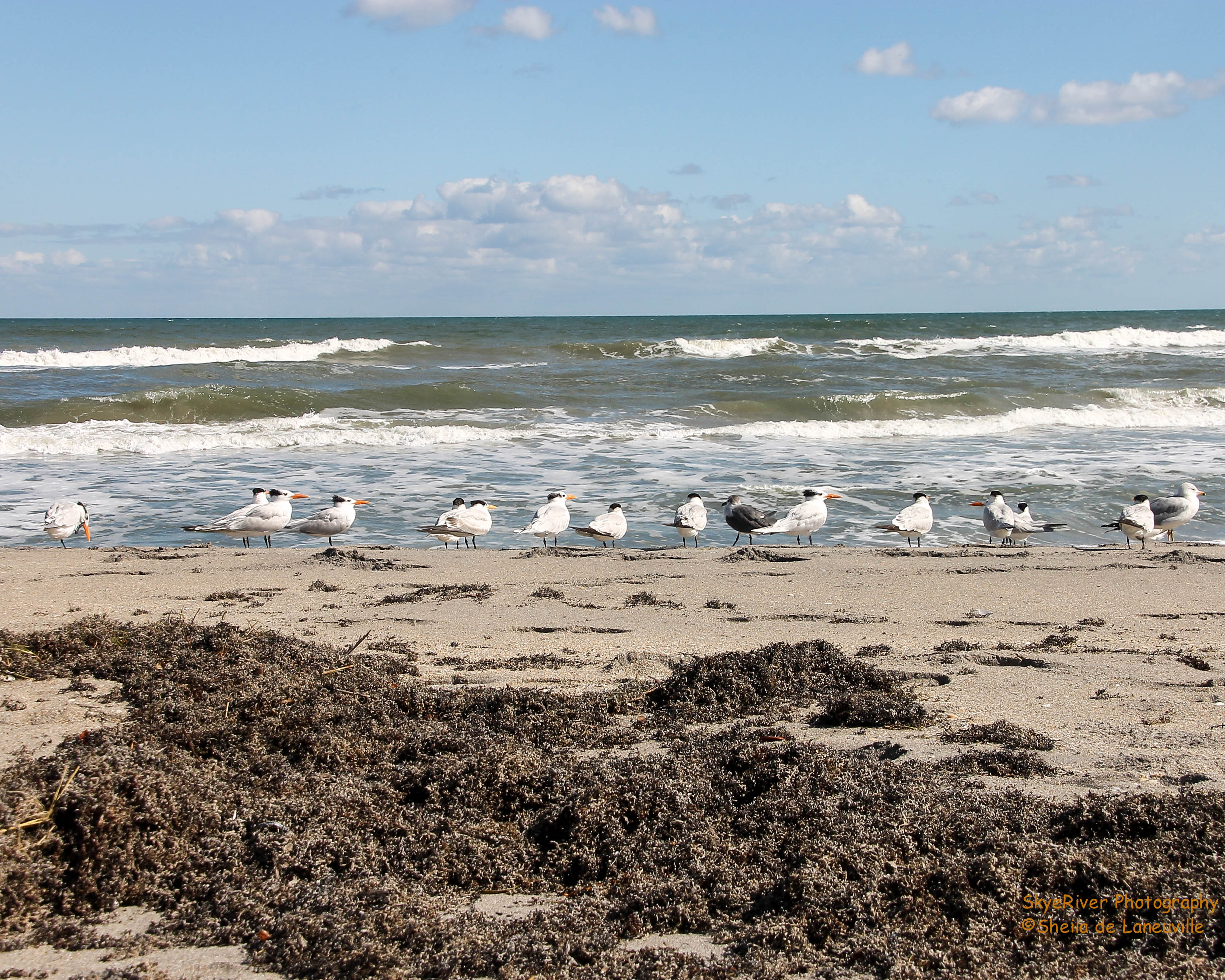
A few days ago, I spent a few hours walking on the beach at Hobe Sound, Florida. I couldn’t wait to sink my toes into the warm sand.
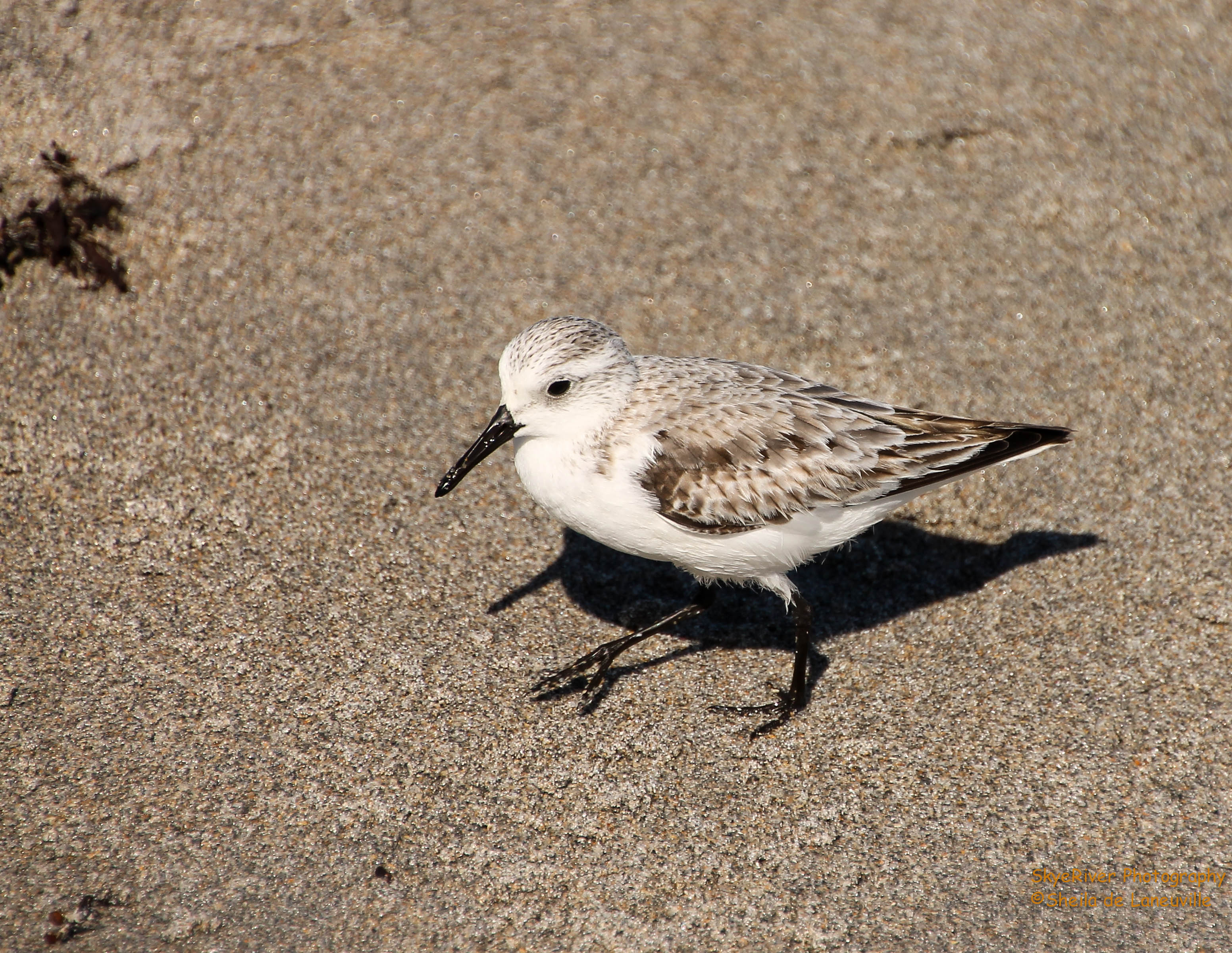
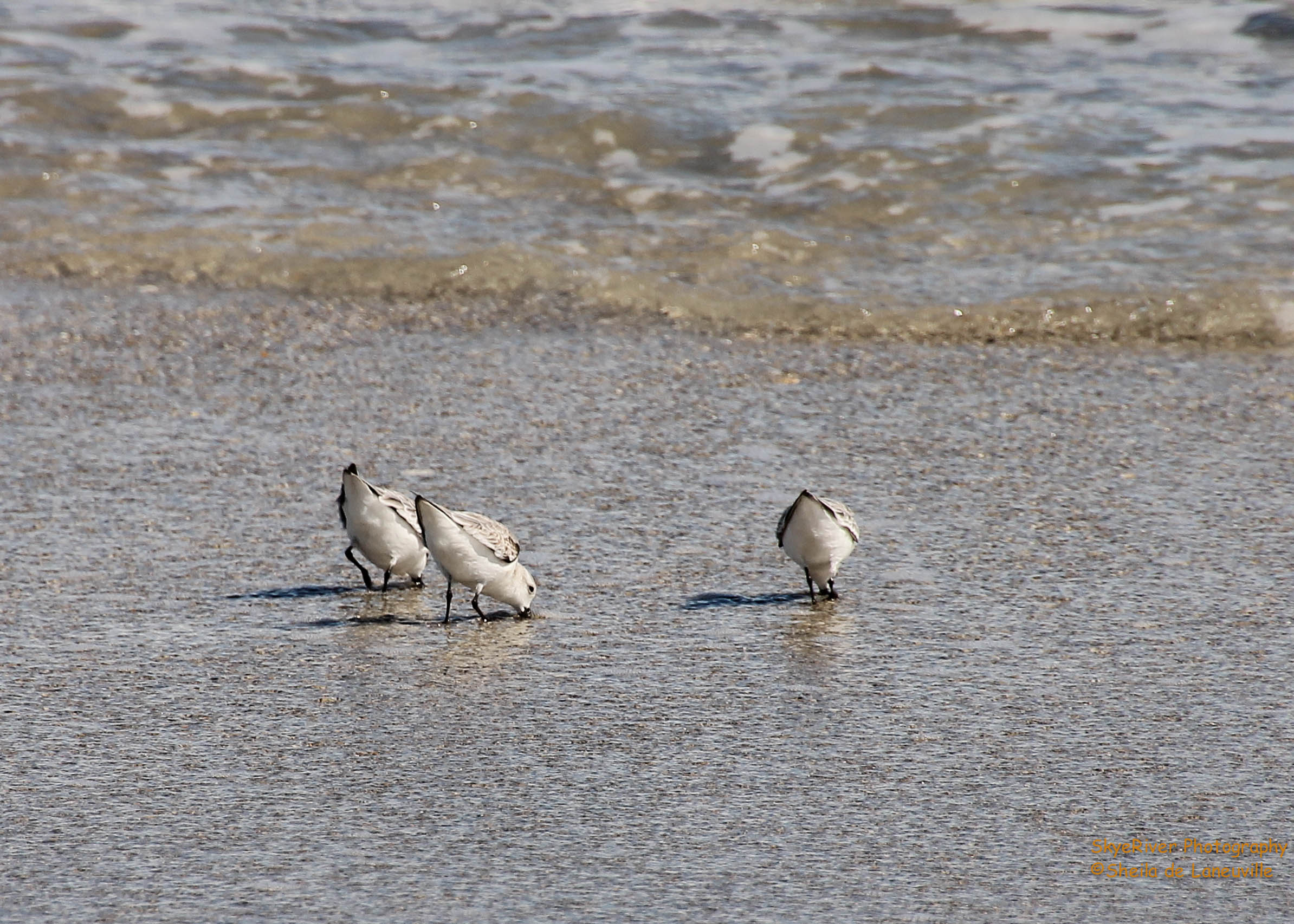
Happiness is feeling the ocean breeze on my skin; the sight of the sky, water and sand as they kiss each other in harmony; and observing the gorgeous shore birds as they search for food fighting against the power of this environment.
We have arrived back on the east coast of Florida staying at Jonathan Dickinson State Park near Hobe Sound, Florida. The beach at Hobe Sound is only four miles away from camp and I look forward to many more beach treks.
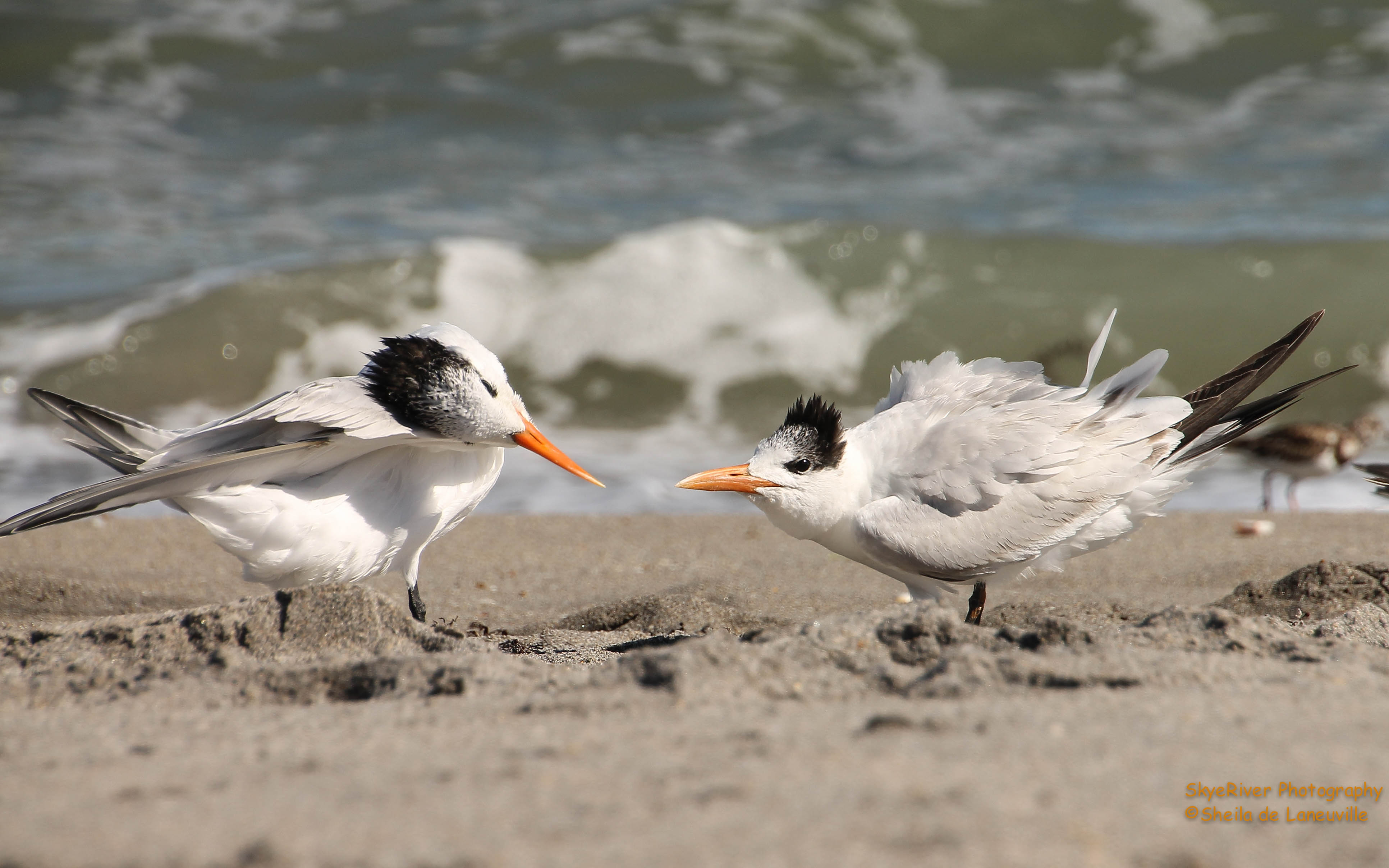
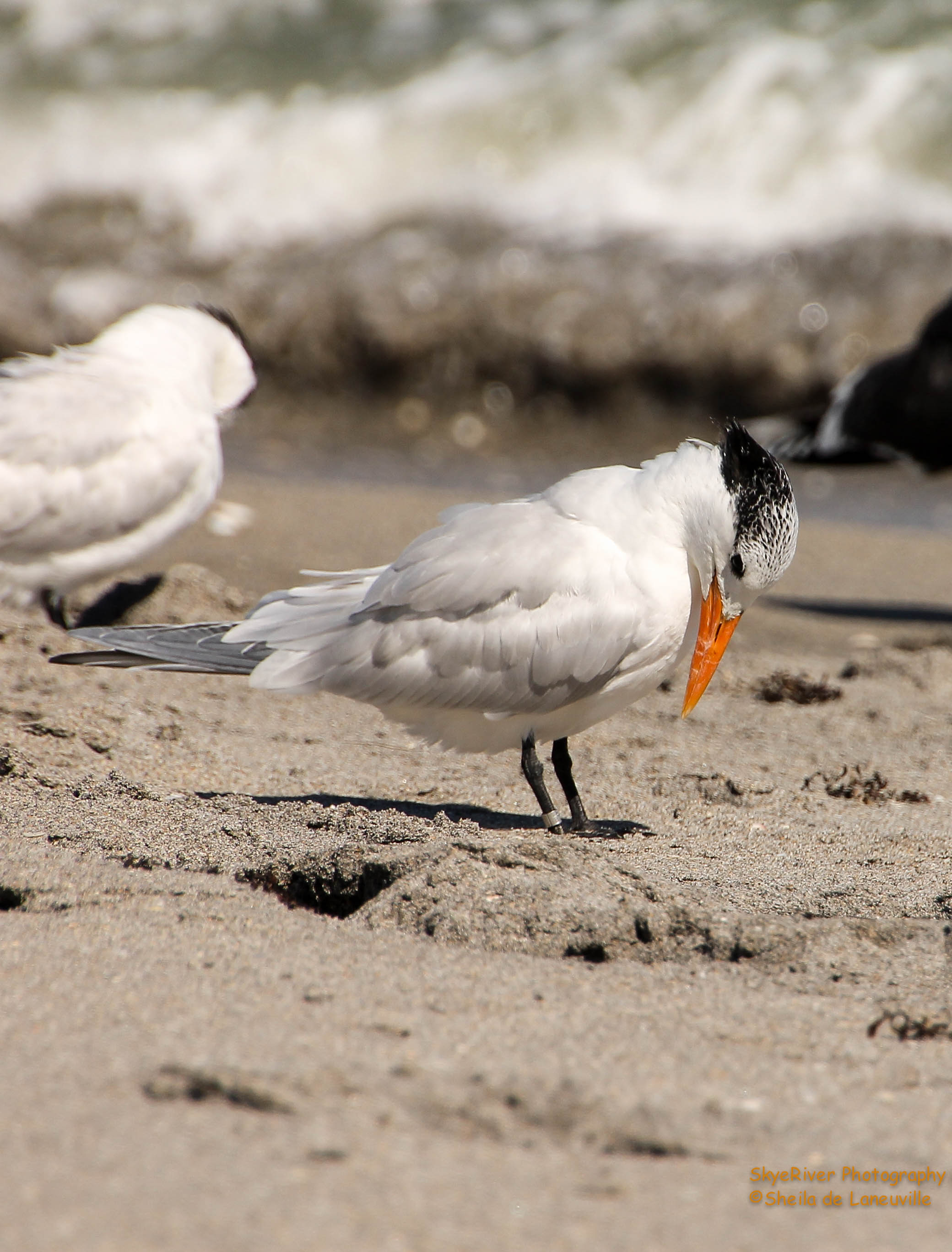
“You ate that already?”“Now you want more?”This Royal Tern said, “who put this thing on my leg?”Mesmerized
While hiking in Jonathan, I have had the pleasure of seeing the beautiful Florida Scrub Jay!
Coming up next…
Great Black Backed Gull, Ring Billed Gull, Willet, Sanderling, Ruddy Turnstone and more
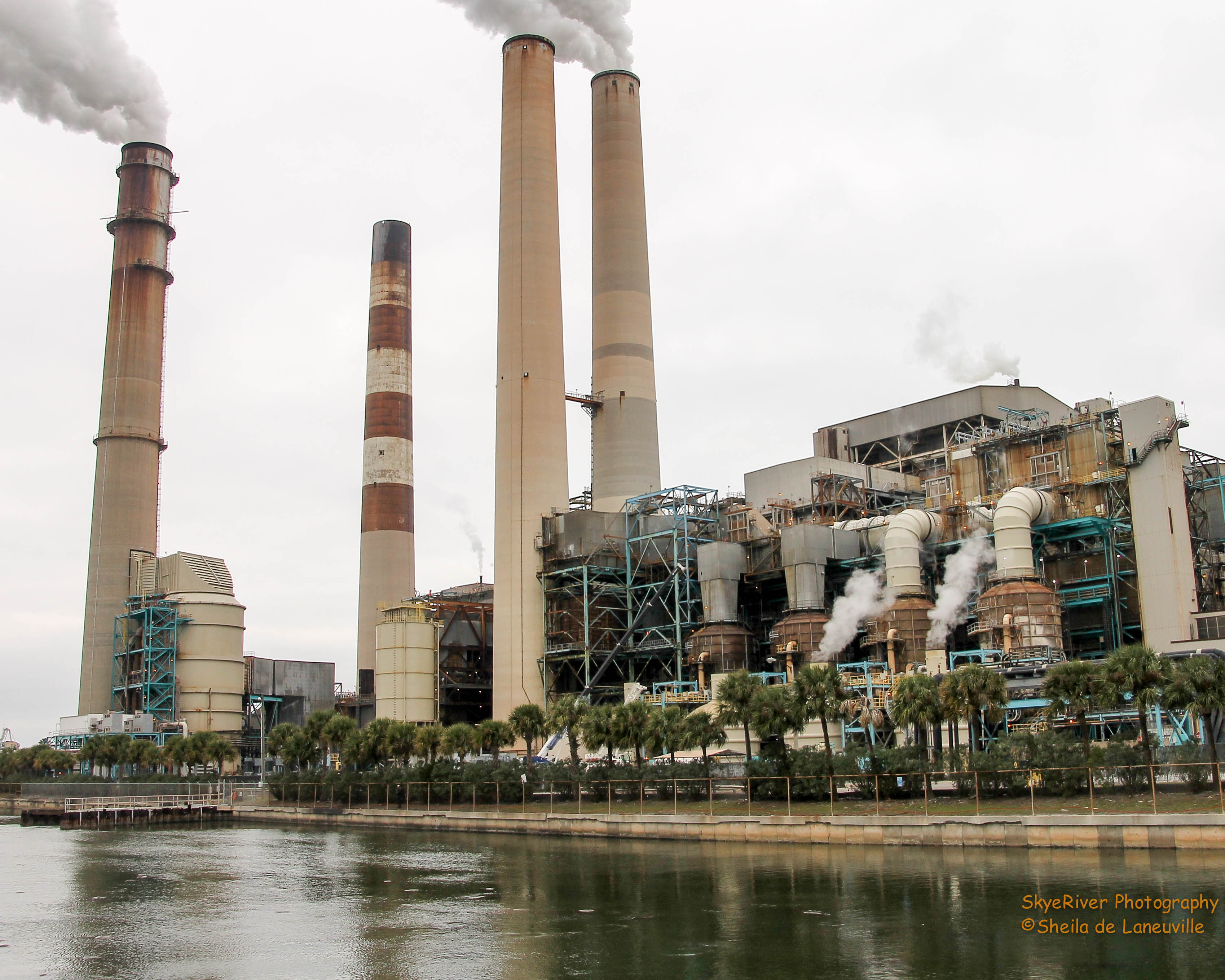
Recently our friends took us to visit the Big Bend Power Station with the hope of seeing Manatee. We were all camped at Alafia River State Park in Lithia, Florida, which isn’t too far from the Big Bend Power Station.
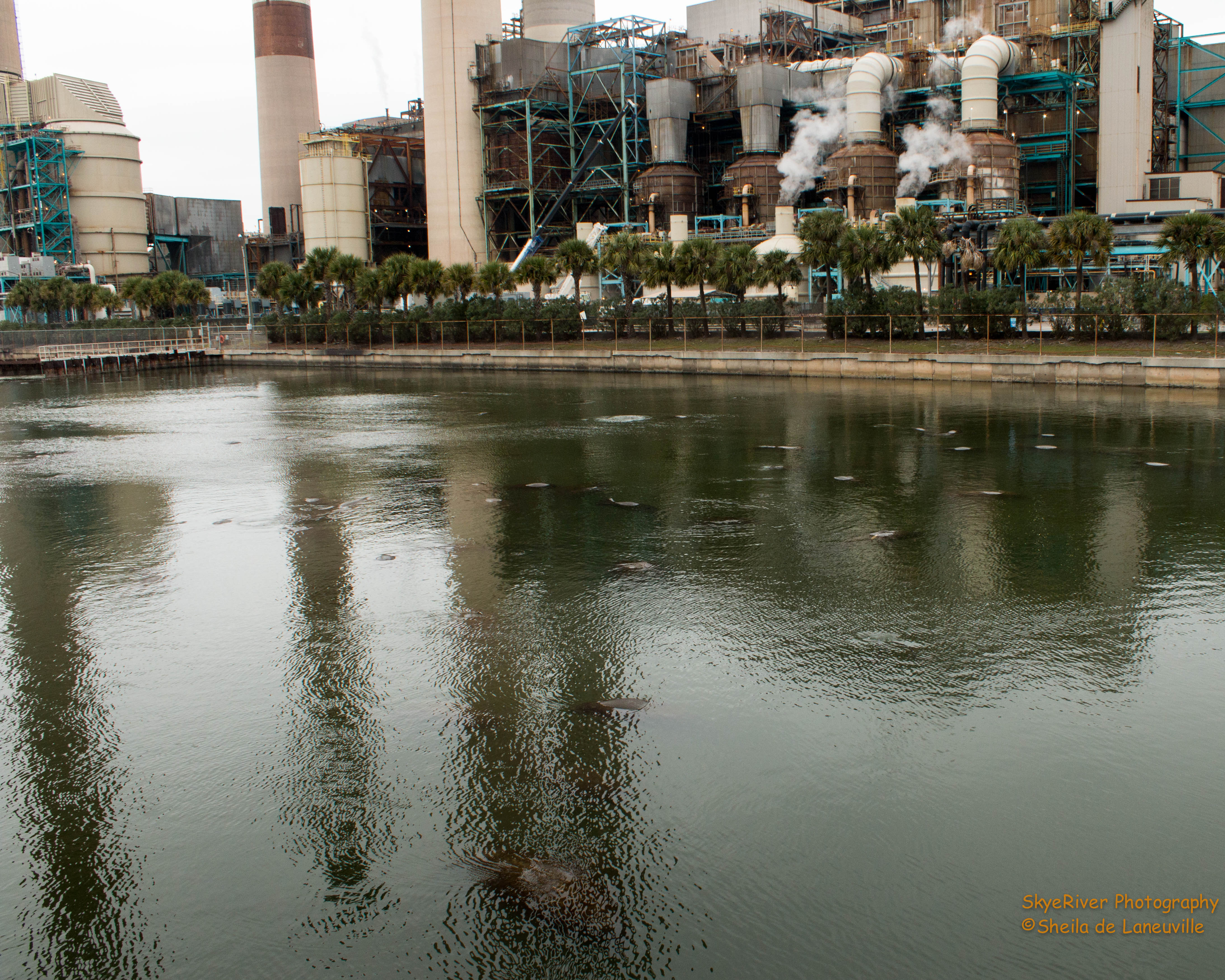
Big Bend Power Station is location on Tampa Bay near Apollo Beach and covers more than 1,500 acres. This power station has four coal-fired units with a combined output of more than 1,700 megawatts and meets strict environmental regulations through the use of flue gas desulfurization systems or “scrubbers”, which remove sulfur dioxide produced when coal is burned. (some info taken from the web-sites mentioned here)
You can read about Big Bend Power Station here: http://www.tampaelectric.com/company/mvc/index.cfm?link=banner&source=hp&q=tampa+electric
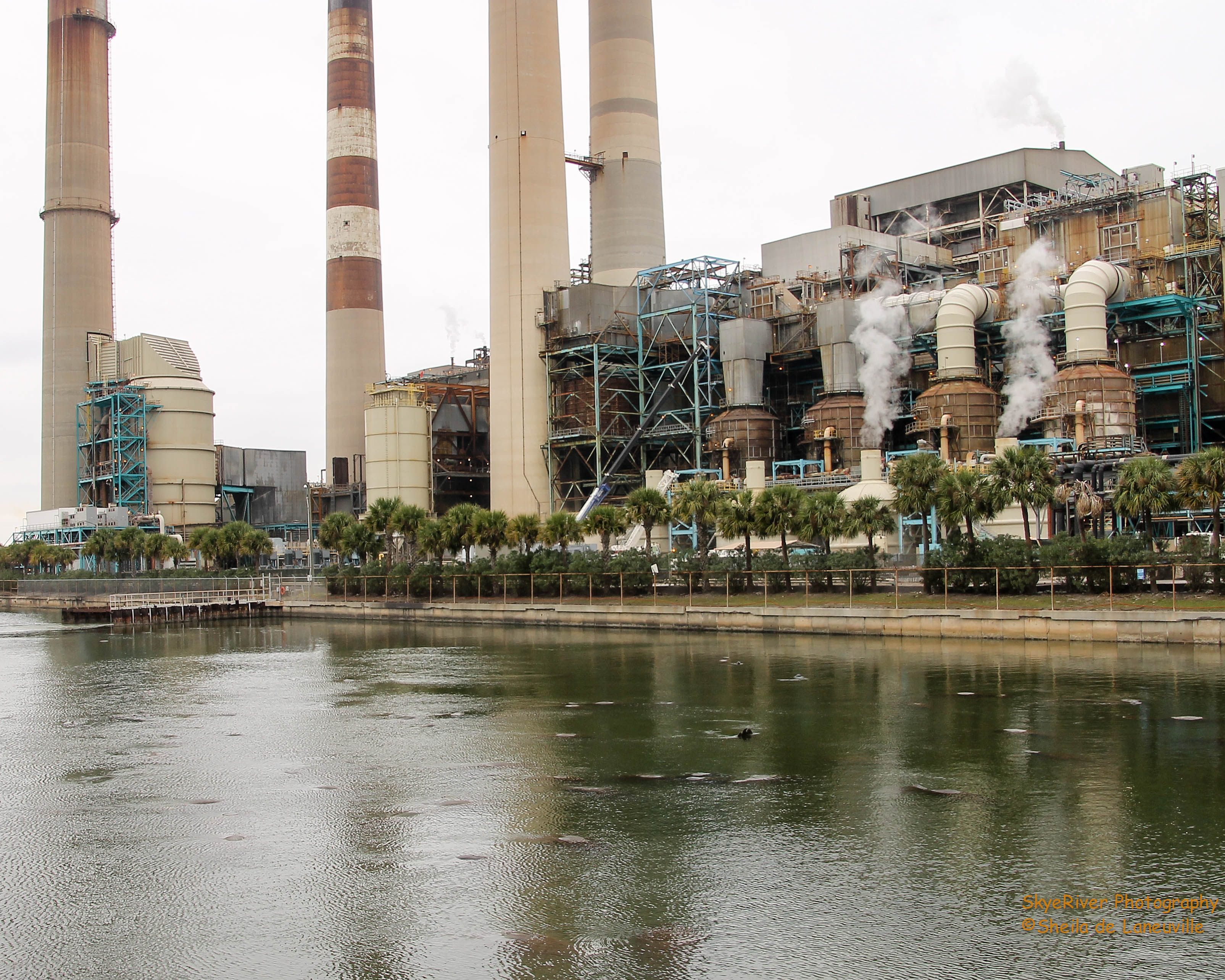
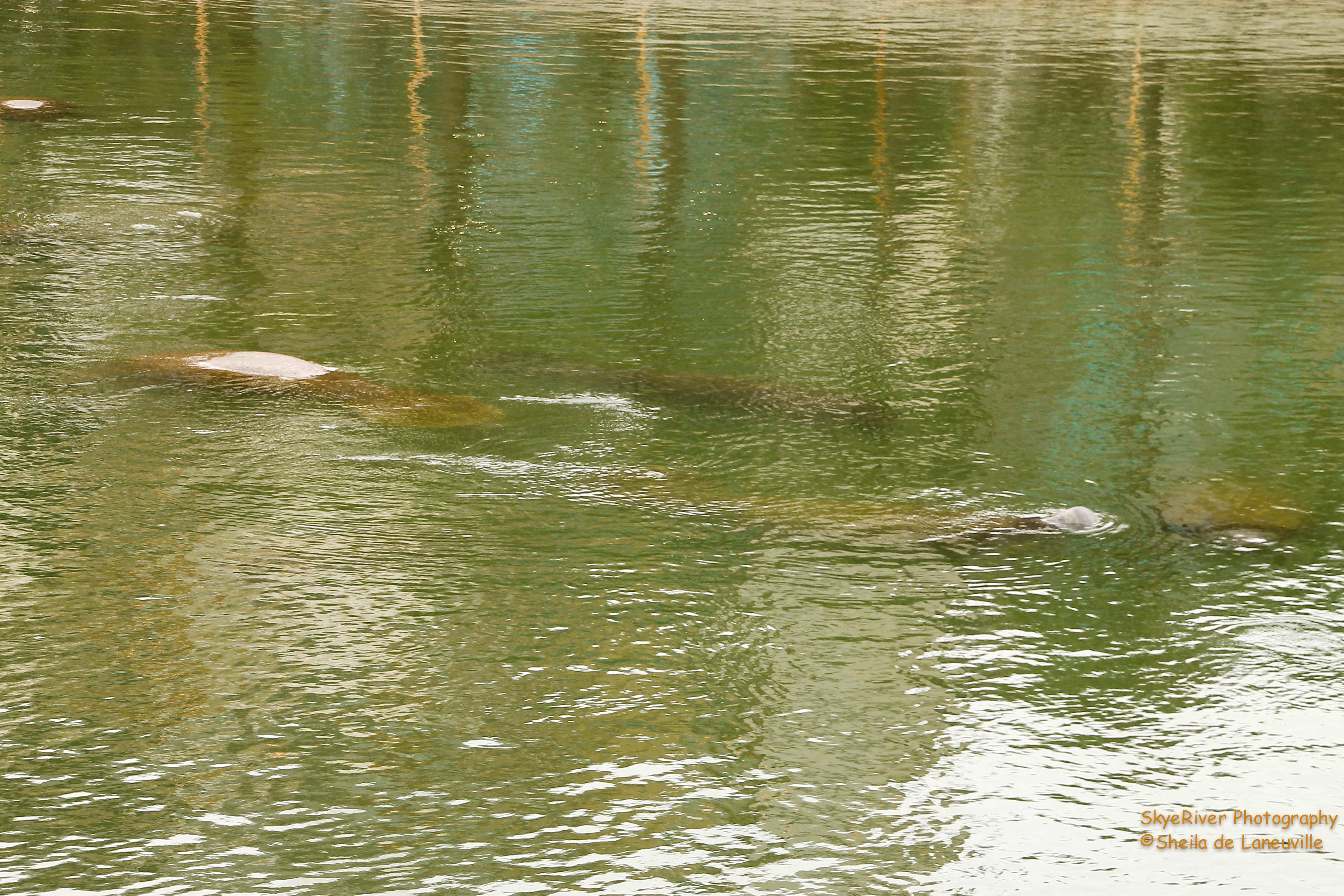
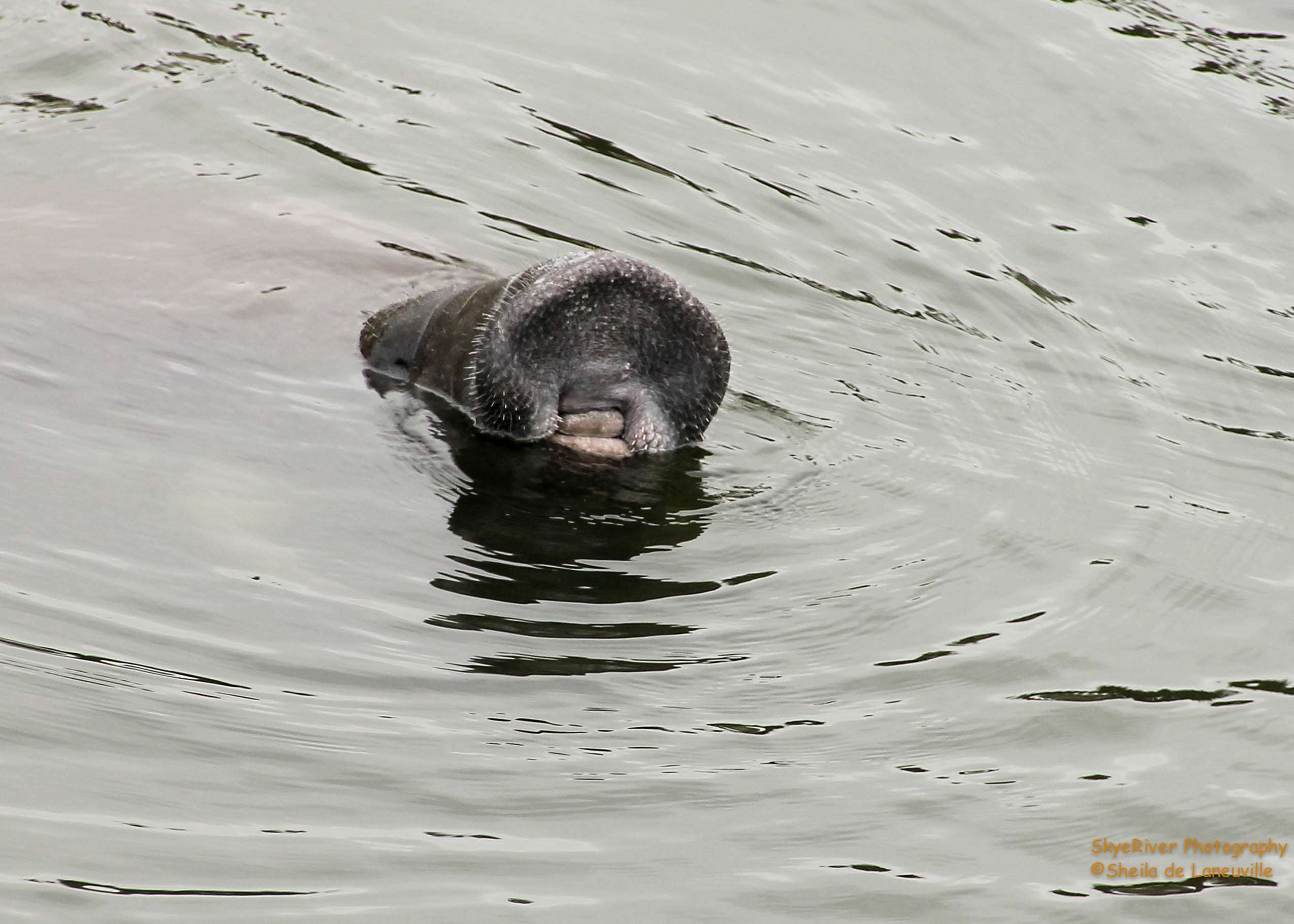
Manatee enjoying the warm canal water
Beginning around 1986 people started seeing Manatee, in large numbers, in the power station’s discharge canal, where saltwater – taken from Tampa Bay to cool Unit 4 – flowed, clean and warm, back to the bay. When Tampa Bay reached 68 degrees or colder, the mammals would seek out this new refuge.
The Manatee Viewing Center was soon born. Today, Big Bend’s discharge canal is a state and federally designated Manatee sanctuary that provides critical protection from the cold for these unique, gentle animals.
You can read about the Manatee Viewing Center (MCV) here: http://www.tampaelectric.com/company/mvc/index.cfm?link=banner&source=hp&q=tampa+electric
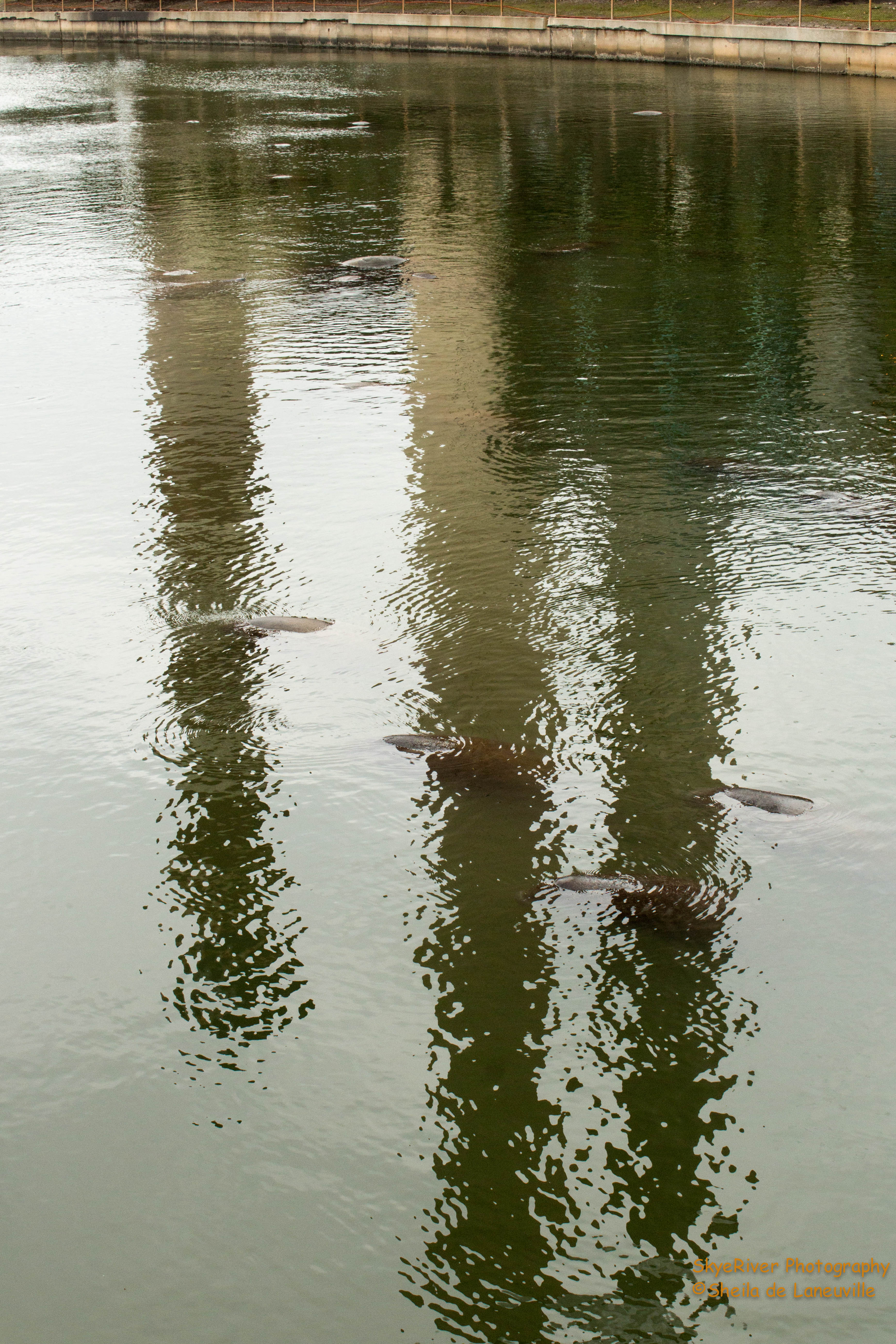
Because it was cloudy we didn’t get the best view of these Manatee, but we had a fun time anyway!
An Artsy view
It was very exciting for me to witness the results of a partnership, between the Tampa Electric Company and others, and the need to protect the wildlife that visits this area, especially the Manatee.
I believe they are doing an outstanding job in meeting the power needs of people working and living in and around Tampa, while providing a safe environment for these mammals during the winter months.
Hundreds of Manatee take refuge from the cold at this sanctuary.
Located on site at the Manatee Viewing Center, is an environmental education building that provides a place to learn about the Manatee and also about how power is generated.






 Wolf Song Blog