Category Archives: On The Road

Traveling in our Coach

~Friday’s Feathered Friend~(Canada Goose)

~Canada Goose – black head and neck, white chin strap, blackish bill, brownish gray upper parts, white under tail coverts.

~

Added to my Birding Life List in July of 1984

(while on vacation in Yellowstone National Park, WY)

~


A Canada Goose drinking a sip of water


The Canada Goose is the most common, familiar and widespread goose in North America.

They are native to North America and breed in Canada and the northern United States in a variety of habitats. The Great Lakes region maintains a very large population of Canada Geese.

Canada Geese occur year-round in the southern part of their breeding range, including most of the eastern seaboard and the Pacific coast. Between California and South Carolina in the southern United States and northern Mexico, Canada Geese are primarily present as migrants from further north during the winter.

Mini and Moe (they mate for life and are Monogamous.
Mini and Moe
(they mate for life and are monogamous

Canada Geese will mate for life. Like most other geese, family units remain together through winter and until they return to breeding grounds. Incubation is 25-30 days by the female, young leave nest at 2-2 days, young feed themselves with the help of  their parents. 


Black head and neck, white shin strap, black bill, white under tail coverts.
Black head and neck, white shin strap, black bill, white under tail coverts

 These geese are called dabblers and grazers, feeding on a variety of aquatic and terrestrial plants.

IMG_6892
IMG_6894

I am sure you have been treated to the familiar honk-a-lonk song of these geese and have seen them flying over in their distinctive V formation!

I had a wonderful time photographing these geese while staying at Meaher State Park in Spanish Fort, Alabama. 

If you are interested in learning more about the Canada Goose, please visit this web-site or any other birding web-site:

http://www.allaboutbirds.org

~

Enjoy Birdwatching!

It can be entertaining as well as educational!

~

This is another great Blog to learn about Birds! – http://prairiebirder.wordpress.com

Information on the Canada Goose was taken from several birding books and web-sites to include: DK Smithsonian Handbook on Birds of North America, National Geographic Society and Wikipedia.
 

~Little foal, where are you?~

Little foal, where are you

I waited

To see you nuzzling your Mom for the first time

To place my hands on your silky body

To feel your little heart beating

To catch a glimpse of you running through the green grass

I waited

Little foal, where are you

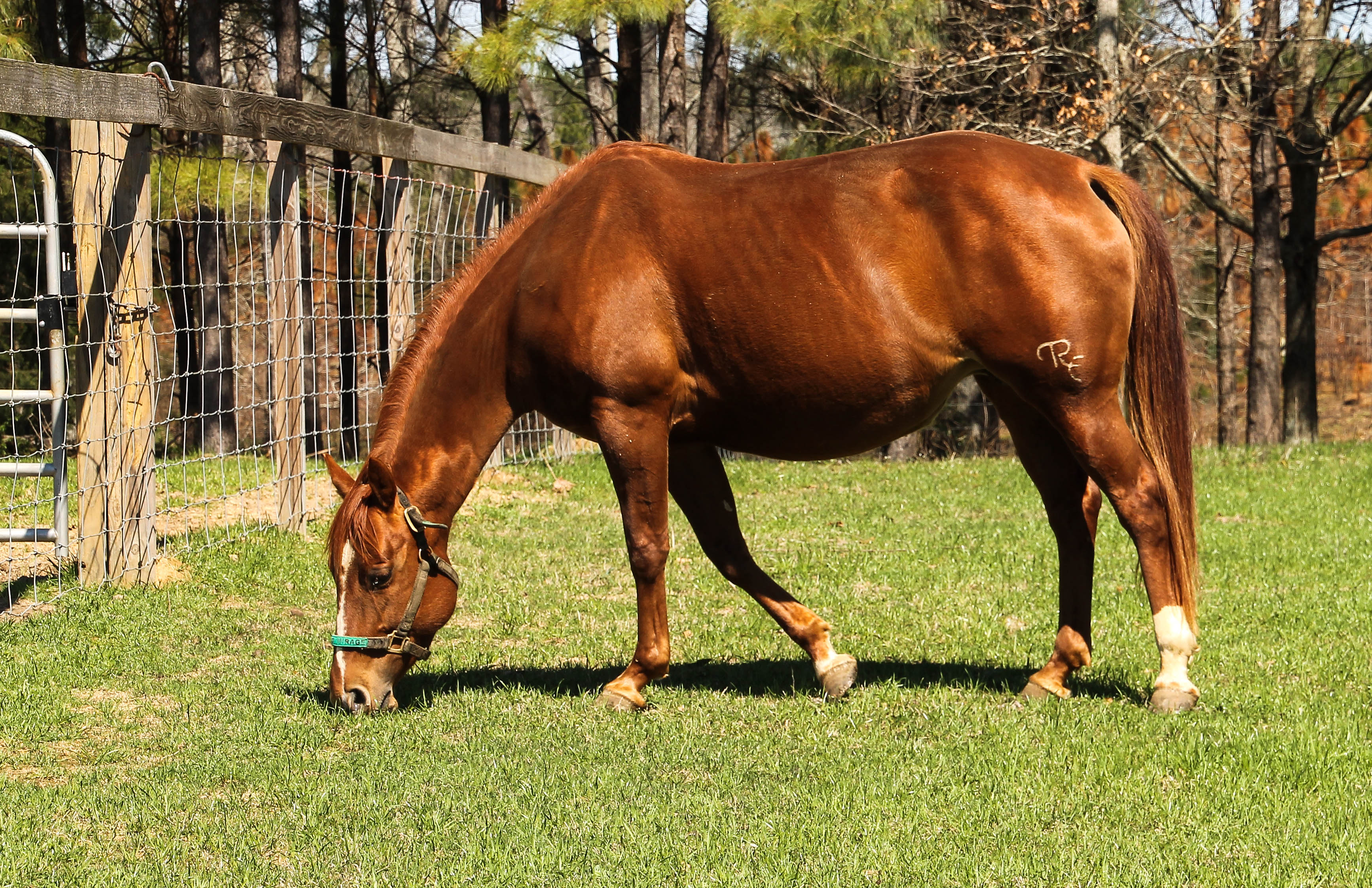
Fat Mama
Fat Mama

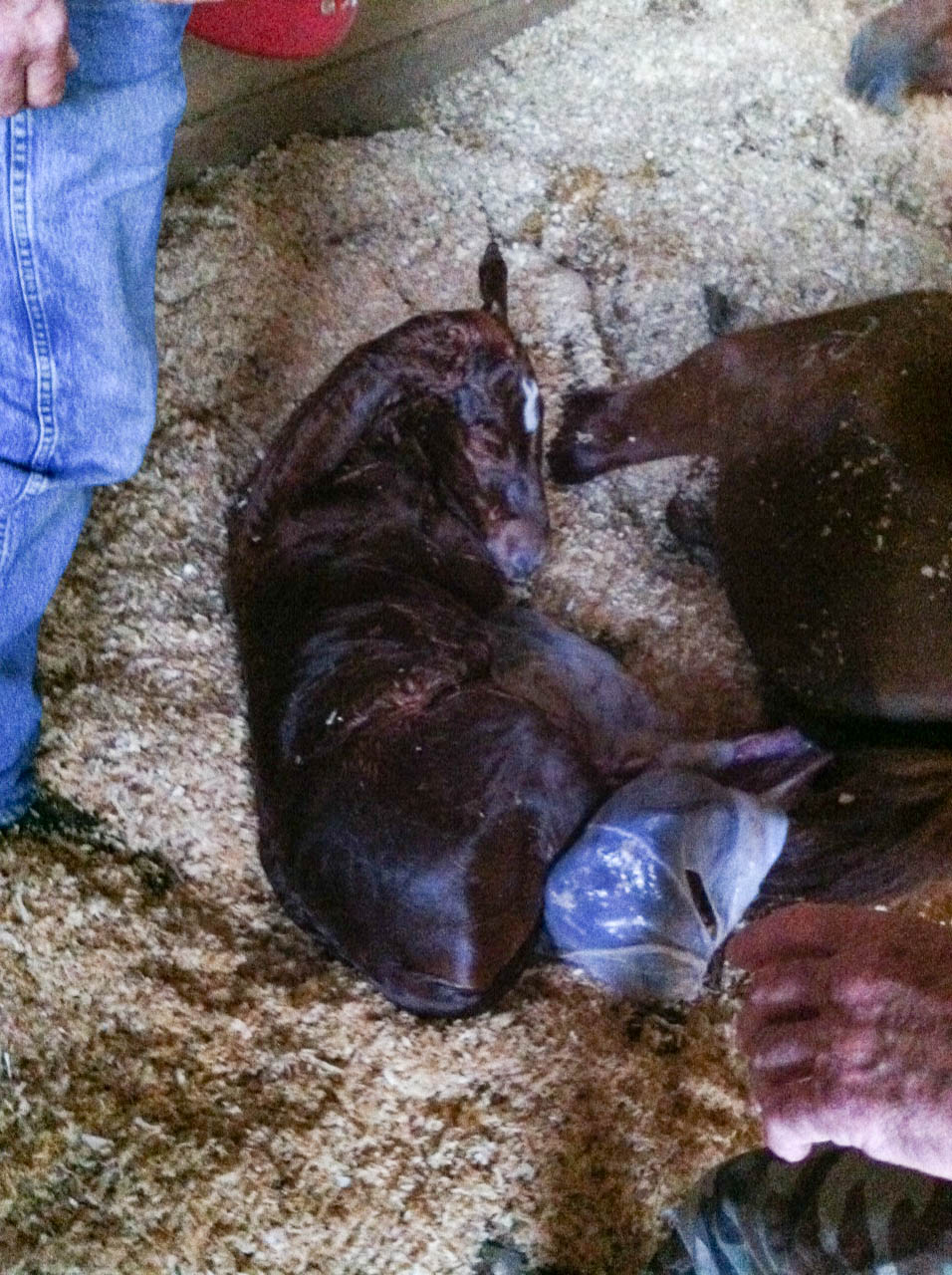
We spent ten days at my brother’s house waiting for Fat Mama (Lena) to have her foal. Well, we left there Sunday mourning and guess what? This afternoon, around six o’clock, she had her baby, after 356 days! 

It’s a boy!!

I was so disappointed that I didn’t get to witness his birth! It would have been a first! Baby is doing find, found his milk after a few tries. Photos were captured using a cell photo and sent to me. Earlier today, before she had her baby, I wrote this poem and planed to post it tonight with pictures of Lena and now I get to include photos of her new baby boy.

Lena's Baby
It’s a colt!
It's a boy!
Look at Mom’s face. Adorable
First Nuzzle
First Nuzzle

These are a few photos of their other horses! Hot Rod and Big Red. There is also Lace, a one year old filly and I will  post photos of her and more of Big Red later. I bet I receive more photos of the new baby!

"This feels so good"
“This feels so good”
IMG_7112
“I’am just an old cow horse”
"What"
“What”
Twenty-Seven year old Hot Rod
Handsome  Big Red
Handsome
Big Red

 How wondrous is  life?

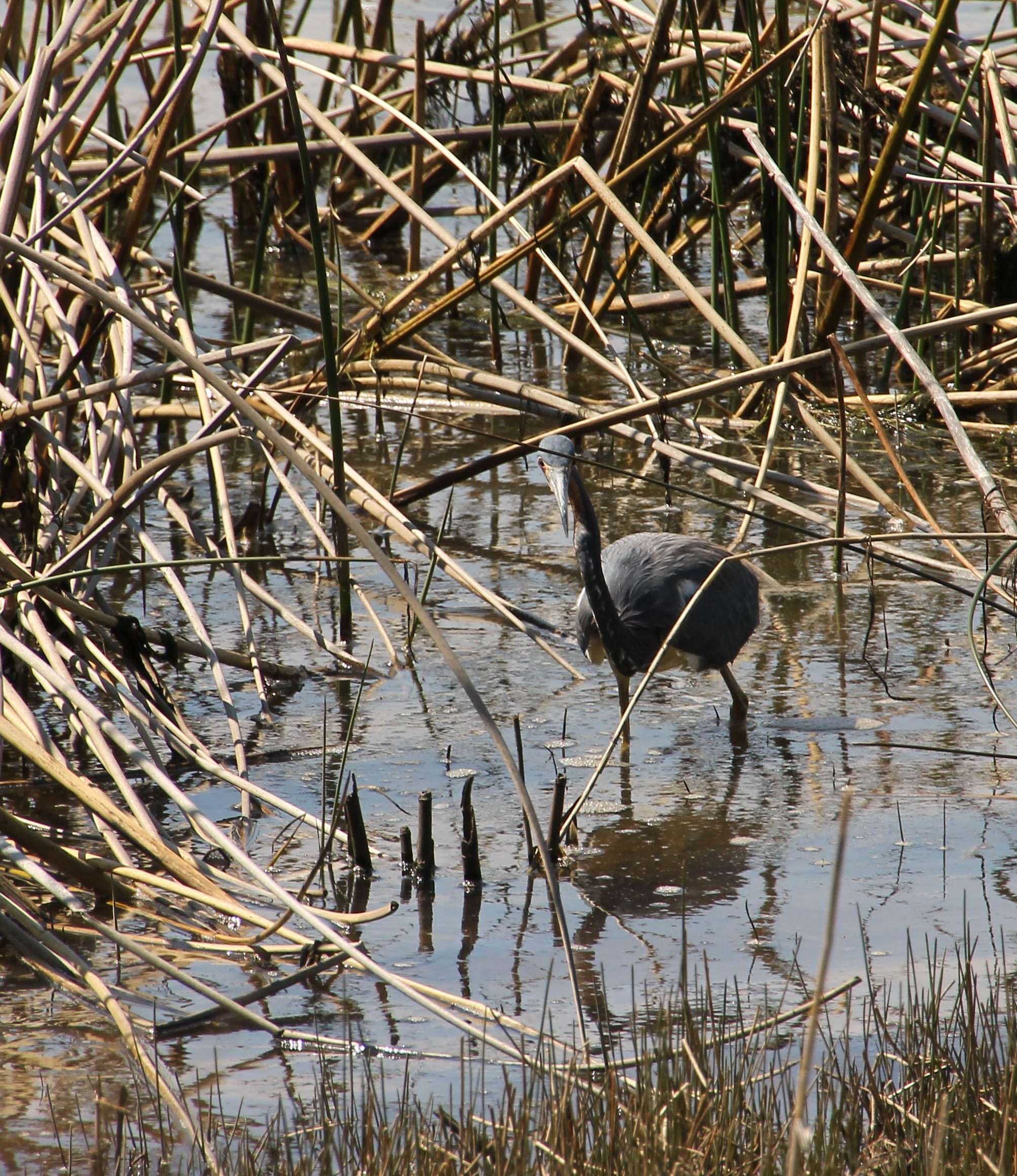
~Friday’s Feathered Friend~ (Tricolored Heron)

~Tricolored Heron – slate-gray upper parts, white underparts, long yellowish bill with dark tip, reddish brown streaks on fore neck, dull yellow long legs

Added to my Birding Life List on April 14, 1993

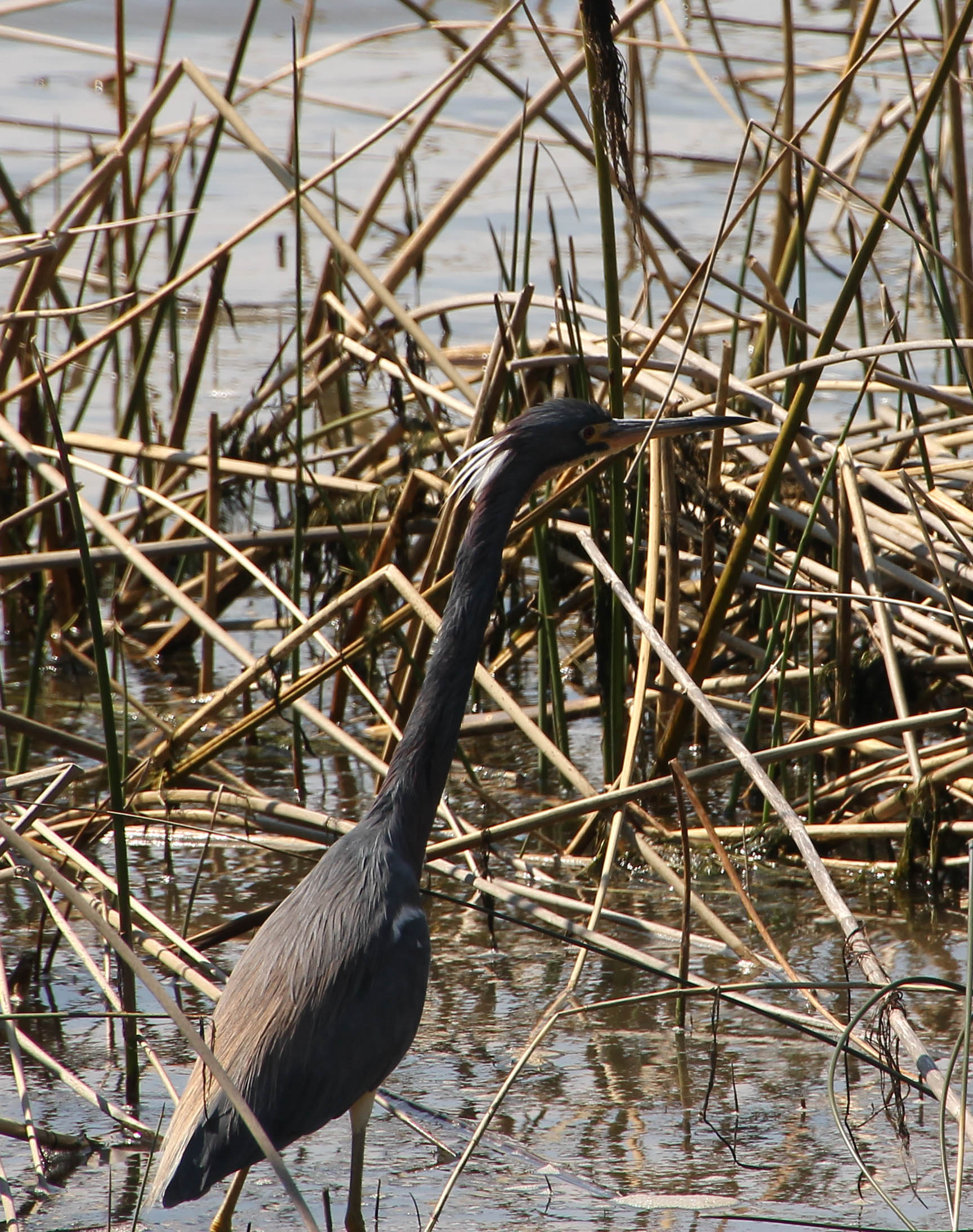
White breeding plumage, white belly, reddish brown streaks on foreneck
Slate-gray upper parts, white belly, reddish brown streaks on foreneck

Interesting Facts:

~Tricolored refers to the dark upper parts, white underparts and the reddish brown strips on the fore neck

~The Tricolored Heron measures about 26 inches long and weighs 13 ounces, with a 36-inch wingspan

~The only heron with a dark body and white belly

~One of the most abundant herons found in the Deep South

~Formerly called the Louisiana Heron

~In breeding plumage there are white plumes on the back of the lower neck, crown and back

~Stalks its prey in shallow or deeper water, goes deeper out in the water than other herons

"Do you see my breeding white plumes?"
“Do you see my white plumes?”

Breeding and Nesting: Three or four light blue green eggs are laid on a platform nest made of stems and twigs, occasionally lined with grass; nests in mixed-species rookeries on coastal islands, although some may nest in swamp forests. Both parents incubate eggs for about 21 days.

Long yellowish legs, long dagger bill with black tip

Range and Habitat: Breeds in southeastern New Mexico and Texas, on the Gulf Coast, and along the Atlantic coast north to southern Maine (rarely). Spends winters along the coast from Texas and New Jersey south to northern South America and West Indies. Preferred habitats include swamps, bayous, coastal ponds, salt marshes, mangrove islands, mudflats, and lagoons.

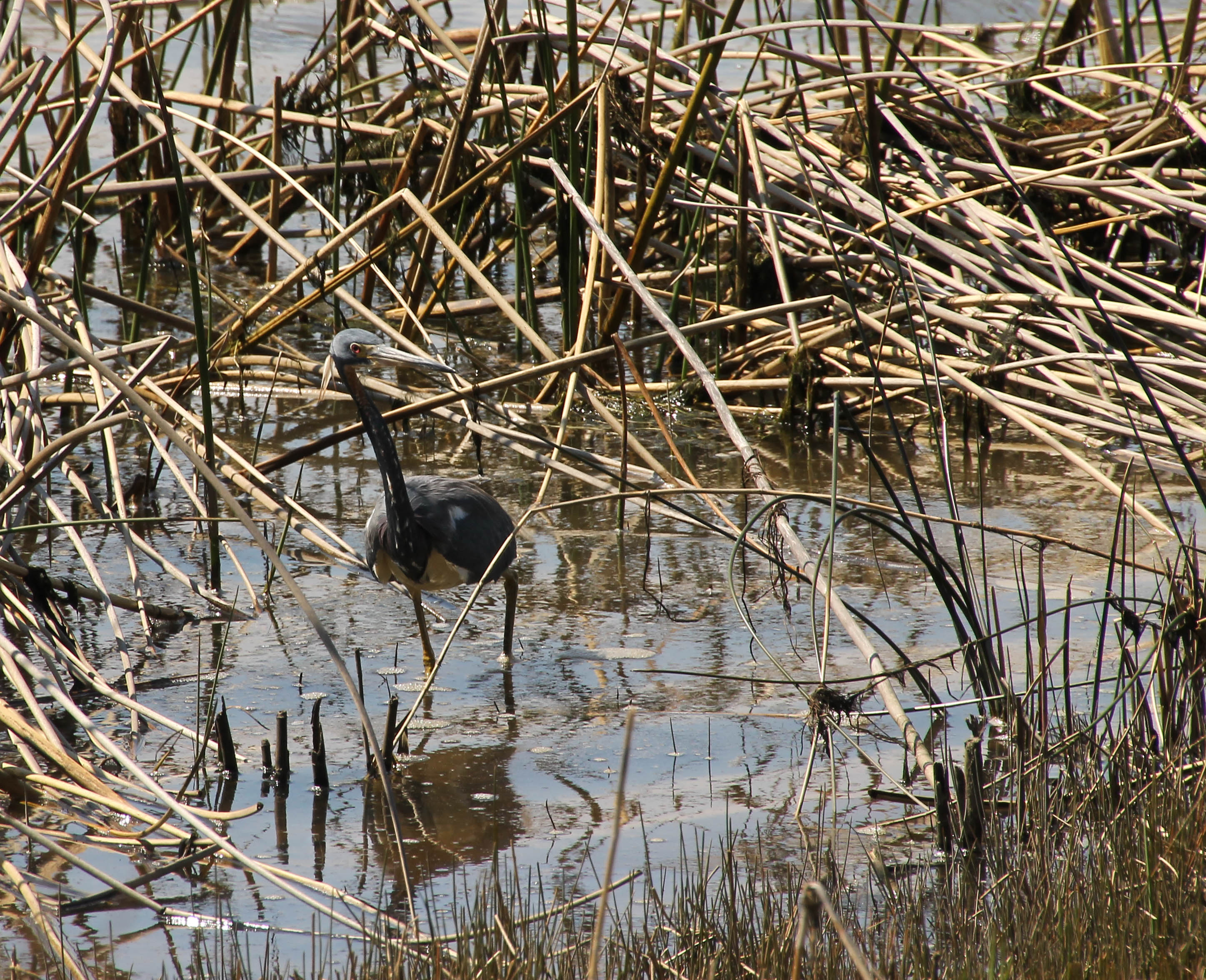
Peek-A-Boo
Peek-A-Boo

I captured these photos on March 9, 2014 while staying at Meaher State Park in Spanish Fort, Alabama. He was hunting along the shore of the Bay. The entire time he was searching for food one of the two resident alligators was slowly swimming toward him. I don’t know what I would have done if the alligator got close enough to strike – scare the heron away or let nature take its course.

~

Just as I am! Every Friday you may participate in Feathers on Friday at Prairie Birder.

Here is Charlotte’s Blog web-site:

http://prairiebirder.wordpress.com

This is another great Blog to learn about Birds!

~

Enjoy Birdwatching!

It can be entertaining as well as educational!

~

Note:Some of my information for this post was taken from Field Guide to Birds of North America, Smithsonian Handbook, Birds of North America and Cornell Lad of Ornithology and their website All About Birds.