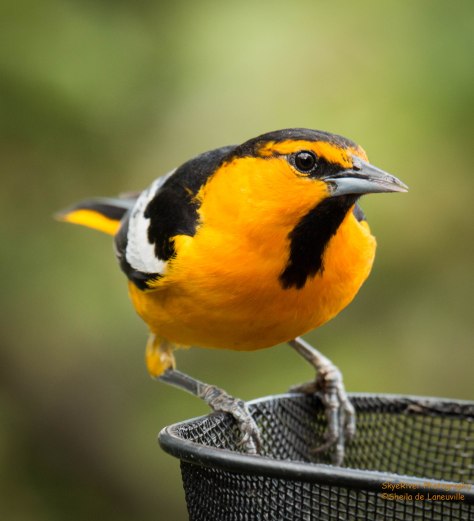
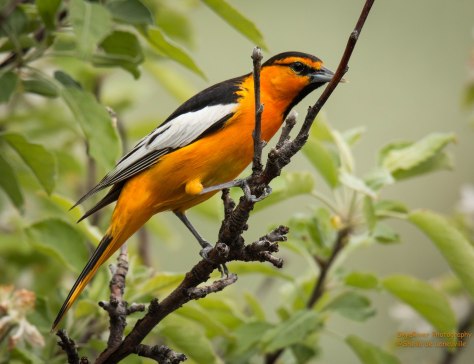
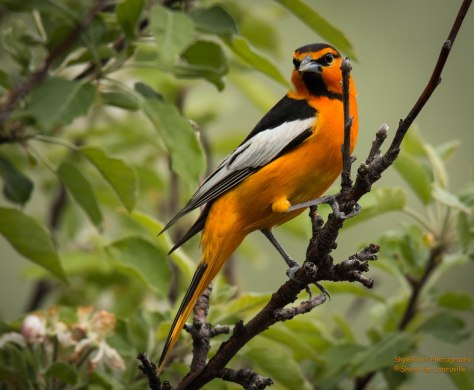
As I mentioned in one of my previous post, the Bullock’s Orioles have migrated north. Some will nest and spend the summer here in Loveland, Colorado. I look forward to their arrival every spring and enjoy seeing them in my yard. I have seen six males at my feeders so far, no females.
“Did I eat it all?”
A new feeder I purchased last week. They go through a lot of oranges; I just put these out.
“Where’s the Peanut Better?”
These photos were taken using my Canon 70D with Tamron 600mm lens.
He has been hanging around the suet feeder today, notice his bill. I finally got a decent photo; however, taken through the glass. I open the door and he is gone in a flash. What a beauty!
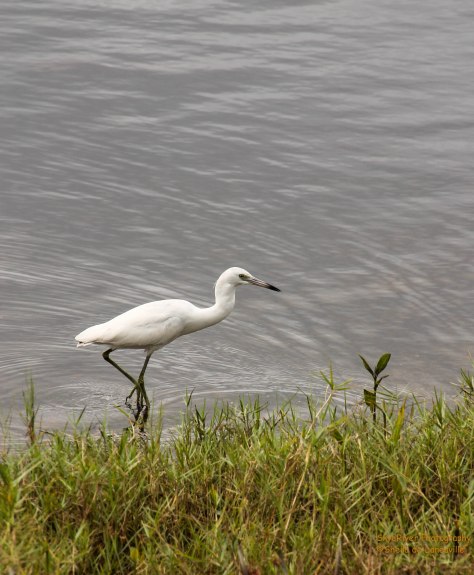
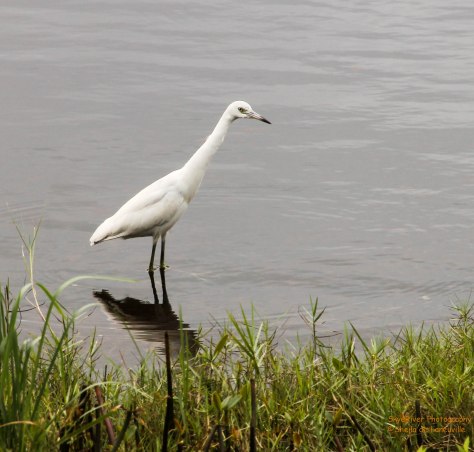
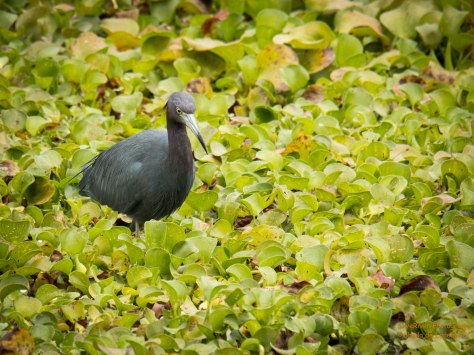
A small heron, adults dark blue-gray with purple-maroon neck, immatures are unique among all herons in that they are white. Prefers to feed in fresh water and edges of grassy pools. Eats fish, frogs, lizards, snakes, turtles, shrimp and crabs. When water disappears they will eat grasshoppers, crickets, beetles, and other insects of the grasslands. Flight is graceful and strong, wing strokes quicker than that of larger herons.Flies with head drawn in on shoulders.
Little Blue Heron (Juvenile)Jonathan Dickinson State Park, FloridaLittle Blue Heron (Myakka River State Park)
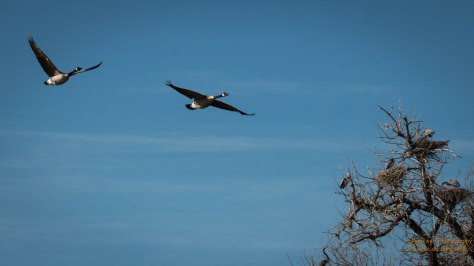
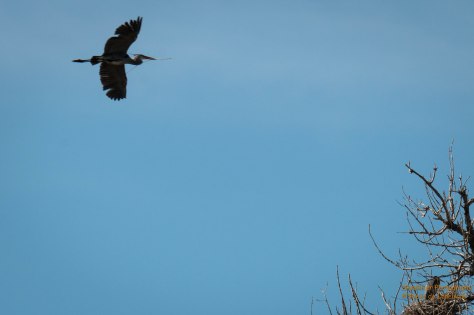
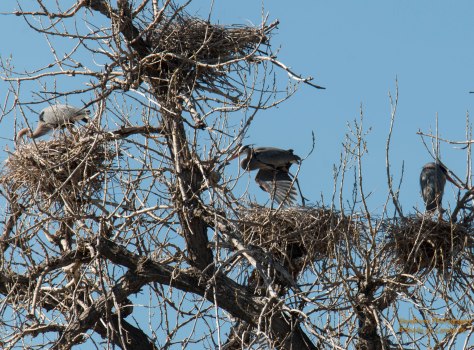
“Look Greta, a Great Blue Heron Nesting Tree.”Tree LifeMating Pose“I’ll be back”Searching for the perfect stick“I got a big one”Bringing a Gift“Move Over”
“Another one for you”Perfect LandingWhat’s wrong with this scene?Hopeful“Its tiring sitting on this nest”
This Great Blue Heron nest is on private property. We were allowed to walk into their field a short distance. I was too far away from the tree for quality photos, but they tell a story! It is nice this tree is secluded.
This beautiful Mom has four babies to feed. What a gorgeous sight, watching this Great Horned Owl with her young. Not the best quality photos, but they give you an idea of the size of the nest, the Mom and one of her babies. Two of the four babies are much larger. I was told that she is a good Mom and is feeding all four well.
A fun morning spent with a friend taking these photos in the beautiful Colorado Rockies!











 Wolf Song Blog