Prints in the sand Fishing, a common bondGreat Black-backed gull
There is no mistaking the identity of this gull, it is the largest in the world. It stands about 16 to 32 inches and weights about 64oz. Leg color, pale pink; eye color, pale yellow; bill color, yellow with red on lower mandible; back and wings, black.
The gull, in my photos above, is at least four years old, because it takes that long for it to transition to the dark, black back.
The Great Black-backed Gull is one of many bird species whose feathers were used for fashionable clothing in the 1800s. After the demise of the feather trade in the early 1900s, Great Black-backed Gull populations increased and spread farther south. Garbage dumps and other sources of human refuse have contributed to their range expansion.
Sharing with Eileen at Paying-Redy-Attention; Saturday’s Critters http://viewingnaturewitheileen.blogspot.com/2015/01/saturdays-critters-58.html
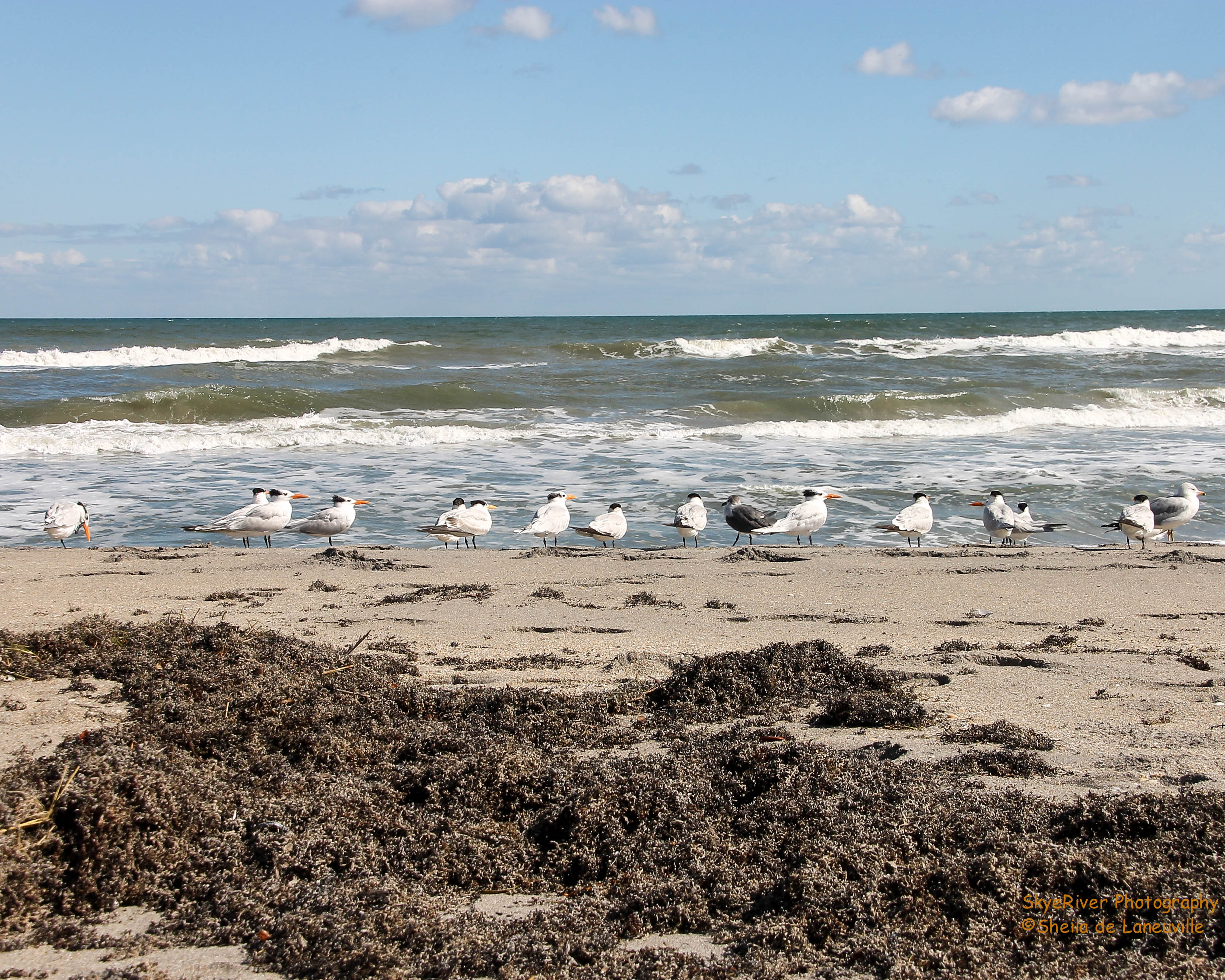
A few days ago, I spent a few hours walking on the beach at Hobe Sound, Florida. I couldn’t wait to sink my toes into the warm sand.
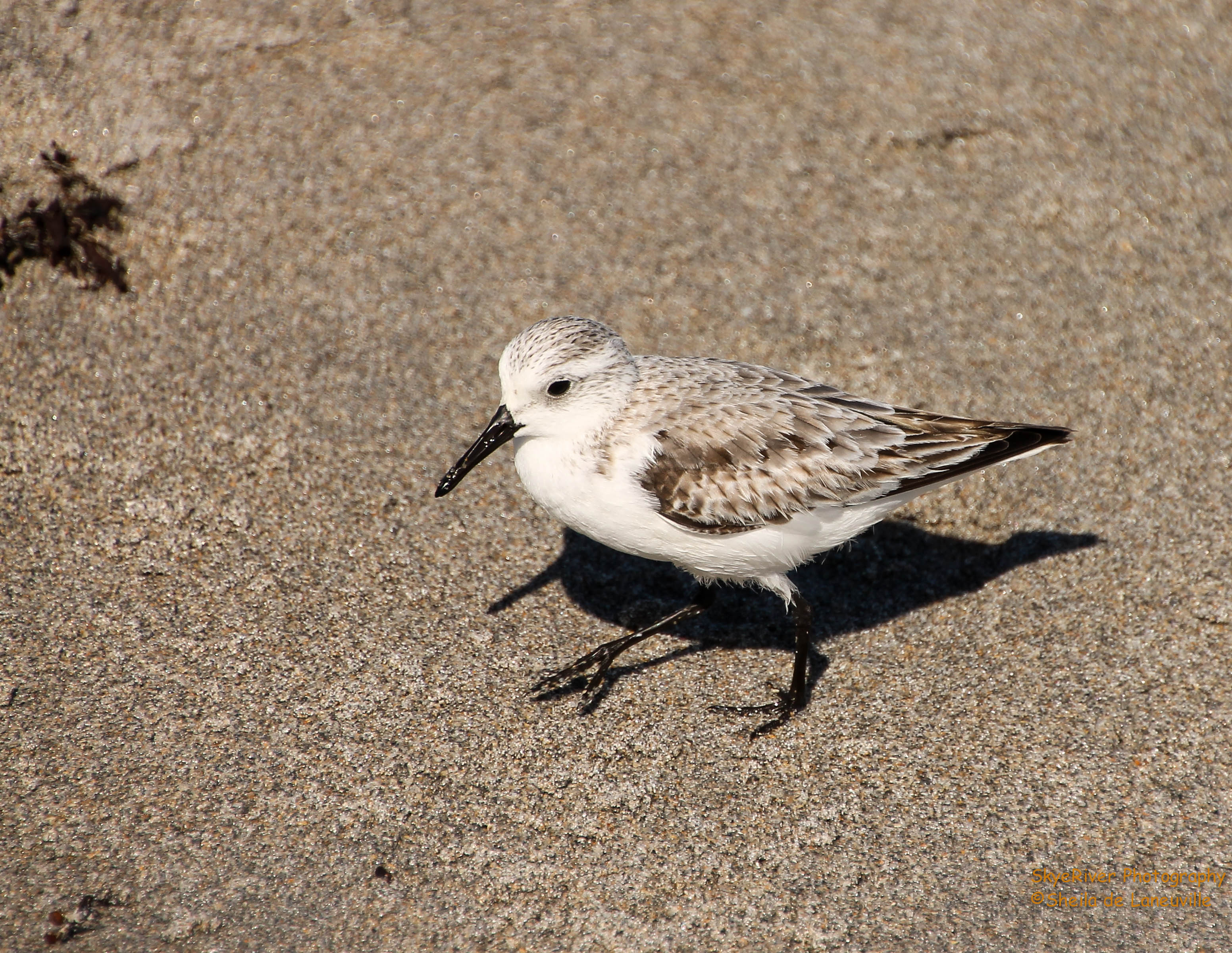
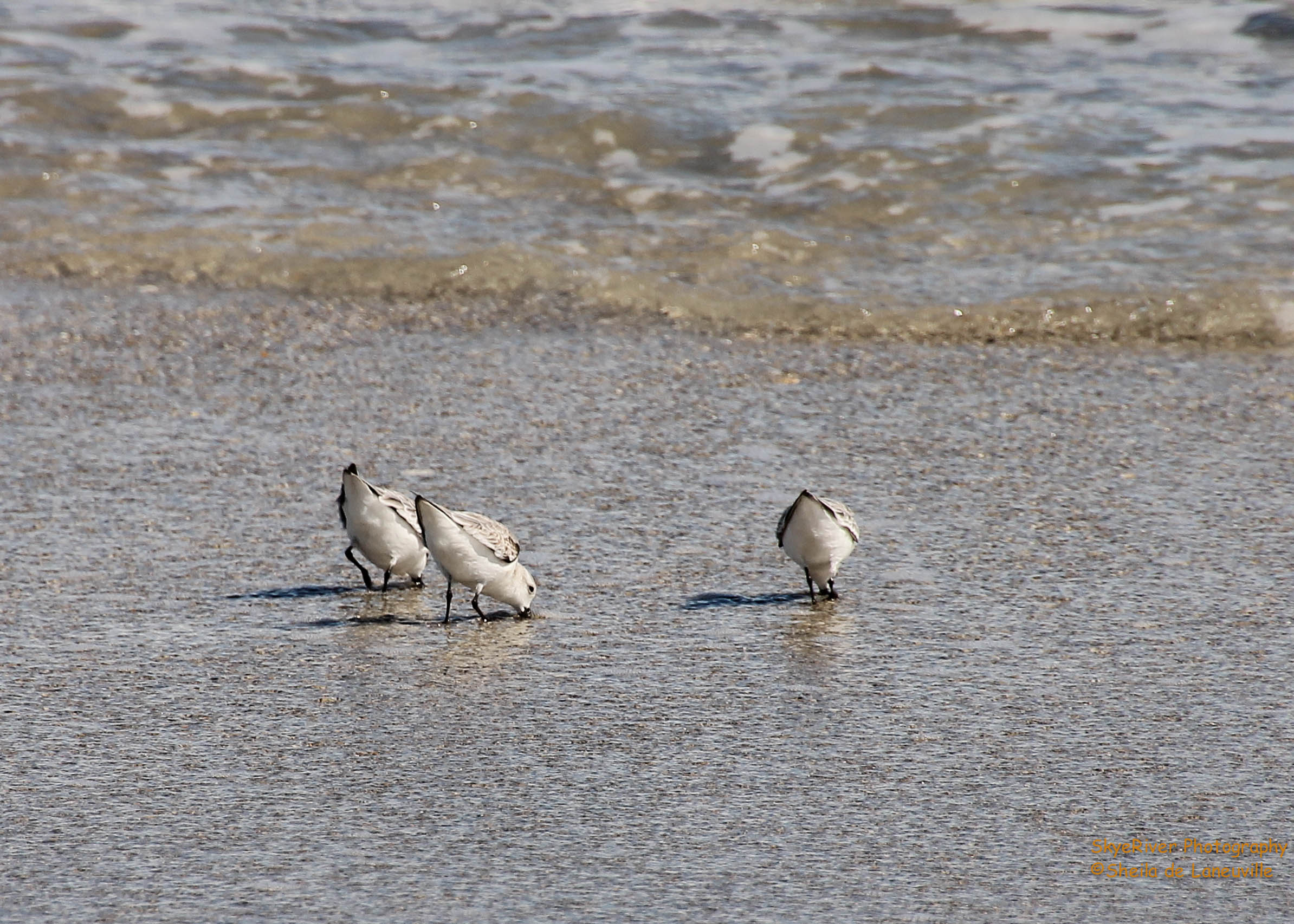
Happiness is feeling the ocean breeze on my skin; the sight of the sky, water and sand as they kiss each other in harmony; and observing the gorgeous shore birds as they search for food fighting against the power of this environment.
We have arrived back on the east coast of Florida staying at Jonathan Dickinson State Park near Hobe Sound, Florida. The beach at Hobe Sound is only four miles away from camp and I look forward to many more beach treks.
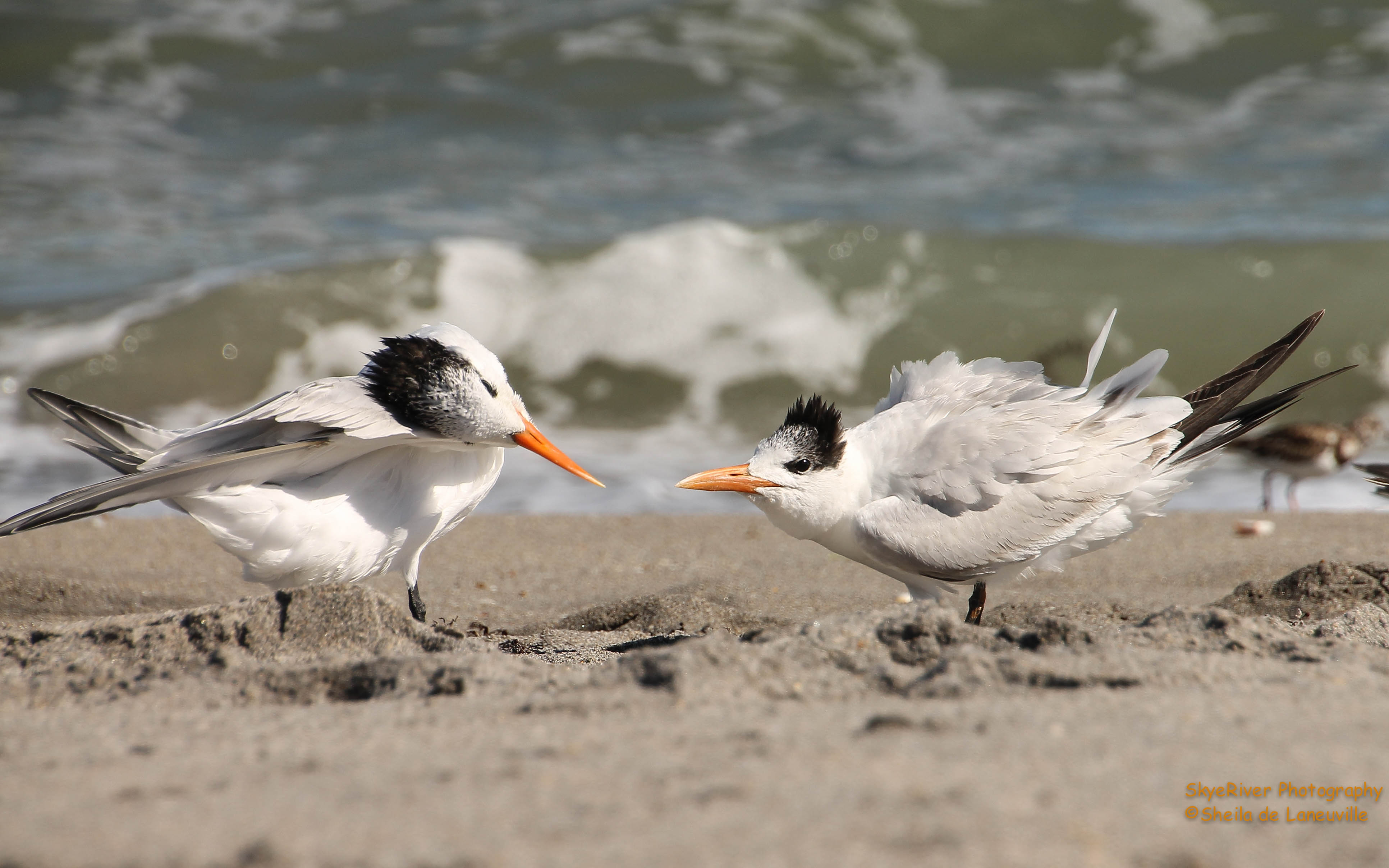
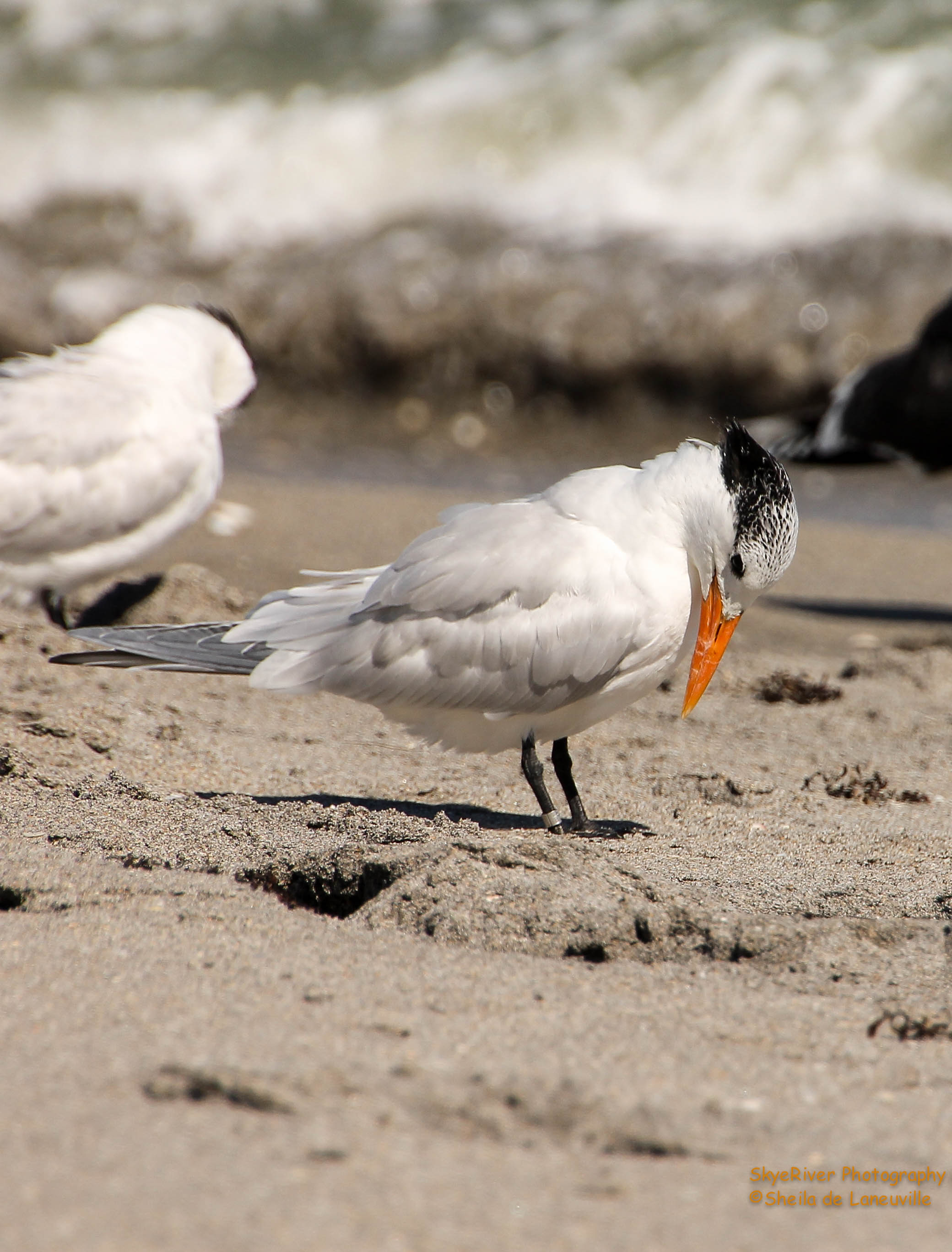
“You ate that already?”“Now you want more?”This Royal Tern said, “who put this thing on my leg?”Mesmerized
While hiking in Jonathan, I have had the pleasure of seeing the beautiful Florida Scrub Jay!
Coming up next…
Great Black Backed Gull, Ring Billed Gull, Willet, Sanderling, Ruddy Turnstone and more
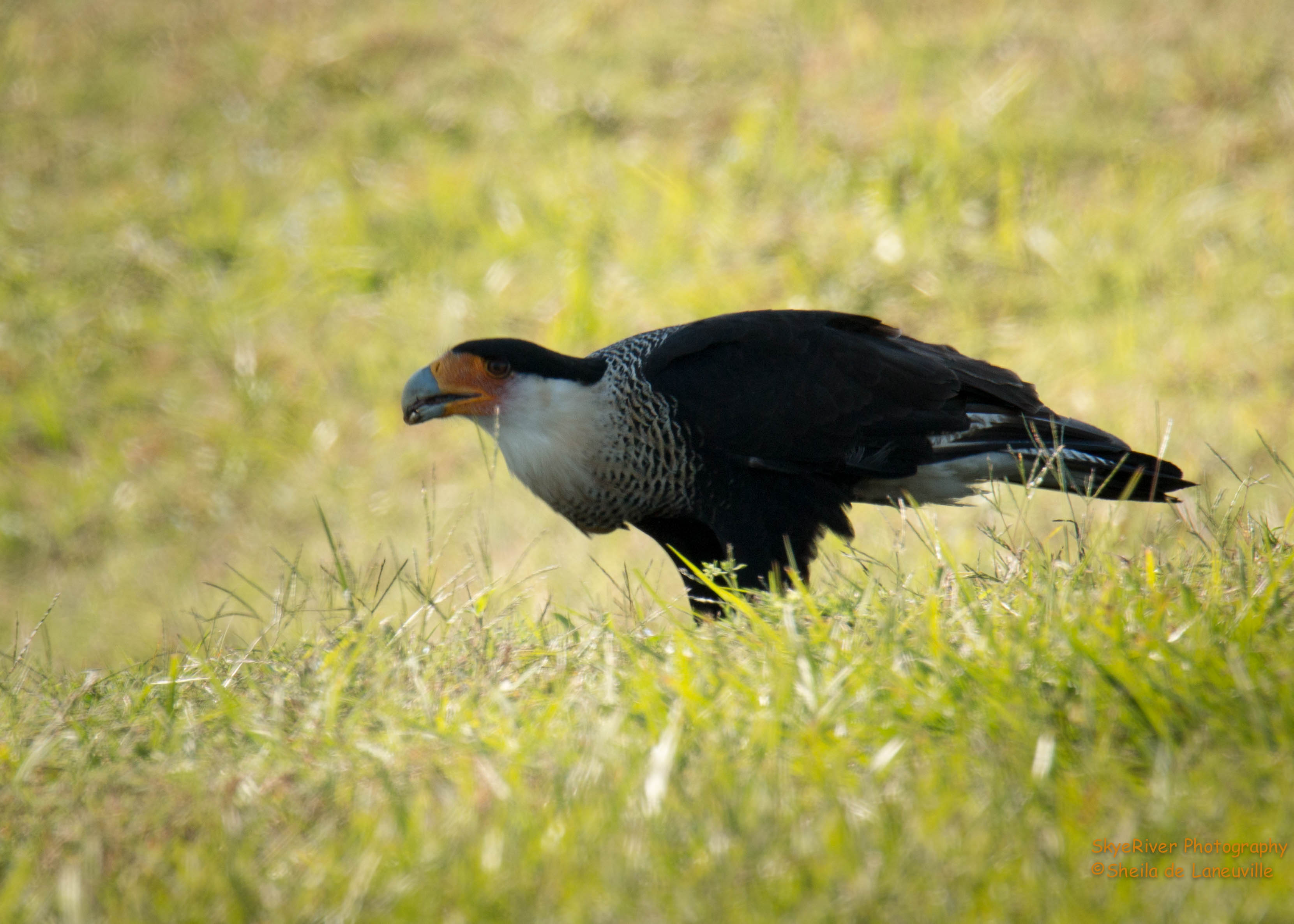
As described, in birding books: “The Crested Caracara often walks on the ground on long legs in search of prey”.
And, this is exactly where Howard and I saw this large raptor. We were out for a hike and as we crested a hill at The Celery Fields in Sarasota, Florida, we spotted this Crested Caracara across a large field. The Celery Fields are very picturesque and known as a great place to bird.
The big guy was on the ground, surrounded by Vultures, and appeared to be feeding on something in the grass. We decided to see if we could approach him close enough for me to capture a photo. As we got closer, he seemed so focused on his prey and with keeping the Vultures away, that he simply ignored us.
I didn’t want to get so close that my presence disturbed his eating, but close enough to get a few photos. He stayed on the ground eating for quite awhile and then flew off. As we walked over to see what he was eating, which appeared to us to be a huge catfish, the Vultures flew off unhappy with us!
Stands about 20-25 inches
The Crested Caracara is fairly common in Texas; rare to casual and local in Azizona; rare in Louisiana; fairly common and local in Florida.
Their Florida and Arizona populations are stable with Texas population increasing and expanding. They are considered threatened federally and in Florida.









 Wolf Song Blog