Category Archives: Friday’s Feathered Friends

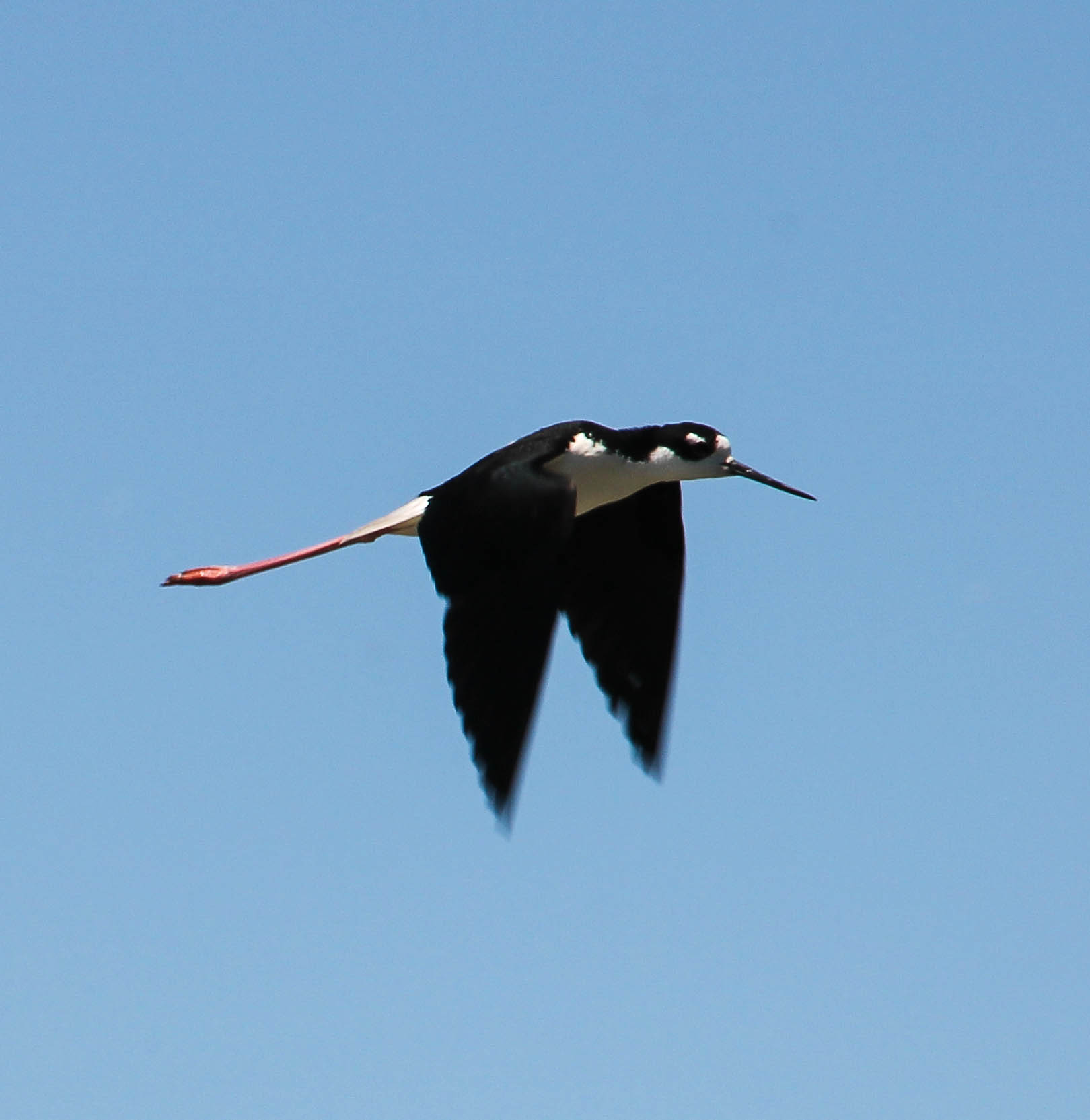
~Today’s Feathered Friend – Black-necked Stilt~

Black-necked Stilt (juvenile)
Mom and baby
Mom and baby
Sharing
Sharing
Flying over the marsh
Close-up in flight
Close-up in flight
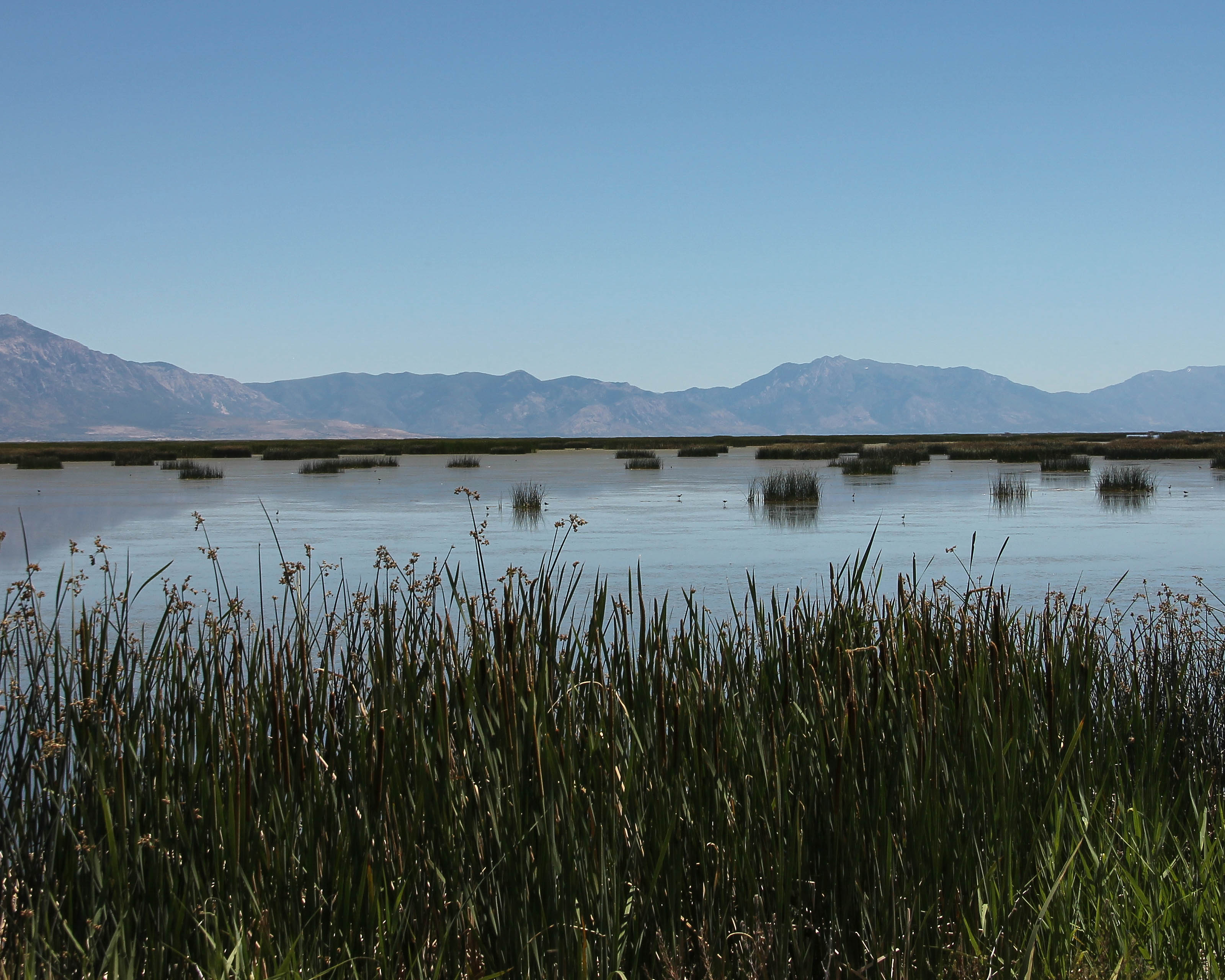
Bear River Migratory Bird Refuge


I captured these photos when visiting Bear River Migratory Bird Refuge on Monday


Please go out and visit  Charlotte’s Blog at http://prairiebirder.wordpress.com to see her work and  photos on birds.

~Today’s Feathered Friend – silky-tailed songbirds~


Cedars have velvety chests of gold,

and crests fitting of a king,

their colors so prominent and bold.

~

While wearing a black facial mask,

and smiling, it appears,

stealing berries their task.

~

Bright as the sun, a tail dipped in yellow,

distinguished with age,

are these fellows.

~

Among the ladies, they are measured,

 for their waxy, red, wing tip,

and then granted pleasure.


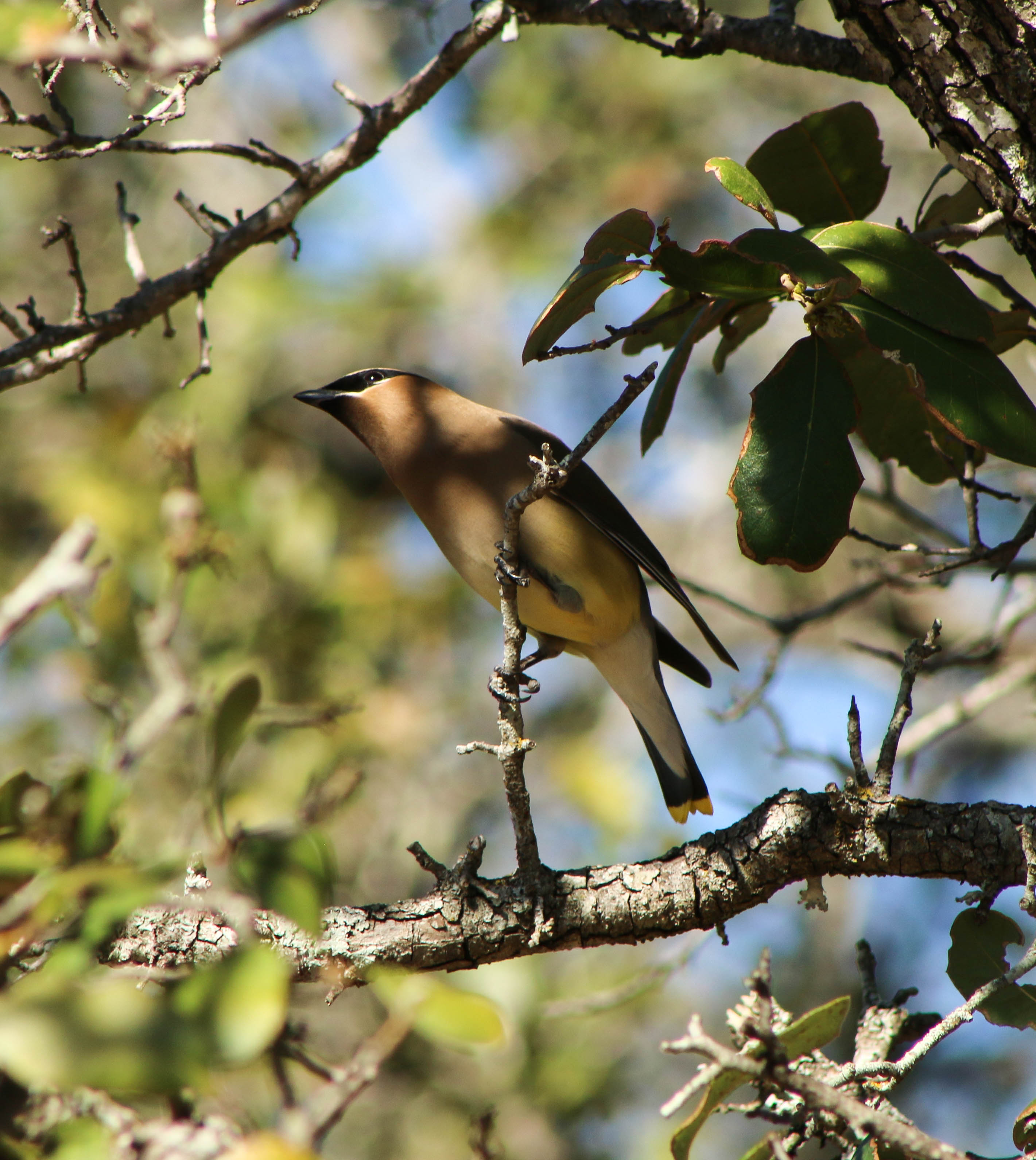
Cedar Waxwing
Cedar Waxwing


IMG_0746
A Cedar Waxwing sitting in an Oak Tree


Gregarious by nature


IMG_0740
Sun-streaked in beauty

~

a charming, courtship ritual they exhibit,

while sitting on the branch of a tree,

passing a cherry, insect or petal of a flower,

back and forth to each other,

until the gift is accepted, freely

~

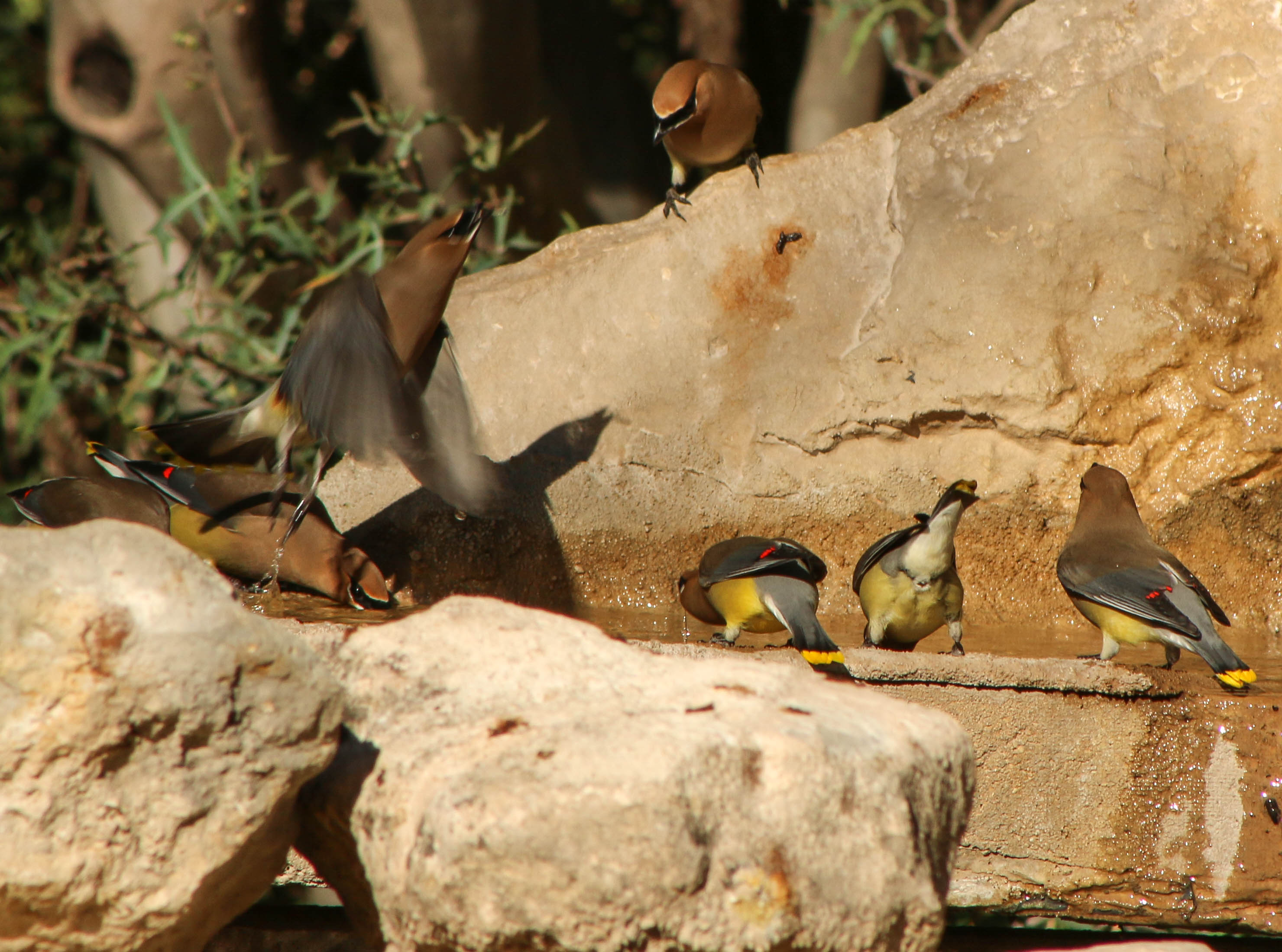
A pool party
A pool party!


We have never seen so many Cedar Waxwings in one location. It was fun watching them come in for a drink. In all the photos I captured of them drinking, there was always one Cedar preforming the task of “lookout”. Photos taken in April 2014 in South Llano State Park, Junction, Texas. I was using my Canon 70D with Canon EF 75-300mm 1:4-5.6 lens.


Added to my Birding Life List

on o6/09/87

Loveland, Colorado

(with Ann Means, my birding friend

and my Mom who came for a visit [special])


Sharing with: Wild Bird Wednesday

http://paying-ready-attention-gallery.blogspot.com

~

Prairie Birder

http://prairiebirder.wordpress.com


~Today’s Feathered Friend-Color me Indigo~

A Tanka

~

unique in color,

depending on how the sun,

shines its light on him,

a deep blue to purple sheen,

is how seen, his name Bunting

~

What a beautiful bird!
What a beautiful little bird measuring only 5 1/4 to 5 3/4 inches


 Today’s Feathered Friend:

Indigo Bunting


Male:

`deep-colored bright blue overall (breeding plumage)

`only North American small finch to appear blue all over

`blue-purple head

`dark blue to black lores

`blue edging to blackish wings and tail

`dark gray conical bill

Female:

`plain, but beautiful brown

`two tawny buff wing bars

`short, gray, conical bill

`blue-edged feathers on wings and tail

Facts:

`populations are expanding with the creation of disturbed habitat after logging, highway and power line    construction and from farmland abandonment (yeah to expanding)

`likes forest edges, roadsides, hedges, dry brush lands, orchards, open woods, creeks and rivers

`eats grasshoppers, beetles, weevils, aphids, cicadas, cankerworms, span worms, flies, dandelion seeds, aster, thistle, grasses, grains, berries and more

`nests in raspberry and other shrubs

`song is a sweet-sweet, where-where, here-here, see-it/see-it (pretty melody)

`many are killed, while migrating at night, striking power lines and tall buildings (wind farms next?)

`neotropical migrant, flight speed measured at 20 m.p.h

`common hosts to cowbird parasitism 😦


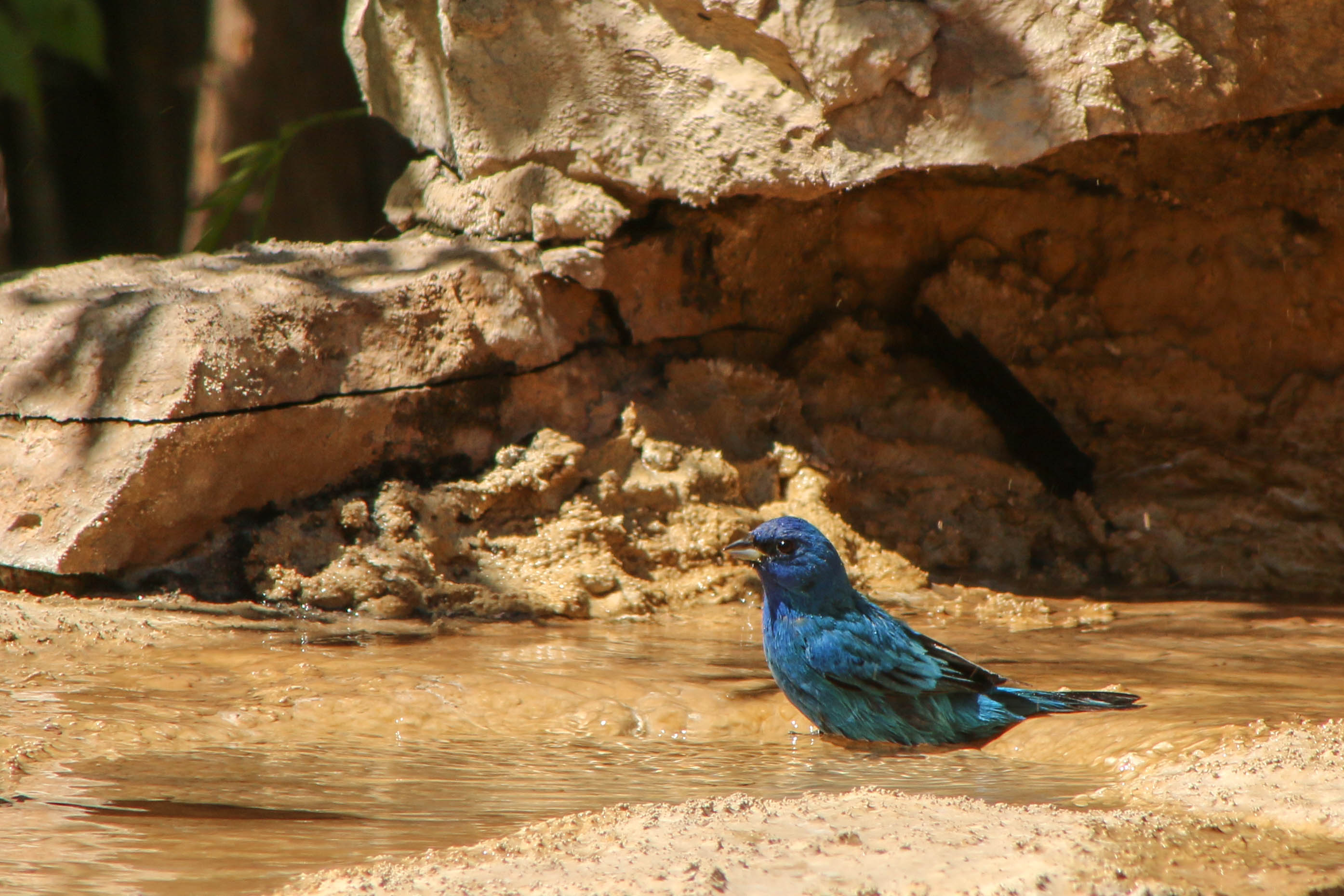
Indigo Bunting taking a bath
Deep blue with purple sheen on head


Splish-Splash I'am taking a bath
“Splish-Splash I’am taking a bath”


**If  you want to learn more about the Indigo Bunting, please go to The Audubon Society Encyclopedia of North American Birds, Smithsonian Handbooks, Birds of North America and Stokes Field Guide to Birds. I used these sources for my information.

Artsy background highlighting a beautiful Indigo Bunting
Artsy background highlighting a beautiful Indigo Bunting (I played with the background in this photo.)


Added to my Birding Life List

on o7/12/88

Sky Rocket Road, Loveland, Colorado

(with my amazing birding mentor- Ann Means)


 Photos taken at South Llano River State Park in April of 2014 while sitting in a bird blind. I was using my Canon 70D with Canon EF 75-300mm 1:4-5.6 lens (no stabilization).


Links:

Paying-Ready-Attention (Wild Bird Wednesday)

http://paying-ready-attention-gallery.blogspot.com

Prairie Birder (Feathers on Friday)

http://prairiebirder.wordpress.com


~Today’s Feathered Friend-Color Me a Rosy Red~


A Haiku

~

large bright yellow bill

color me a rosy red

my name, Tanager

~

Summer Tanager eyeing  a suet feeder
Summer Tanager eyeing a suet feeder


Figuring it out!
Figuring it out!


Imitation
Water Fall Imitation


Today’s Feathered Friend:

Summer Tanager

Male:

`Seven and three-quarters inches in length

`Bright rosy red overall – all year

`Large yellowish bill (more yellow during breeding season)

`Darker red wings and tail

Female:

`Yellowish below, slightly darker above

`Yellowish bill

`Olive-green upper parts

`Orange-yellow under parts

Facts:

`Tanager is from language of Tupi Indians of Amazon region, who called these brightly colored tree-drelling birds tangaras

`Most common North American tanager in its range – eastern and southern United States

`Song is Robin like and is a repeated Pick-a-Tuck

`Eats mostly bees and wasps and known to catch them right out of the air

`Habitat: Pine Oak woods, willows and cottonwoods, along streams

`Likes peanut butter and cornmeal from your feeder

~Neotropical migrant

~Vulnerable to habitat loss and forest fragmentation

`Host to Cowbirds, uncommon {yeah}

`Usually monogamous and many appear to remain in pairs all year

`Information taken from several sources including: Stokes Field Guide to Birds and Smithsonian Handbook Birds of North America, NGS Birds of North America


Going to get a cool drink of water


A beautiful Summer Tanager
A beautiful male Summer Tanager


Large Yellowish Bill

While camping at South Llano State Park in April of 2014, I captured these photos while sitting in a bird blind. It was a thrill to see this beautiful Summer Tanager up close. I also saw the female, but didn’t manage to capture her with my camera. She was pretty shy!

The Field Sparrow told me about this water slide
“The Field Sparrow told me about this water slide”
 

He was right: "This is fun!"
“He was right this is fun!”


~

Added to my Birding Life List in April, 2007

at Dead Horse Ranch State Park

Cottonwood, Arizona

~

 My Birding Life List – 366


Links:

Paying-Ready-Attention (Wild Bird Wednesday)

http://paying-ready-attention-gallery.blogspot.com

Prairie Birder (Feathers on Friday)

http://prairiebirder.wordpress.com


~Friday’s Feathered Friend – Blue-Gray Gnatcatcher~

Blue-Gray Gnatcatcher

~

Added to my Birding Life List on December 20, 2011

Jonathan Dickinson State Park

Hobe Sound, Florida

~

I linked to PrairieBirder: http://PrairieBirder.Wordpress.com


Blue-Gray Gnatcatcher


Such a tiny little bird, only 4.25 inches! It looks like a very small mockingbird.

`Male has bluish-gray upper parts and the female is more gray

`White eye ring

`Long black tail with white outer feathers

`Black bill

`Black legs

Lovely little bird (white eye ring)
The white eye ring gives this lovely little bird big facial expressions


The Blue-gray gnatcatcher feed entirely on insects, which it pursues actively through the foliage of tall trees. Catches insects in flight. May hover briefly above food before taking it in its bill.

Its nest is interesting, a small cup made up of plant fibers, down and decorated on the outside with bits of lichen. This lovely little bird can be spotted in woodlands, thickets and chaparral.

When breeding it is monogamous and is a solitary nester. Its eggs are incubated 13 days by both sexes, stays in nest for 10-12 days and fed by both sexes. They usually will have one brood per year maybe two in the far south.

**information above taken from Smithsonian handbooks, National Geographic Society, Birds of North America**

Breeding male I believe, bacause of black line on sides of crown.


Conservation: neotropical migrant. Common victim of cowbird parasitism

Population: common, increasing with range expanding northeasterly


Neotropical Migrant – (noun) A bird that spends the summer in its breeding range in North America but migrates to Central or South America for its nonbreeding range in winter. The winter range may also include the Caribbean, and the general dividing line between breeding and nonbreeding ranges is the Tropic of Cancer at 23 degrees north latitude, though the entire range does not need to be either north or south of that division for the bird to be considered a neotropical migrant.

More than 200 species of birds are considered neotropical migrants, including at least a few species in most bird families. Many warblers,hummingbirds and shorebirds are neotropical migratory birds, as are some hawks and many other songbirds.

The exact distance and route of migration between breeding and nonbreeding ranges varies for each species, and migration time between the separate ranges may take anywhere from just a few weeks to several months. It is essential to conserve habitat not only in the birds’ different ranges, but also along principle migratory flyways so birds will have sufficient feeding and resting areas to successfully complete their journeys. (taken from the web, written by Melissa Mayntz.


Blue-Gray Gnatcatcher  (long black tail with white outer feathers)
Blue-Gray Gnatcatcher (long black tail with white outer feathers)


I took these photos, on April 13, 2014, sitting in the coach with the window glass open and the screen pulled back; what a nice bird blind it made. This oak tree was not too far away and this little guy fluttered around catching insects for awhile. We were camped at South Llano River State Park in Junction, Texas.

~

Enjoy Birdwatching!

It can be entertaining as well as educational!

~