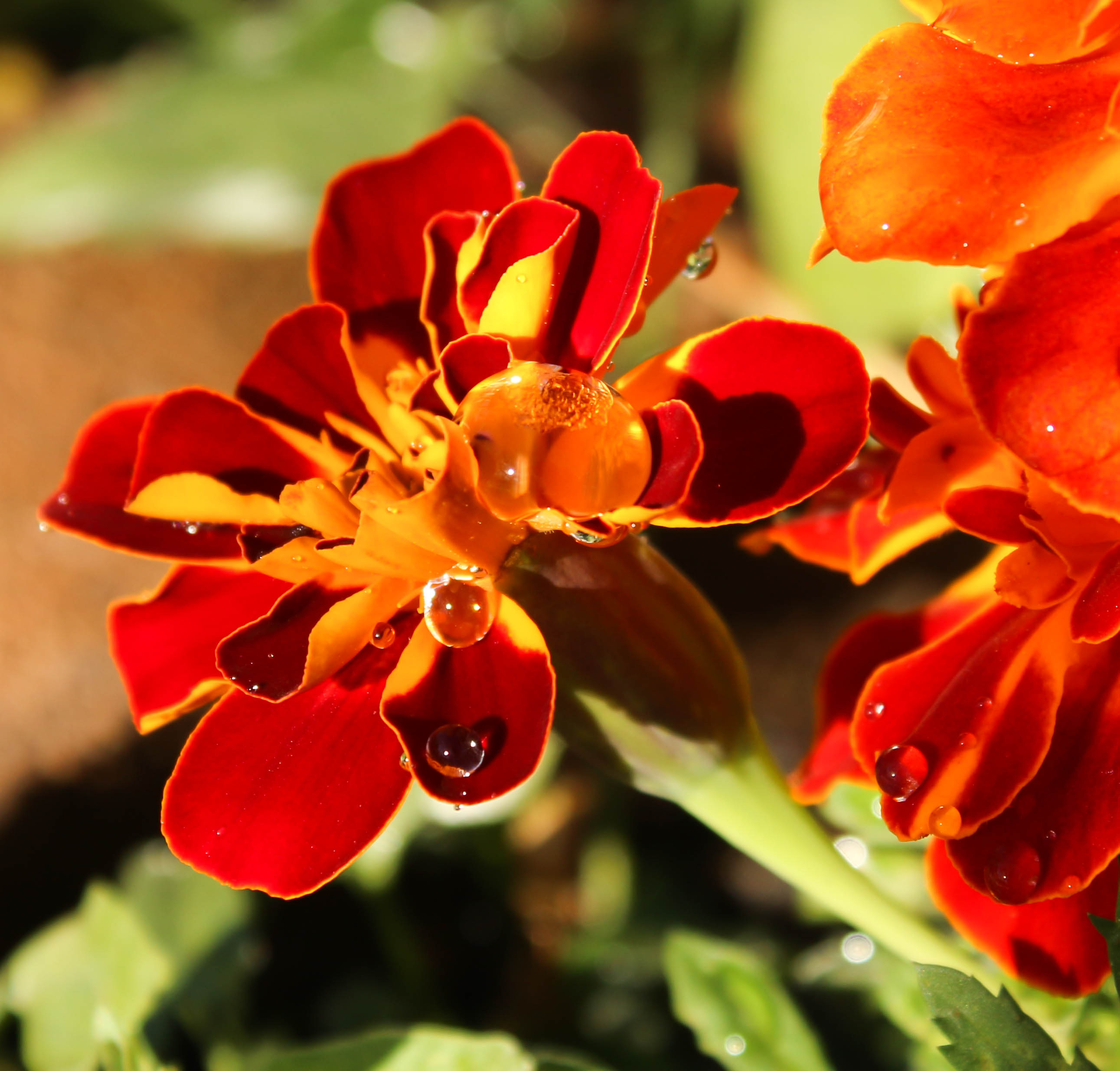
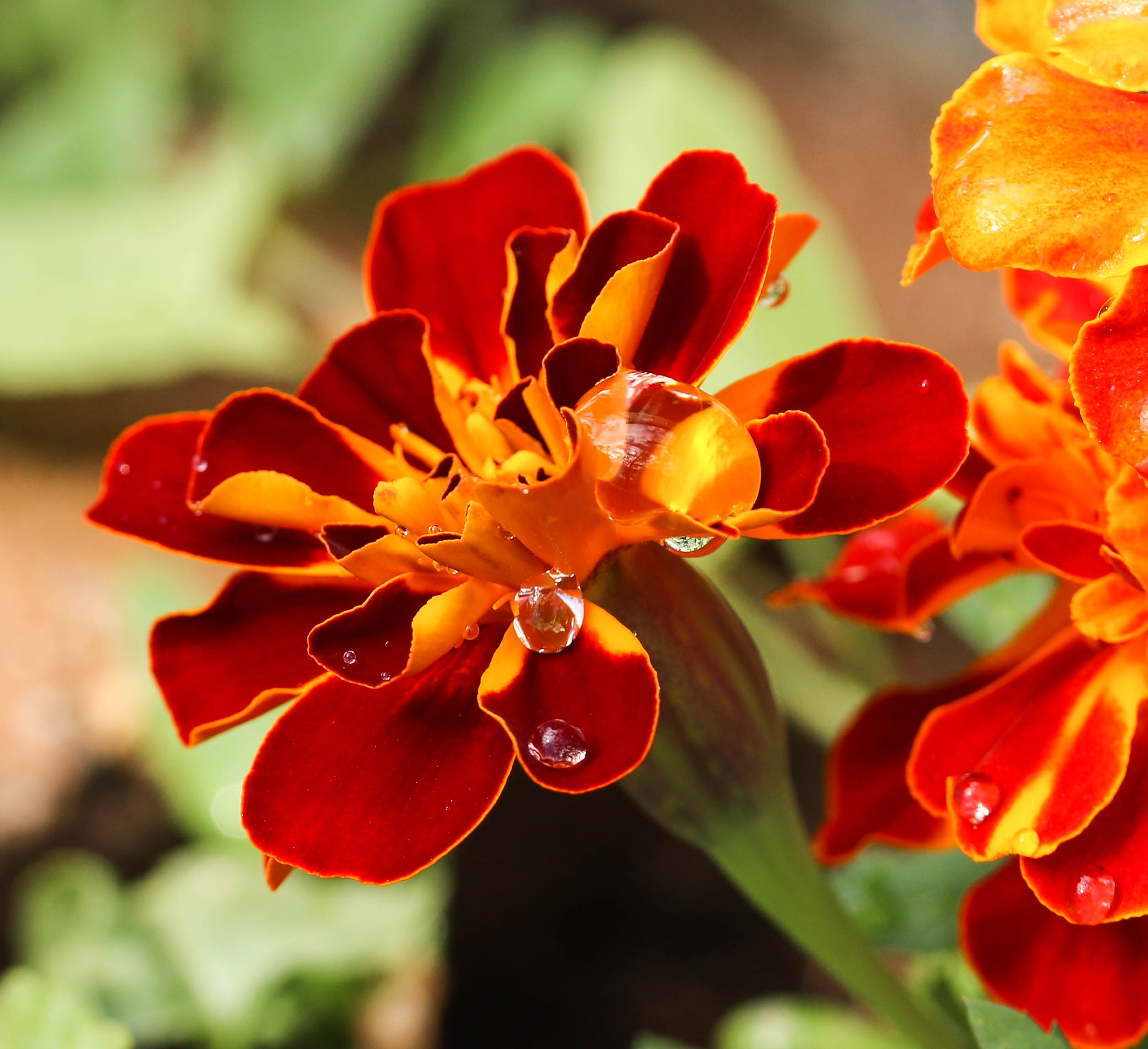
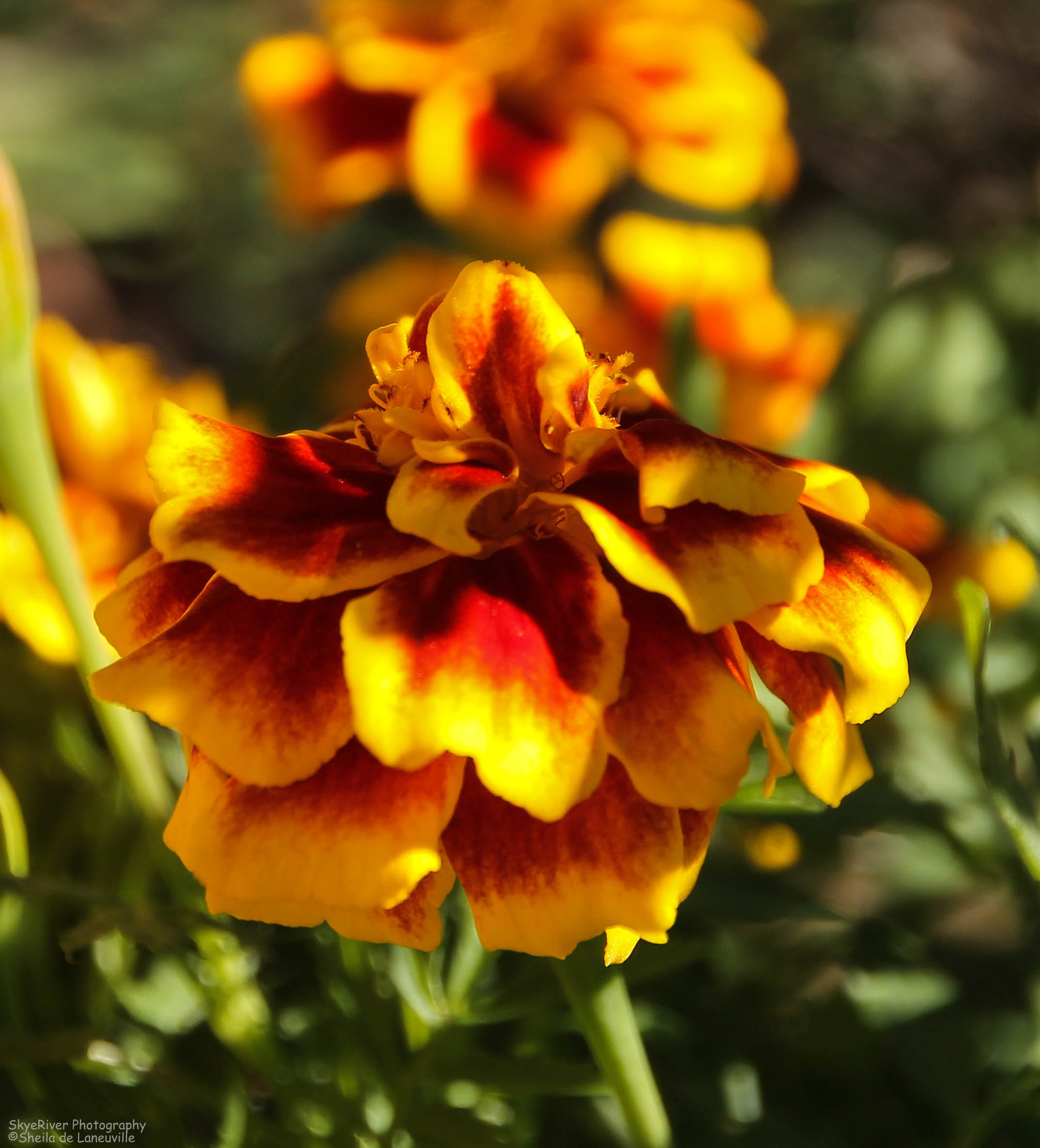
Snow melting on Marigold (taken with 18-55mm Canon lens)Snow melting on Marigold (taken with Canon 18-55mm lens mounted on Canon 70D)Snow melting on Marigold (taken with Canon Macro lens) 60mm mounted on Canon 70D)
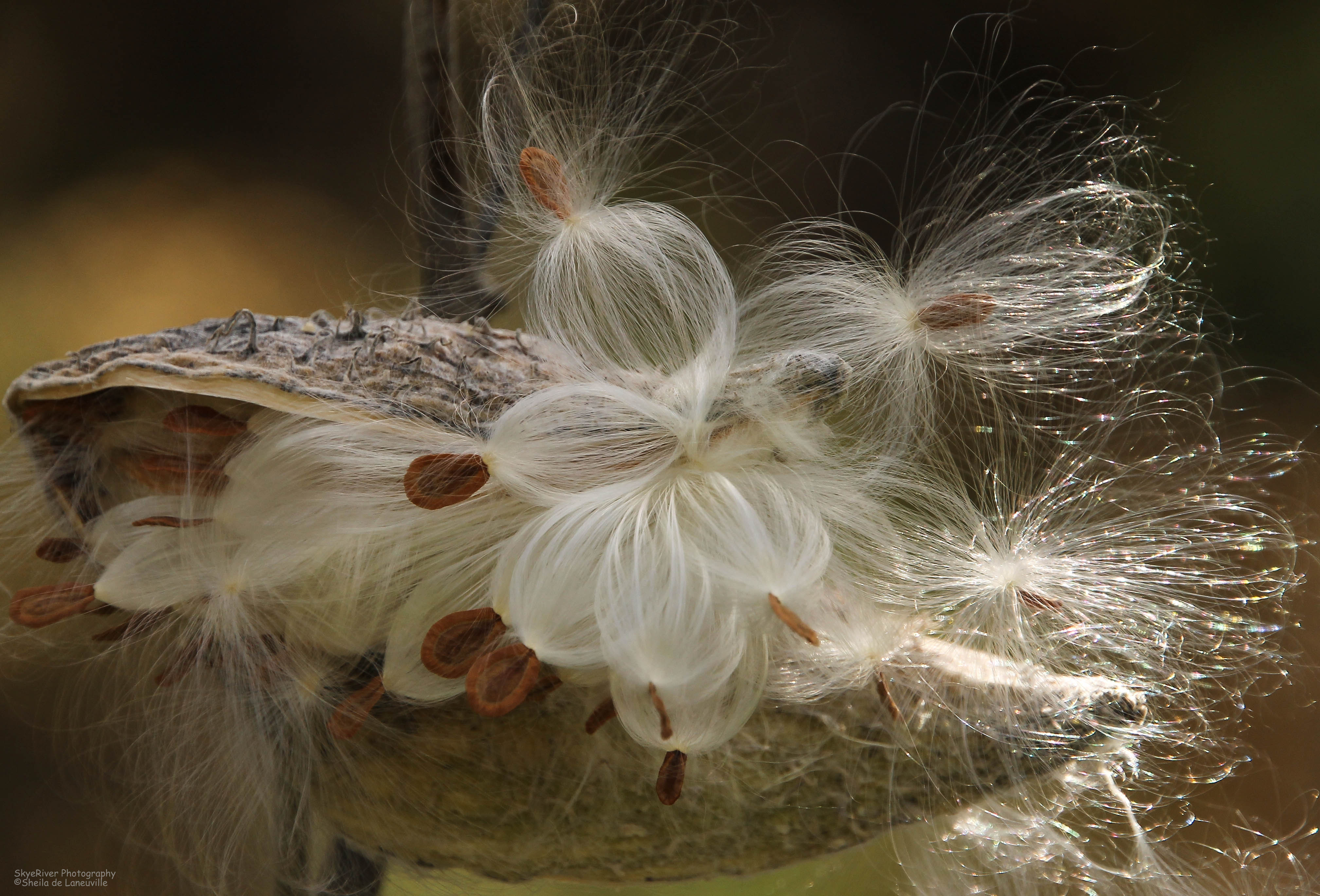
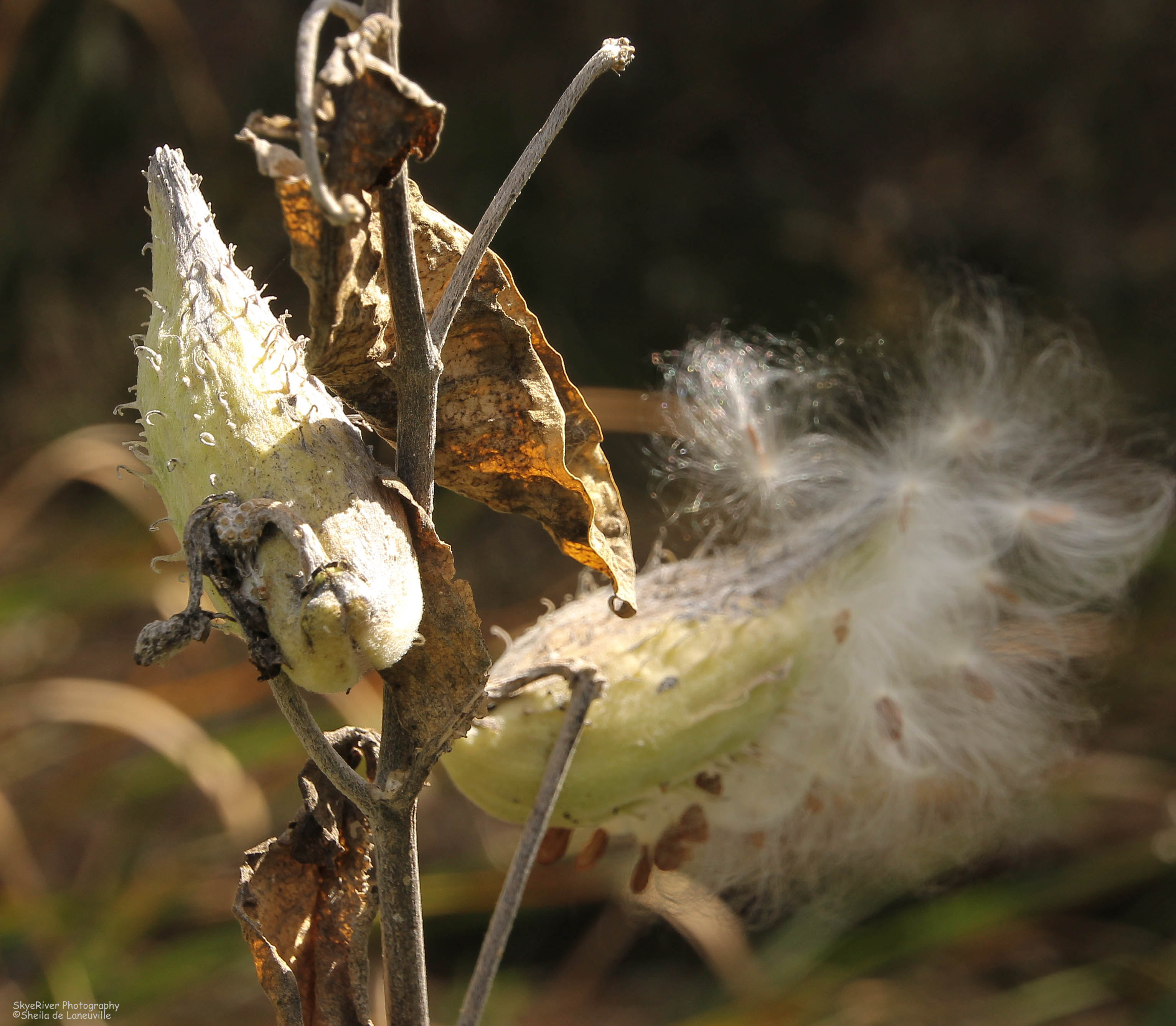
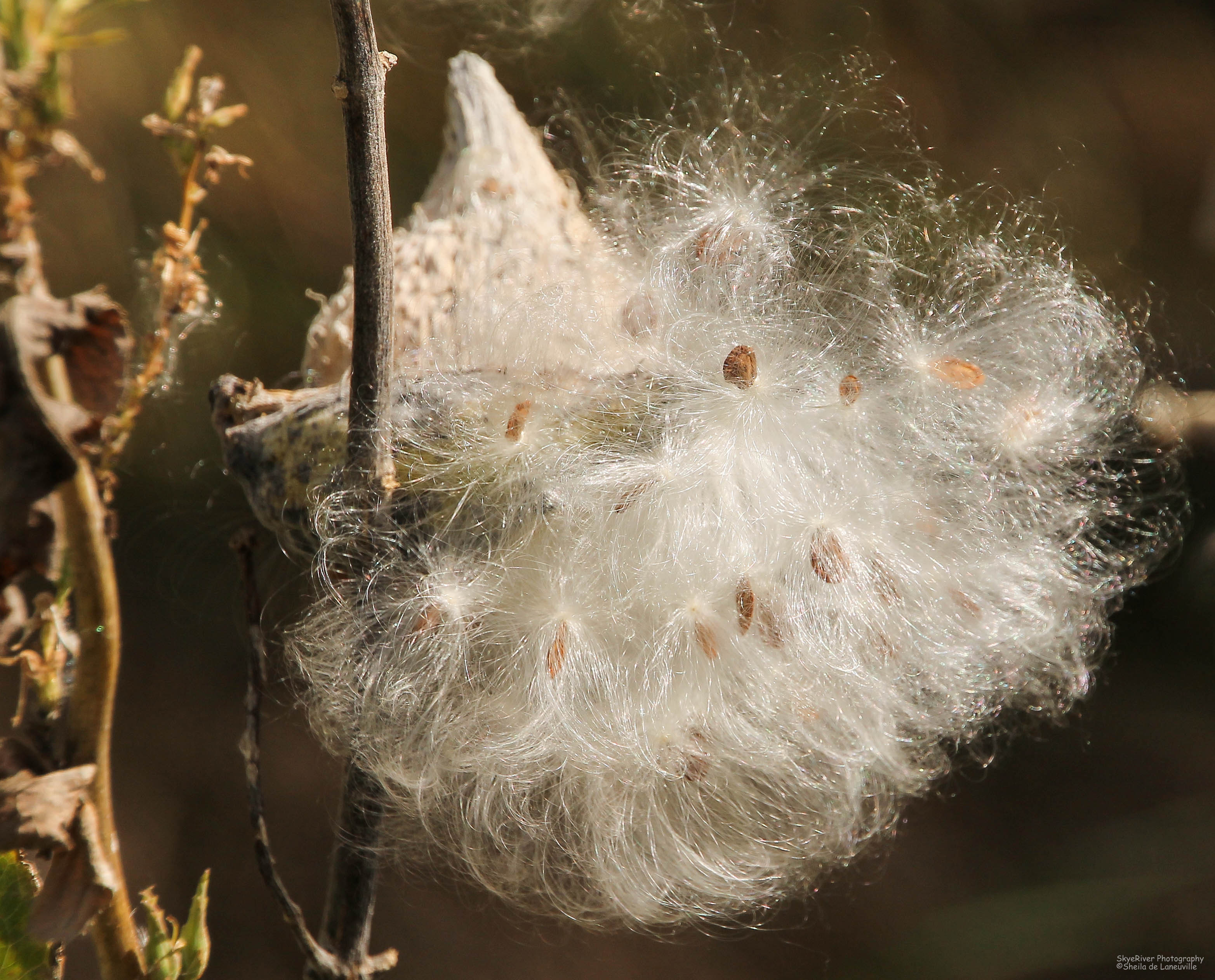
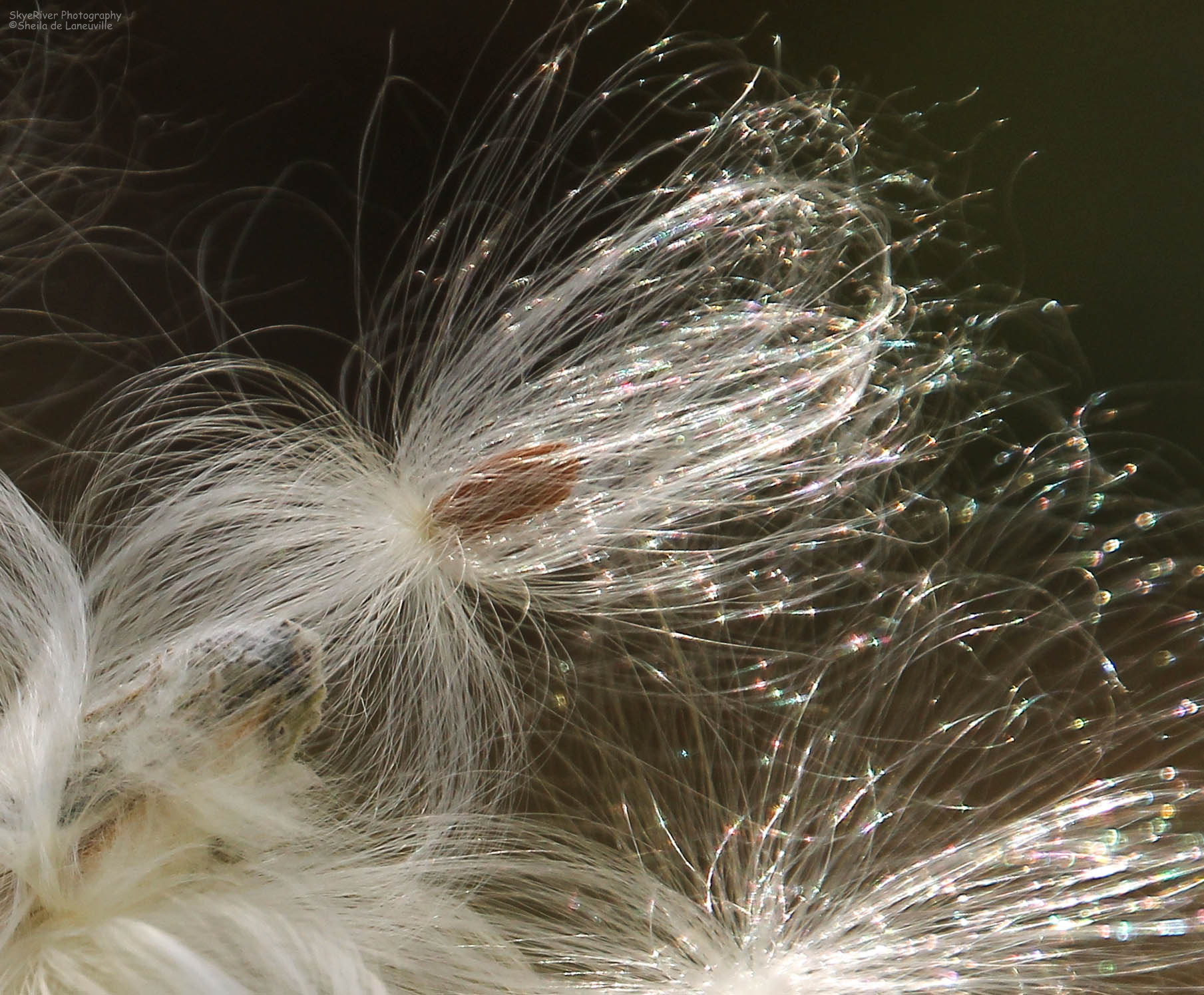
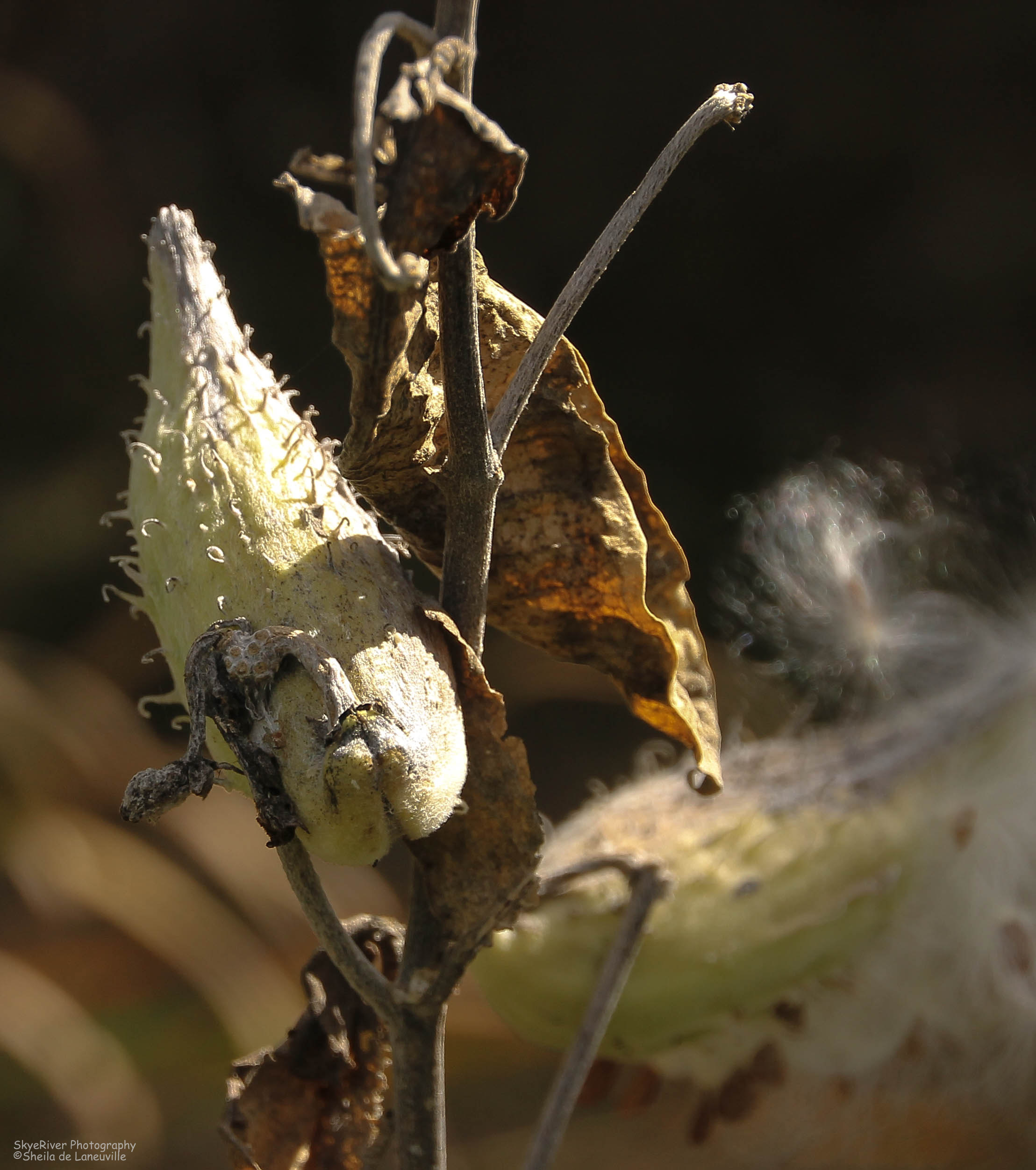
While on a walk yesterday, I saw these Milkweed plants growing along a stream. I thought they were beautiful. It was fun seeing the detail of the pods through the lens of the camera.
Milkweeds are an important nectar source for bees and other nectar-seeking insects, and a larval food source for monarch butterflies and their relatives, as well as a variety of other herbivorous insects (including numerous beetles, moths, and true bugs) specialized to feed on the plants despite their chemical defenses.
Milkweeds use three primary defenses to limit damage caused by caterpillar: hairs on the leaves, cardenolide toxins, and latex fluids. Data from a DNA study indicate more recently evolved milkweed species use less of these preventative strategies, but grow faster than older species, potentially regrowing faster than caterpillars can consume them. (taken from Wikipedia)
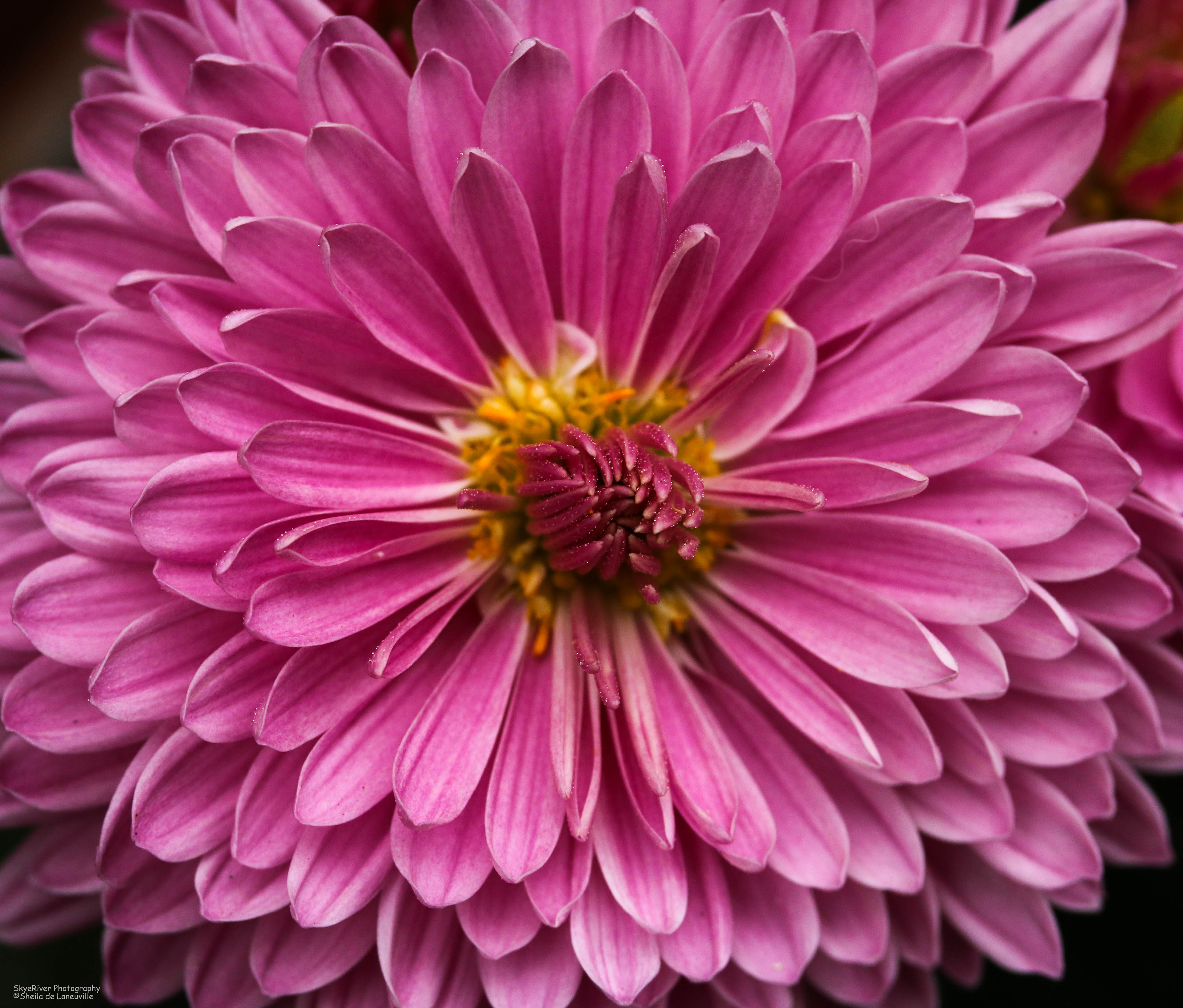
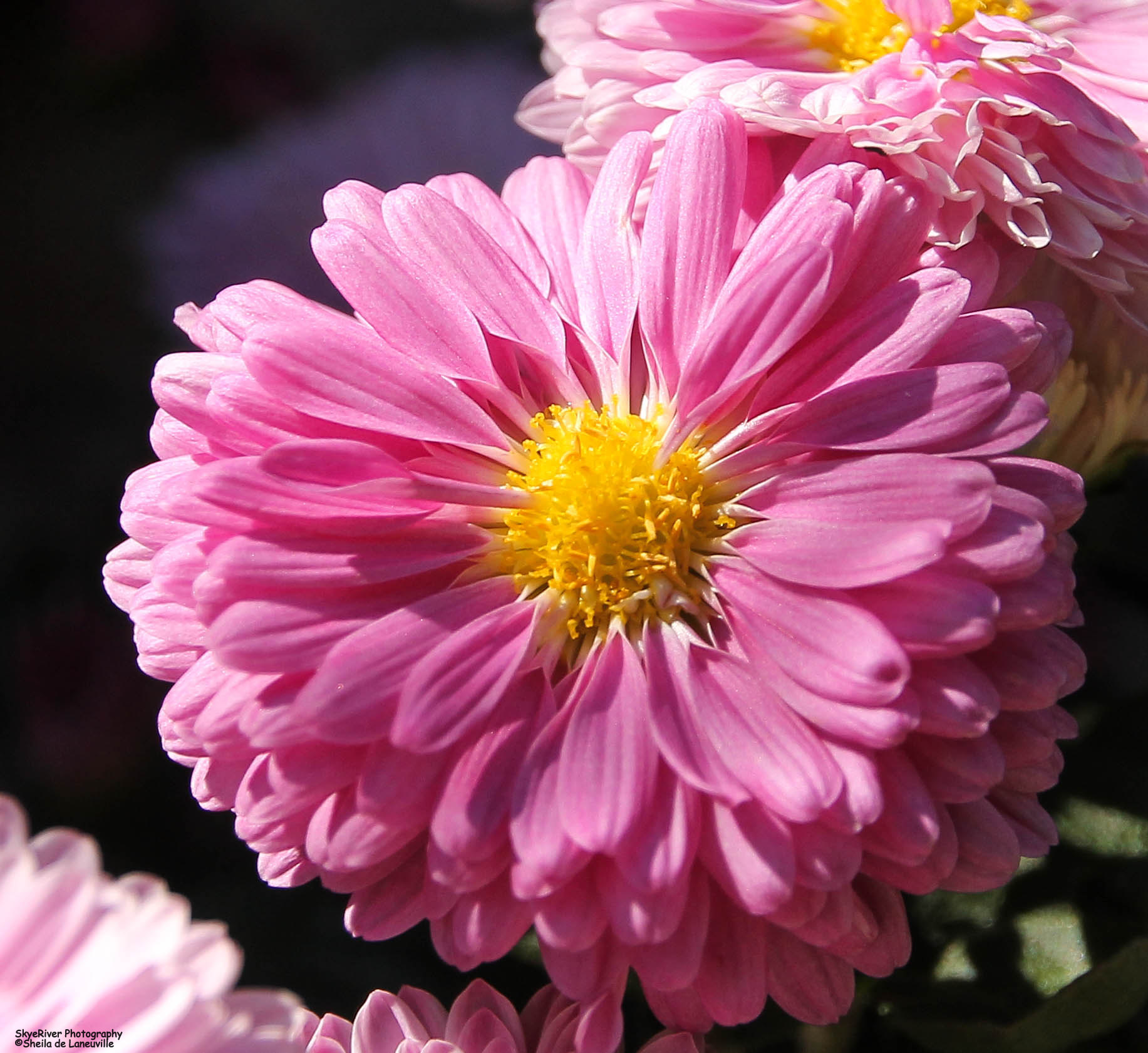
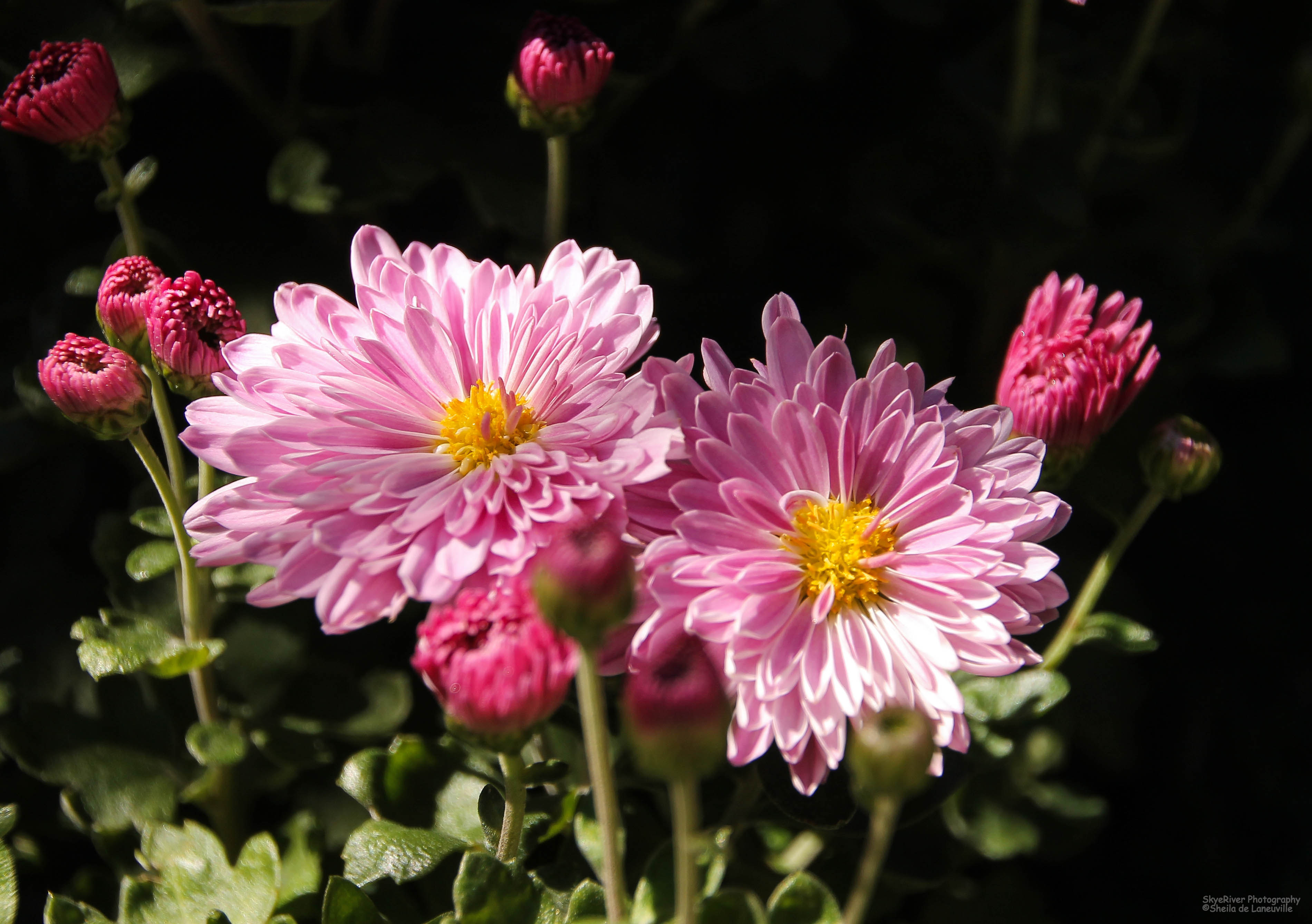
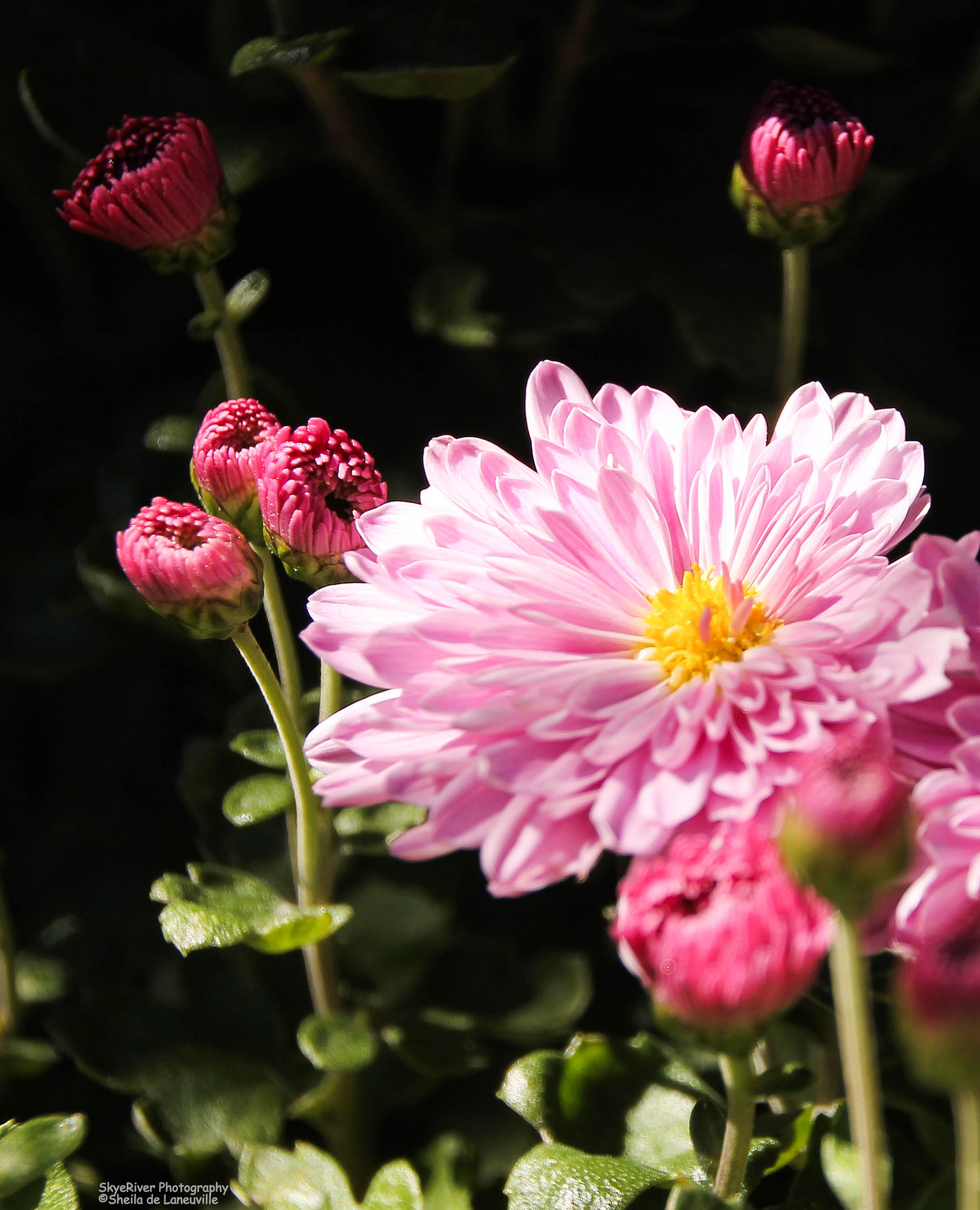
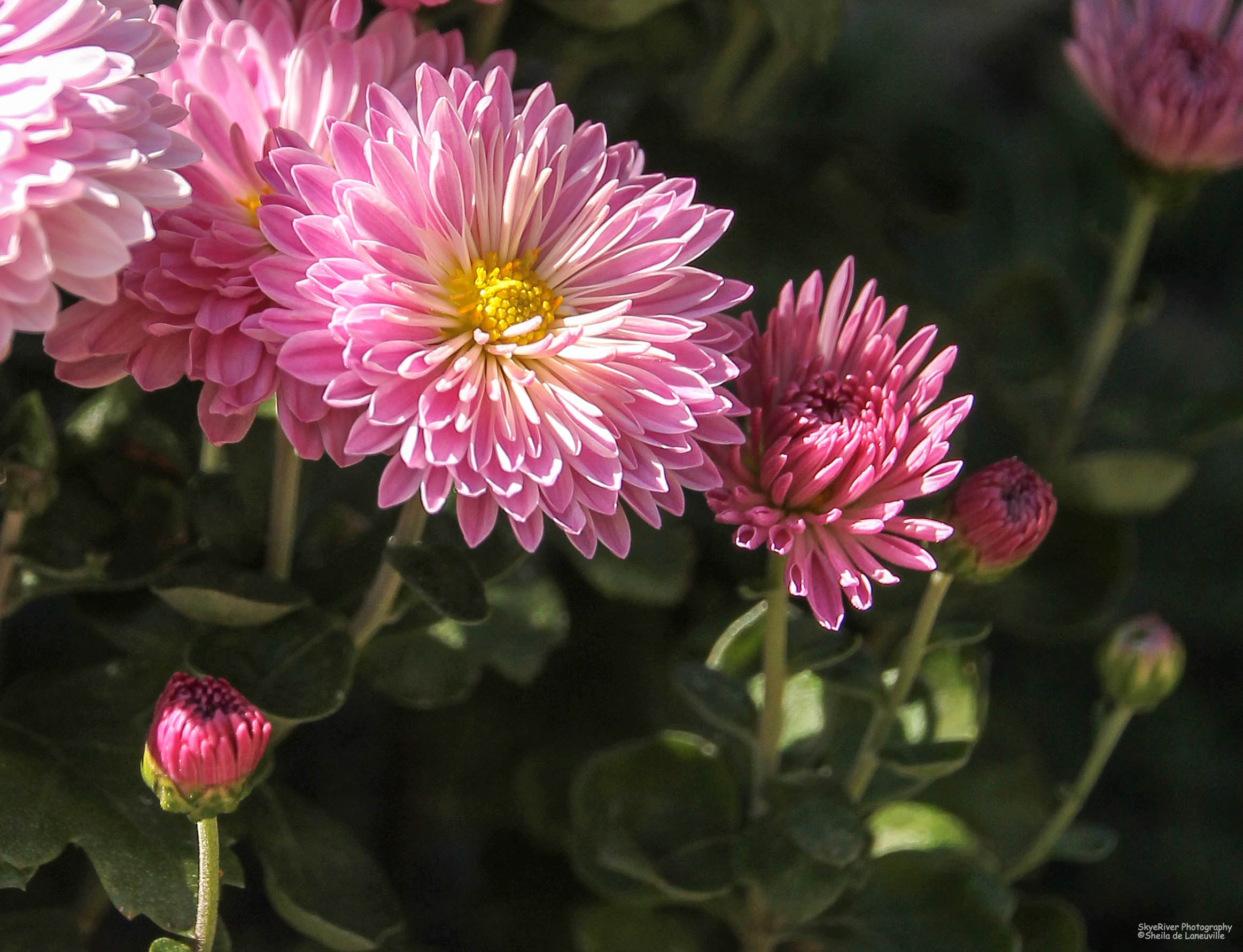
A MumMums fashion their appearanceBudsMums, to delight
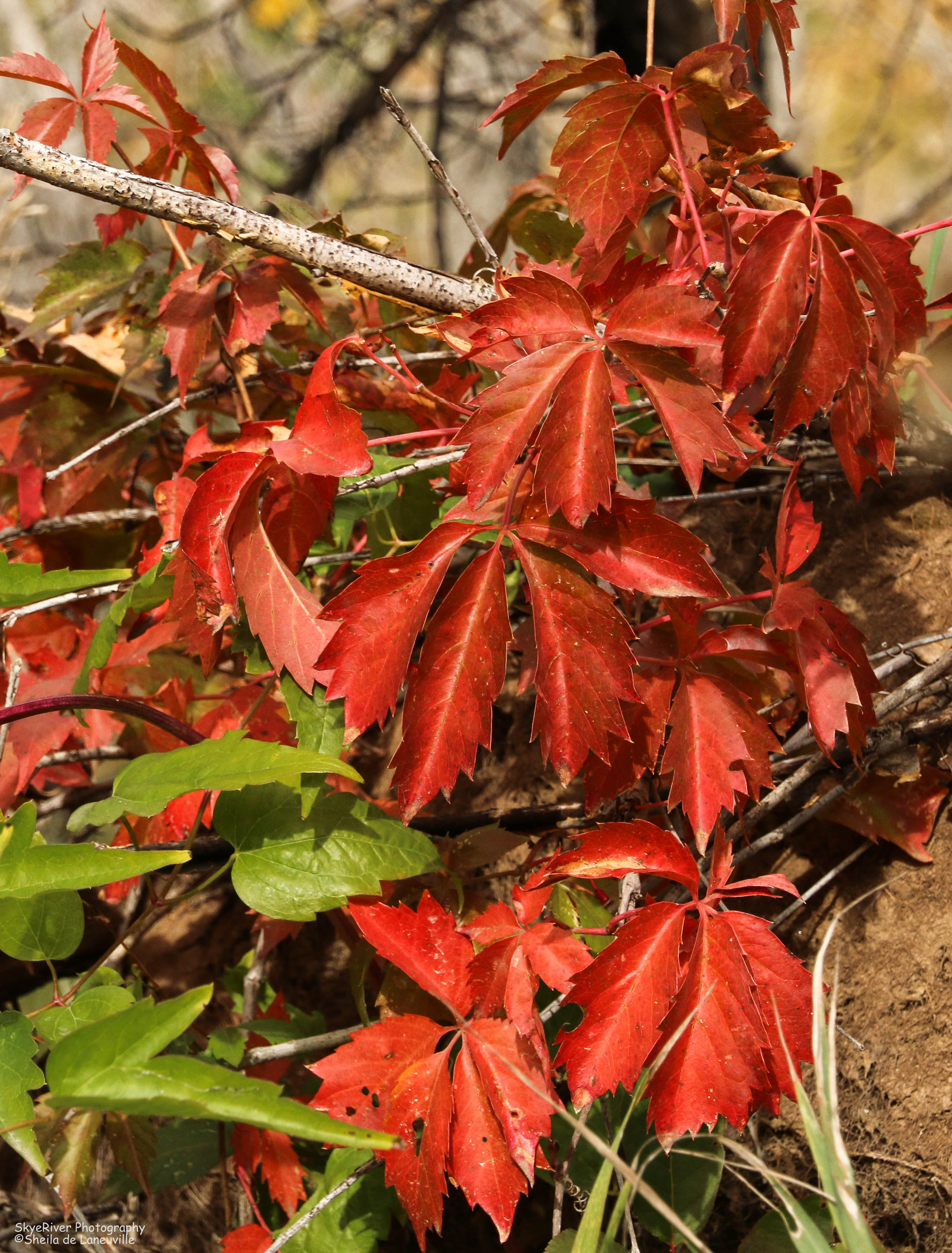
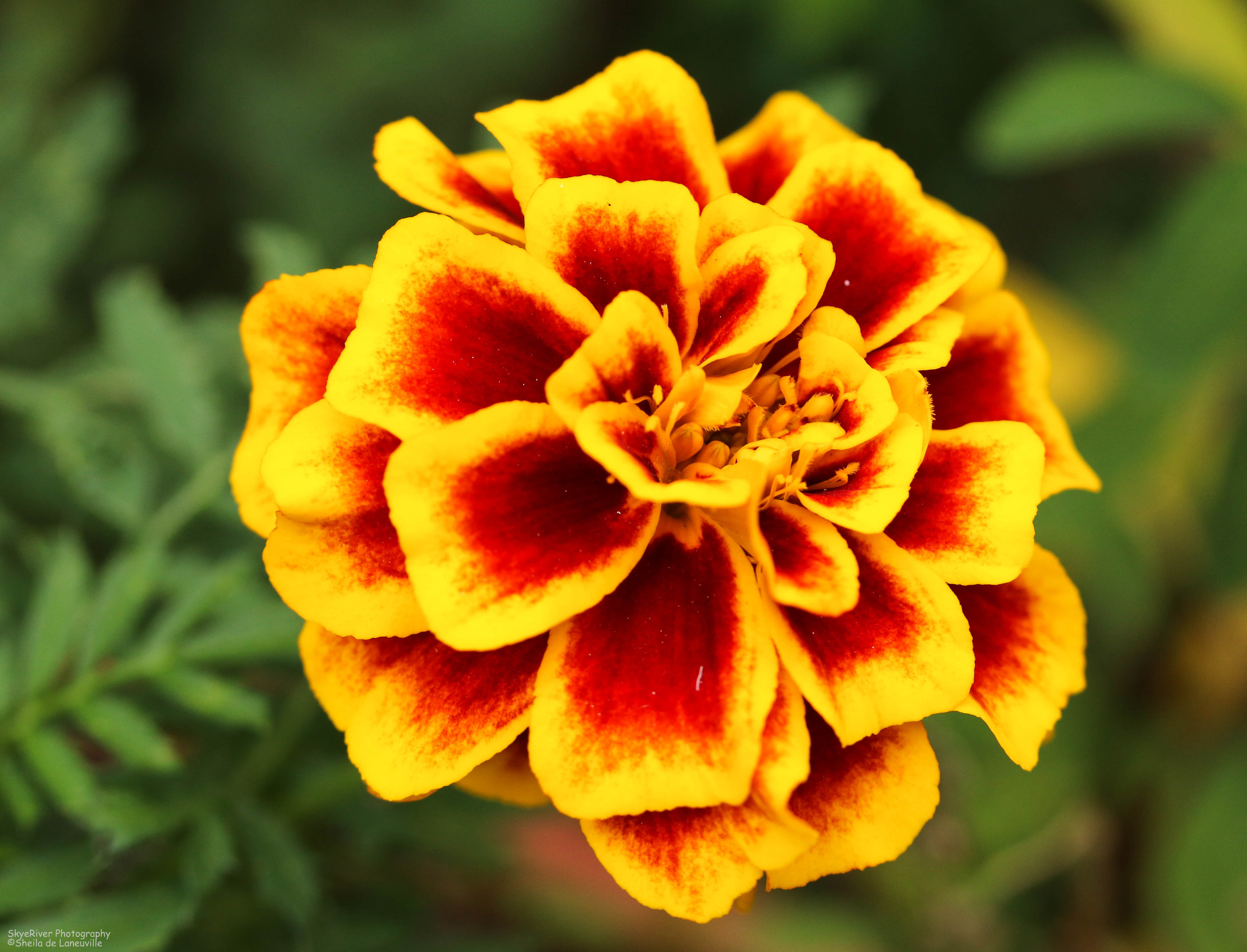
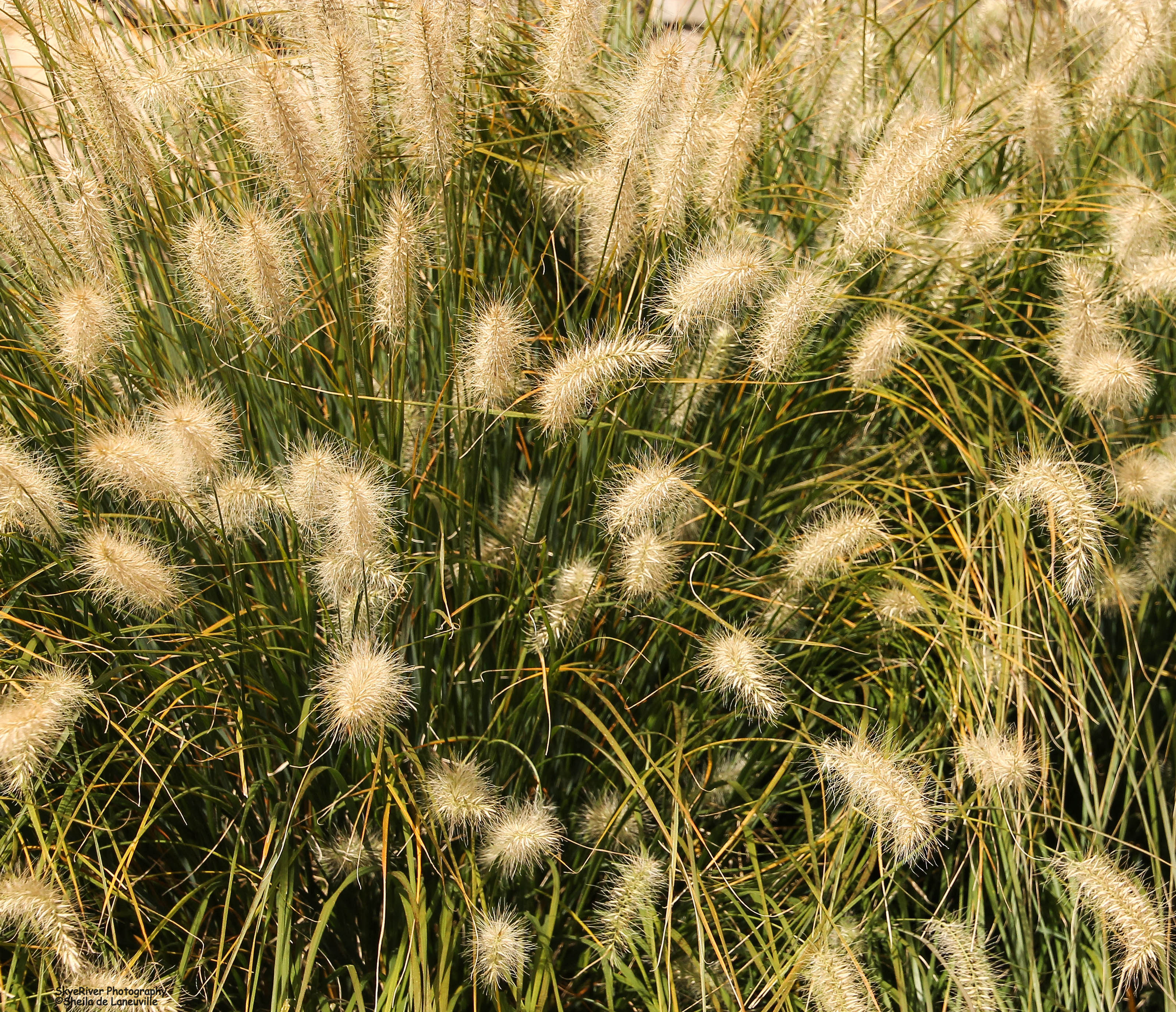
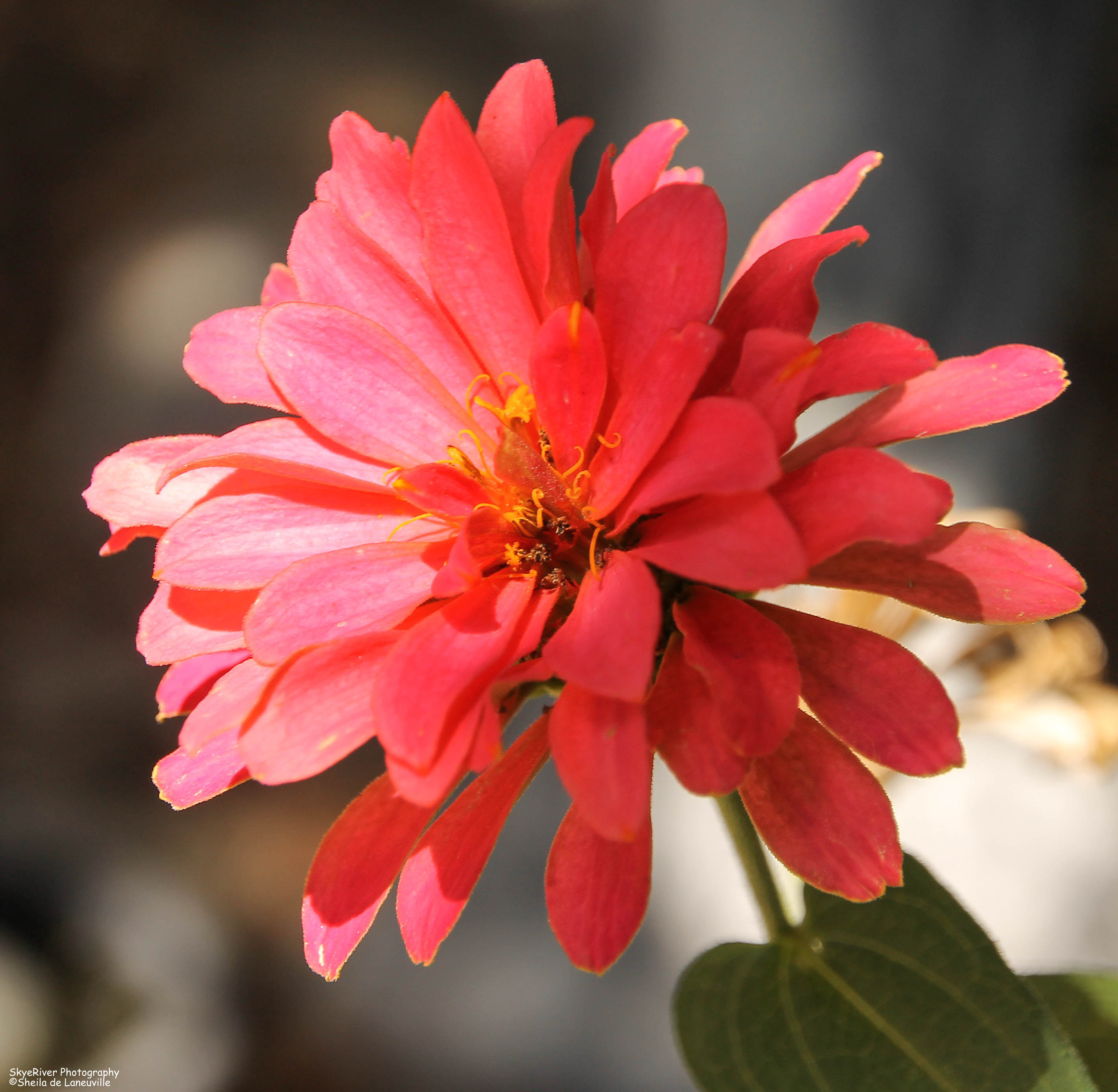
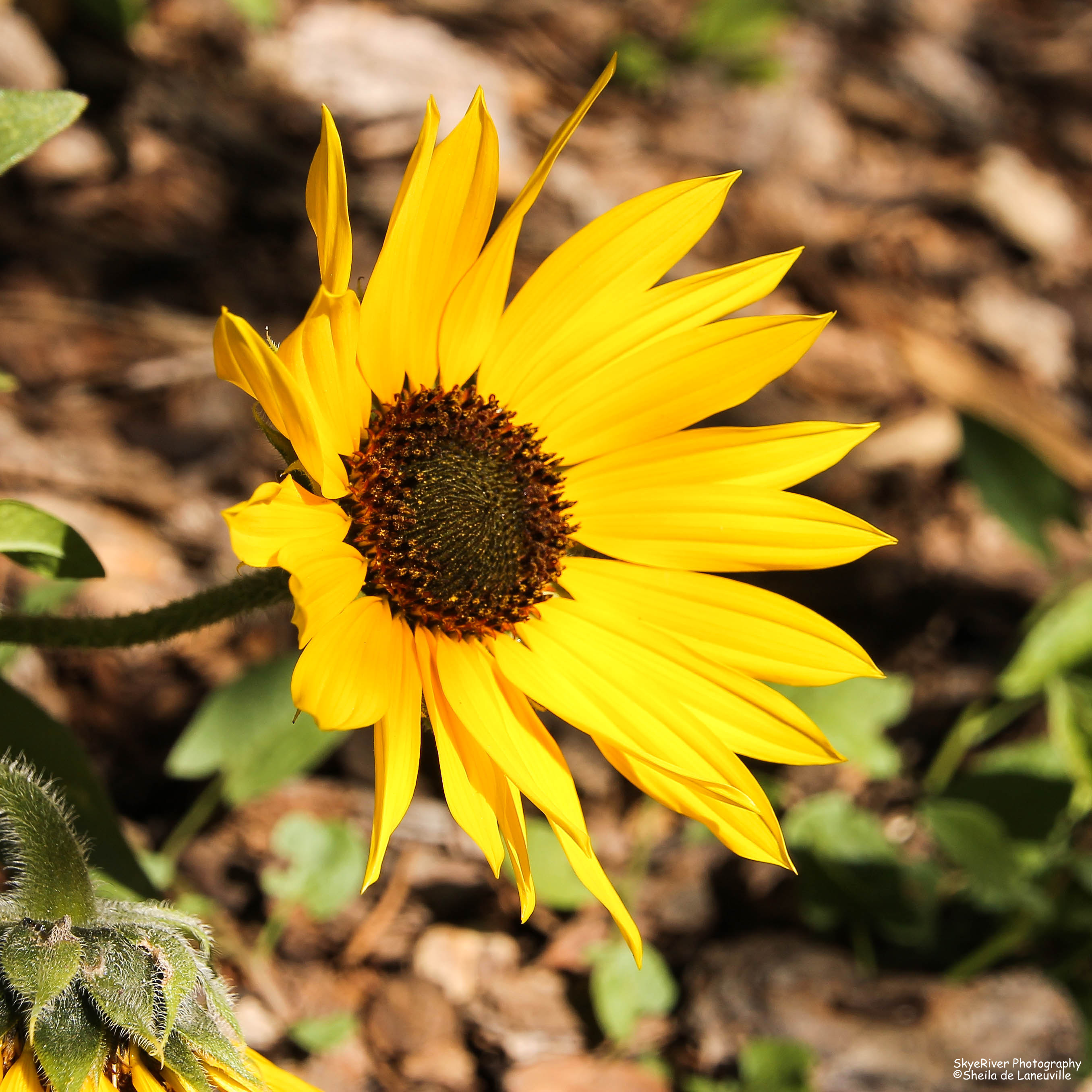
This morning, I took a tour of my yard to see what was still blooming.To my surprise some of my flowers are still doing well. We were slated for snow on Friday, which thankfully stayed north of us. Sorry Wyoming! Our overnight temperatures have been cold; last night’s, 32!



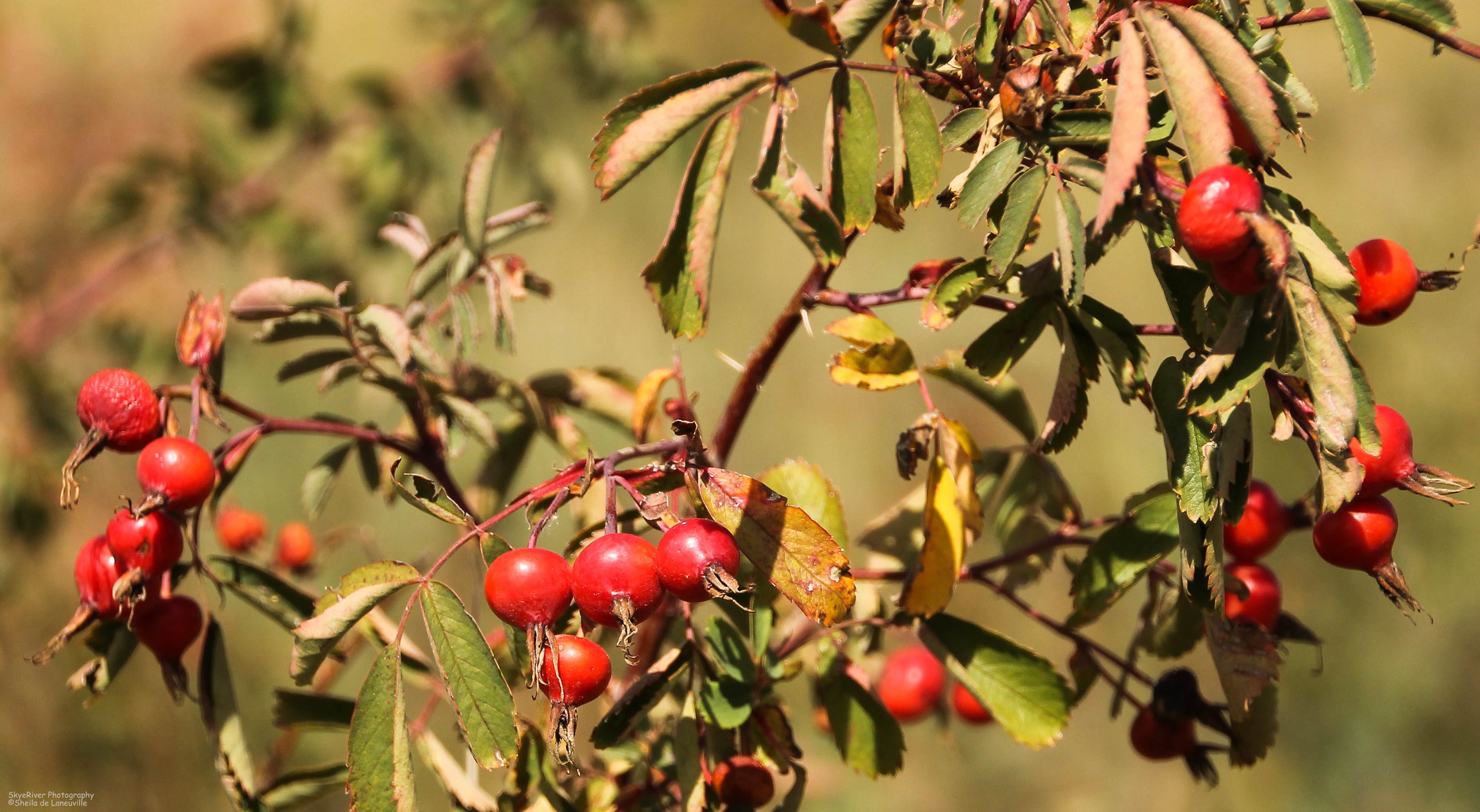


 Berries


 Wolf Song Blog