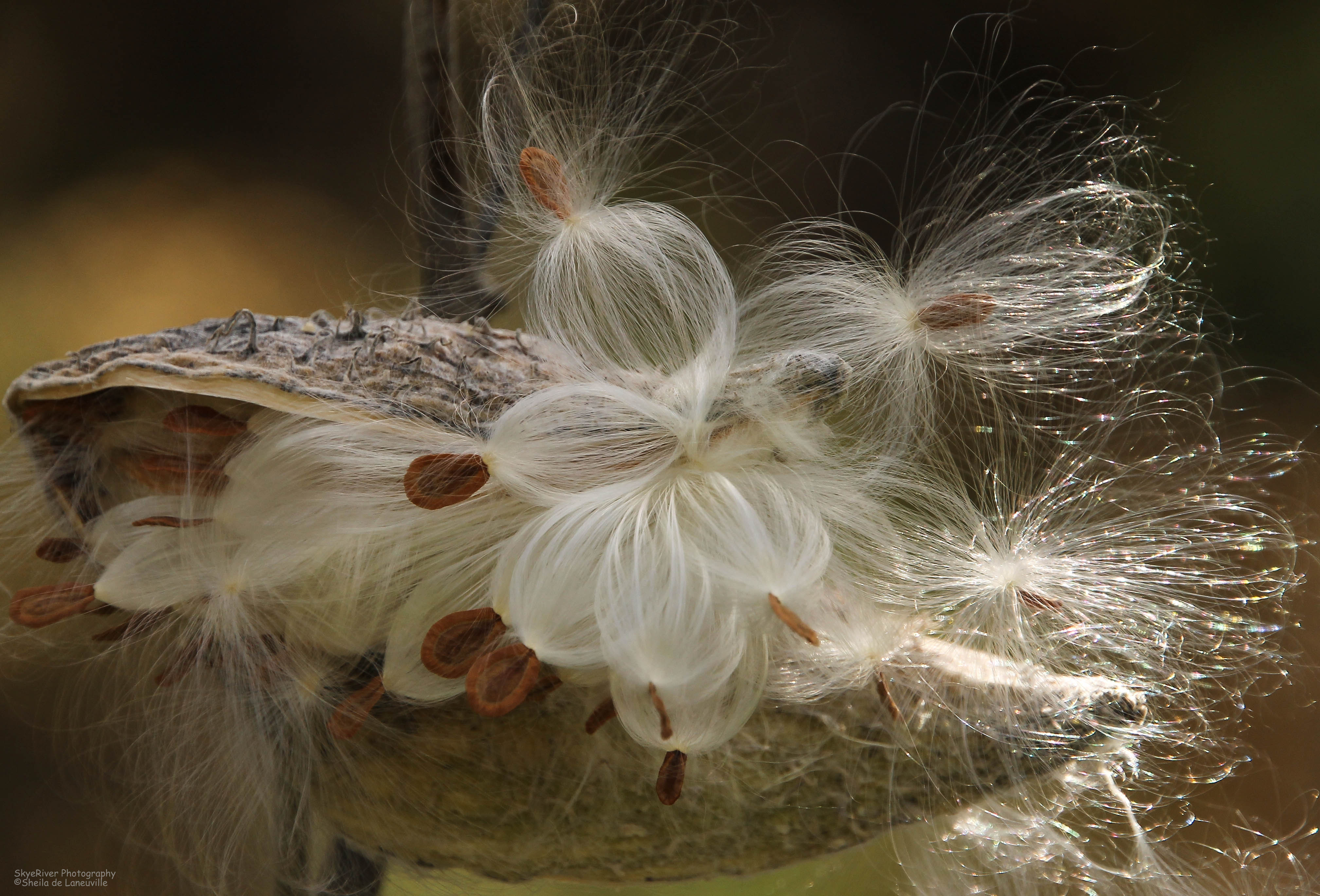
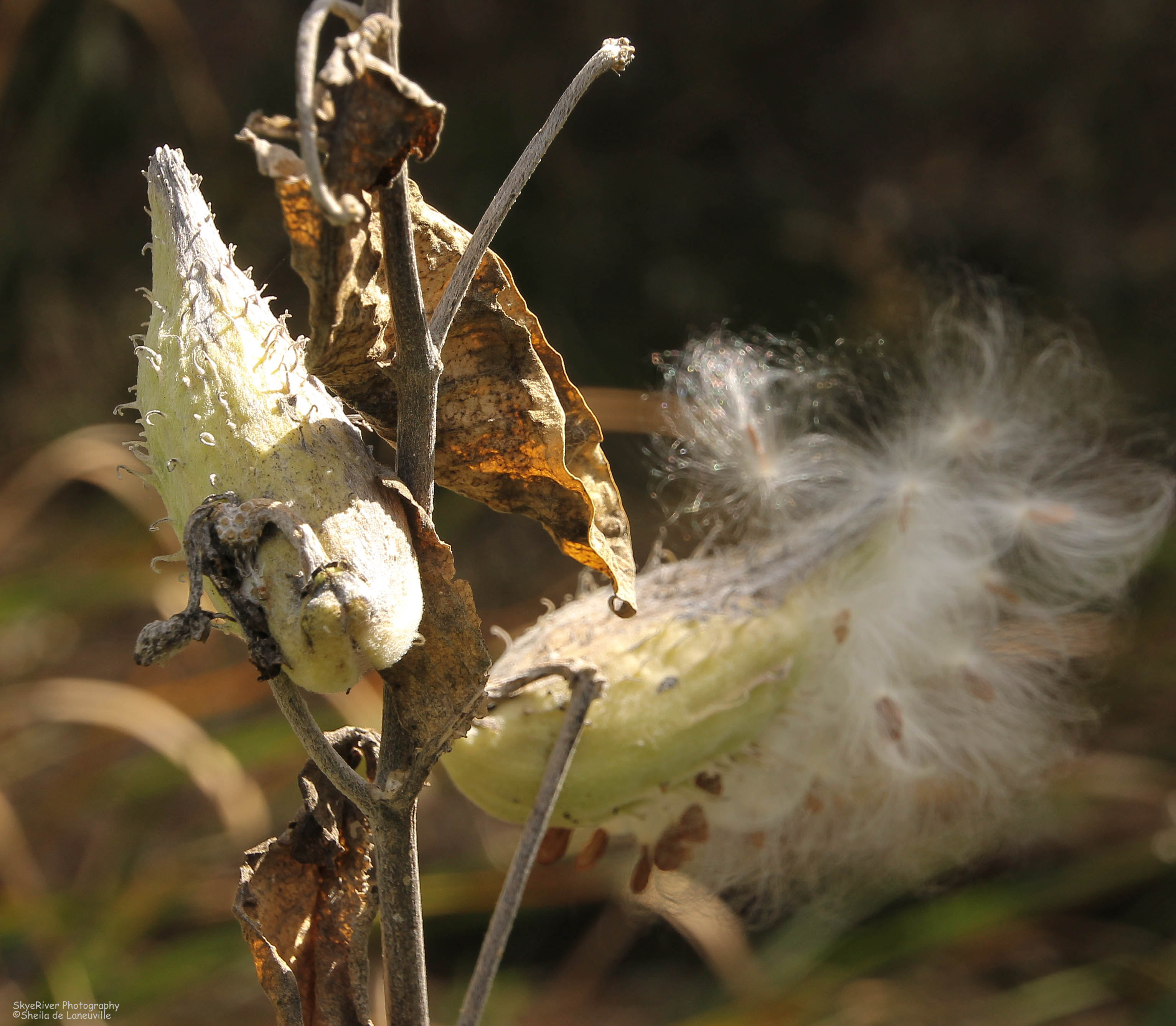
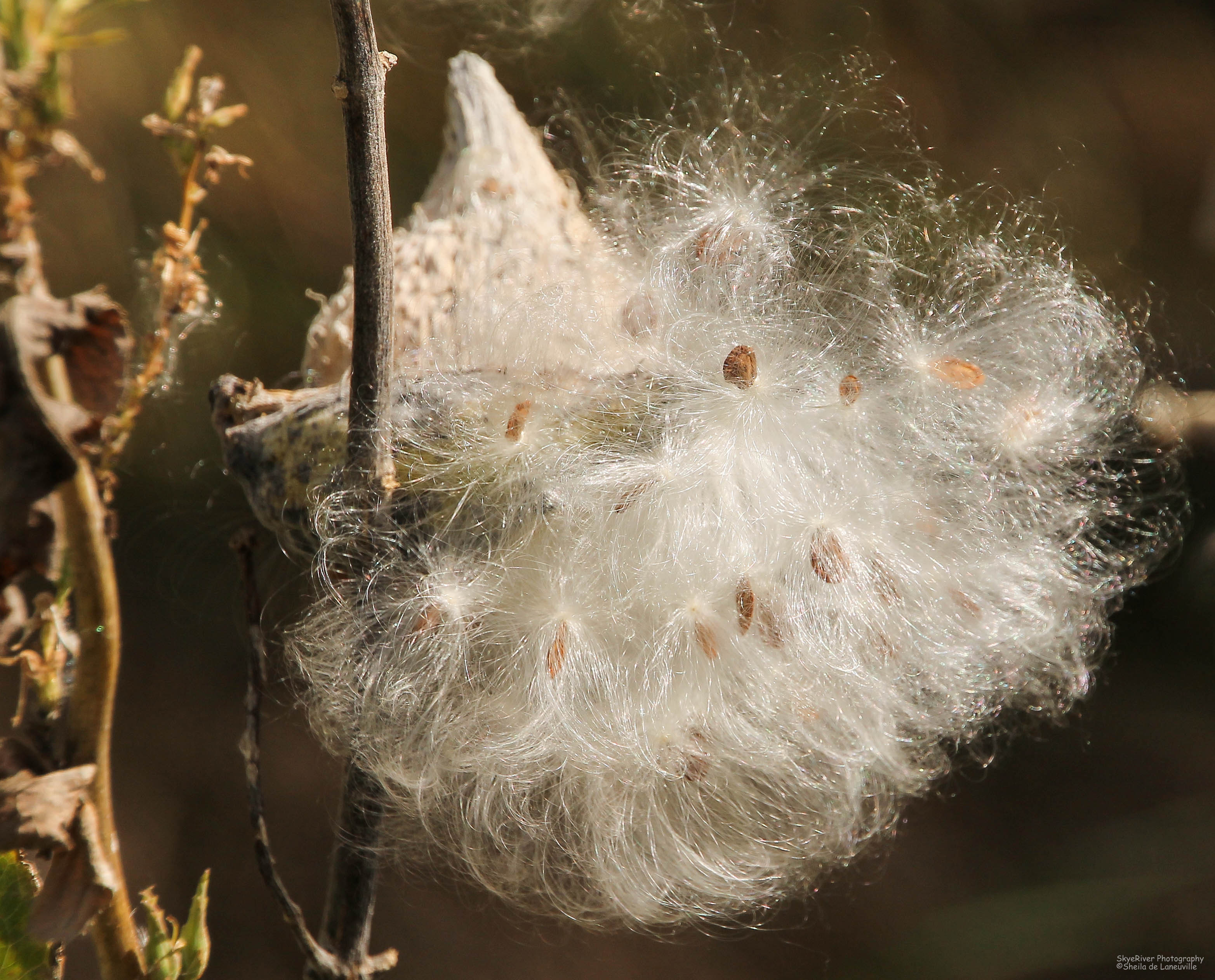
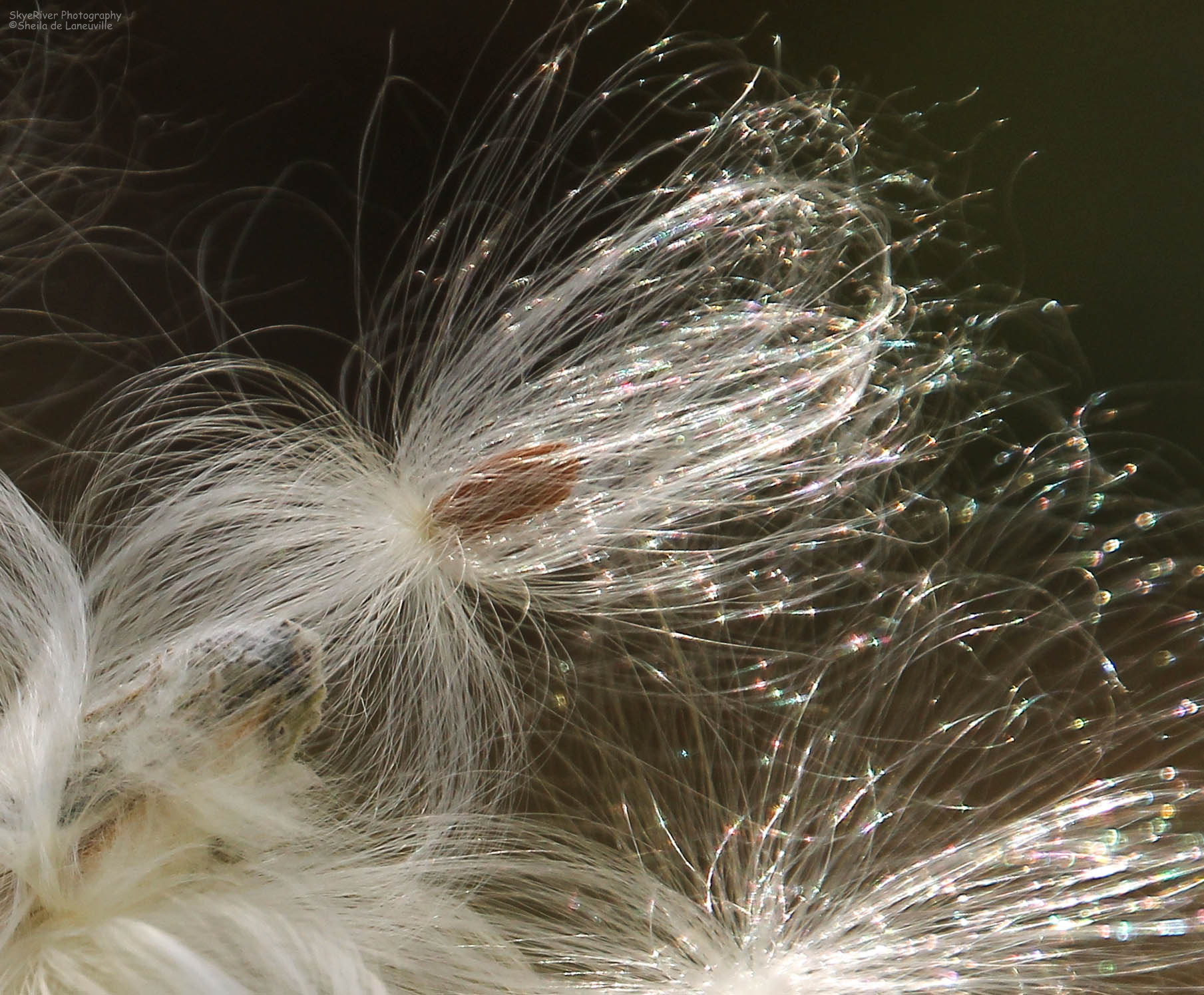
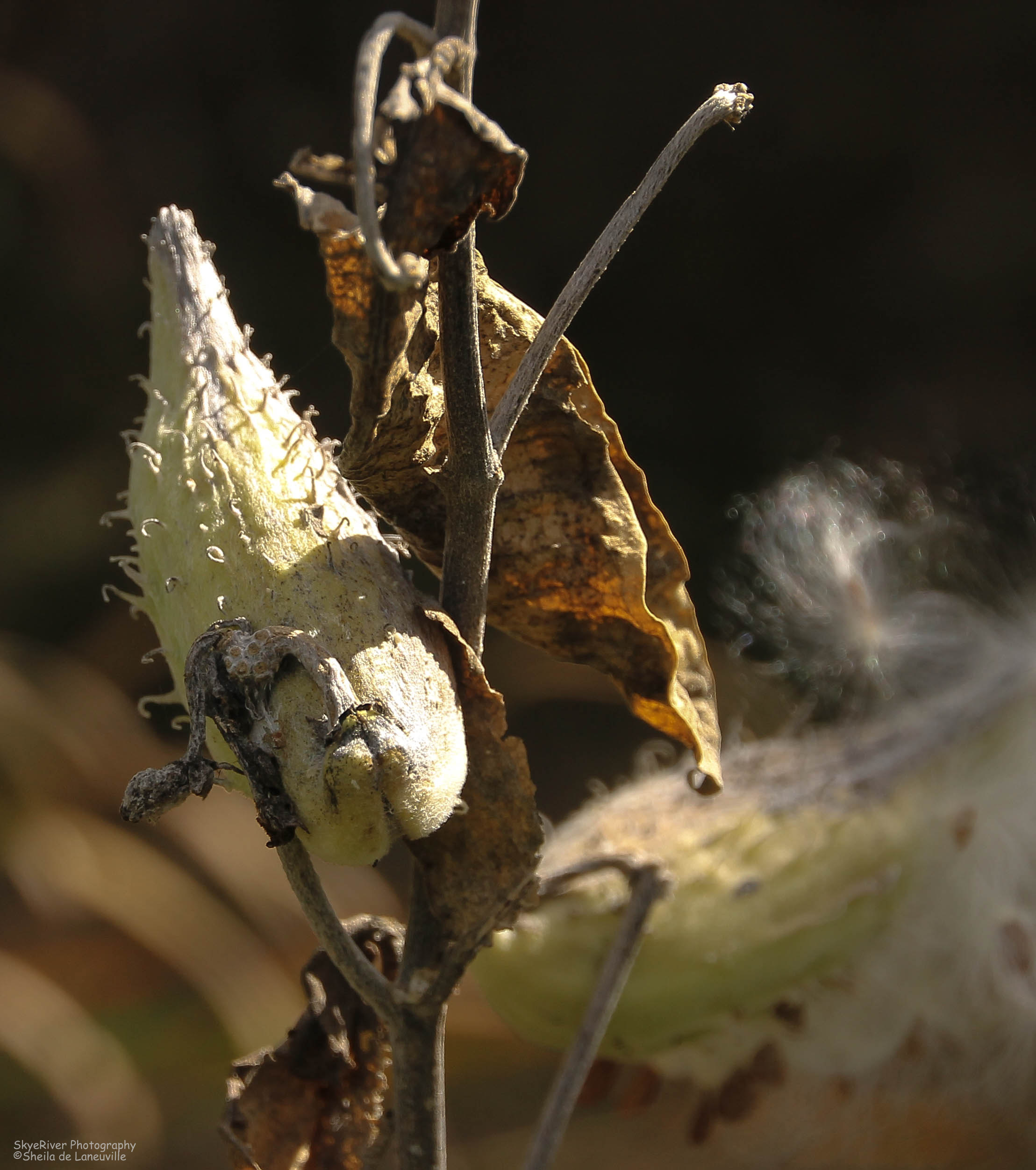
While on a walk yesterday, I saw these Milkweed plants growing along a stream. I thought they were beautiful. It was fun seeing the detail of the pods through the lens of the camera.
Milkweeds are an important nectar source for bees and other nectar-seeking insects, and a larval food source for monarch butterflies and their relatives, as well as a variety of other herbivorous insects (including numerous beetles, moths, and true bugs) specialized to feed on the plants despite their chemical defenses.
Milkweeds use three primary defenses to limit damage caused by caterpillar: hairs on the leaves, cardenolide toxins, and latex fluids. Data from a DNA study indicate more recently evolved milkweed species use less of these preventative strategies, but grow faster than older species, potentially regrowing faster than caterpillars can consume them. (taken from Wikipedia)
Beautiful AspensThe Devil’s Backbone TrailShadowColorful Colorado BouldersNative PlantBeautiful Colorado MountainsThe Devil’s Backbone Trail looking eastLooking east from the trail.Hogback close-upThe Devil’s BackboneNative Plant, close-upChanging Colors
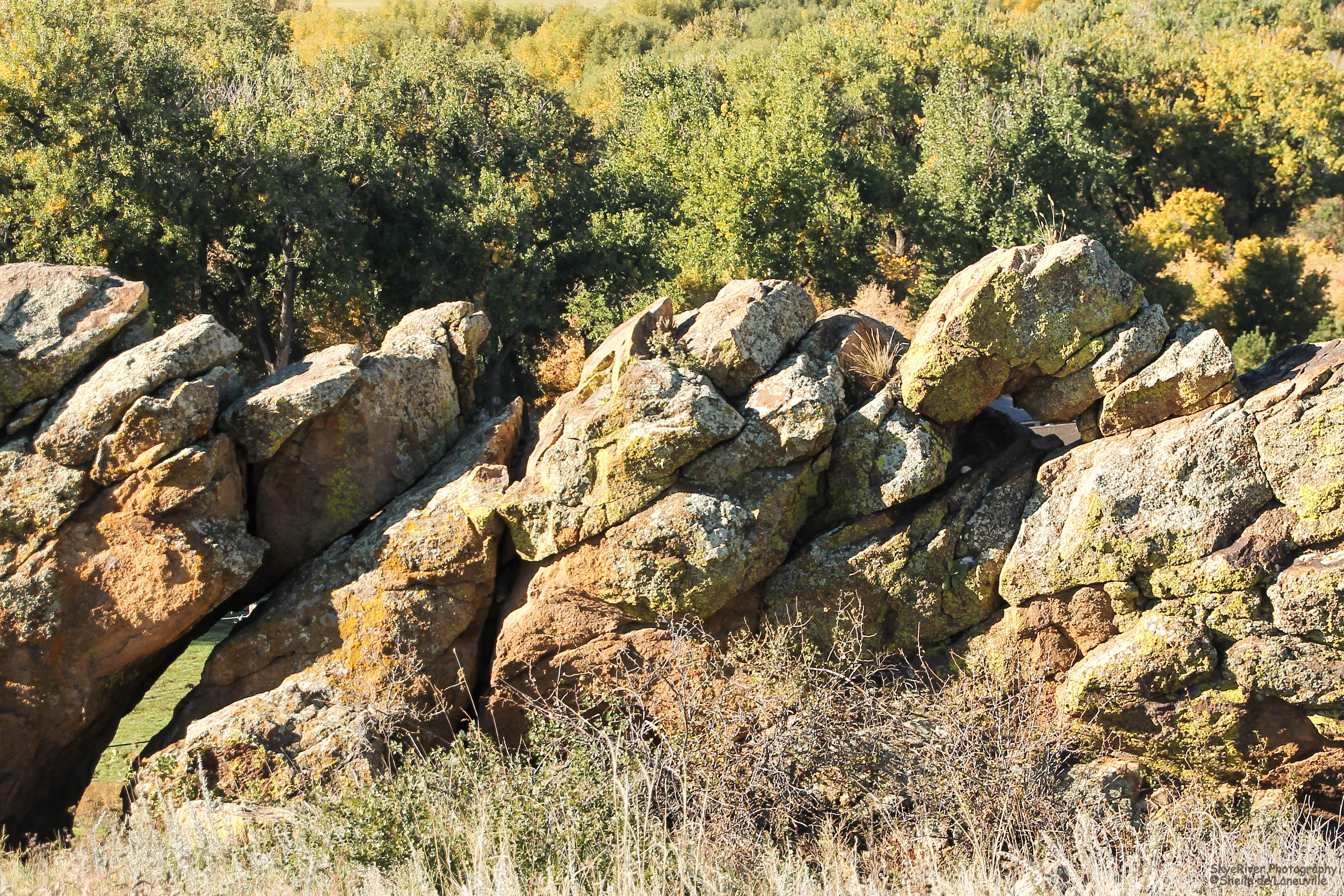
This past Monday morning a friend and I went on another hike, back to the Devil’s Backbone Open Space Area, which is practically in our backyard to the west of us. It was wonderful to see some fall color; a fun hike for sure.
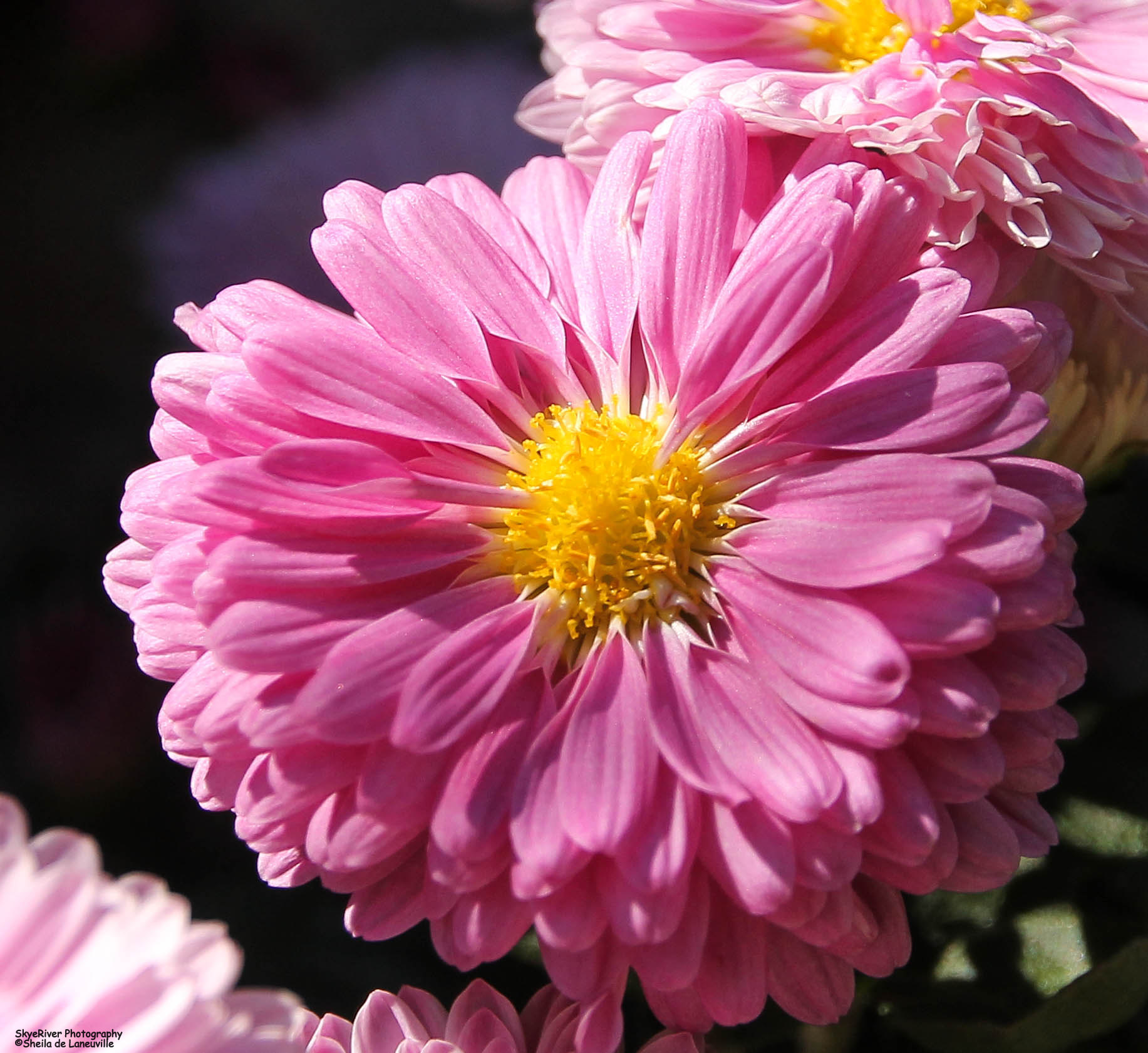
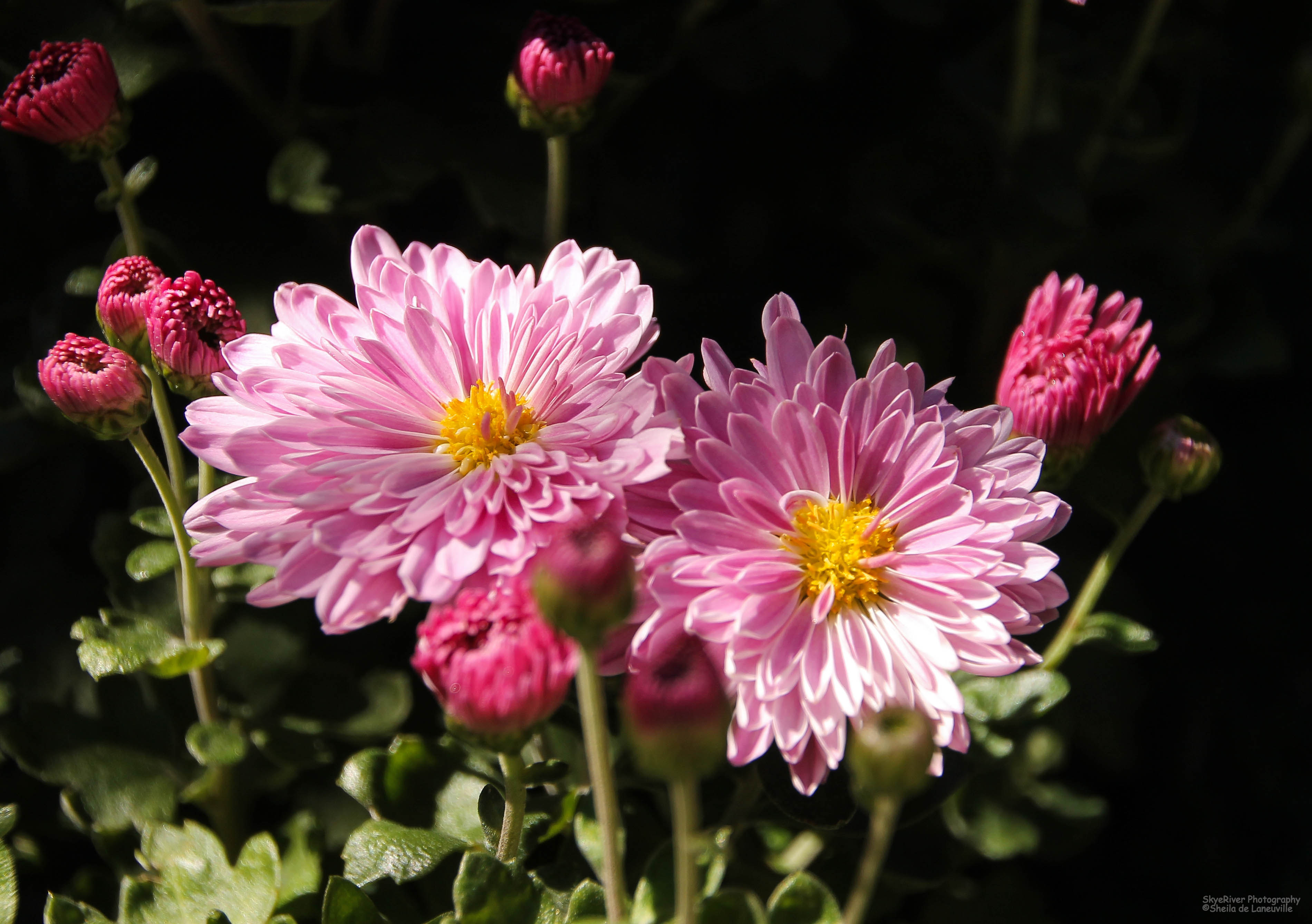
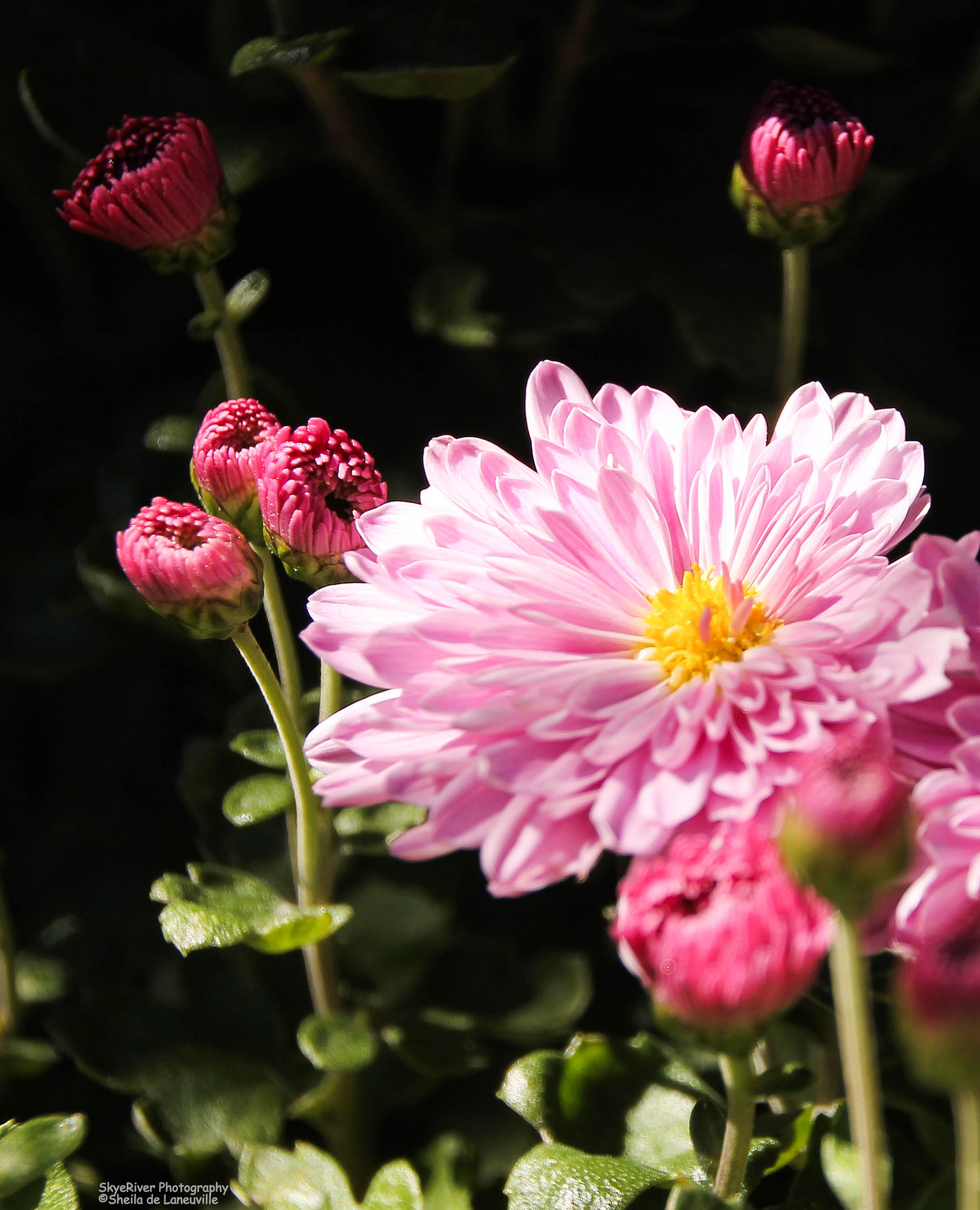
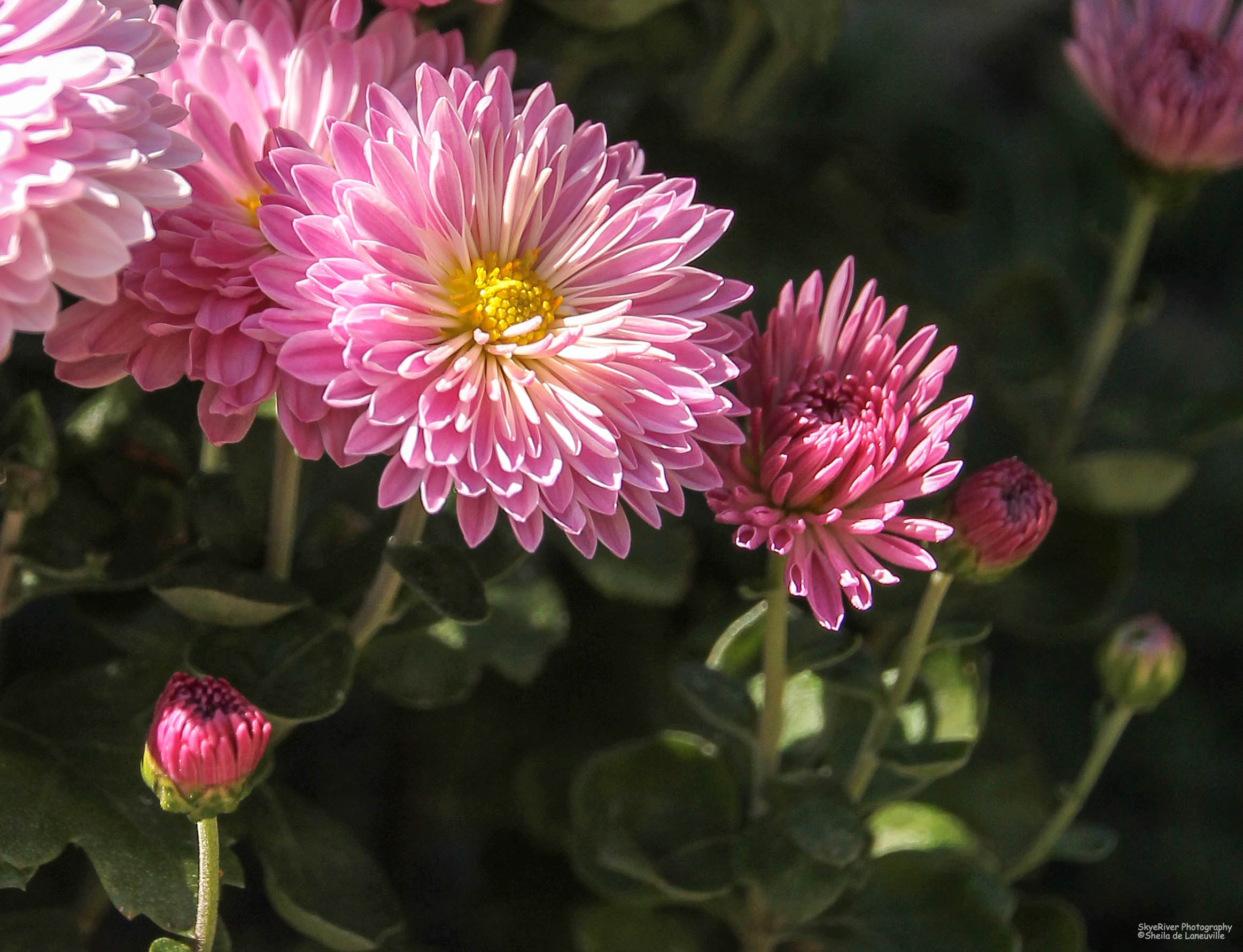
A MumMums fashion their appearanceBudsMums, to delight
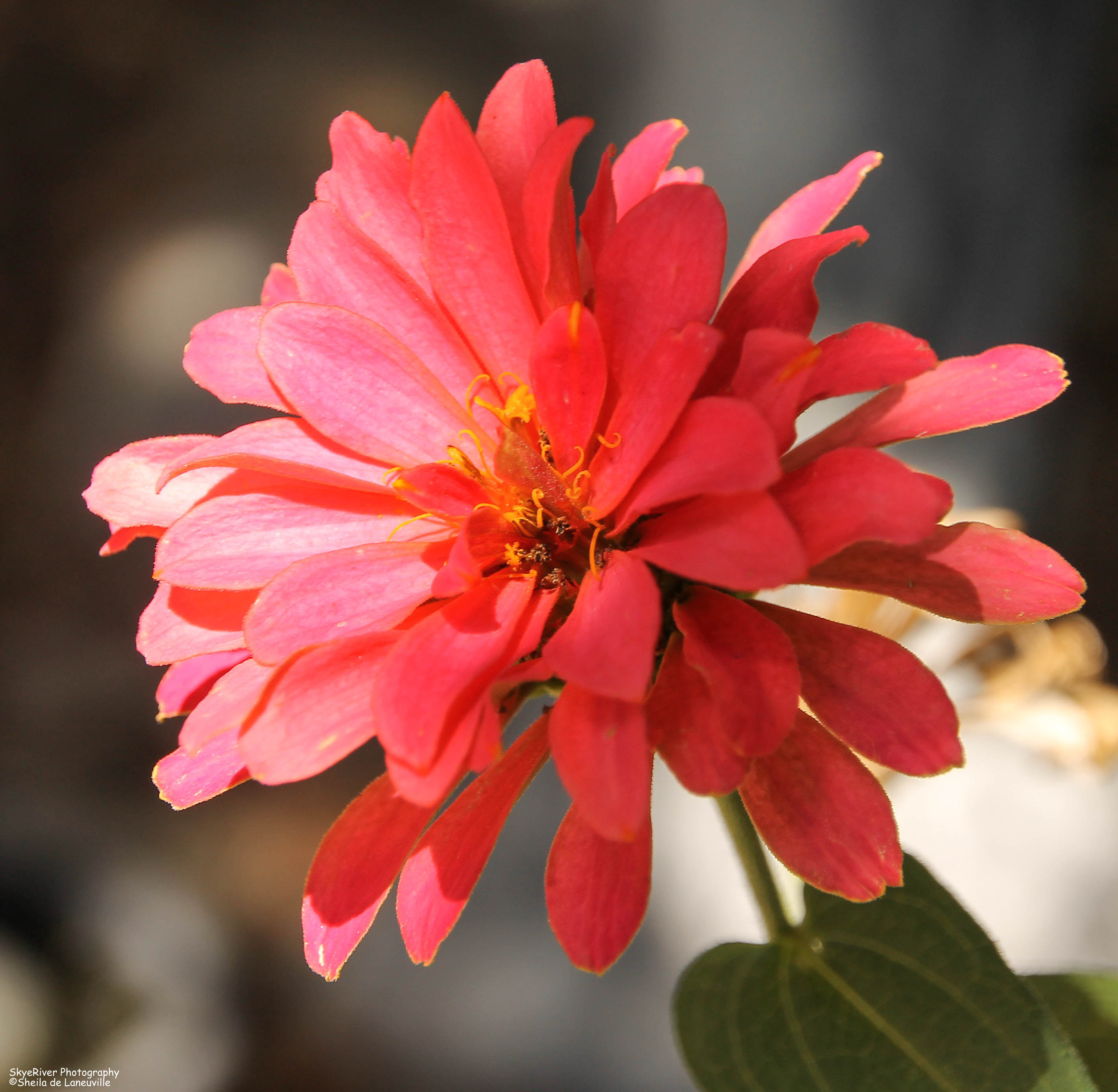
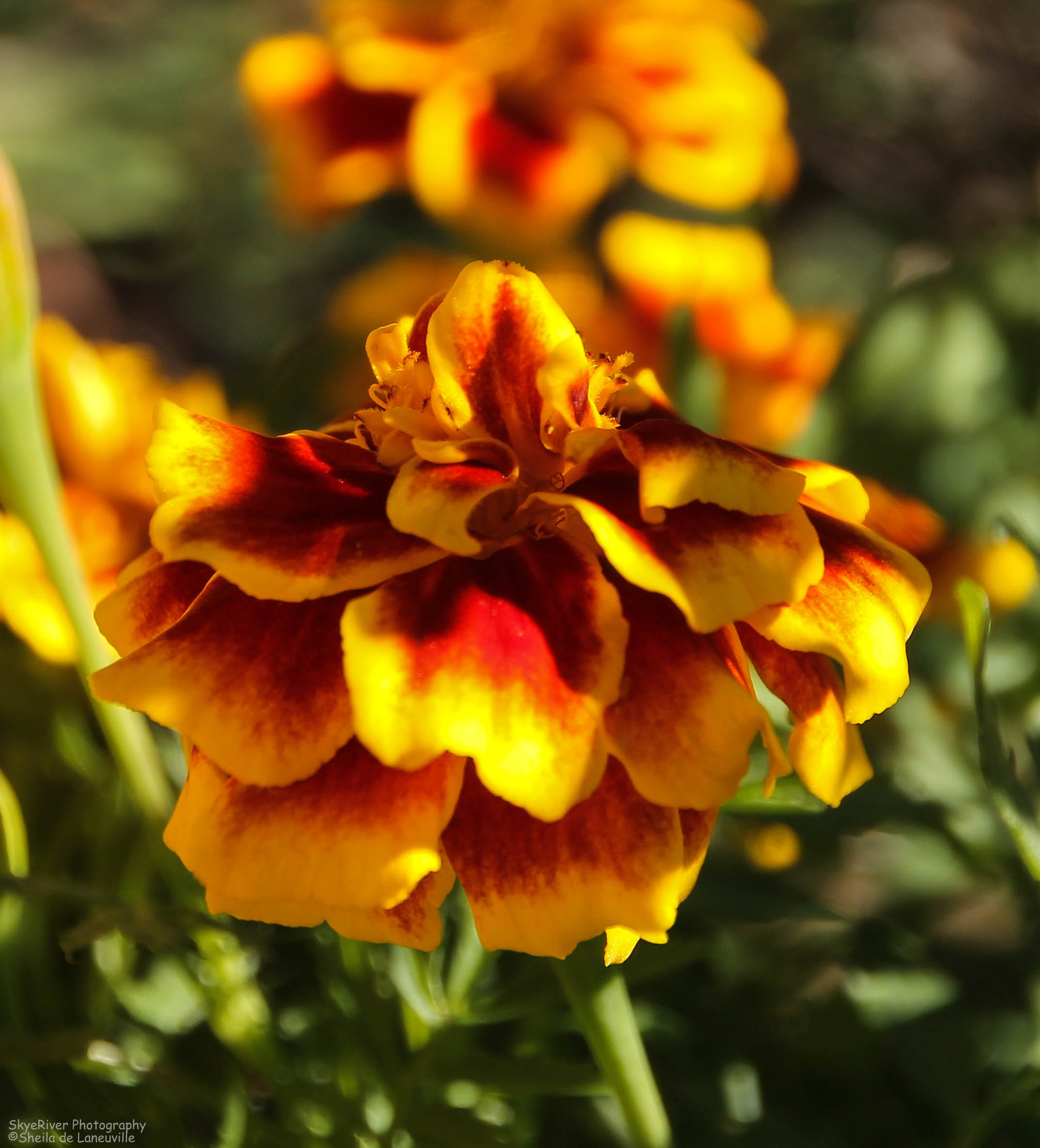
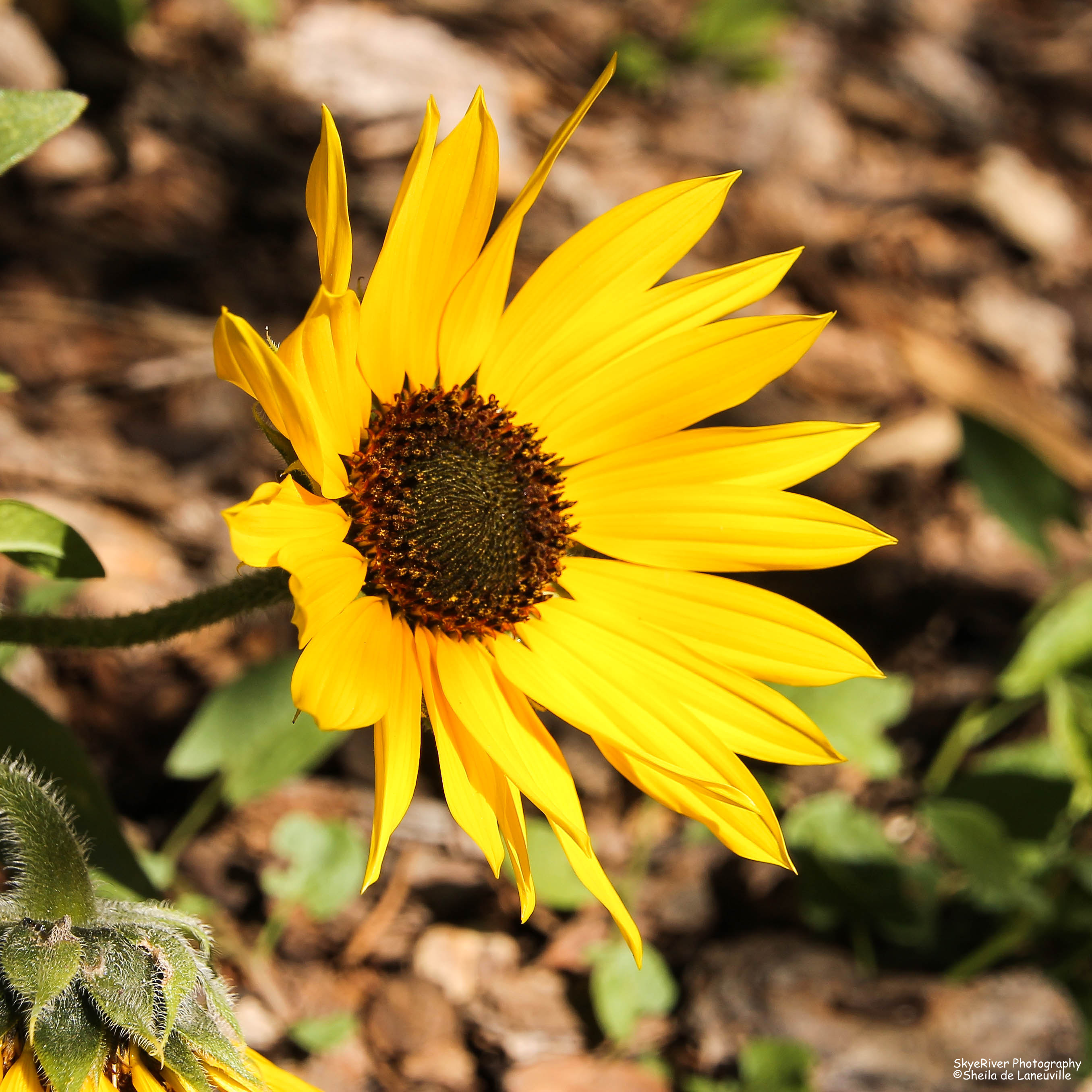
This morning, I took a tour of my yard to see what was still blooming.To my surprise some of my flowers are still doing well. We were slated for snow on Friday, which thankfully stayed north of us. Sorry Wyoming! Our overnight temperatures have been cold; last night’s, 32!
My friend Shari and I went on a hike, this past Wednesday, in the Coyote Ridge Natural area, located between Loveland and Fort Collins, Colorado.
We hiked about four miles round trip. This area is beautiful and we had a fantastic view of the Hogbacks sitting majestically to the west!
Between Two Ridges
It was a gorgeous, sunny day with blue skies and a few white puffy clouds. We had a great time. We passed and said hello to bike riders, other hikers and runners all enjoying this natural trail system.
We also encountered a few four-legged animals enjoying the area as well.
Mule Deer
This photo looks a little odd to me, as if I took the head of another deer and placed it on this deer’s body! She was standing up hill from me as I was trying to take her picture from the trail below.
“Maybe they don’t see me”
We spotted a few birds, but not many. A Black-billed Magpie riding the wind, an American Robin sitting in a pine tree singing a tune and a Northern Flicker just being a Flicker, making a lot of noise! All of which were fun to see.
Hogbacks are defined as, a ridge with steep sides formed by dipping strata. Dipping strata are stratified layers of rocks lying at an angle.
The name, Hogback, comes from the ridge resembling the high, knobby spine between the shoulders of a hog.
In most cases, the two strata that compose a hogback are different types of sedimentary rock with differing weathering rates.
The softer rock erodes more quickly than overlying hard rock. Over time, the softer rock retreats to a point where the hard and soft rock strata are adjacent. This creates cliffs that steepen as the softer rock continues to erode. (info taken from web)
Standing on a HogbackWhoa! What big ears you have!My Center, Nature




 Berries




 Wolf Song Blog