Eloquent songsters of open marshes and woodlands, the thrushes include many familiar species. With narrow notched bills they feed on insects and fruit.
Eastern Blue Bird (male)Throat, sides of neck and breast are a chestnut color. Belly white. Males are deep blue above, females grayer.Nest in holes in trees and posts, and in nesting boxes.
Bluebird Conservation:
Eastern Bluebird populations increased by almost 2 percent per year between 1966 and 2010, according to the North American Breeding Bird Survey. Partners in Flight estimates the global breeding population at 22 million, with 86 percent spending part of the year in the U.S., 22 percent in Mexico, and 1 percent breeding in Canada.
They rate a 7 out of 20 on the Continental Concern Score and they are not on the 2012 Watch List. Eastern Bluebird populations fell in the early twentieth century as aggressive introduced species such as European Starlings and House Sparrows made available nest holes increasingly difficult for bluebirds to hold on to.
In the 1960s and 1970s establishment of bluebird trails and other nest box campaigns alleviated much of this competition, especially after people began using nest boxes designed to keep out the larger European Starling. Eastern Bluebird numbers have been recovering since.
For more information on this beautiful thrush, please visit this web-site – http://www.allaboutbirds.org/guide/Eastern_Bluebird/id
~Sharing with Charlotte at Prairie Birder for Feathers on Friday
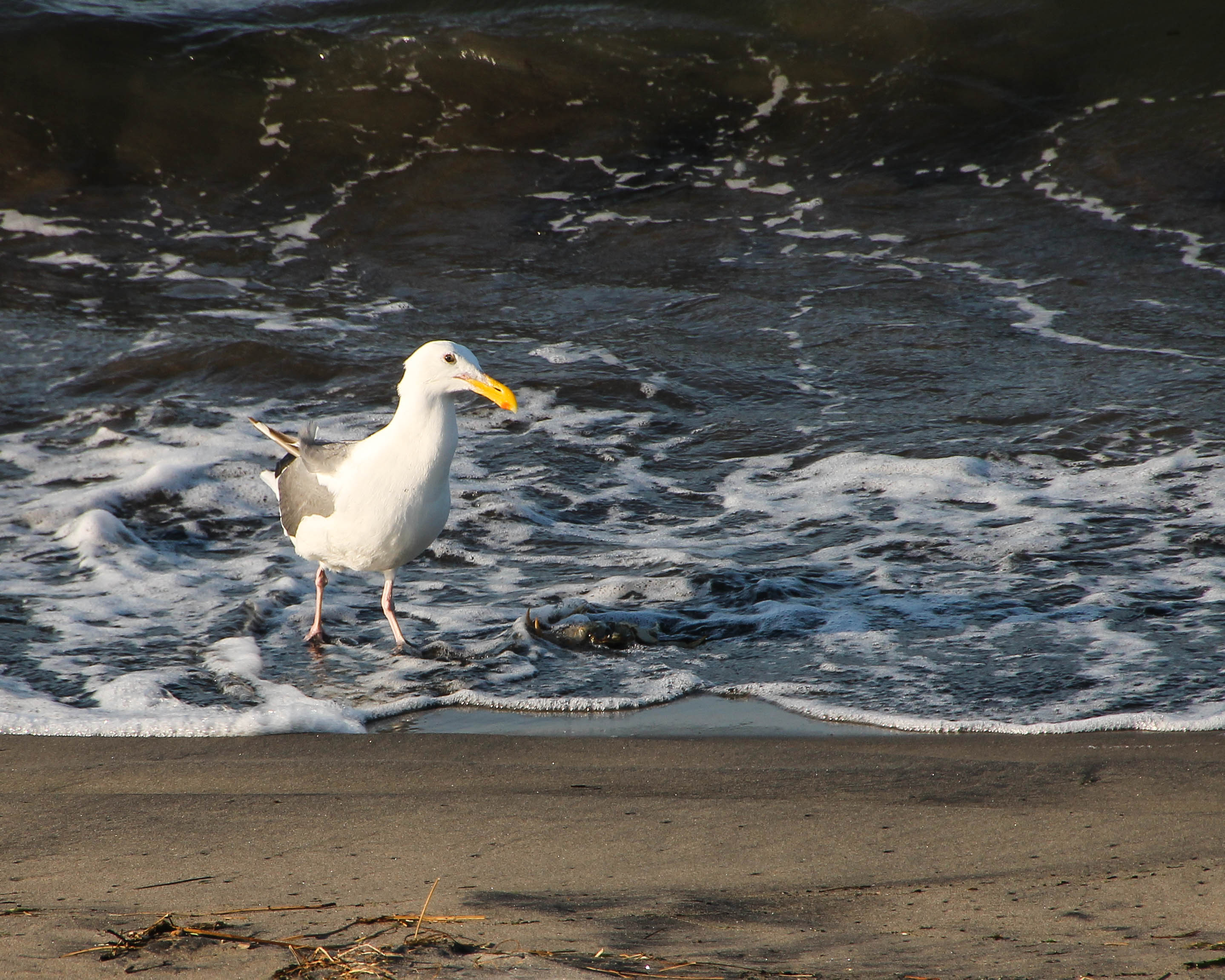
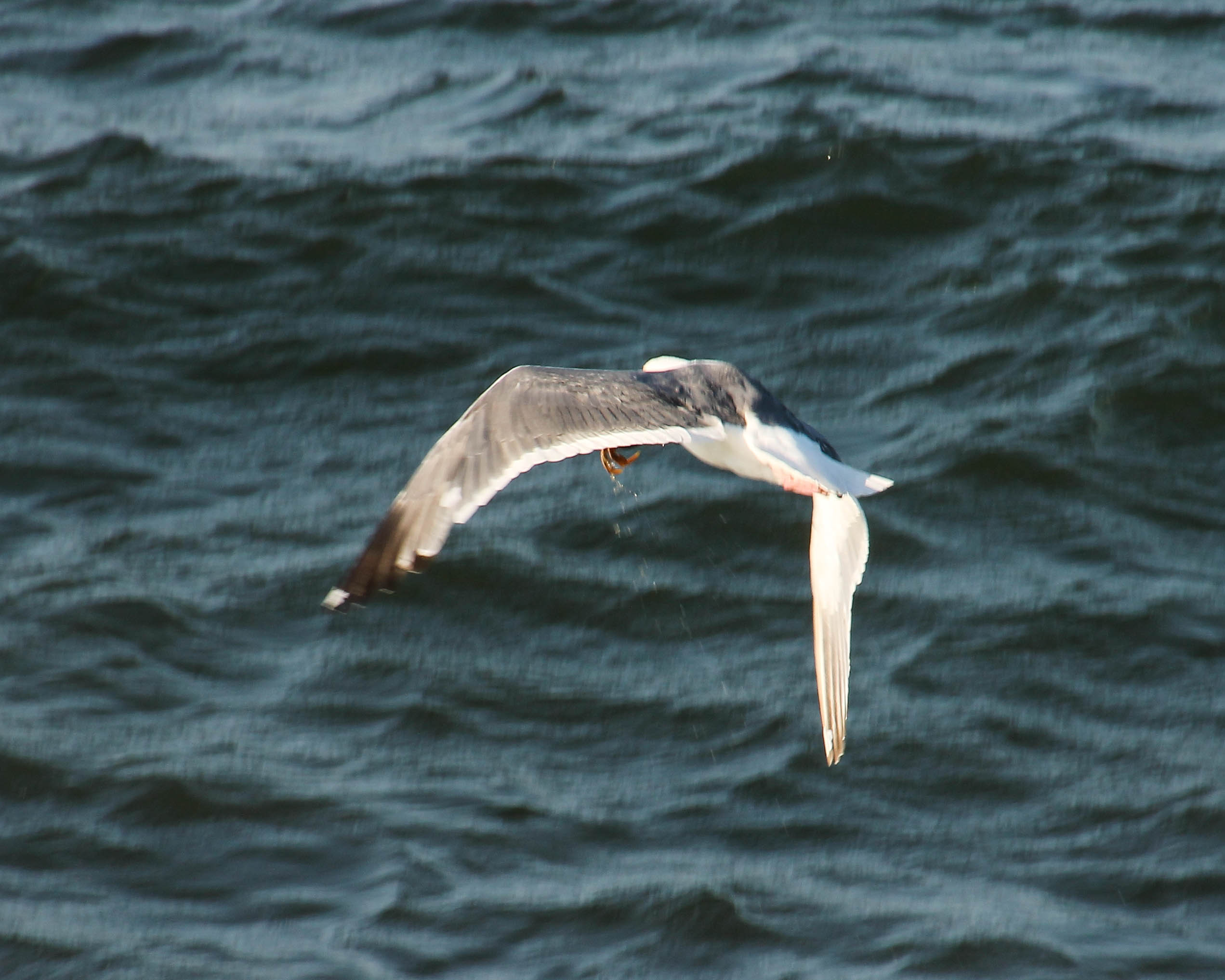
Western Gull looking for dinner in the surf of the Pacific OceanGot a crab!He keep dropping this crab in the ocean and picking it up again“I think I will go eat it now!”Can just make out a crab leg
Photos taken, August 3, 2014, while we were staying at Fort Steven’s State Park in Astoria, Oregon.
Joining Stewart at http://paying-ready-attention-gallery.blogspot.com/2014/09/wild-bird-wednesday-112-kittiwake-black.html
`Black, relatively long sharp-pointed bill
`Black legs
`Contrasting reddish-brown markings on shoulder
`Reddish brown on crown and ear patch
`Feeds on crustaceans, mollusks, worms and aquatic insects
`Nests on moist tundra or mossy slopes
Fishing
Western Sandpiper Art
New one! – #372
Photos taken at Bullards Beach State Park, Bandon, Oregon
Bullards Beach State Park
Joining Charlotte at Prairie Birder at http://prairiebirder.wordpress.com
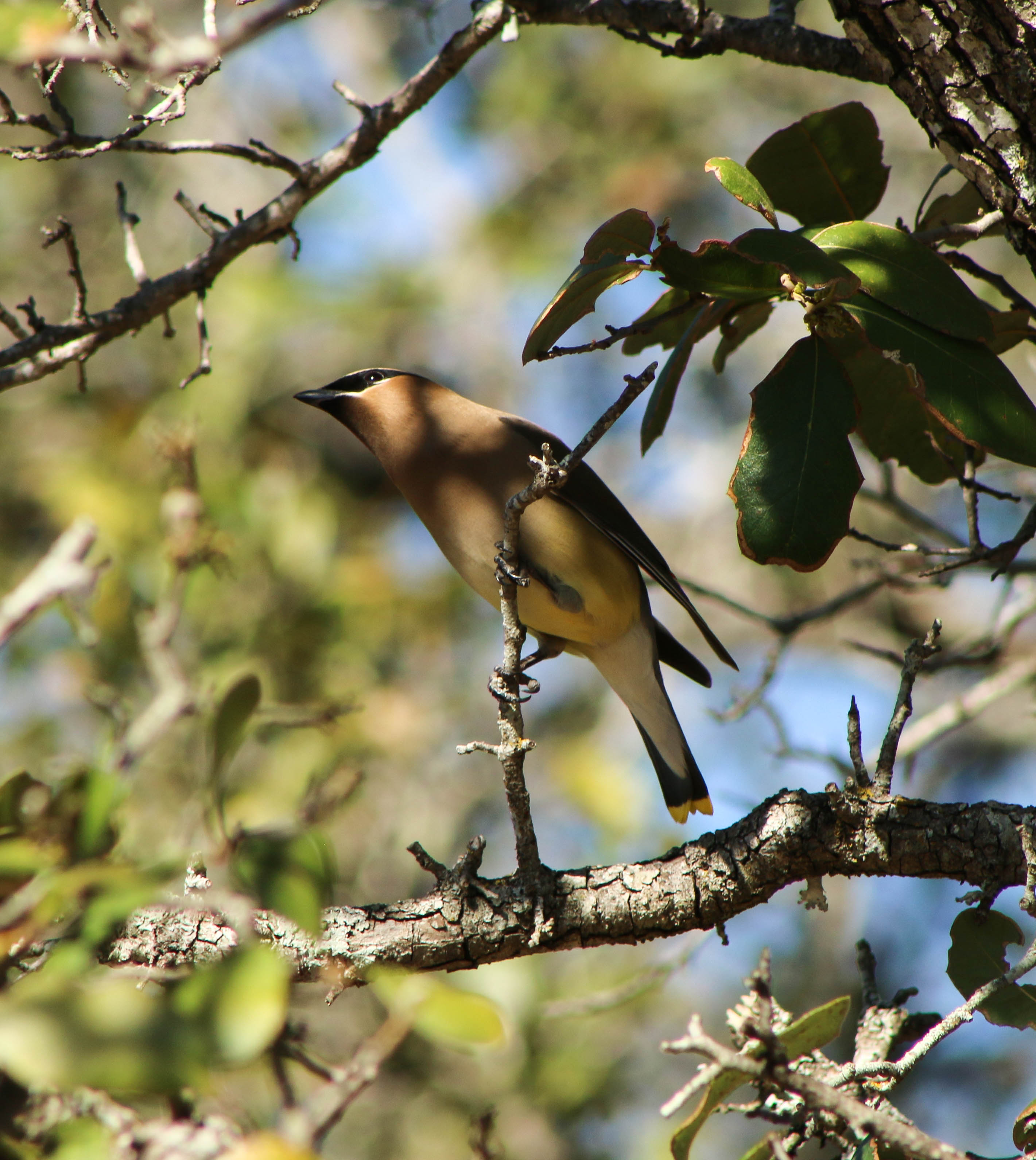
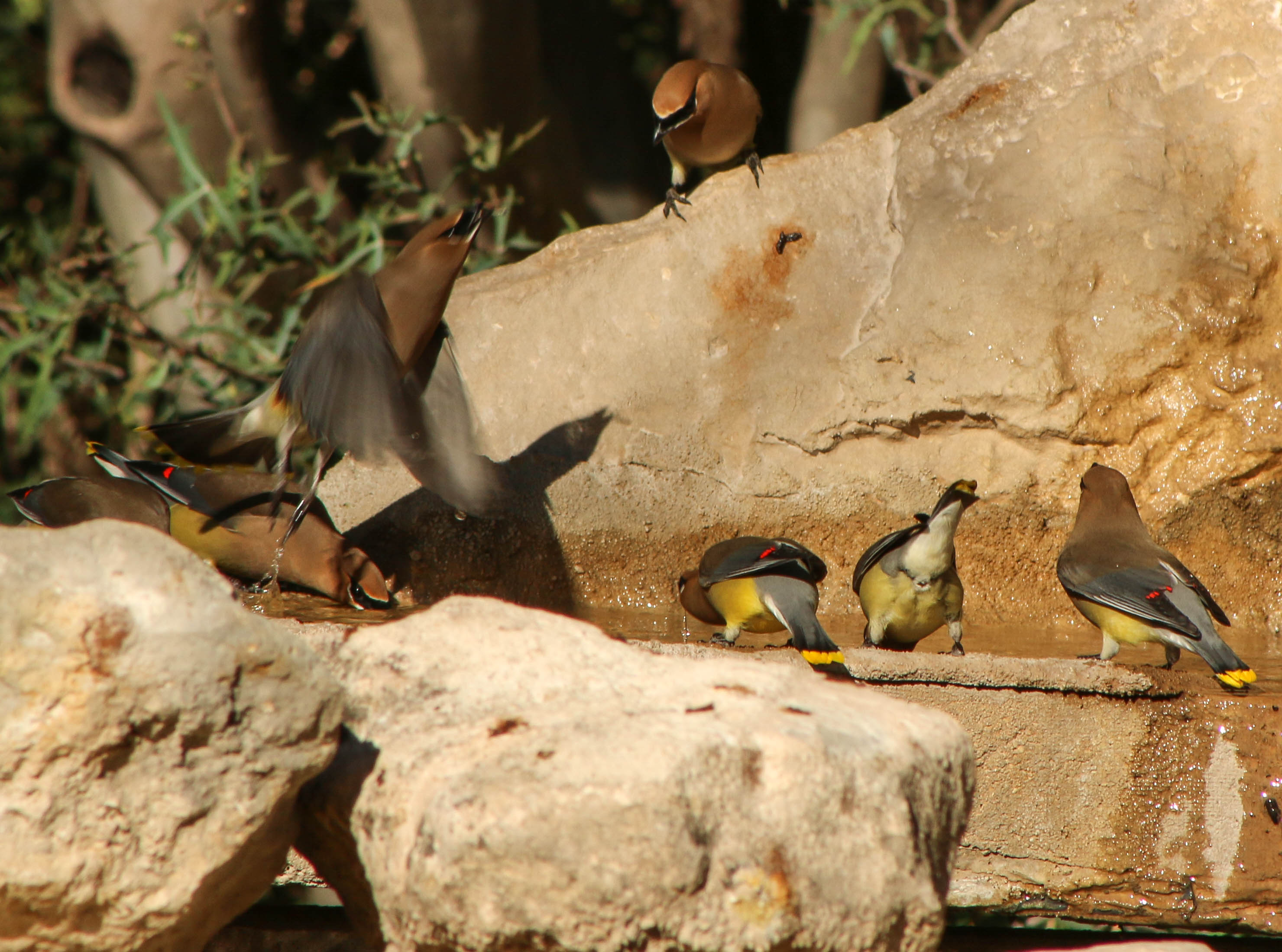
We have never seen so many Cedar Waxwings in one location. It was fun watching them come in for a drink. In all the photos I captured of them drinking, there was always one Cedar preforming the task of “lookout”. Photos taken in April 2014 in South Llano State Park, Junction, Texas. I was using my Canon 70D with Canon EF 75-300mm 1:4-5.6 lens.









 Wolf Song Blog